

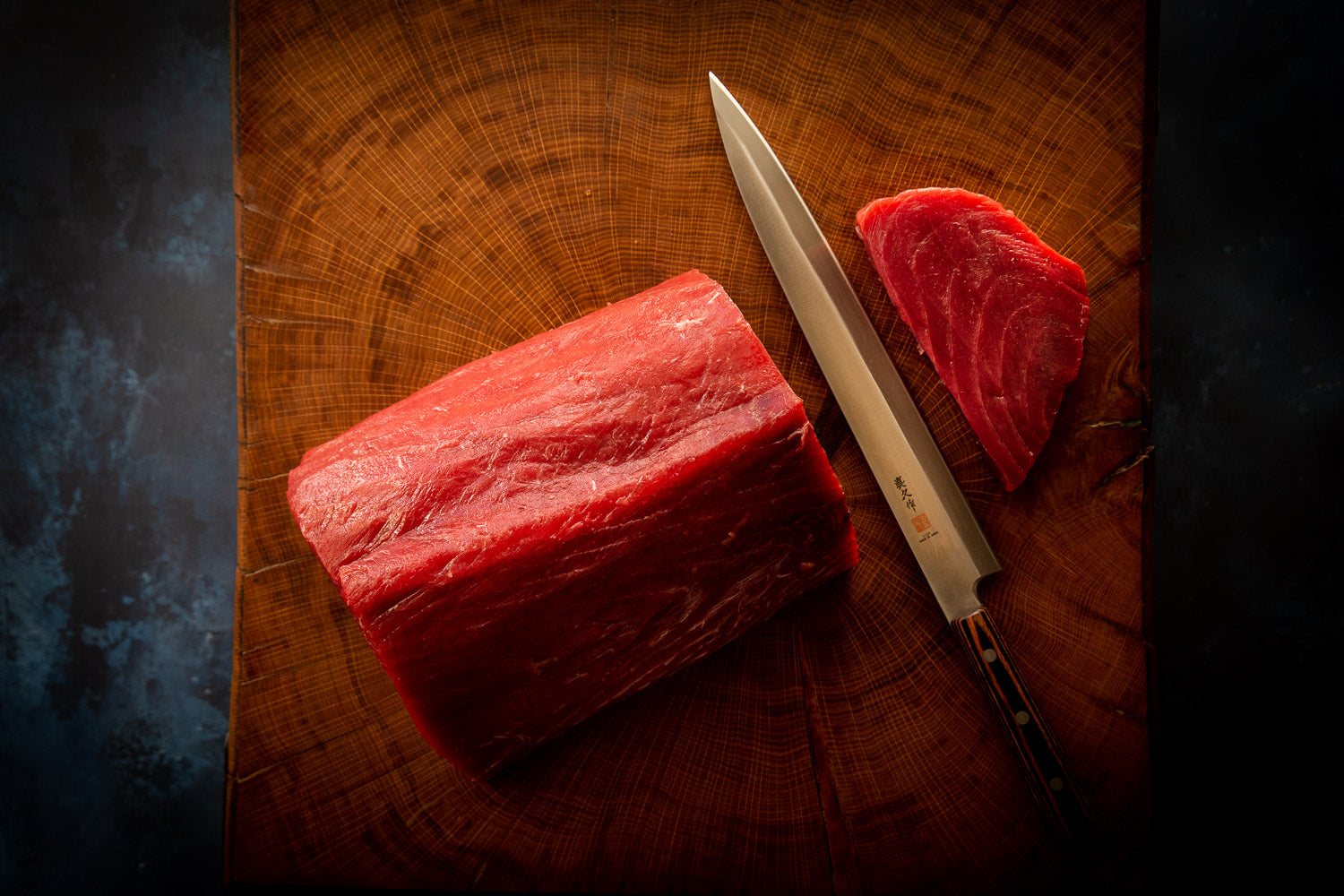
Bluefin Tuna
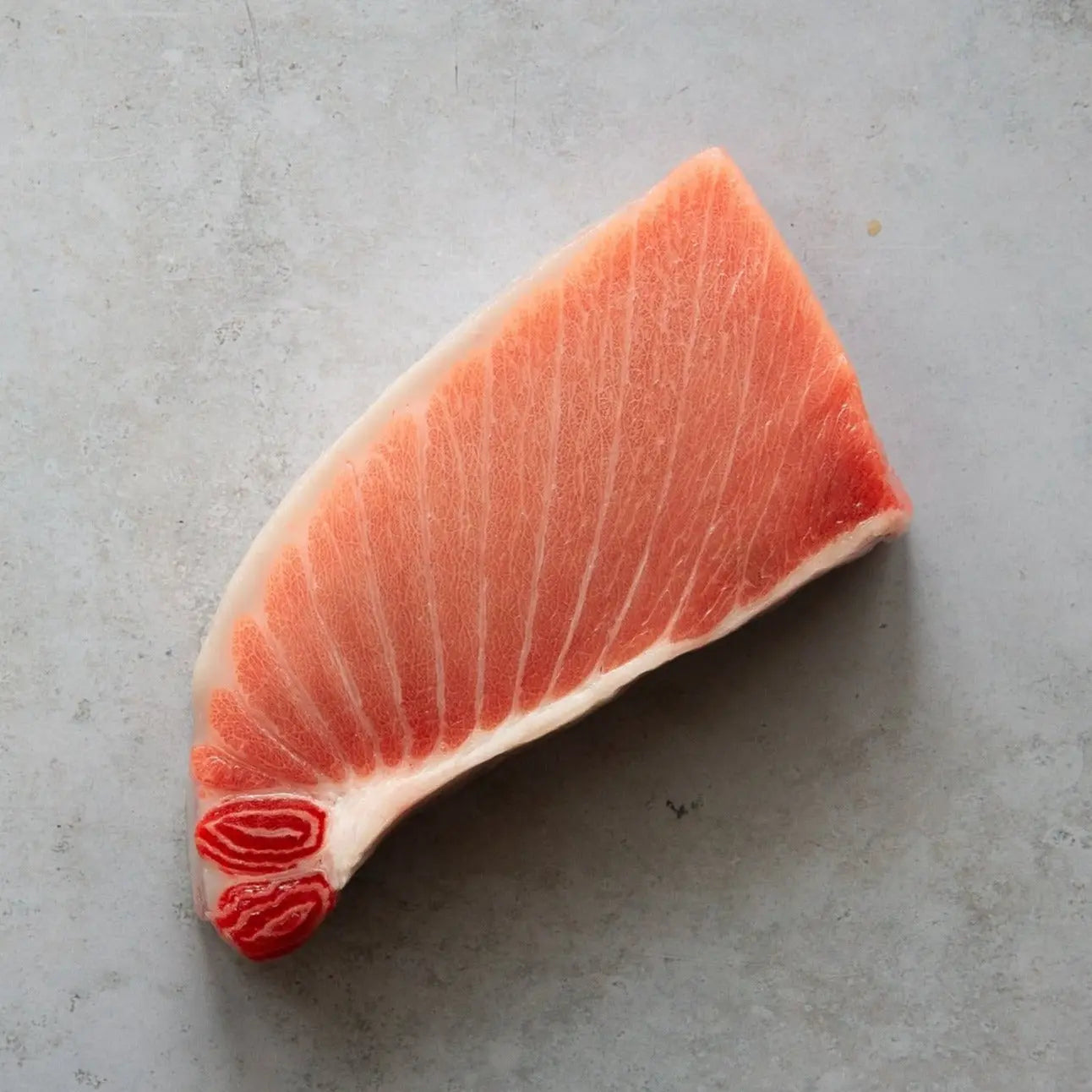
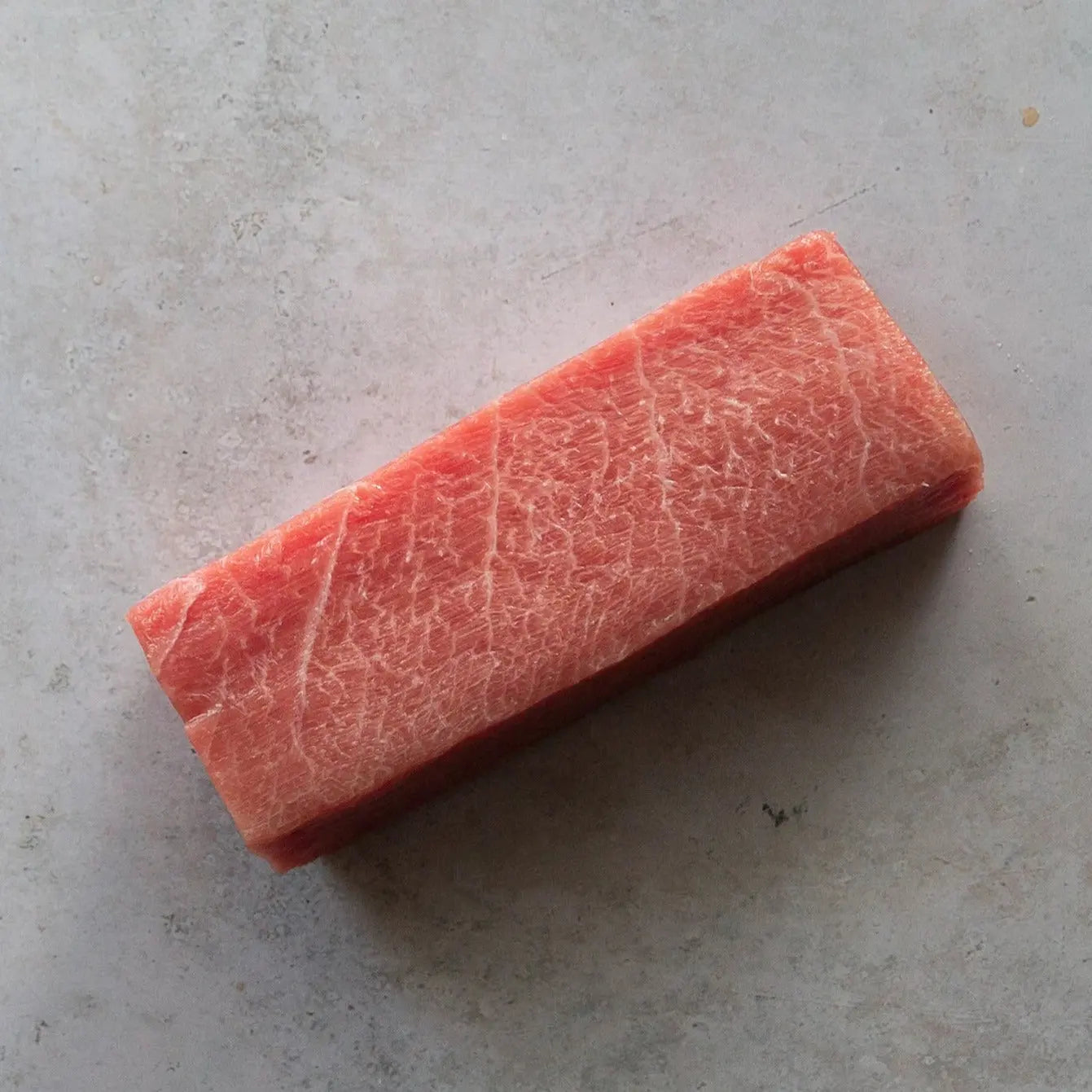
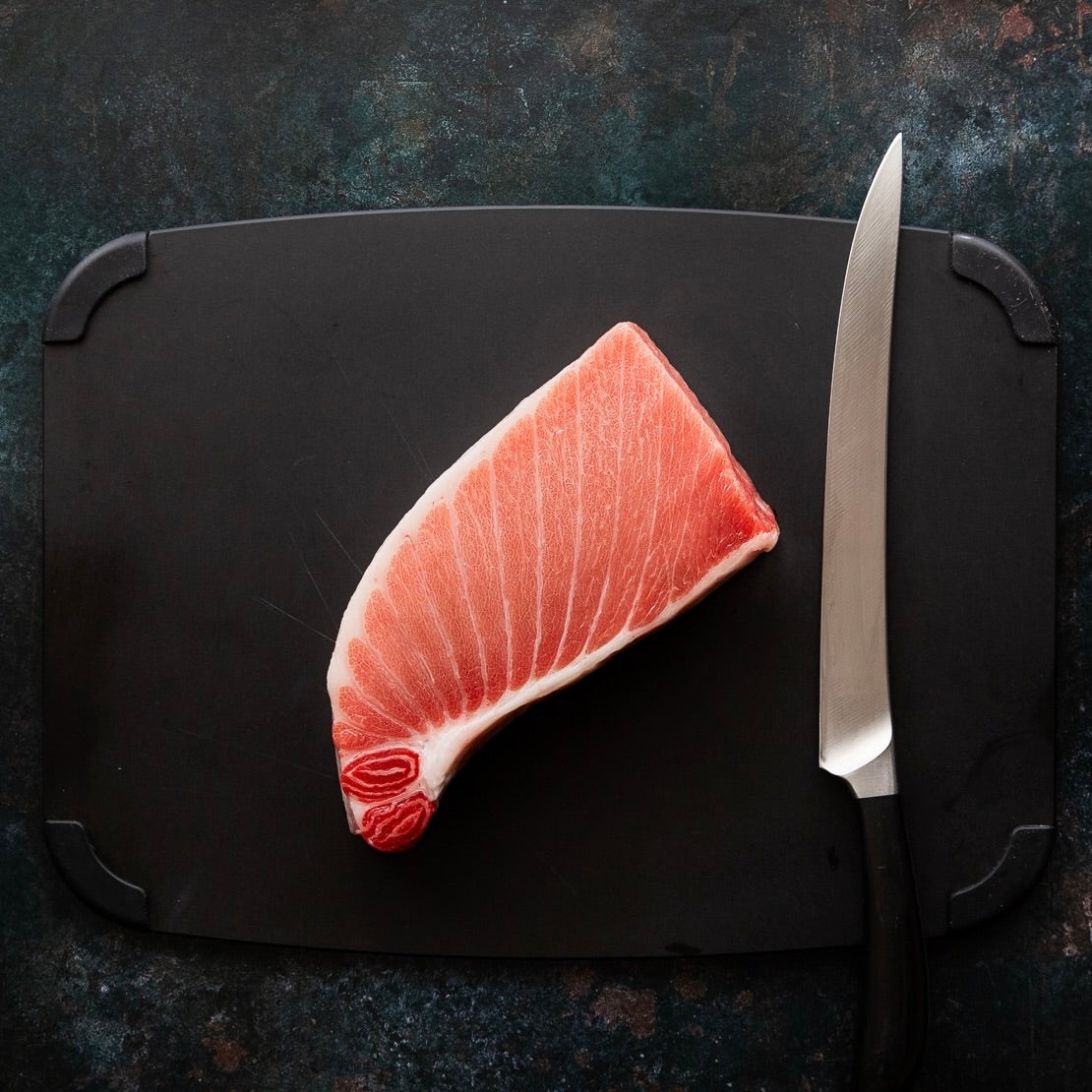
OTORO
Otoro is the most prized and comes from the belly, which is the fattiest part of the tuna, The most legendary cut of tuna, and one of the most highly prized by lovers of fine cuisine. With a pinkish colour and silky, highly delicate texture, the belly, known as “Otoro”, is found at the base of the lower loin and contains the highest fat level.
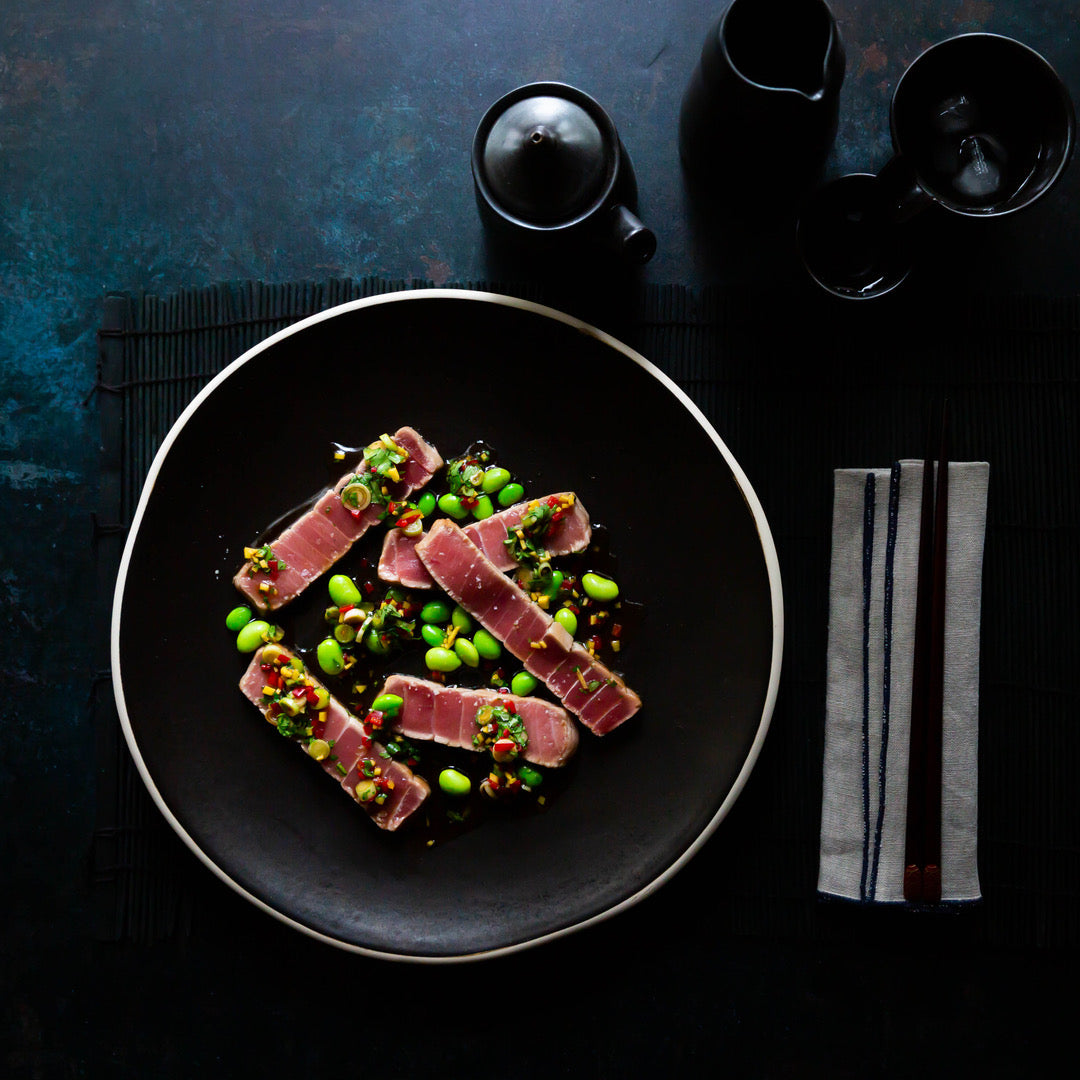
TUNA TATAKI
This very simple recipe works as a delicious starter or can be served with addition of forbidden rice, steamed pak choi and baby corn as a fantastic light and healthy main course.
In this recipe we used the Akami cut of Bluefin Tuna which is the lean red meat from the main body of the tuna. It is also possible to use either the Otoro (the fattier belly section which is intensely rich and melt in the mouth) or the Chūtoro (which is a combination of the Akami lean red meat and the fattier belly, found near the skin on the belly and back).
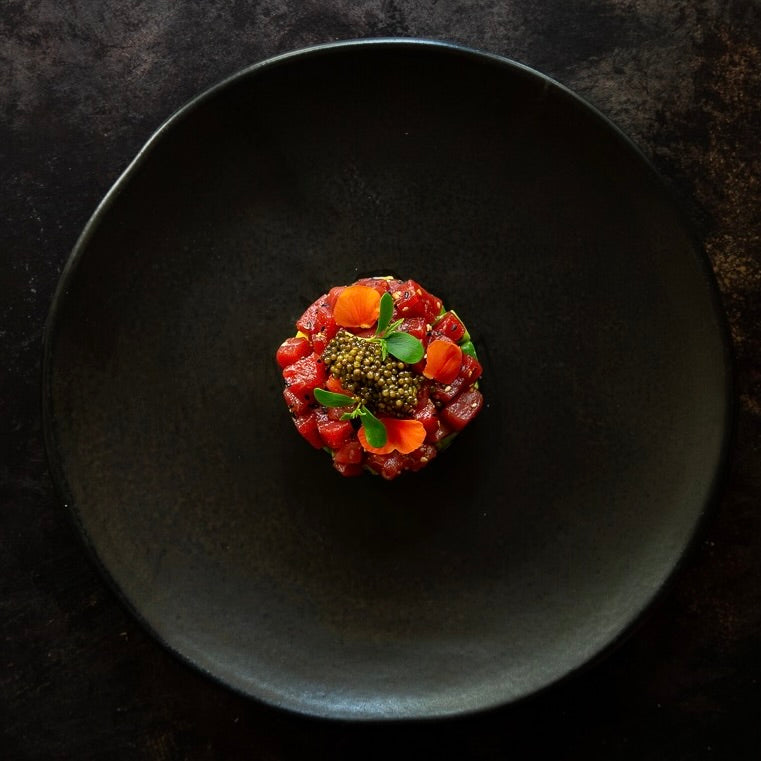
TUNA TARTAR
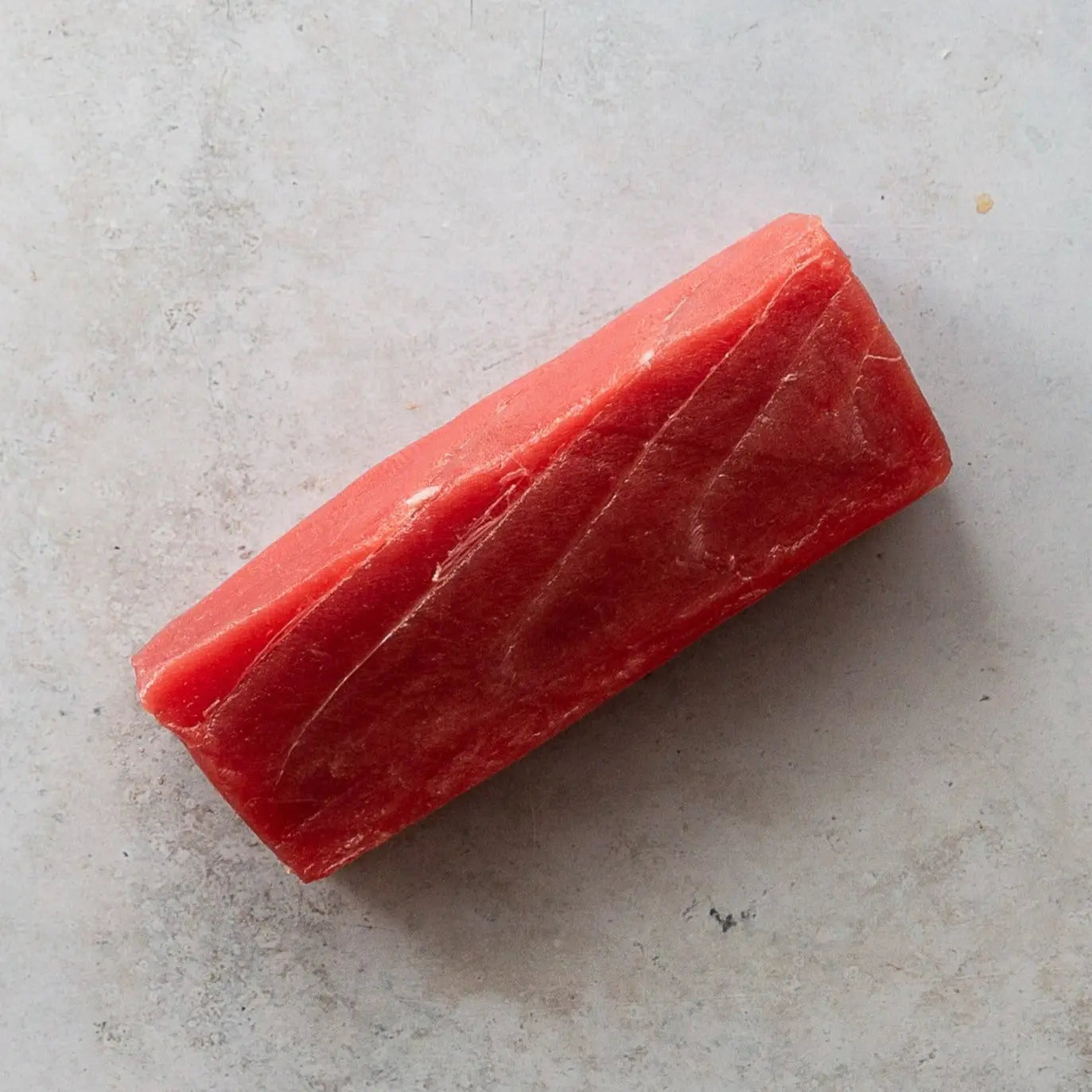
A brasserie classic, tartare should always be made with the best quality sushi grade tuna, such as our exceptional Bluefin Tuna Akimi Saku Block. This simple dish is so easy to prepare, but makes a really impressive summery lunch.
Frequently asked questions
-
What is the difference between bluefin tuna and yellowfin tuna?
Bluefin is a larger, fattier, and more intensely flavoured fish than yellowfin. The flesh is richer, more marbled, and has a depth of flavour that yellowfin doesn't match — particularly in the otoro (belly) cuts. Bluefin is the tuna prized above all others in Japanese sushi culture. Yellowfin is leaner, cleaner, and more affordable — an excellent fish in its own right, but a different eating experience. We carry both: Fuentes Bluefin on this page, and yellowfin tuna steaks and saku blocks in our Fish & Crustacea collection.
-
What is ike jime and why does it matter?
Ike jime is a Japanese dispatch technique where the fish is killed instantly with a spike to the brain, then the spinal cord is destroyed to prevent nerve signals from degrading the flesh. This stops stress hormones and lactic acid from building up in the muscle, which directly affects flavour, texture, and shelf life. Fish dispatched with ike jime have cleaner taste, firmer texture, and better colour retention than conventionally caught fish. All Fuentes bluefin tuna is dispatched using this method.
-
What is the difference between akimi, chutoro, and otoro?
These are the three main cuts of bluefin tuna, defined by fat content and location on the fish. Akimi is the lean loin — deep red, meaty, and clean. Chutoro is the middle section between loin and belly — medium fat, silky, and balanced. Otoro is the belly — the fattiest, most prized cut with a buttery, melting texture. Each fish yields only a small amount of otoro, which is why it commands the highest price.
-
Which cut should I choose?
For tartare and tataki, akimi is the best choice — its clean, lean character works perfectly when seared or diced. For sashimi and nigiri where you want richness, otoro delivers the full bluefin experience. Chutoro sits between the two and is considered by many chefs to be the most balanced cut. If you're new to bluefin, an akimi saku block is a good starting point.
-
Is your bluefin tuna sustainable?
Our bluefin comes from Fuentes, who use sustainable fishing techniques and operate under regulated quotas across the Mediterranean. Fuentes have been working with bluefin tuna for over fifty years and operate facilities across six countries. Mediterranean bluefin tuna stocks have shown significant recovery in recent years following strict international quota management. Our season runs from September to May.
-
Can I eat bluefin tuna raw?
Yes. Our bluefin tuna is AAA grade and suitable for raw consumption — sashimi, sushi, tartare, and crudo. The fish is blast frozen to –50°C immediately after processing, which eliminates any parasites present in the flesh and meets UK food safety requirements for serving fish raw. For otoro and other fatty cuts, bringing the fish to just below room temperature before serving — a few seconds with a blowtorch or a flash in a hot dry pan — releases the full flavour of the fat.
-
Why does tuna sometimes darken after defrosting?
Oxidisation. Red-fleshed fish like bluefin is stored at –50°C to preserve the vibrant colour. Once thawed and exposed to air, the surface can shift from bright red to a deeper brownish tone. This is natural and doesn't mean the fish has spoiled. To minimise it, remove from vacuum packaging and place on a plate lightly covered with cling film. Use the same day you defrost.
-
How should I defrost bluefin tuna?
Remove from vacuum packaging, place on a plate, cover lightly with cling film, and defrost in the fridge. Use the same day for the best colour, flavour, and texture. Do not defrost in water or at room temperature — both cause uneven thawing and accelerate oxidisation.
-
What is a saku block?
A saku block is a precision-cut rectangular portion of tuna, trimmed to a uniform shape for clean, even slicing. The word "saku" comes from the Japanese term for a trimmed loin block used in sushi preparation. Our saku blocks are ready to slice straight from defrosting — no further trimming needed. Available in both akimi (loin) and otoro (belly).
-
How is bluefin tuna delivered?
All bluefin tuna is stored at –50°C and shipped in insulated packaging with ice packs via express courier service. Orders placed before 2pm are dispatched the same day — select your preferred delivery date at checkout. On arrival, transfer straight to the freezer, or place in the fridge if you plan to use it the same day. For orders over £225, weekday delivery is complimentary.