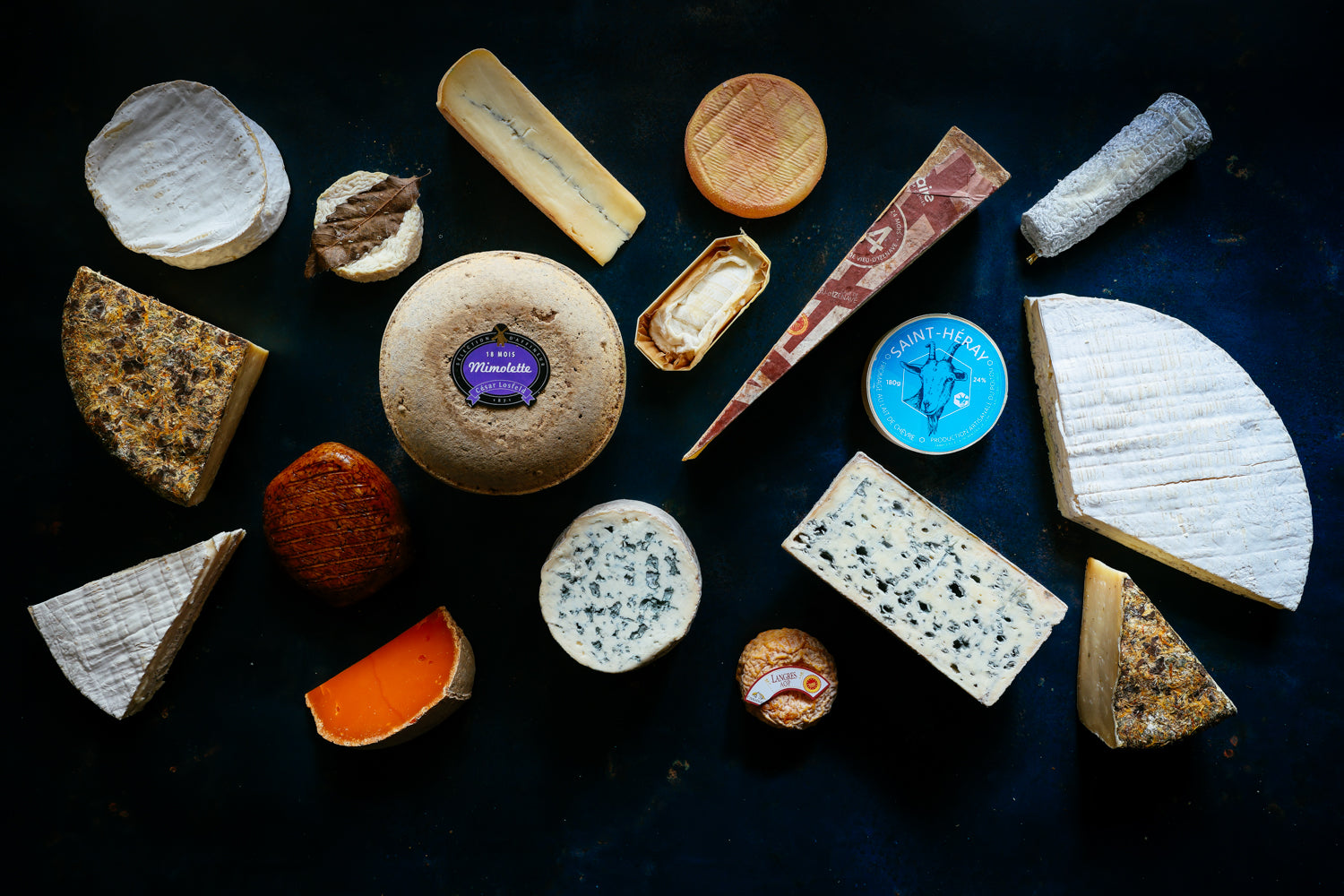
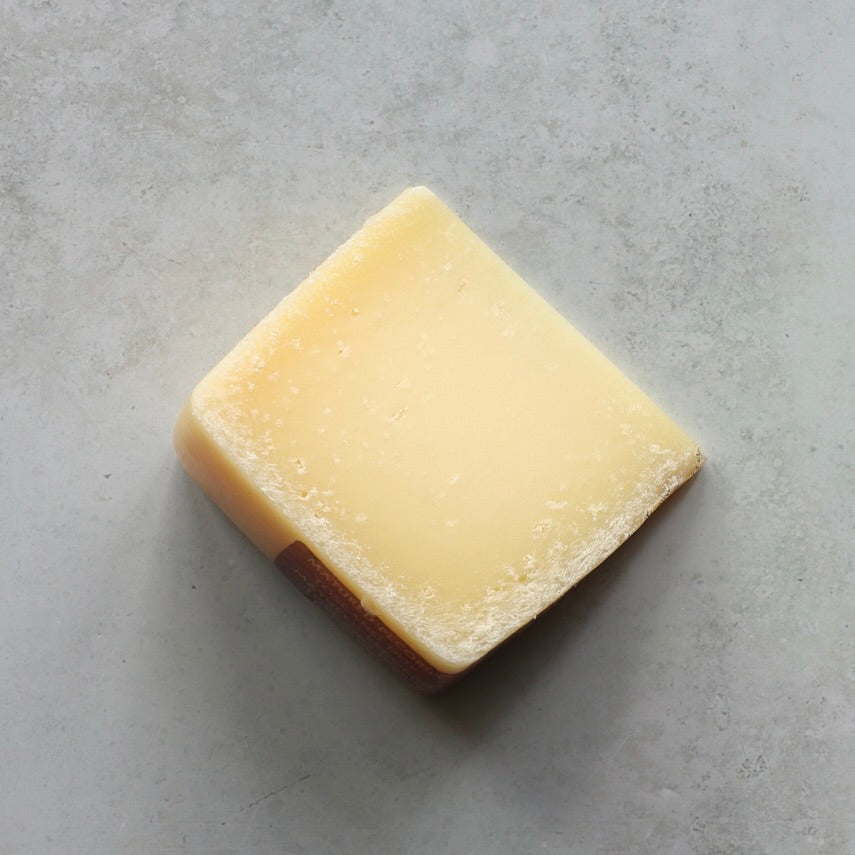
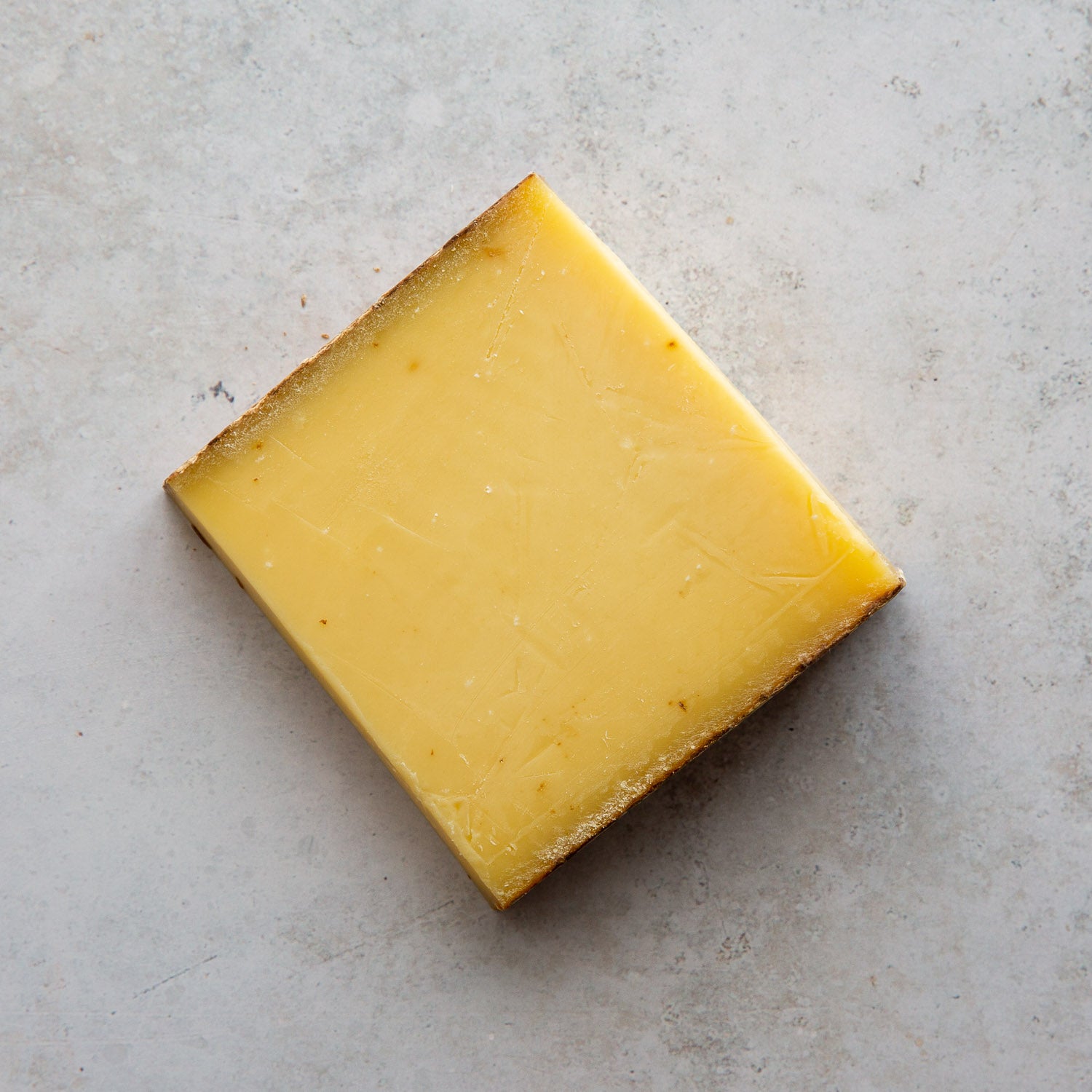
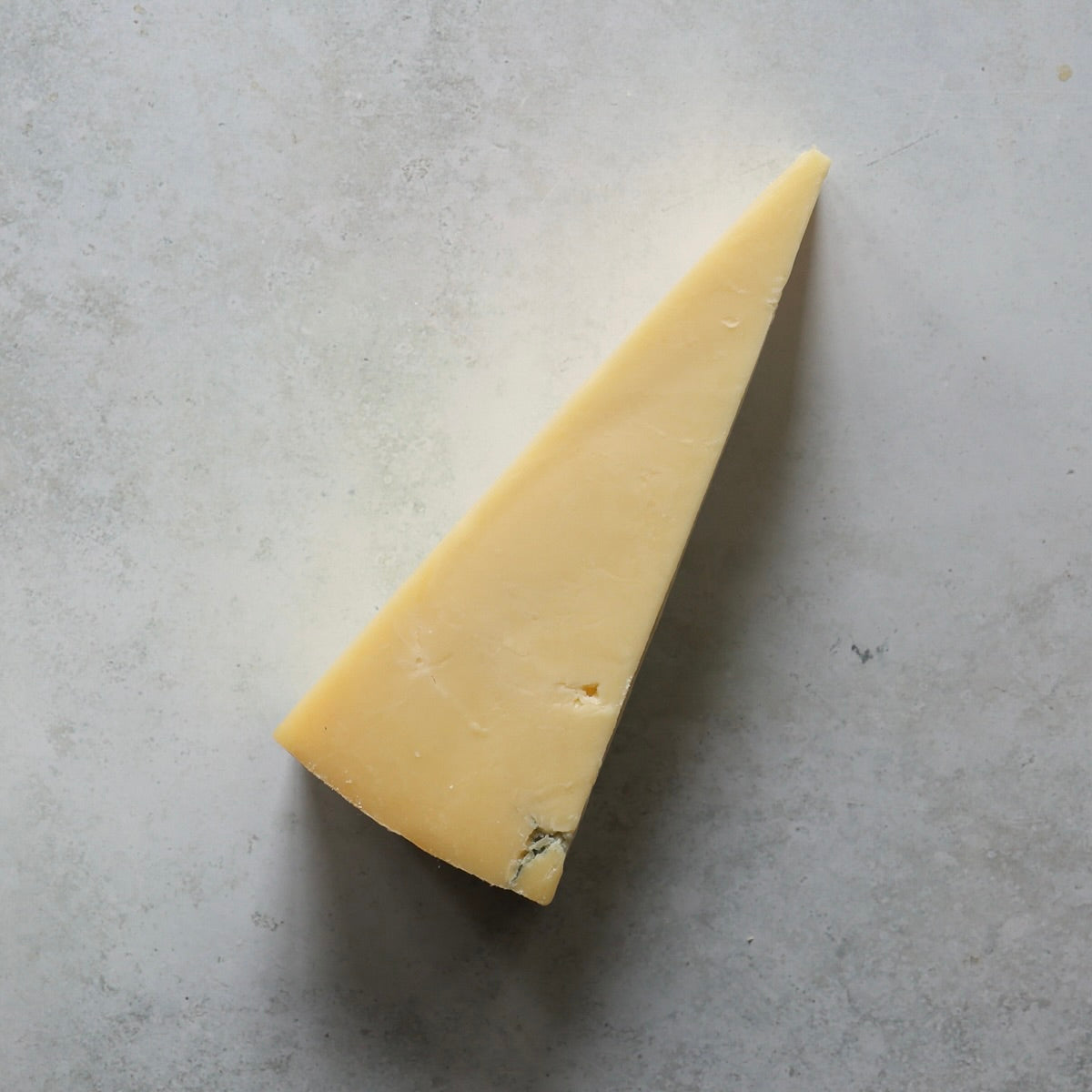
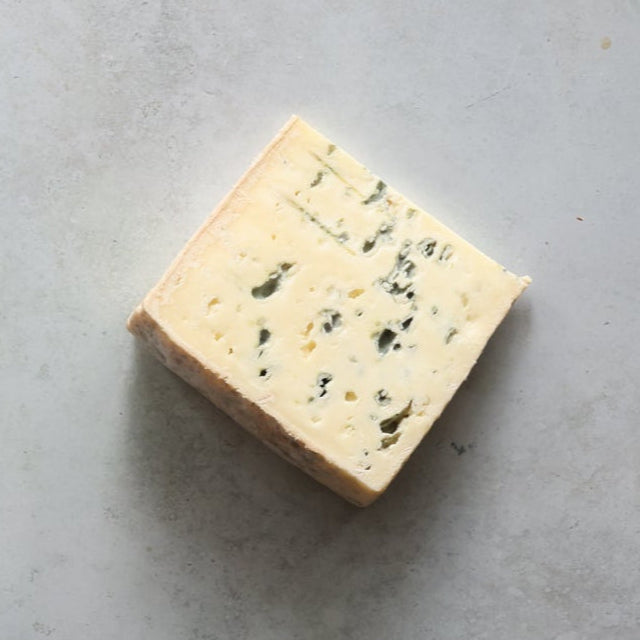
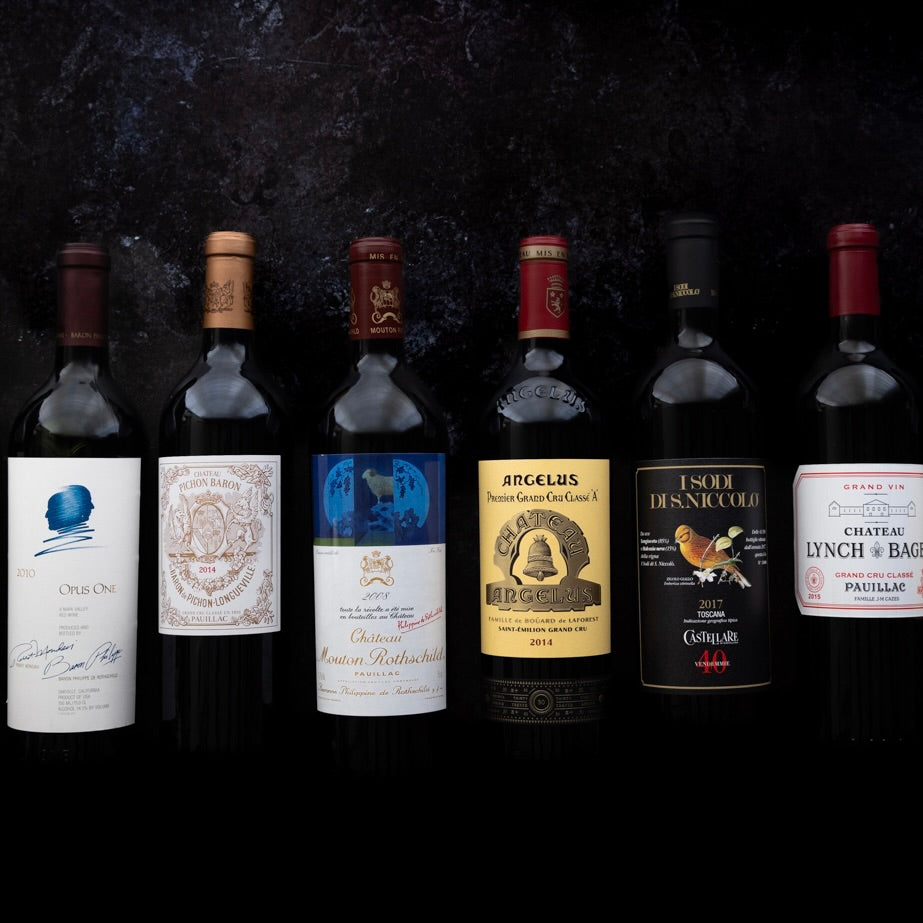
Every artisan cheese in our collection tells a story. Behind each wheel, wedge, and round stands a cheesemaker who refuses shortcuts. These aren't products pulled from supermarket shelves; they're the same fine cheeses you'd find in Michelin-starred kitchens, now available for your table.
We work directly with cheesemakers across France, Britain, Italy, and beyond. The relationships matter. When you choose Fine & Wild, you're accessing cheeses aged in centuries-old caves, crafted from single-herd milk, and finished by hand using techniques passed through generations. Our aged cheddars mature for 12 to 24 months, not the 3 to 6 months typical of commercial production. The difference isn't subtle.
UK next-day delivery arrives temperature-controlled. Orders placed before 2 pm ship the following day, packaged to preserve texture and flavour. No compromises from dairy to doorstep.
What Makes Cheese Artisan vs. Gourmet
The terms get tangled. "Gourmet cheese" often means nothing more than premium pricing. Artisan cheese demands proof.
True artisanal cheese follows stricter production standards. Small-batch making, traditional rennet, natural ageing, and traceable milk sources define the category. Many artisan cheesemakers work with herds under 100 animals, allowing them to control every variable from pasture to pressing. Gourmet labels, by contrast, can apply to any cheese marketed as upscale—no production method required.
Consider French artisan cheese made under the AOC (Appellation d'Origine Contrôlée) designation. These certifications mandate specific regions, milk types, and ageing processes. A true Comté must come from Franche-Comté, use raw Montbéliarde or French Simmental milk, and age for a minimum of 4 months in specified caves. Gourmet Comté? That label means nothing without the AOC.
We stock artisanal cheese exclusively. Each product page identifies the cheesemaker, production region, and whether the milk is raw or pasteurised. Provenance isn't optional—it's the entire point.
Our Artisan Cheese Selection
French Artisan Cheese
France built its culinary reputation on cheese. We partner with fromageries that still practice affinage—the art of ageing cheese to develop complex flavours.
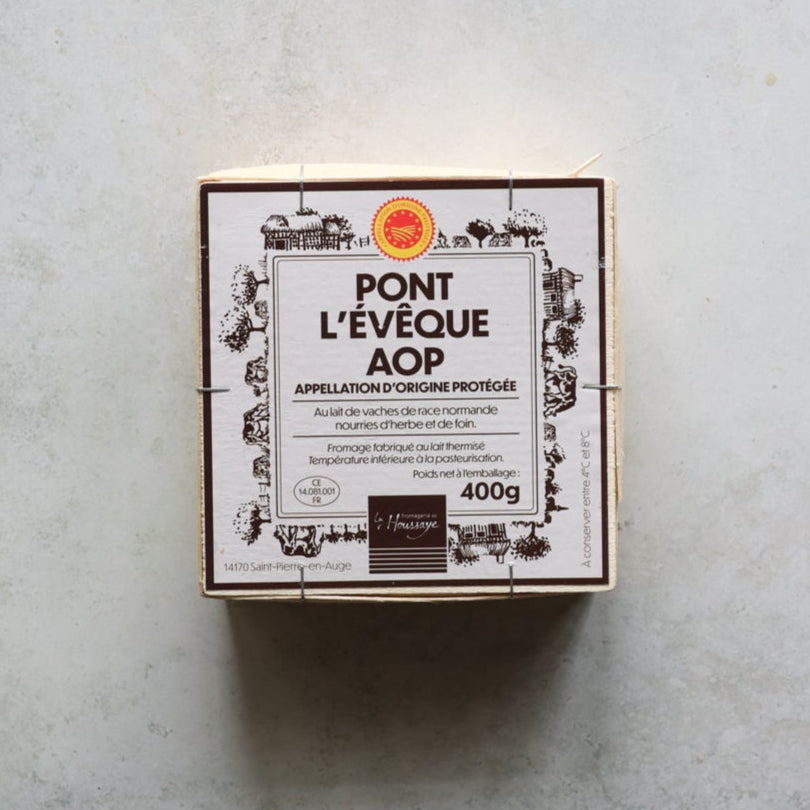
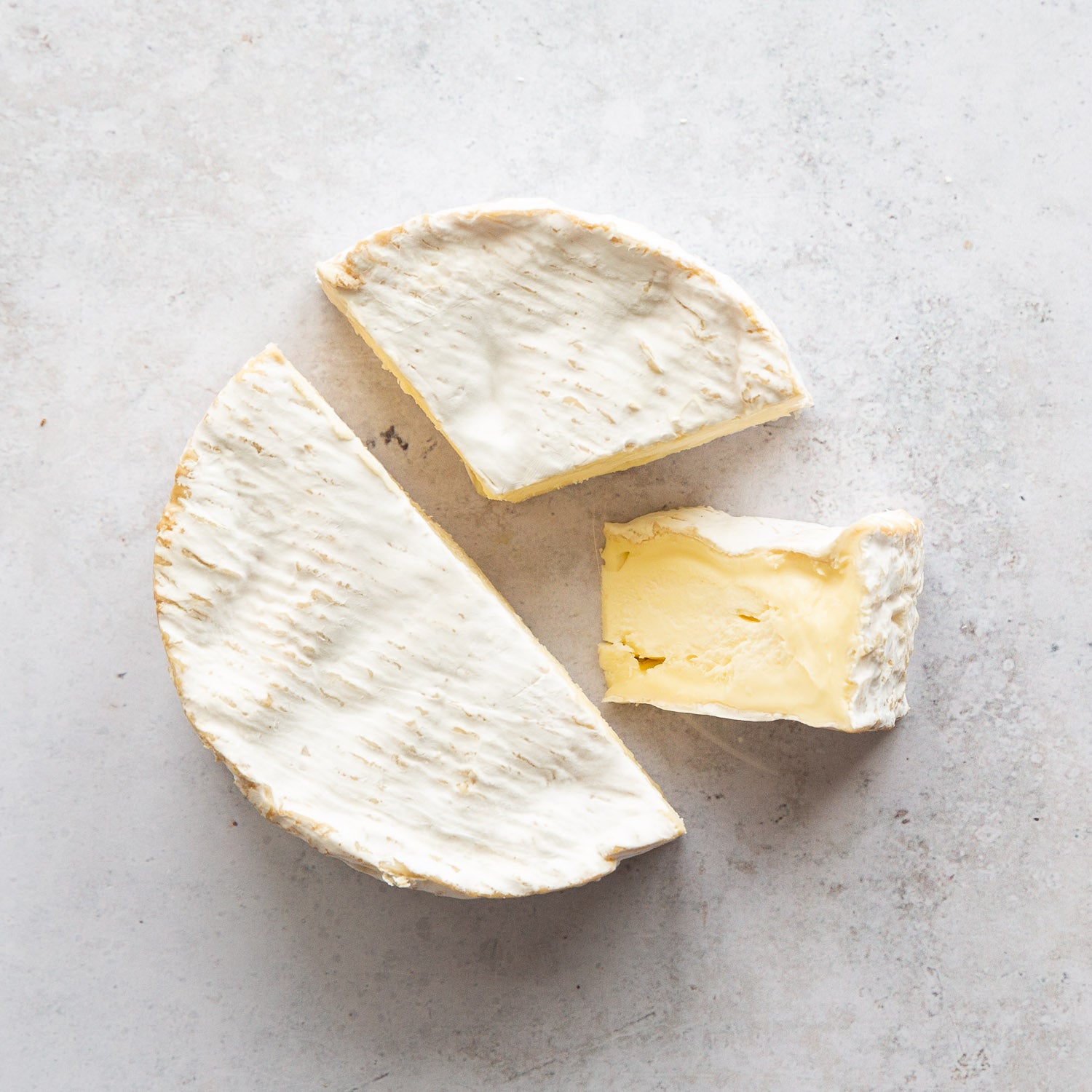
Our French collection includes soft-ripened varieties like Brie de Meaux and Camembert de Normandie, both AOC-protected. Hard mountain cheeses such as Beaufort and Comté arrive after 8 to 24 months in Alpine caves, where temperature and humidity remain constant year-round. These aren't approximations—they're the authentic expressions of their terroir.
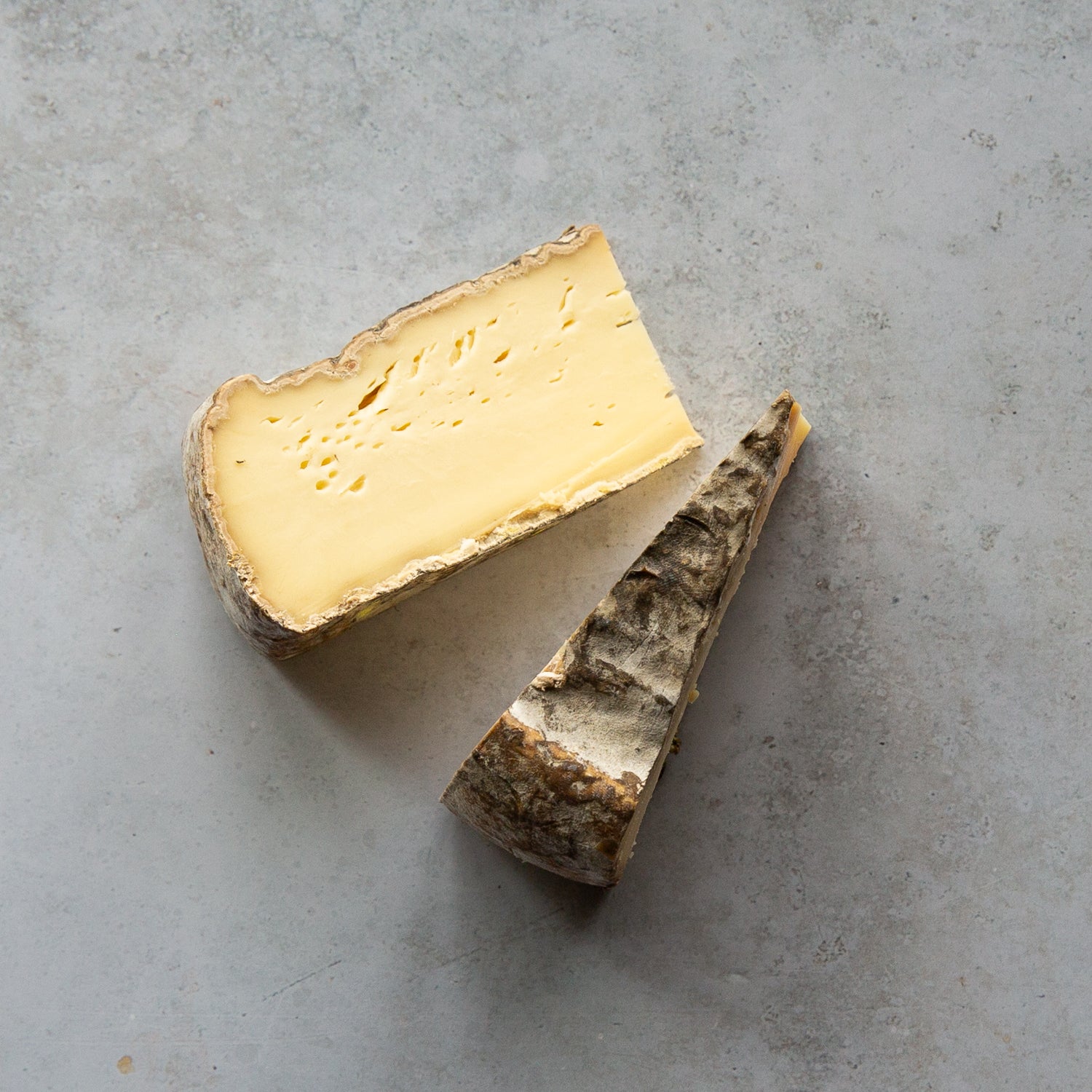
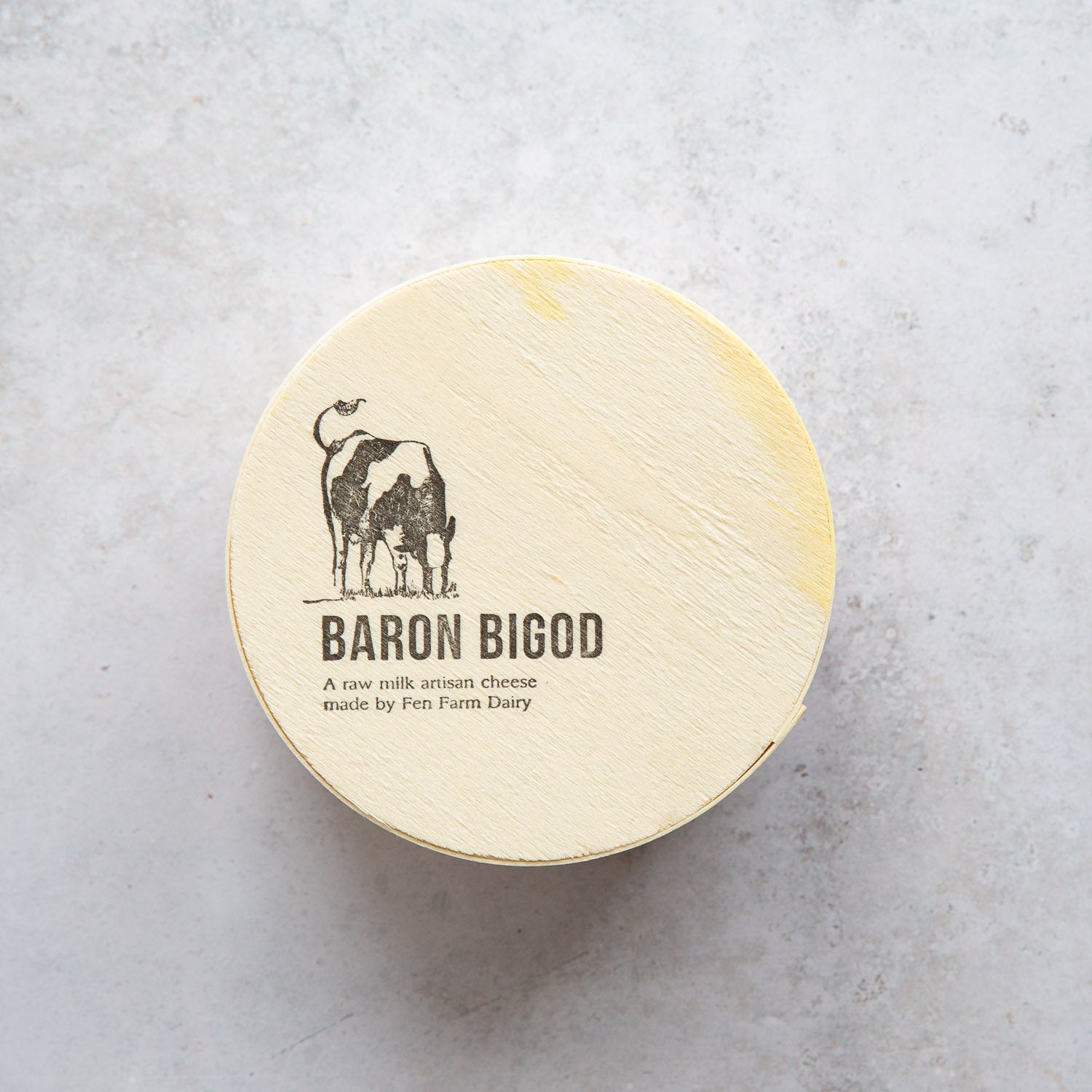
Baron Bigod represents British cheesemaking at its finest. This raw milk brie-style cheese comes from a single Suffolk farm, where Montbéliarde cows graze on coastal pastures. The milk's character changes with the seasons, and the cheese reflects it. Spring wheels taste grassy and bright; autumn batches turn richer, almost buttery.
Seasonal French cheeses appear based on milk availability. Summer brings Alpine varieties made from cows grazing high-altitude meadows. Winter shifts toward aged reserves and washed-rind cheeses.
British Artisan Cheese
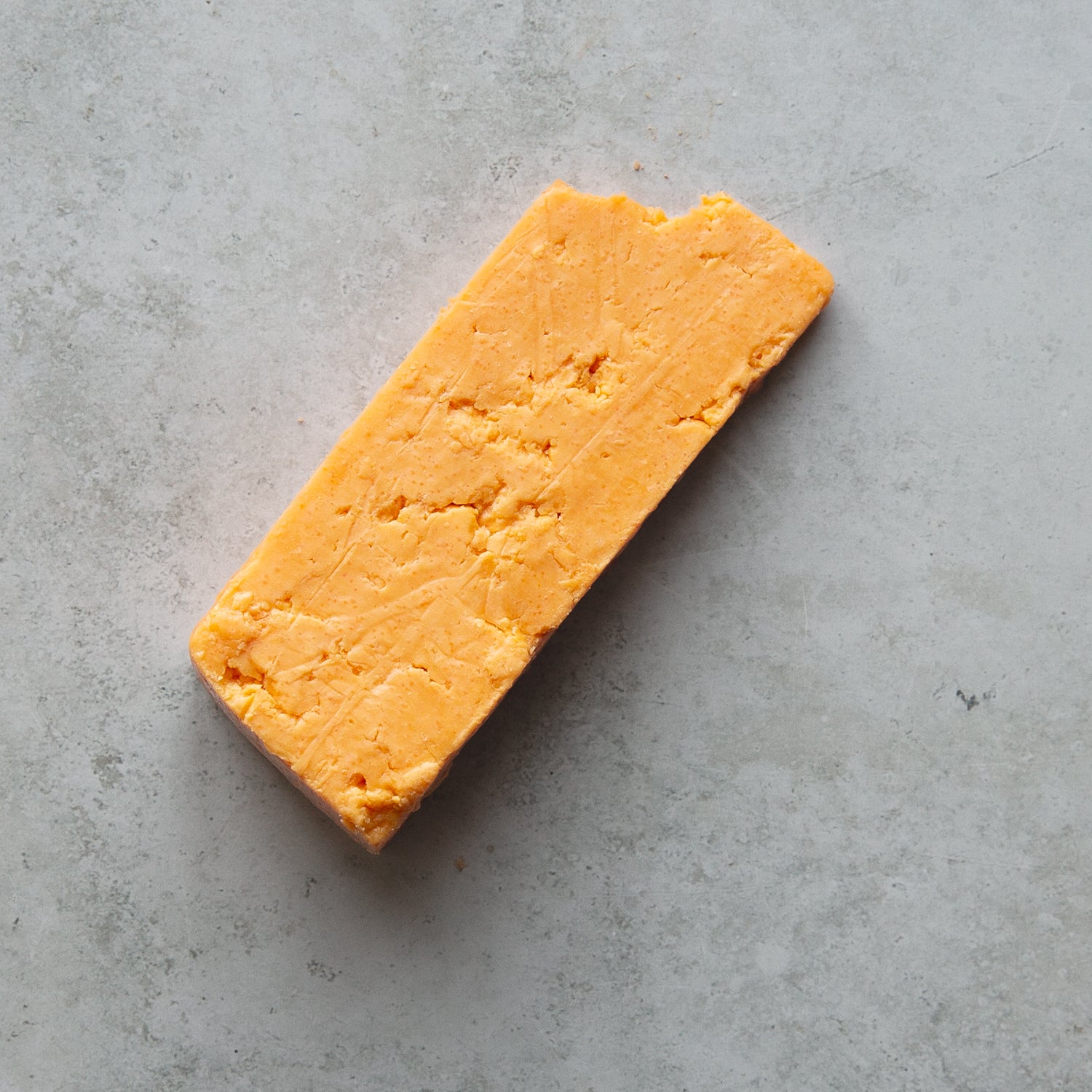
Montgomery's Cheddar stands apart from industrial versions. Made in Somerset using unpasteurized milk, each batch ages for 12 to 18 months. The result: crystalline texture, sharp tang, and depth impossible to replicate in younger cheeses. This is the cheddar served in three-Michelin-star restaurants.
Our British selection includes Stilton, Cheshire, Lancashire, and newer artisan varieties. Many come from farms practising regenerative agriculture, where animal welfare and soil health drive decisions. The cheese quality follows naturally from healthy herds.
Italian Artisan Cheese
Parmigiano-Reggiano wheels age 24 to 36 months. We source directly from small consortia in Emilia-Romagna, where production methods have remained unchanged for 800 years. Each wheel weighs approximately 40kg and requires 550 litres of milk.
Italian soft cheeses—burrata, stracciatella, fresh mozzarella di bufala—arrive weekly. These require temperature-controlled shipping and sell quickly. If freshness matters (and with Italian cheese, it always does), our delivery timing ensures peak quality.
How to Choose Artisan Cheese for Your Needs
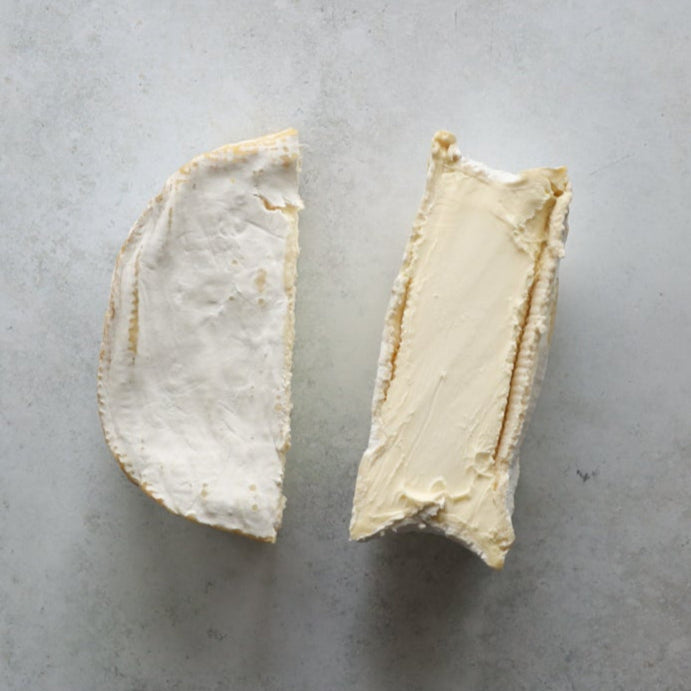
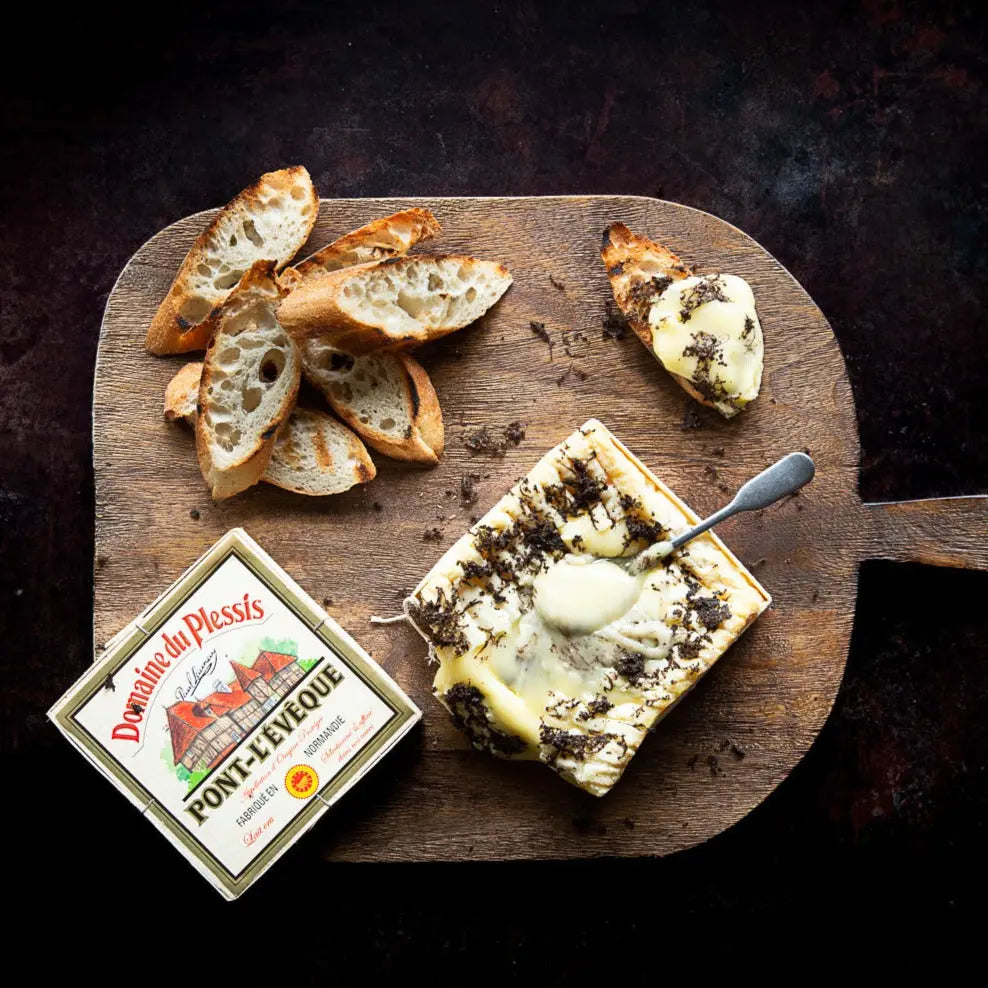
Texture dictates use. Soft cheeses like Camembert and Baron Bigod suit cheese boards and baking. Their creamy interiors work well at room temperature or melted into pastry. Semi-soft varieties—Taleggio, Reblochon—balance spreadability with structure, making them ideal for fondues and gratins.
Hard cheeses offer versatility. Aged cheddar, Comté, and Parmigiano-Reggiano can be grated, shaved, or eaten in chunks. Their low moisture content means longer shelf life—often 4 to 6 weeks refrigerated once cut.
Milk type shapes flavour profiles. Cow's milk cheeses range from mild (young Gouda) to intensely sharp (aged Cheddar). Sheep's milk varieties like Manchego and Pecorino deliver nuttier, slightly sweet notes. Goat's milk cheeses tend toward tangy, sometimes grassy flavours that pair exceptionally well with honey or fruit preserves.
Consider your pairing plans. Wine and cheese matching follows basic principles: heavy wines need bold cheeses, while delicate wines pair with subtle varieties. Port and aged Cheddar work because the wine's tannins balance the cheese's fat content. Champagne and soft brie succeed through contrast—the wine's acidity cuts through cream.
For charcuterie boards, aim for variety across texture and intensity. One soft cheese (Brie), one semi-soft (Gruyère), and one hard cheese (aged Manchego) provides range. Add a blue cheese if your guests appreciate stronger flavours.
Why Luxury Cheese Costs More (And Why It's Worth It)
Premium artisan cheese justifies its pricing through production costs most consumers never consider.
Raw milk cheese requires healthy, well-fed herds. Small-scale cheesemakers often maintain grass-based systems where cows graze year-round or access high-quality hay in the winter months. This costs 3 to 4 times more than conventional feeding systems using silage and grain concentrates. The milk quality improves, but so does the expense.
Ageing demands infrastructure and patience. A proper ageing cave maintains 85-95% humidity and temperatures between 10-14°C. Wheels must be turned, brushed, and monitored for months or years. During this time, moisture evaporates, concentrating flavours but reducing weight. A 40kg Parmigiano-Reggiano wheel loses 8-10kg during 24-month ageing. That loss gets factored into pricing.
Small production batches mean limited economies of scale. An artisan cheesemaker producing 500 wheels annually can't compete on price with industrial operations making 50,000 wheels using automated systems. What they can offer is distinctiveness—cheese that tastes different batch to batch, reflecting seasonal milk variations.
Compare supermarket Gruyère at £8/kg to artisan Comté at £40/kg. The price gap reflects ageing duration (6 months vs. 18 months), milk sourcing (mixed-farm vs. single-cooperative), and production scale (industrial vs. artisan). The flavour difference is measurable. Independent taste panels consistently rank longer-aged, small-batch cheeses higher for complexity and finish.
Storing and Serving Artisan Cheese
Temperature control matters from the moment cheese leaves the dairy. Our shipping uses insulated packaging with temperature monitoring. Cheese arrives chilled, not frozen.
Store cheese in the refrigerator's warmest section—typically the vegetable drawer. Wrap each variety separately in wax paper or cheese paper, never plastic wrap. Plastic traps moisture and promotes unwanted mould growth. If your cheese came in its original paper, keep it.
Remove cheese from refrigeration 45 to 60 minutes before serving. Cold temperatures mute flavour compounds. Room temperature (around 20°C) allows fats to soften and aromatic molecules to volatilize. Hard cheeses need the full hour; soft varieties like Brie reach ideal texture faster.
Cut cheese just before serving. Pre-cut pieces dry out. Use separate knives for each cheese to avoid flavour transfer, especially important when serving mild cheese alongside blues or washed rinds.
Shelf life varies by moisture content. Fresh cheeses (ricotta, mozzarella) last 3-5 days. Soft-ripened varieties (Brie, Camembert) peak within 7-10 days of cutting. Hard cheeses (Cheddar, Parmesan) remain good for 4-6 weeks if properly wrapped.
Watch for unwanted mould. White, blue, or green mould on hard cheese can be cut away, leaving a 1cm margin. If soft cheese shows mould beyond its intended rind, discard it entirely. The cheese's high moisture content means contamination spreads through the paste.
Cheese Pairing Fundamentals
Match intensity levels first. Delicate cheeses like fresh chèvre need equally subtle companions—think white wine, not cabernet. Aged Gouda's caramel notes stand up to bourbon or dark beer. The principle applies across all pairings.
Fat and acid create balance. Cheese contains high fat content; acidic elements (wine, pickles, citrus) cut through and cleanse the palate. This explains why Champagne and Brie work—the wine's bright acidity refreshes between bites of creamy cheese.
Complementary flavours build harmony. Aged Cheddar contains naturally occurring crystalline structures (tyrosine and calcium lactate) that taste slightly sweet. Port's residual sugar mirrors this, creating a unified flavour profile. Similarly, blue cheese's sharpness finds its match in dessert wines like Sauternes.

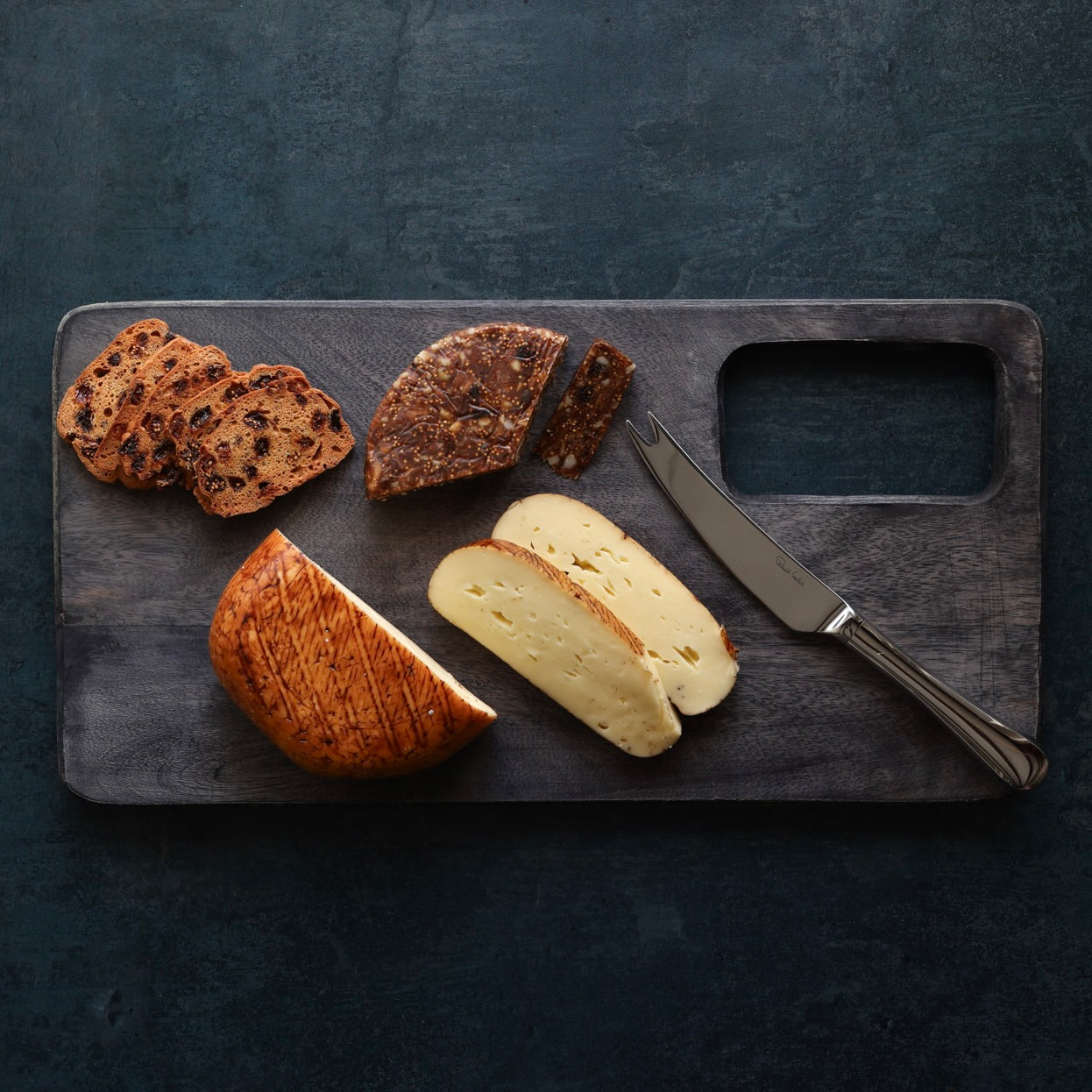
Contrasting pairings add interest. Salty cheese (Manchego, aged Pecorino) pairs beautifully with sweet elements—fig jam, honey, or quince paste. The contrast keeps your palate engaged rather than fatigued.
For charcuterie boards, consider:
-
Cured meats (prosciutto, salami) pair with firm cheeses (Manchego, aged Gouda)
-
Fresh fruits (grapes, apple slices) balance rich, creamy cheeses (Brie, Camembert)
-
Nuts (walnuts, almonds) complement hard, nutty cheeses (Gruyère, Comté)
-
Crusty bread serves as a neutral base for any combination
Our truffle honey works exceptionally well with aged Pecorino or Manchego. The honey's floral sweetness and earthy truffle notes enhance the cheese without overwhelming it.
Understanding Cheese Classifications
|
Classification
|
Moisture Content
|
Aging Duration
|
Texture
|
Common Examples
|
|
Fresh
|
60-80%
|
0-1 week
|
Spreadable, soft
|
Ricotta, fresh mozzarella, chèvre
|
|
Soft-ripened
|
50-60%
|
2-8 weeks
|
Creamy interior, edible rind
|
Brie, Camembert, Baron Bigod
|
|
Semi-soft
|
40-50%
|
1-6 months
|
Pliable, sliceable
|
Taleggio, Fontina, young Gouda
|
|
Hard
|
30-40%
|
6-24 months
|
Firm, gratable
|
Cheddar, Comté, Manchego
|
|
Extra-hard
|
<30%
|
12-36+ months
|
Granular, crumbly
|
Parmigiano-Reggiano, aged Gouda
|
Moisture determines shelf life and usage. Higher moisture content means shorter storage times, but spreadable texturesare ideal for cheese boards. Lower moisture concentrates flavours and extends storage, making these cheeses practical for everyday cooking.
French vs. British Artisan Cheese Traditions
French cheesemaking emphasises terroir—the belief that geography, climate, and local practices create unreplicatable flavors. AOC and AOP designations legally protect this concept. Cheese made outside specified regions cannot use protected names, even if production methods are identical.
British cheesemaking historically focused on preservation. Cheddar developed as a way to store summer milk through the winter months. The cheddaring process—stacking and turning curd slabs—expels whey and creates dense texture. This technique allows British cheeses to age longer without spoilage, hence the tradition of 2-year cheddars, unknown in many cheese cultures.
French soft cheeses rely on specific mould strains. Penicillium candidum creates the white, bloomy rinds on Brie and Camembert. Penicillium roqueforti gives blue cheeses their veining. French affineurs carefully control these moulds during ageing, determining final flavour profiles.
British territorials—Cheshire, Lancashire, Wensleydale—developed distinct regional identities based on local milk and water composition. Hard water in some regions affected curd formation, resulting in crumblier textures. Soft water produced smoother, more elastic cheese. Modern cheesemakers maintain these characteristics despite controlled water sources.
Both traditions now intersect. British cheesemakers experiment with French techniques (hence Baron Bigod, a British-made brie-style cheese). French producers adopt British ageing durations. The best examples of either tradition share common traits: quality milk, skilled making, and patient ageing.
Temperature-Controlled UK Delivery
Cheese degrades rapidly in heat. Proteins denature, fats separate, and beneficial bacteria die. We ship all artisan cheese in insulated packaging designed to maintain 2-8°C throughout transit.
UK next-day delivery covers mainland addresses. Orders placed before 2 pm ship the following business day. Weekday deliveries arrive free for orders over £225. Weekend deliveries available upon request with adjusted shipping fees.
Packaging uses recyclable insulation and gel packs. If your delivery arrives and the cheese feels warm to the touch, contact us immediately. We replace compromised products at no charge.
During summer months (June-August), we monitor ambient temperatures and adjust shipping schedules. Particularly hot weeks may delay dispatch to protect cheese quality. We notify affected customers via email with revised delivery dates.
International shipping beyond the UK is not currently offered. EU regulations post-Brexit complicate cheese export, particularly for raw milk varieties.
Food Safety and Allergen Information
All cheese contains milk. Individuals with dairy allergies should avoid cheese entirely.
Raw milk cheese carries specific considerations. UK regulations permit raw milk cheese production provided milk comes from tested, disease-free herds. Pregnant women, young children, elderly individuals, and immunocompromised persons should avoid raw milk cheese due to potential bacterial risks. These populations should choose pasteurised alternatives.
Our product pages clearly indicate whether cheese is made from raw or pasteurised milk. When in doubt, assume French traditional varieties (Comté, Beaufort, Reblochon) use raw milk unless labelled otherwise.
Cross-contamination with nuts may occur in facilities handling multiple products. Specific allergen warnings appear on individual product pages where applicable.
Store cheese below 8°C to prevent bacterial growth. Discard cheese showing signs of spoilage: off-odours, slimy texture, or excessive mould beyond intended rind development.