Great cooking starts with great ingredients. Oils and vinegars aren't afterthoughts—they're foundational elements that elevate everything from simple salads to complex sauces. FINE & WILD supplies restaurant-grade extra virgin olive oil and balsamic vinegar alongside speciality oils that meet the standards used by professional kitchens. These aren't supermarket staples. They're carefully sourced products where origin, production method, and quality testing make the difference between adequate and exceptional.
When you buy premium olive oil from FINE & WILD, you're accessing the same artisan producers trusted by chefs who understand that finishing oils carry dishes and aged vinegars provide the complexity that turns good food into memorable food. Every bottle is selected for quality markers that matter: acidity levels for olive oil, ageing duration for balsamic, organic certification where applicable, and production transparency throughout.
Understanding Extra Virgin Olive Oil Quality
Not all extra virgin olive oil delivers the same quality. The term "extra virgin" has specific legal definitions in EU regulations, requiring acidity below 0.8% and meeting sensory standards for flavour and aroma. Many oils labelled "extra virgin" meet minimum technical requirements while lacking the flavour intensity and complexity that define truly exceptional olive oil.
Premium extra virgin olive oil comes from specific olive cultivars grown in distinct regions, harvested at optimal ripeness, and cold-pressed within hours of picking. The result is oil with pronounced fruitiness, balanced bitterness, and peppery finish—characteristics largely absent in mass-produced alternatives. When you buy extra virgin olive oil uk from artisan producers, you're investing in oils where harvest date matters, single-estate sourcing is standard, and flavour profiles reflect terroir rather than industrial blending.
Acidity levels tell part of the quality story. Extra virgin designation requires ≤0.8% acidity, but premium oils typically measure 0.2-0.4%. Lower acidity indicates gentler processing and fresher olives. Storage matters equally—exposure to light and heat degrades oil rapidly. Quality producers use dark glass bottles and provide harvest dates so you know exactly when olives were pressed.
Balsamic Vinegar of Modena
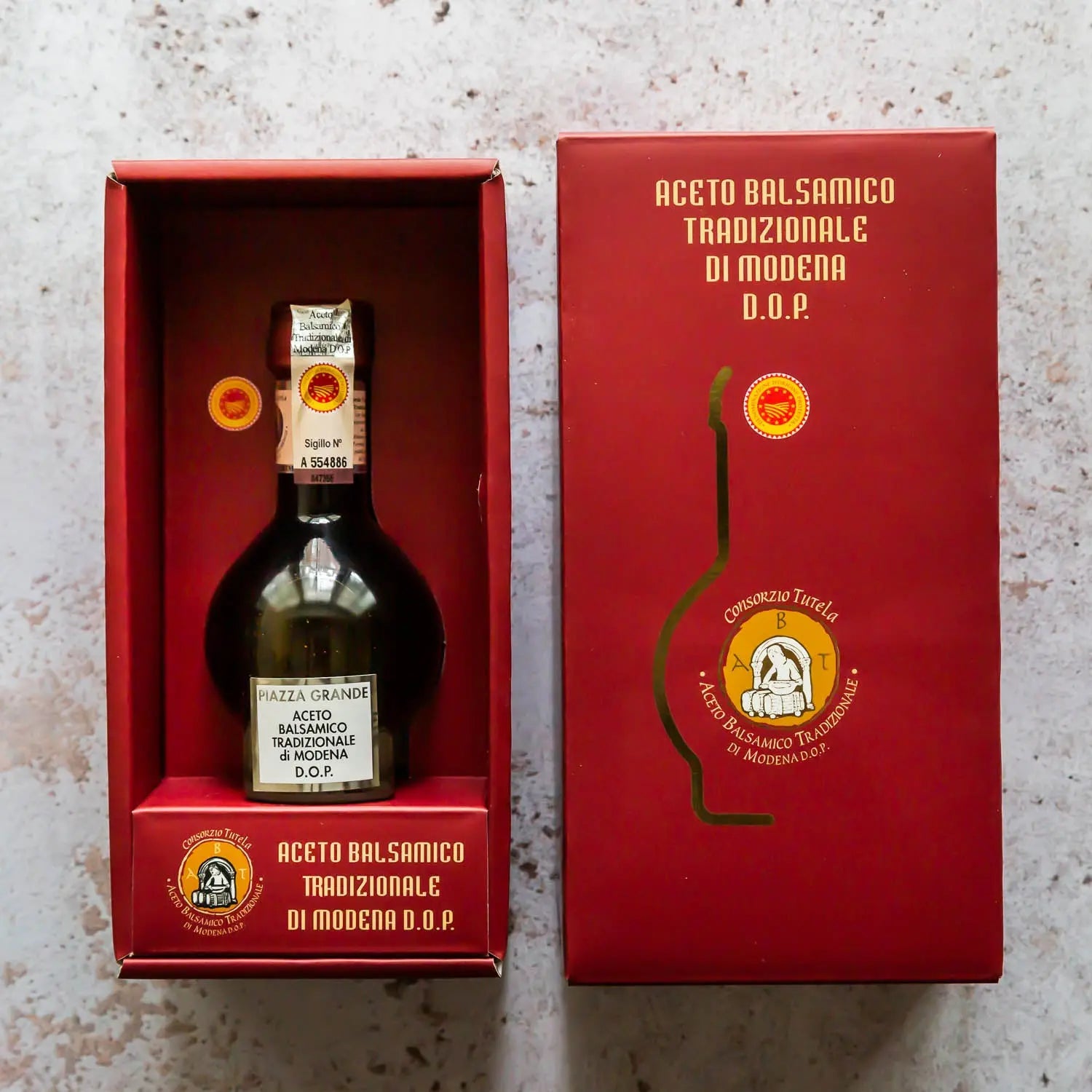
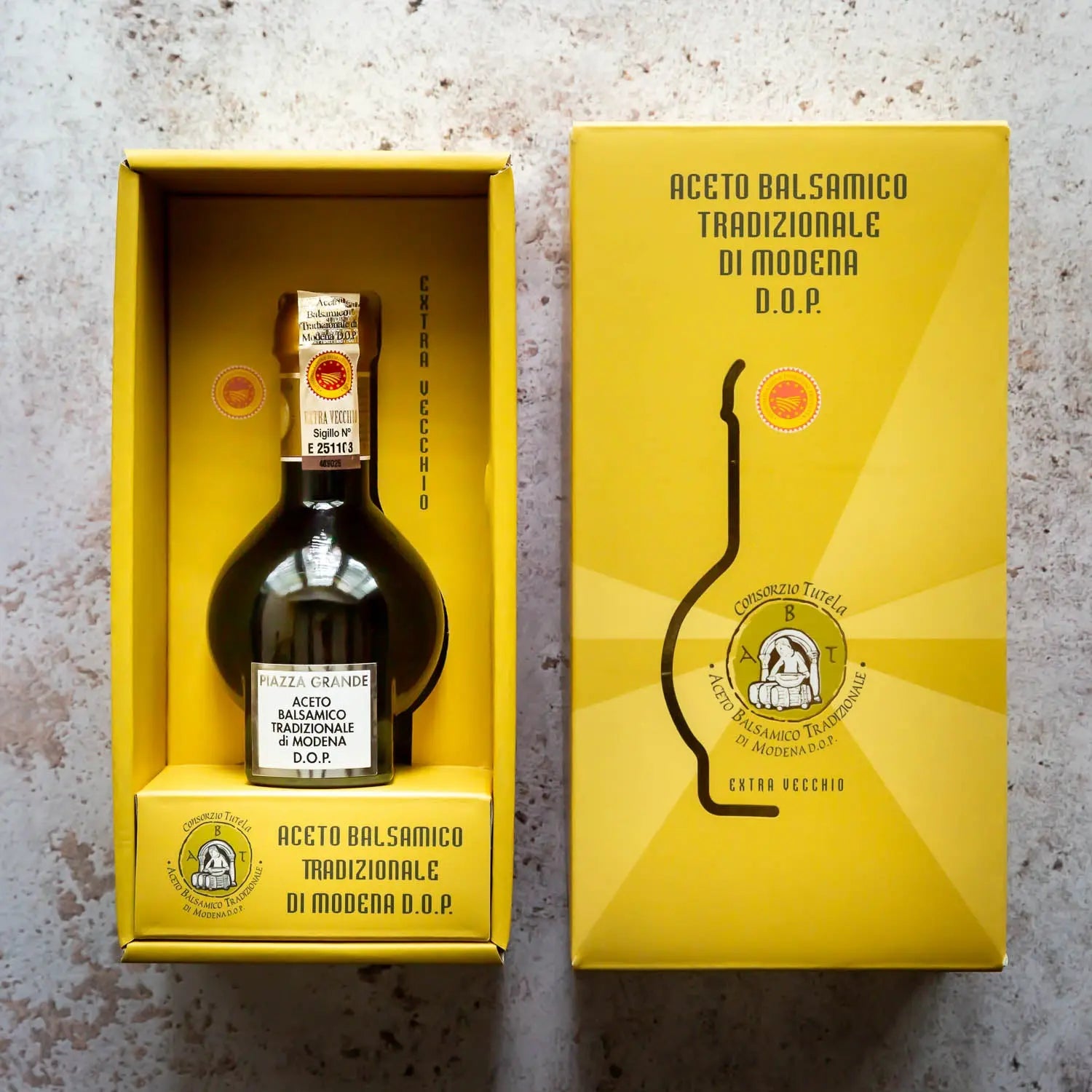
Balsamic Vinegar of Modena is one of Italy's most protected food products — a PGI (Protected Geographical Indication) designation covering vinegars produced in the Modena and Reggio Emilia provinces from specific grape varieties, aged in wooden barrels. Within that designation sits a spectrum that runs from young, everyday condiments through to DOP tradizionale aged for 12 or 25 years — products that bear almost no resemblance to one another beyond the name.
The ageing process transforms simple grape must into complex, syrupy vinegar with layered sweetness and acidity. Authentic aged balsamic vinegar carries DOP (Denominazione di Origine Protetta) designation, guaranteeing traditional production methods and minimum ageing periods—12 years for tradizionale, often 25+ years for the finest expressions. These aged vinegars bear little resemblance to supermarket "balsamic condiment," which typically contains wine vinegar, cooked must, and caramel colouring rather than an authentic barrel-aged product.
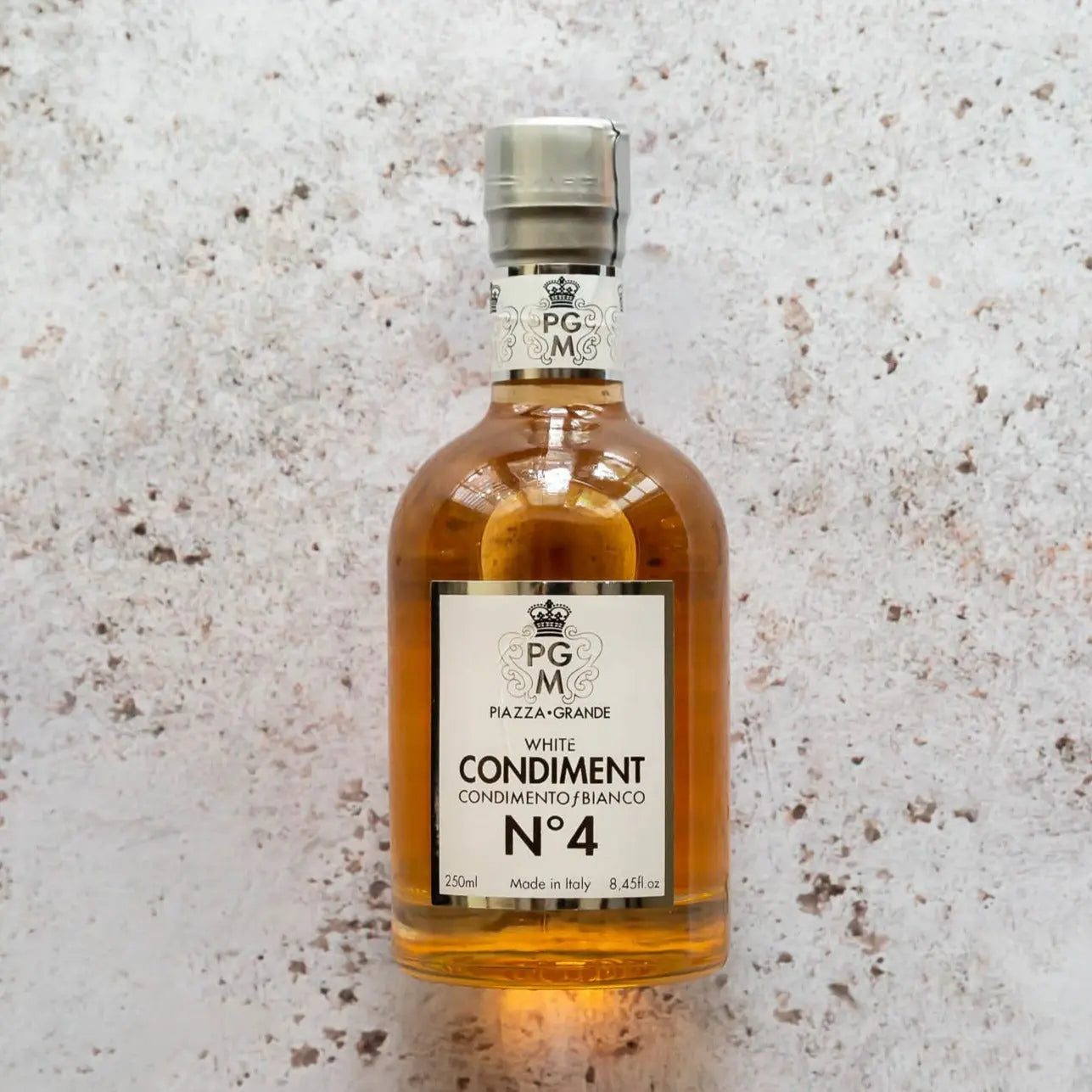
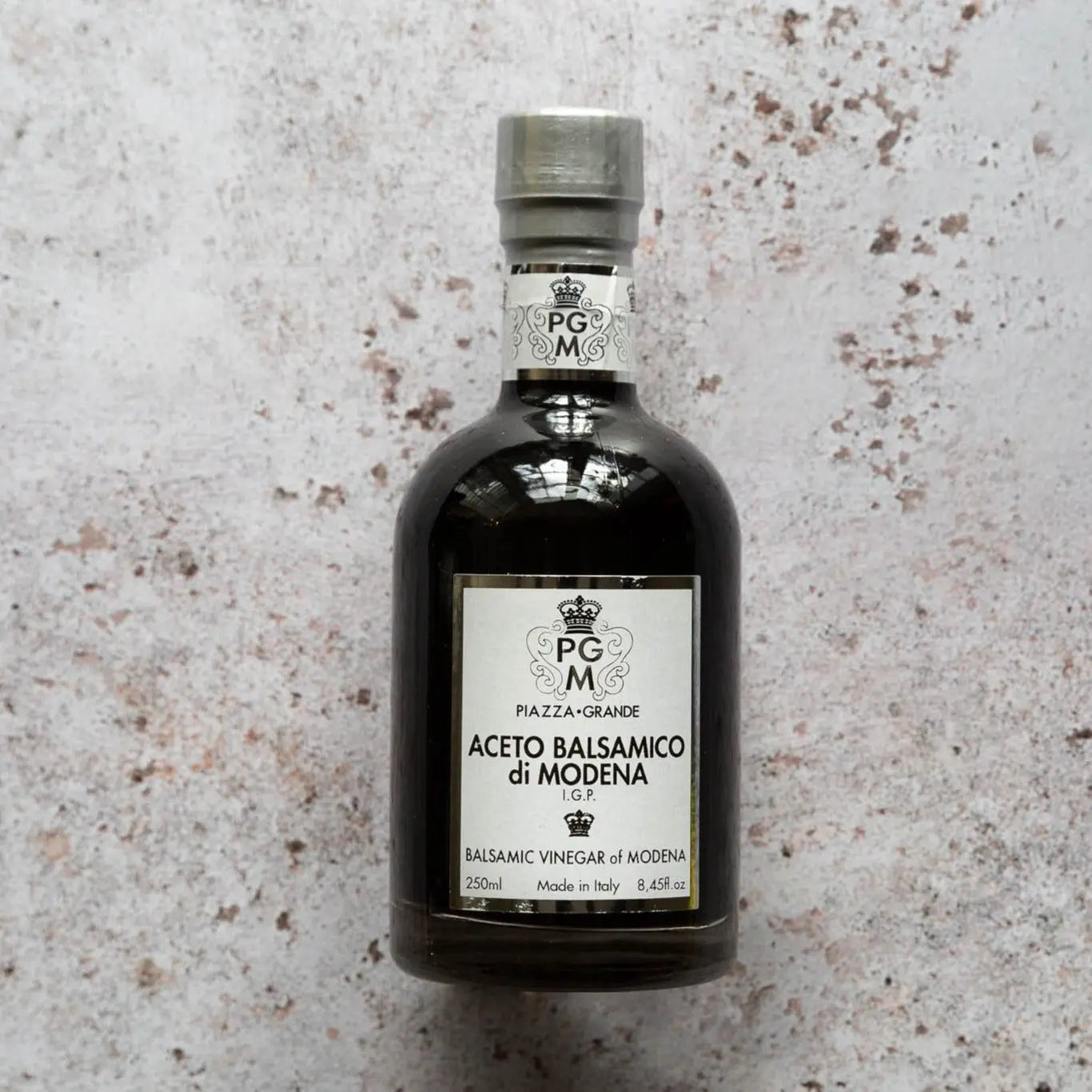
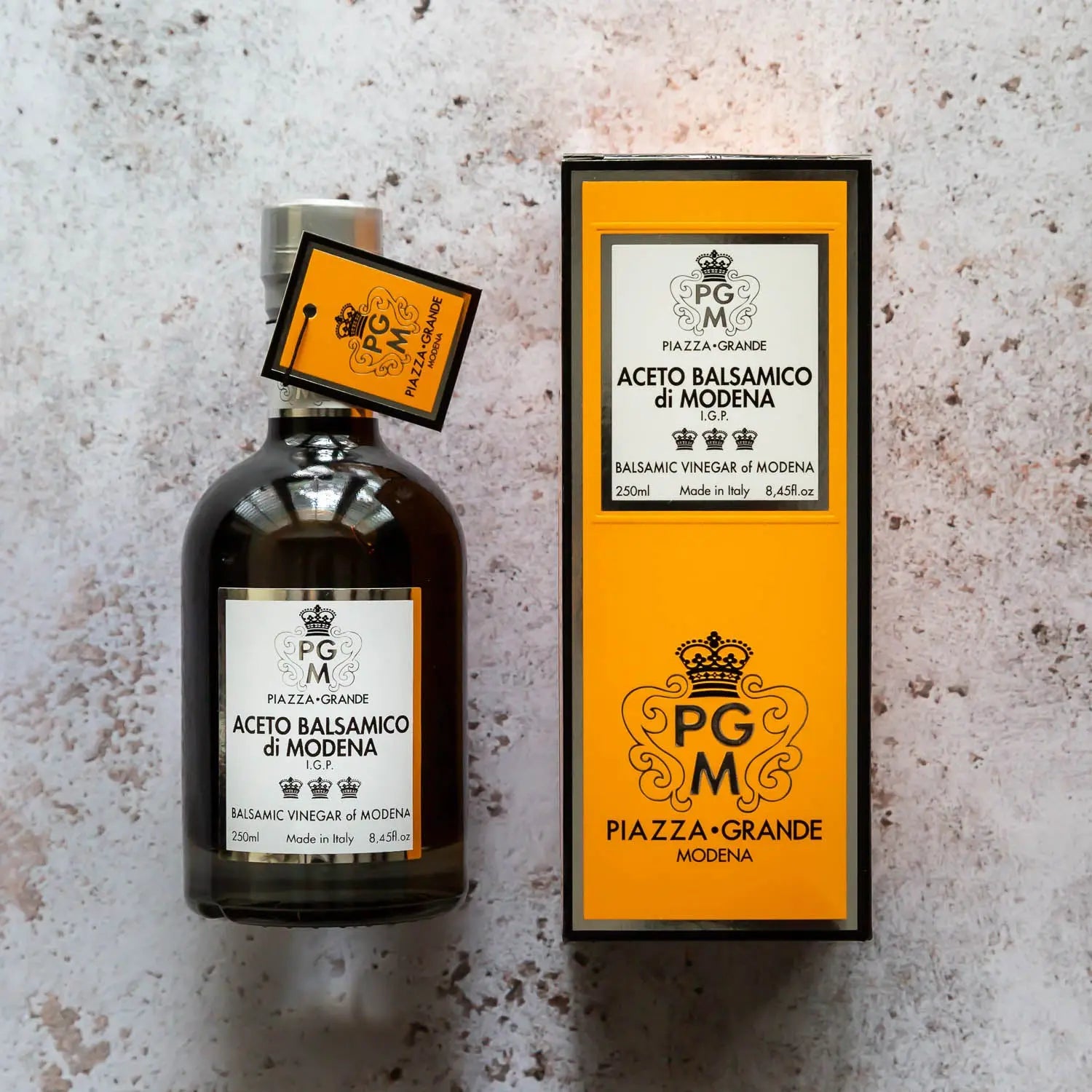
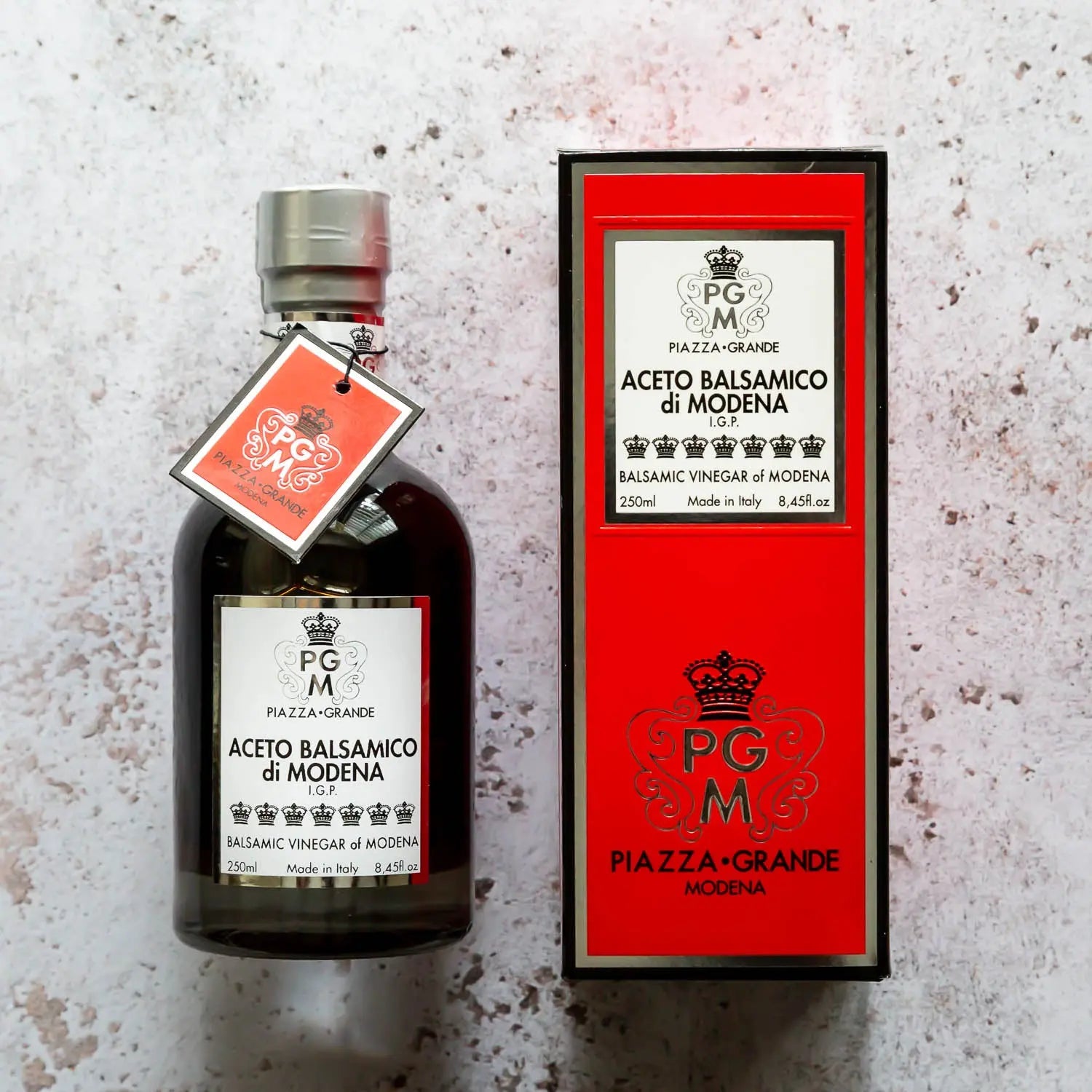
When you see aged vinegars referenced in culinary contexts, it usually means traditionally produced balsamic that has spent years developing complexity through barrel ageing. Young balsamic works for everyday cooking — dressings, marinades, glazes. The PGM range stocked here runs from a 1-crown condiment through to DOP tradizionale aged 12 and 25 years, each a meaningfully different product suited to different applications. Aged balsamic (12-25+ years) becomes a finishing condiment, drizzled over Parmigiano-Reggiano, fresh strawberries, or grilled meats where its concentrated sweetness and complexity shine.
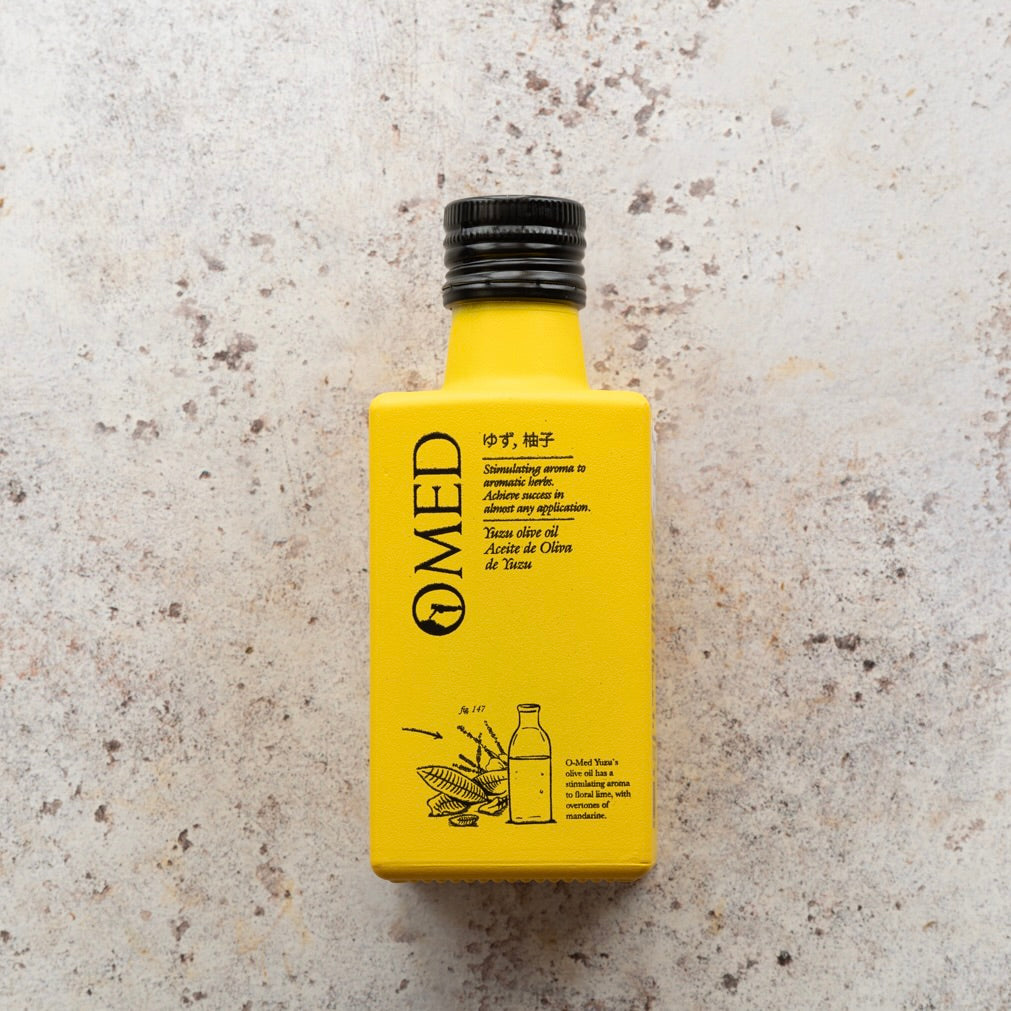
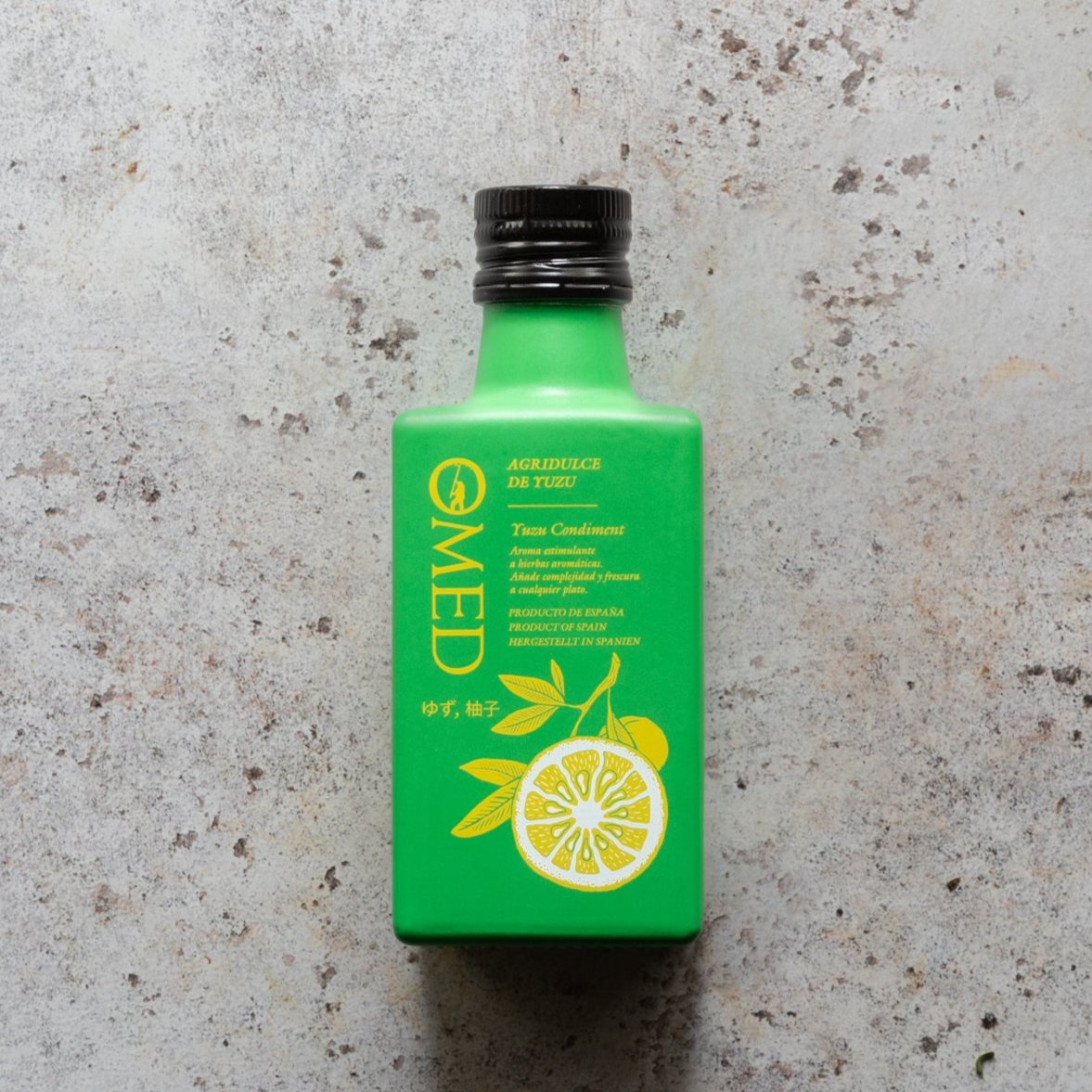
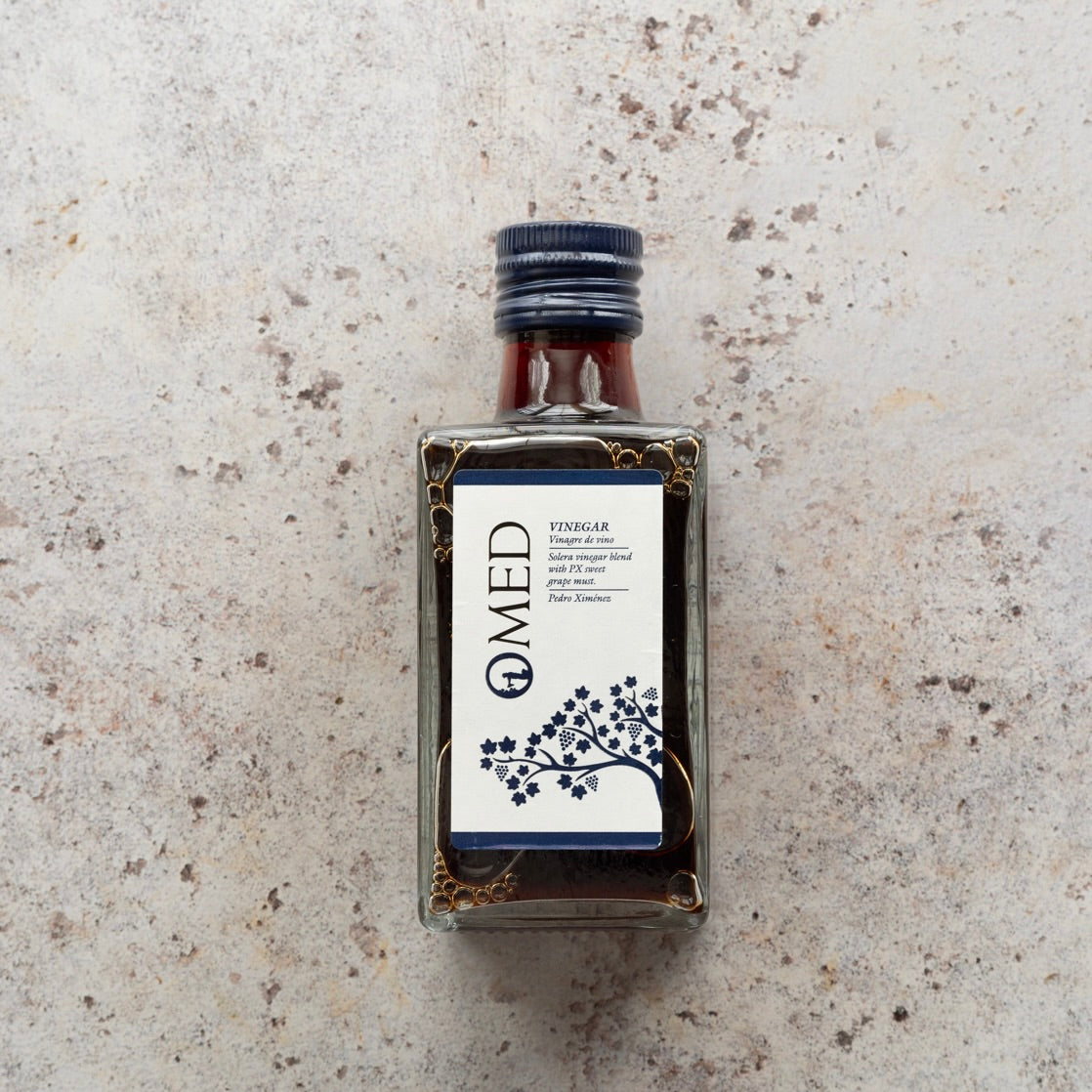
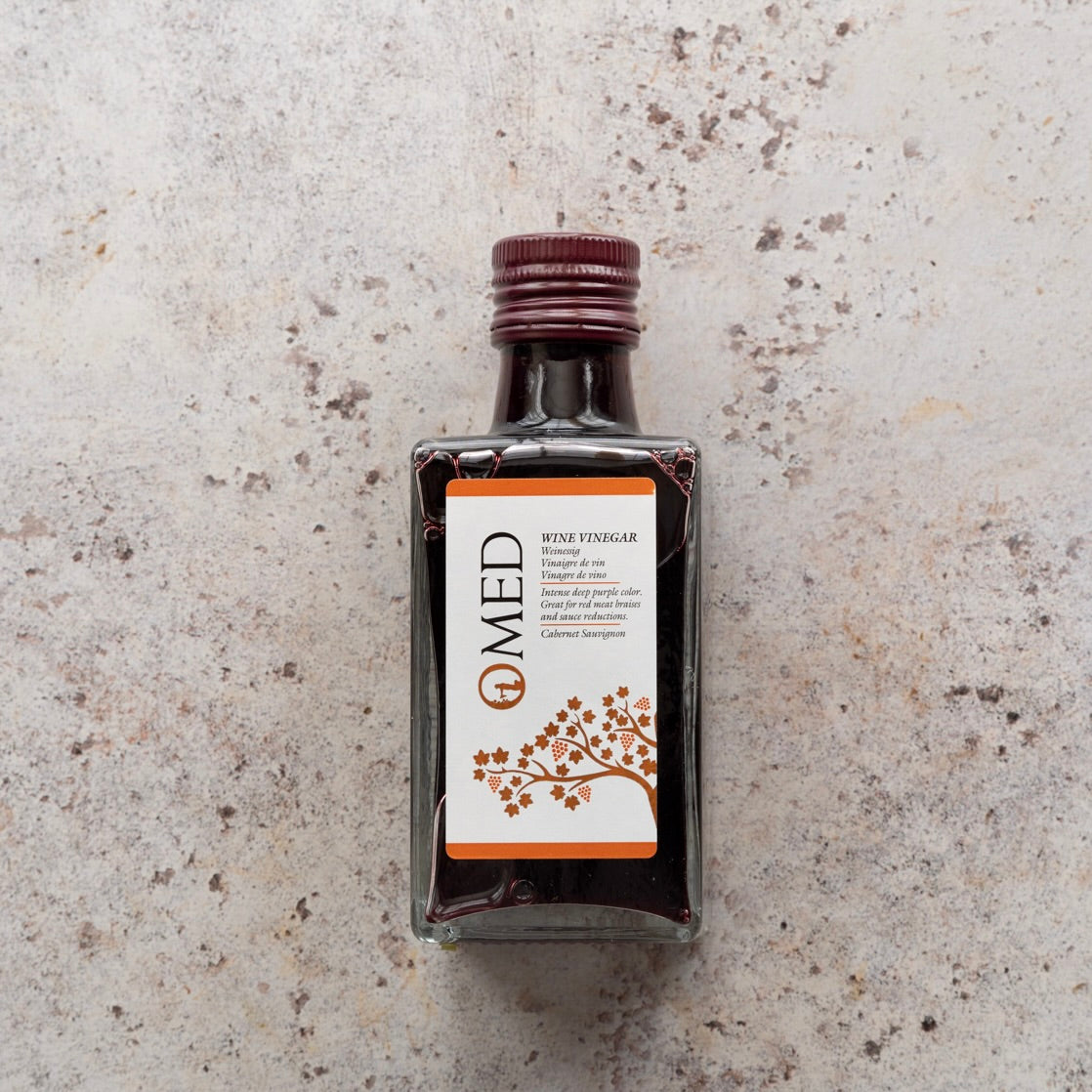
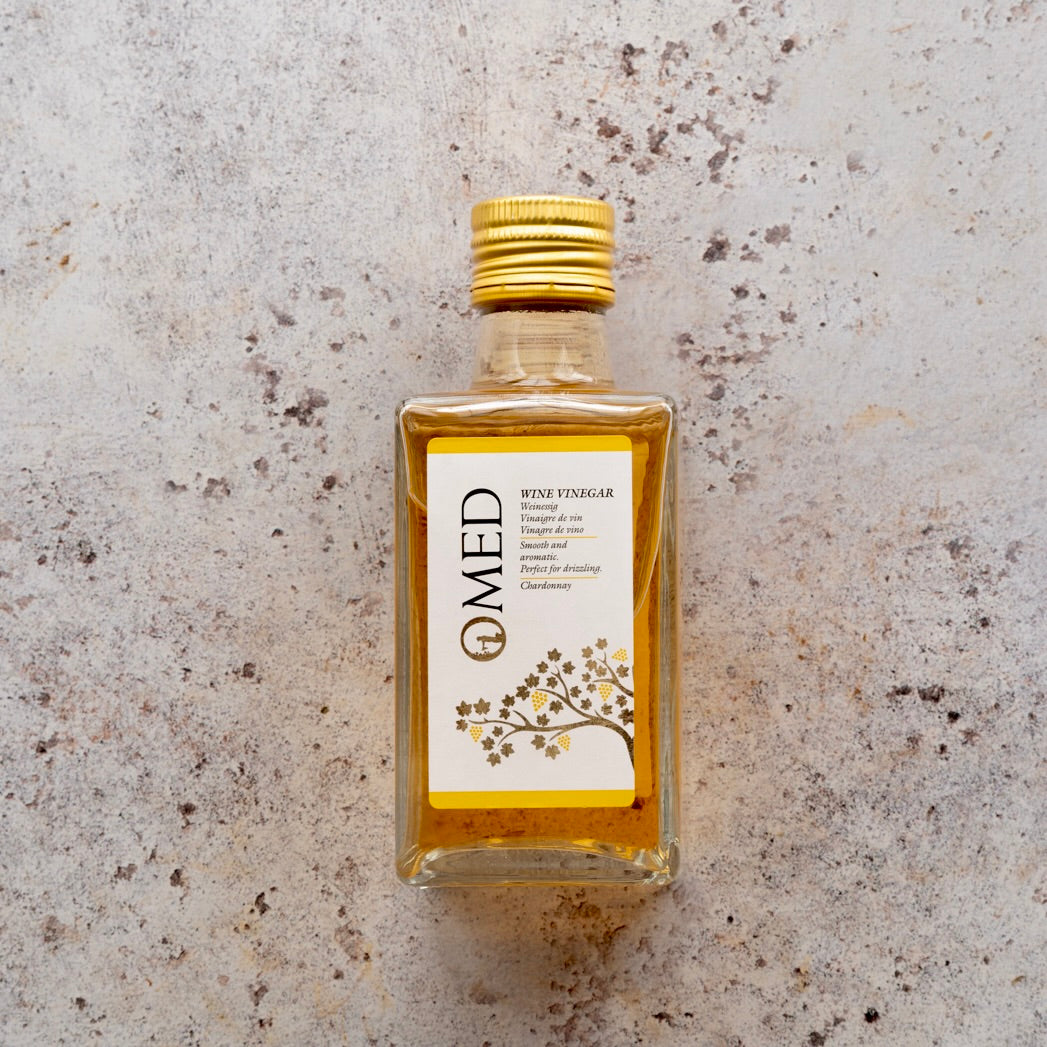
Alongside balsamic, the collection includes a small selection of OMED wine and fruit vinegars from Andalusia — a Chardonnay, a Cabernet Sauvignon, a Pedro Ximénez, and a yuzu condiment. These are single-variety vinegars made from the same grape or fruit they're named after, with noticeably cleaner, more defined flavour profiles than generic wine vinegar. The Pedro Ximénez in particular has a natural sweetness from the grape that makes it useful anywhere you might reach for a young balsamic. They're versatile, understated pantry additions rather than statement products.
Artisan Olive Oil and Speciality Producers
Artisan olive oil suppliers differentiate themselves through producer relationships and quality verification that mass-market brands skip. Artisanal olive oil comes from specific estates where olive variety, harvest timing, and pressing methods are chosen for flavour rather than cost efficiency. These producers typically hand-harvest olives at precise ripeness stages, press within 24 hours, and maintain temperatures below 27°C during extraction to preserve delicate flavour compounds.
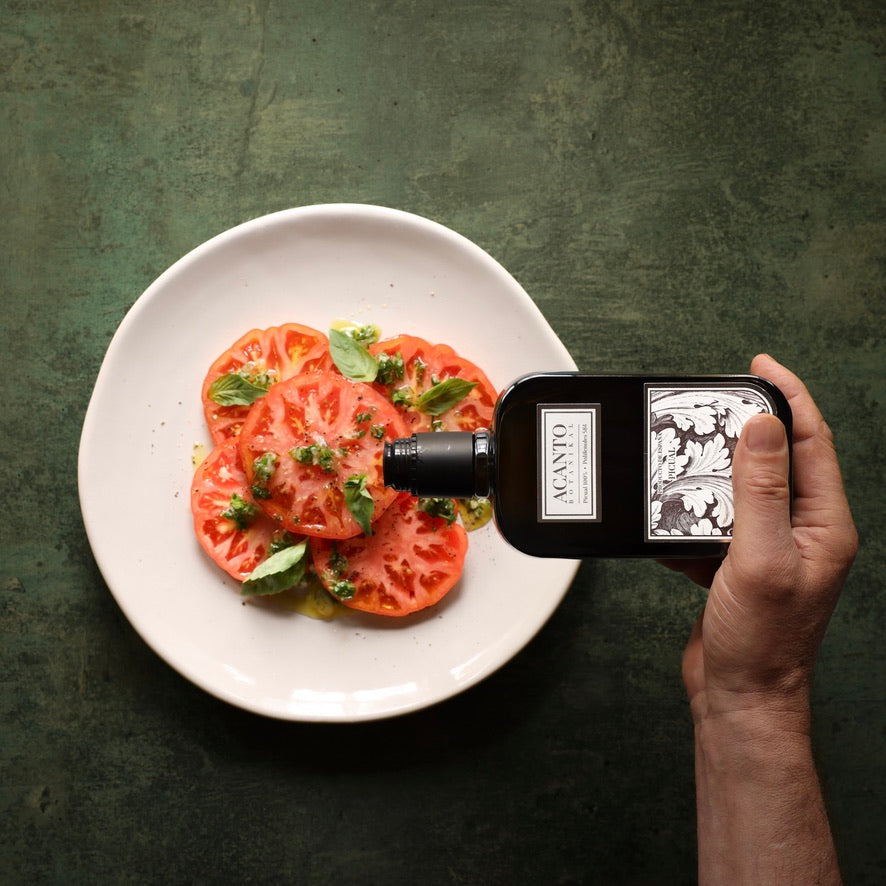
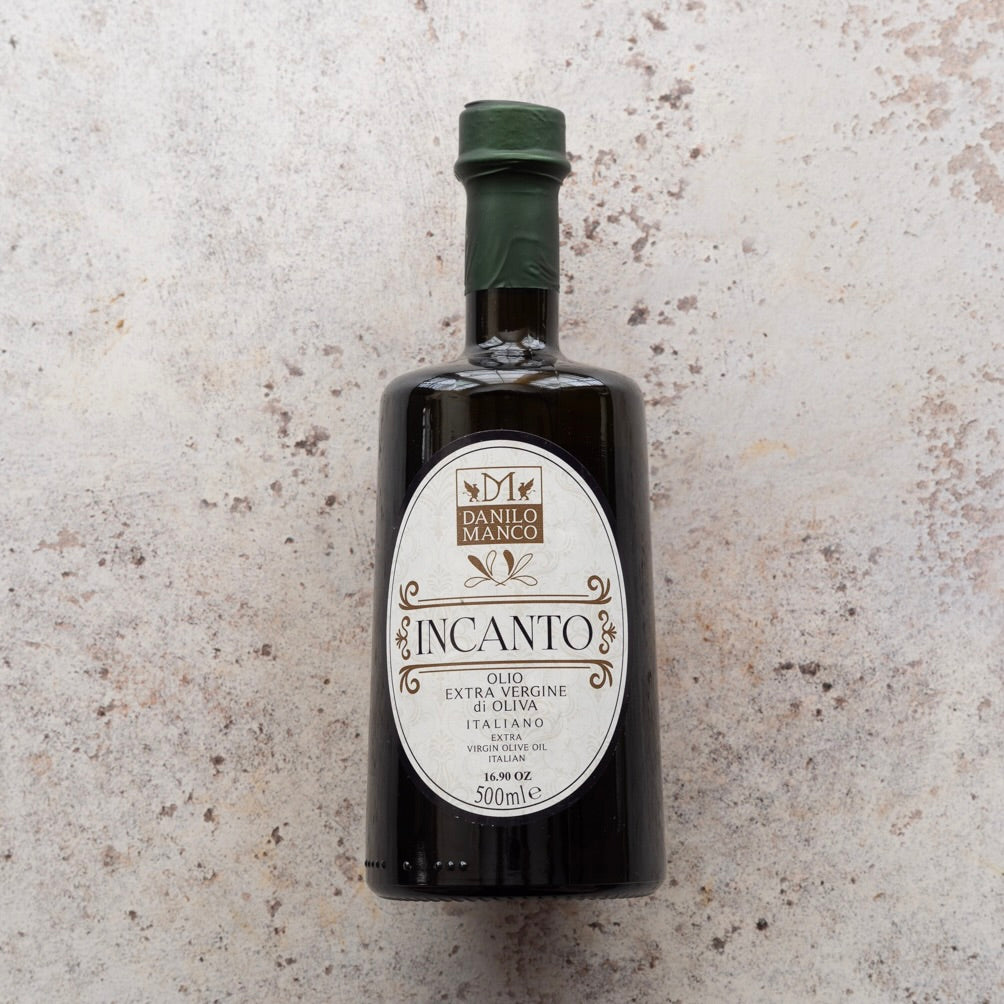
Single-estate olive oils showcase regional characteristics. Italian oils from Sicily — such as Incanto, produced from Biancolilla olives in the heart of the island — tend toward delicate, fruity profiles with freshly cut grass notes and a lighter body. Spanish oils vary considerably by cultivar: Acanto's Picual, grown in Andalusia, produces a robust, peppery oil with high polyphenol content, while their Hojiblanca is softer and more rounded. Arbequina — the variety behind OMED's extra virgin olive oil — is typically buttery and mild with a delicate fruitiness. Understanding these regional and varietal profiles helps match oils to specific culinary applications rather than treating all extra virgin olive oil as interchangeable.
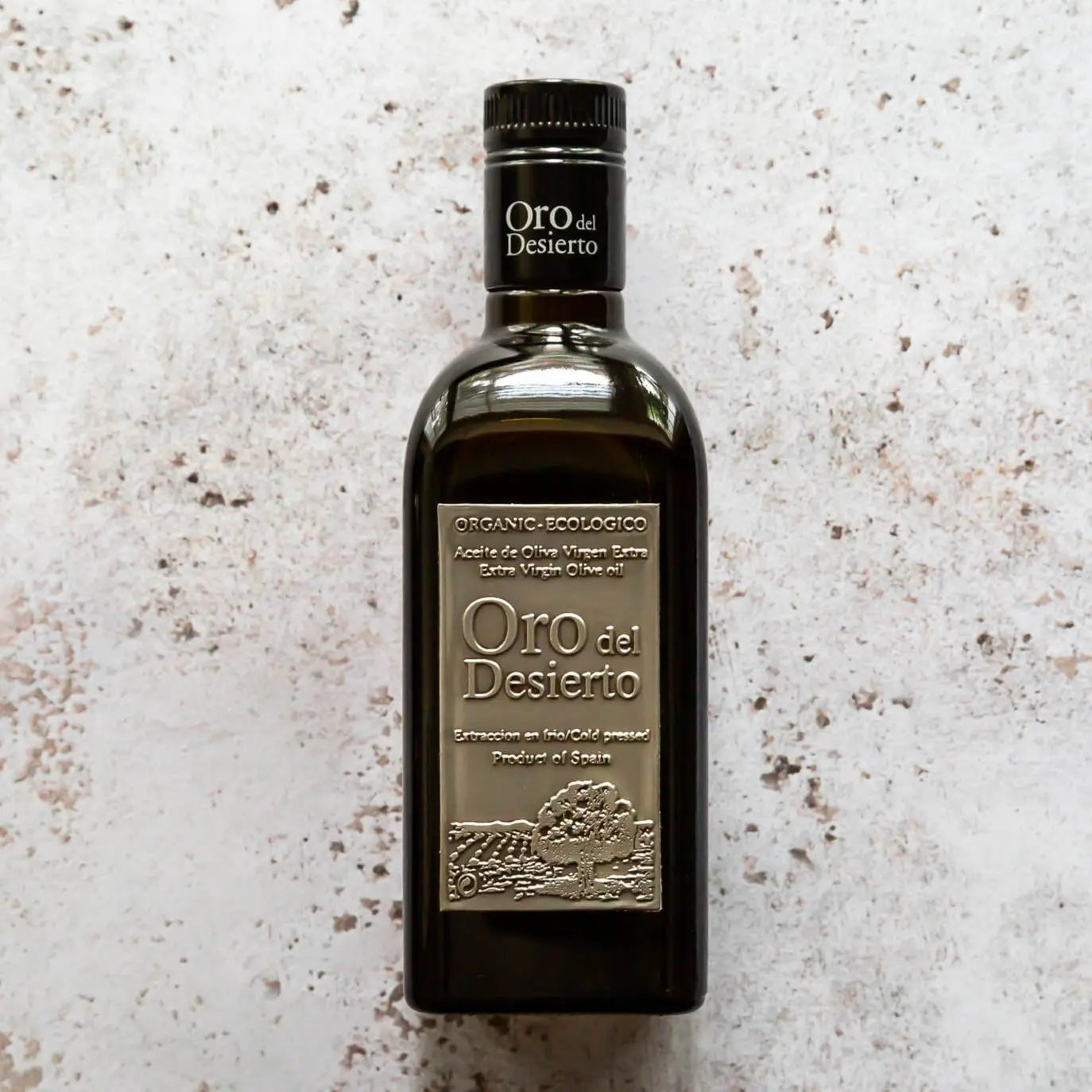
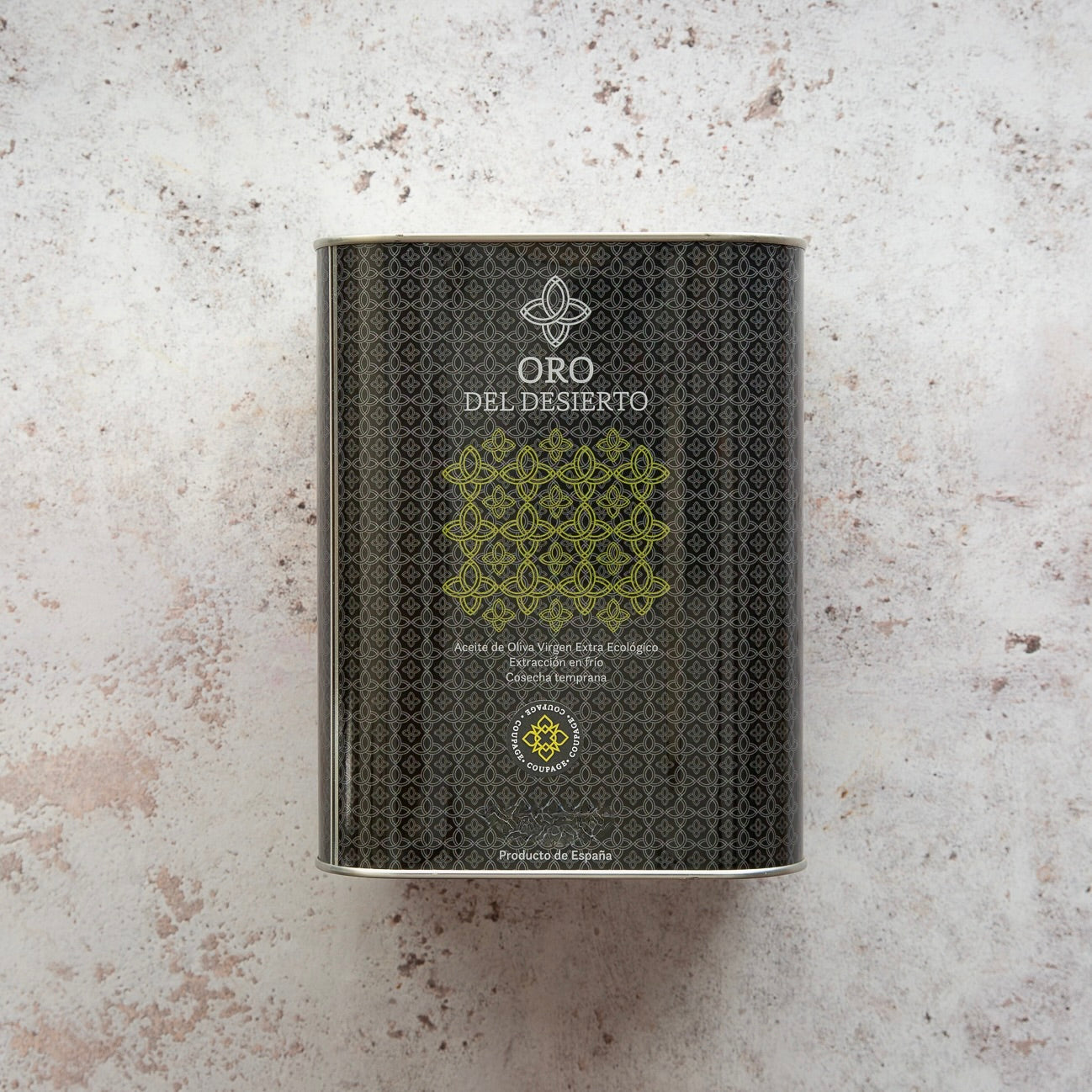
Organic certification adds another quality dimension. Organic extra virgin olive oil requires pesticide-free cultivation and verified production methods. Oro del Desierto, one of Spain's most decorated organic olive oil producers, holds organic certification across its entire range — available here in both 500ml bottle and 1L tin. Not all premium oils carry organic certification — many small producers follow sustainable practices without formal certification — but when present, it signals additional verification.
Artisan oils and vinegars often come from producers who maintain traditional methods because they believe flavour quality justifies the extra effort. These aren't romantic stories without substance. Cold-pressing produces more flavourful oil than heat extraction. Traditional barrel ageing creates complexity that accelerated methods cannot replicate. When you buy premium olive oil from suppliers focused on artisan production, you're accessing products where every choice prioritises flavour over efficiency.
Infused and Flavoured Oils: Why Production Method Matters
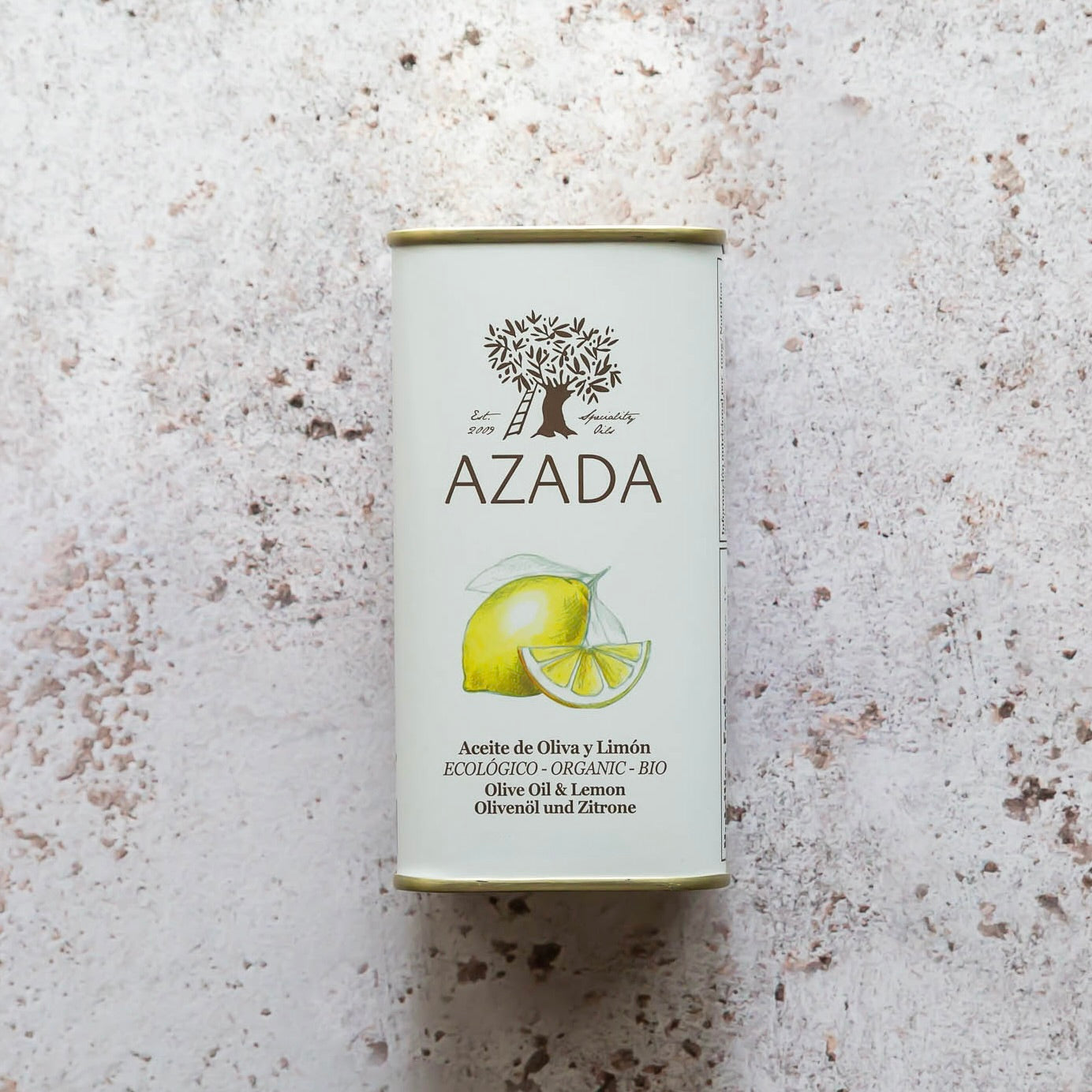
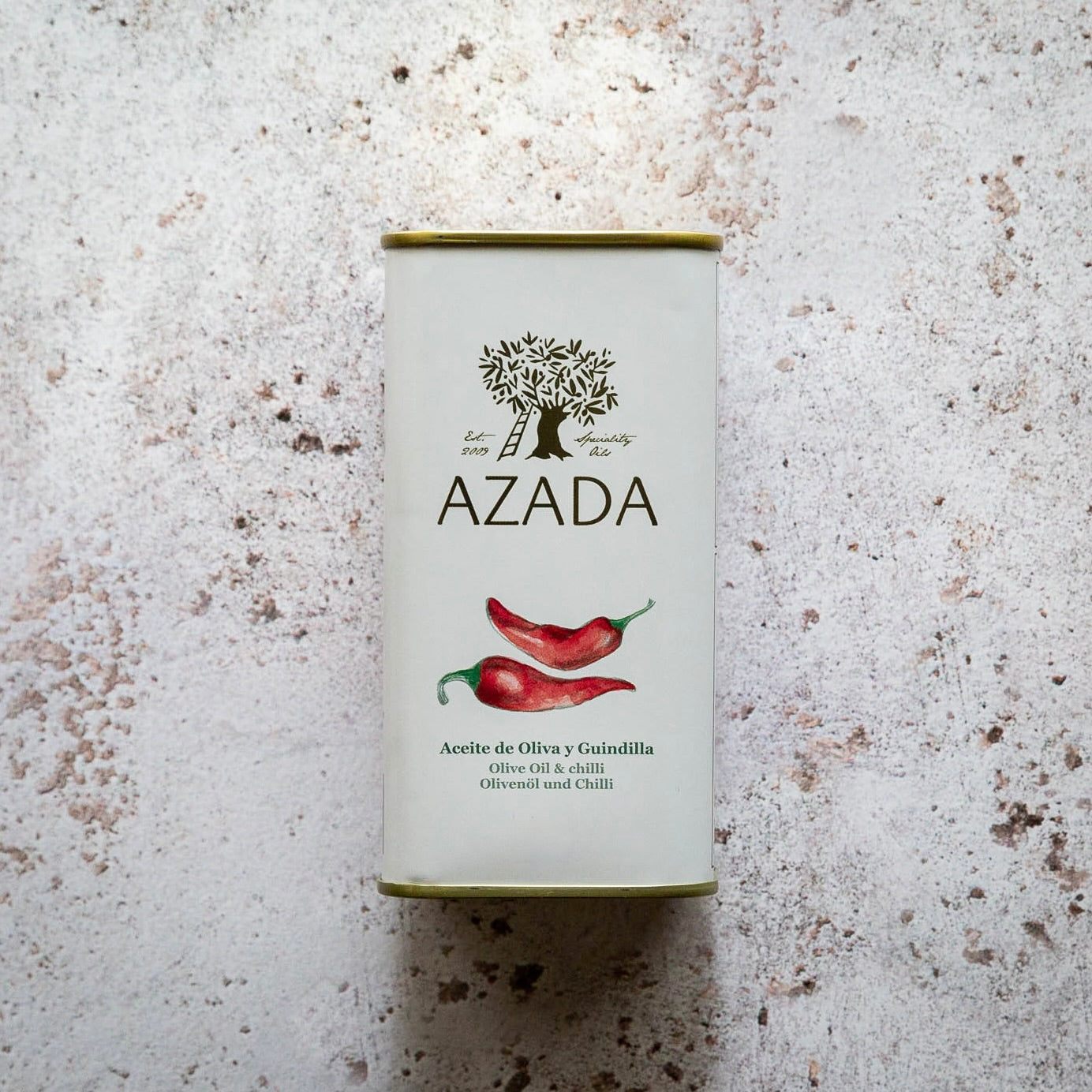
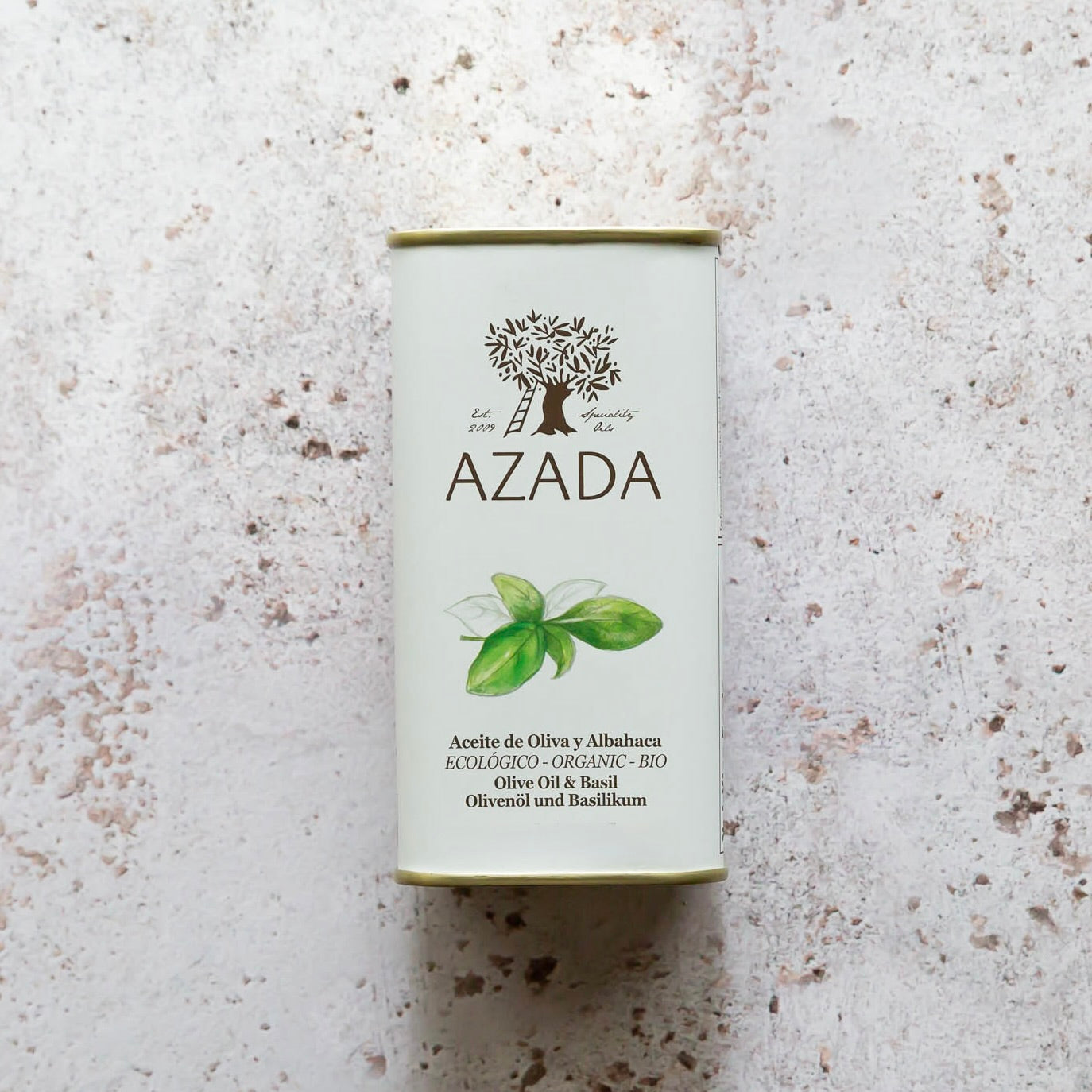
There are three ways to make a flavoured olive oil, and the method makes a significant difference to the result. The most common is extract flavouring — a concentrated flavouring agent added to a finished oil, a shortcut that produces sharp, one-dimensional results. Better producers use infusion, steeping fresh ingredients in oil over time for a more natural outcome. The gold standard is co-pressing, where the olives and flavouring ingredient are milled together simultaneously. Because extraction happens at the same time, the flavour compounds bind at the point of pressing rather than being added afterwards — producing an oil where the flavour is genuinely part of the oil, not applied to it.
Azada uses this method for both their chilli and lemon oils — organic Arbequina olives pressed together with fresh chilli peppers or lemon at the mill, nothing added afterwards. OMED does the same with their yuzu EVOO, pressing Arbequina olives with yuzu peel. Both are finishing oils, best used raw where their character can be appreciated rather than cooked off.
Cooking Oil vs. Finishing Oil: When to Use Each
Premium oils serve different purposes depending on their flavour intensity and smoke points. Robust extra virgin olive oil works excellently for sautéing vegetables, pan-frying proteins, and roasting—applications where high heat doesn't exceed its smoke point (typically 190-210°C for quality EVOO) and where olive flavour enhances the dish.
Delicate, high-end oils function as finishing oils—drizzled over completed dishes where heat won't diminish their subtle flavours. A £30 single-estate oil loses its nuanced character when used for high-heat cooking. Save these for dressing salads, finishing soups, or drizzling over grilled fish where their complexity shines through. When you buy extra virgin olive oil for finishing applications, prioritise flavour intensity over volume—a little goes a long way.
The same principle applies to balsamic vinegar. Young balsamic (or balsamic condiment) handles cooking applications: deglazing pans, making marinades, and roasting vegetables. Aged vinegars should never be cooked. Heat destroys the complexity developed through years of barrel ageing. Use aged balsamic as you would fine wine—appreciating it raw where its character remains intact.
For everyday cooking that requires neutral oils with high smoke points, olive oil isn't always optimal. Avocado oil (smoke point ~270°C) or refined oils handle intense heat better. Reserve your artisan olive oil for applications where its flavour contributes to the finished dish rather than burning off during cooking.
Storage and Shelf Life for Premium Oils and Vinegars
Quality oils degrade when exposed to light, heat, and oxygen. Store extra virgin olive oil in cool, dark conditions—ideally 14-18°C, away from stoves and windows. Dark glass bottles protect contents better than clear containers. Once opened, use within 3-4 months for optimal flavour. While rancid oil won't make you ill, it tastes unpleasant and loses health-promoting compounds.
Harvest date matters more than "best by" dates for judging freshness. Premium olive oil should be consumed within 18 months of pressing for the best flavour. Look for bottles indicating harvest date rather than generic "best by" labels. Northern hemisphere harvests typically occur October-December; southern hemisphere harvests happen May-July. Buy accordingly based on harvest timing.
Balsamic vinegar, being acidic, stores more forgivingly than oil. Properly aged balsamic keeps indefinitely when sealed. Once opened, store in cool conditions away from direct sunlight. The vinegar won't spoil, but prolonged exposure to air can dull flavour complexity. For an everyday balsamic condiment, storage is less critical. For expensive traditional balsamic, treat it like fine wine—careful storage preserves your investment.
Pairing Oils and Vinegars with Food
Matching oil and vinegar intensity to dish components creates balance. Delicate fish benefits from mild, fruity olive oil and light vinegars. Robust meats handle assertive, peppery oils and aged balsamic. Salad pairings follow similar logic: peppery greens (rocket, watercress) pair well with robust oils, while butter lettuce calls for gentler options.
Classic Italian pairing places extra virgin olive oil and balsamic vinegar together with crusty bread—good oil's peppery bite complemented by balsamic's sweet acidity. This combination also works drizzled over fresh mozzarella with tomatoes, where quality ingredients speak for themselves without elaborate preparation. When assembling these pairings, remember that premium ingredients need minimal intervention. Simple preparations showcase quality better than complex recipes that mask subtle flavours.
For cheese pairings, aged balsamic works beautifully with Parmigiano-Reggiano—the vinegar's sweetness balances the cheese's salty umami. Mild fresh cheeses (mozzarella, ricotta) pair better with fruity olive oils drizzled simply over the top. Hard, aged cheeses can handle more robust oils with pronounced bitterness and pepper notes.
Why Premium Oils and Vinegars Cost More
Price differences between supermarket and artisan products reflect genuine production distinctions. Mass-produced olive oil often blends oils from multiple countries, uses heat extraction for efficiency, and may include lower-grade oils legally permitted under the "extra virgin" designation. Industrial balsamic condiment skips traditional barrel ageing entirely, using caramel colour and thickeners to approximate aged vinegar's appearance.
Premium olive oil comes from specific harvests where producers control every variable: olive variety, harvest timing, pressing speed, and storage conditions. These factors create production costs that simple blended oils avoid. When you buy premium olive oil, you're paying for verifiable quality markers: low acidity, harvest date transparency, single-estate sourcing, flavour testing, and careful storage from grove to bottle.
Similarly, aged balsamic vinegar requires years of barrel ageing where producers hold inventory rather than selling immediately. A 25-year tradizionale means the producer invested a quarter-century in that bottle before any return on investment. The price reflects both the time investment and the concentrated flavour that results from evaporation and ageing.
For home cooks questioning whether premium products justify their cost, consider usage patterns. A £25 finishing oil used sparingly lasts months and transforms simple preparations into restaurant-quality dishes. That same £25 spent on one restaurant meal disappears in an evening. Quality pantry staples provide better value than their per-bottle cost suggests.
Why Choose FINE & WILD for Oils and Vinegars
Since 2015, FINE & WILD has specialised in restaurant-grade ingredients for home kitchens. Our oils and vinegars meet the same standards we apply to fresh truffles, Japanese Wagyu, and luxury seafood — selected through direct relationships with producers who prioritise quality over volume, and verified at multiple points before they reach you.
Every product arrives with origin documentation showing where it was produced, when it was bottled, and relevant certifications. Provenance isn't a marketing claim here — it's a verifiable fact. When something doesn't meet our standards, it doesn't ship.
FINE & WILD offers UK-wide next-day delivery with orders before 2pm arriving the following day. Oils are temperature-sensitive, and we pack and ship accordingly. The oils and vinegars we supply aren't necessarily the most expensive available — they're the best combination of quality, value, and reliability we've found. Our job is to identify which products justify their premium and which don't, so you don't have to.