


Butchery

Frequently asked questions
-
What is dry aged beef and why does it taste different?
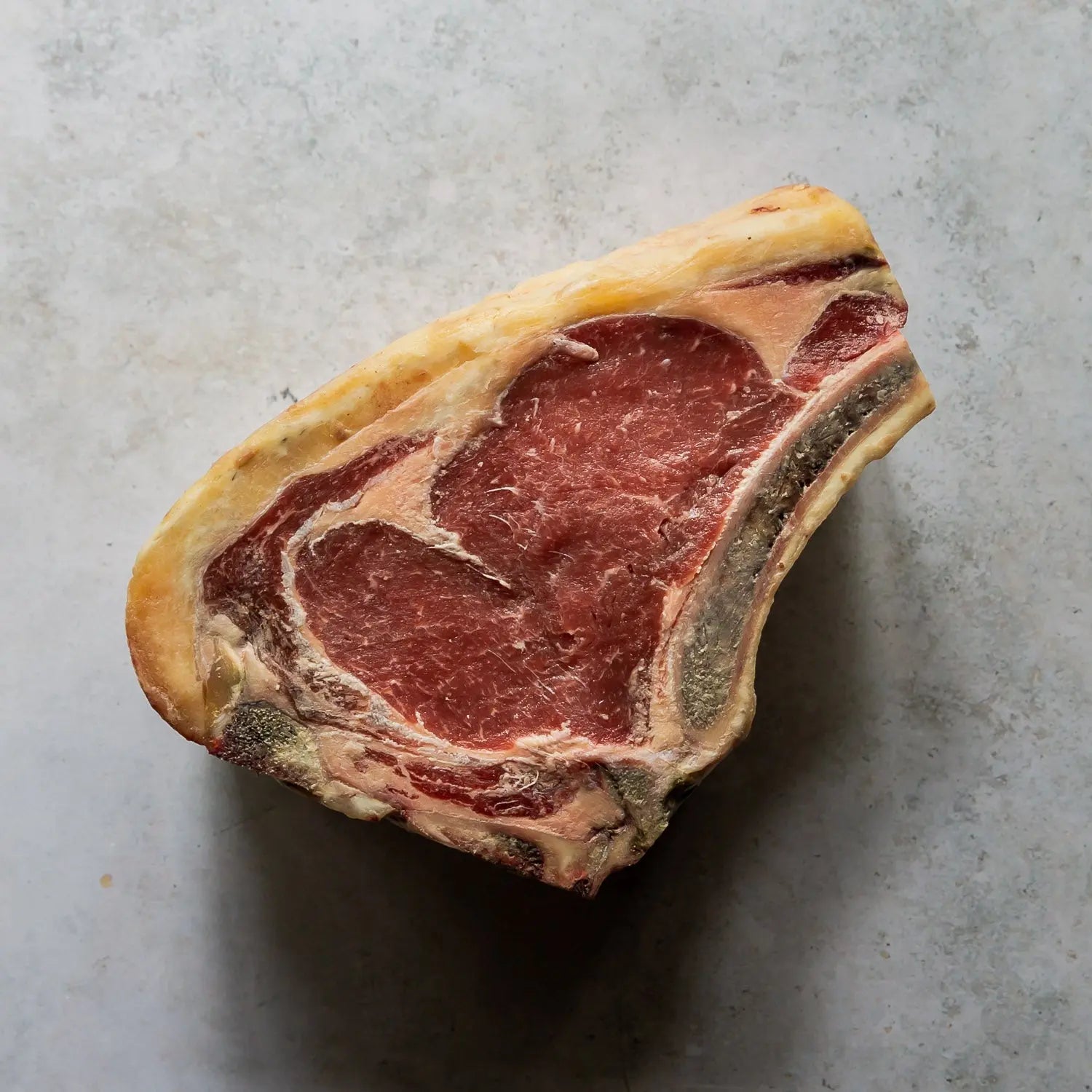
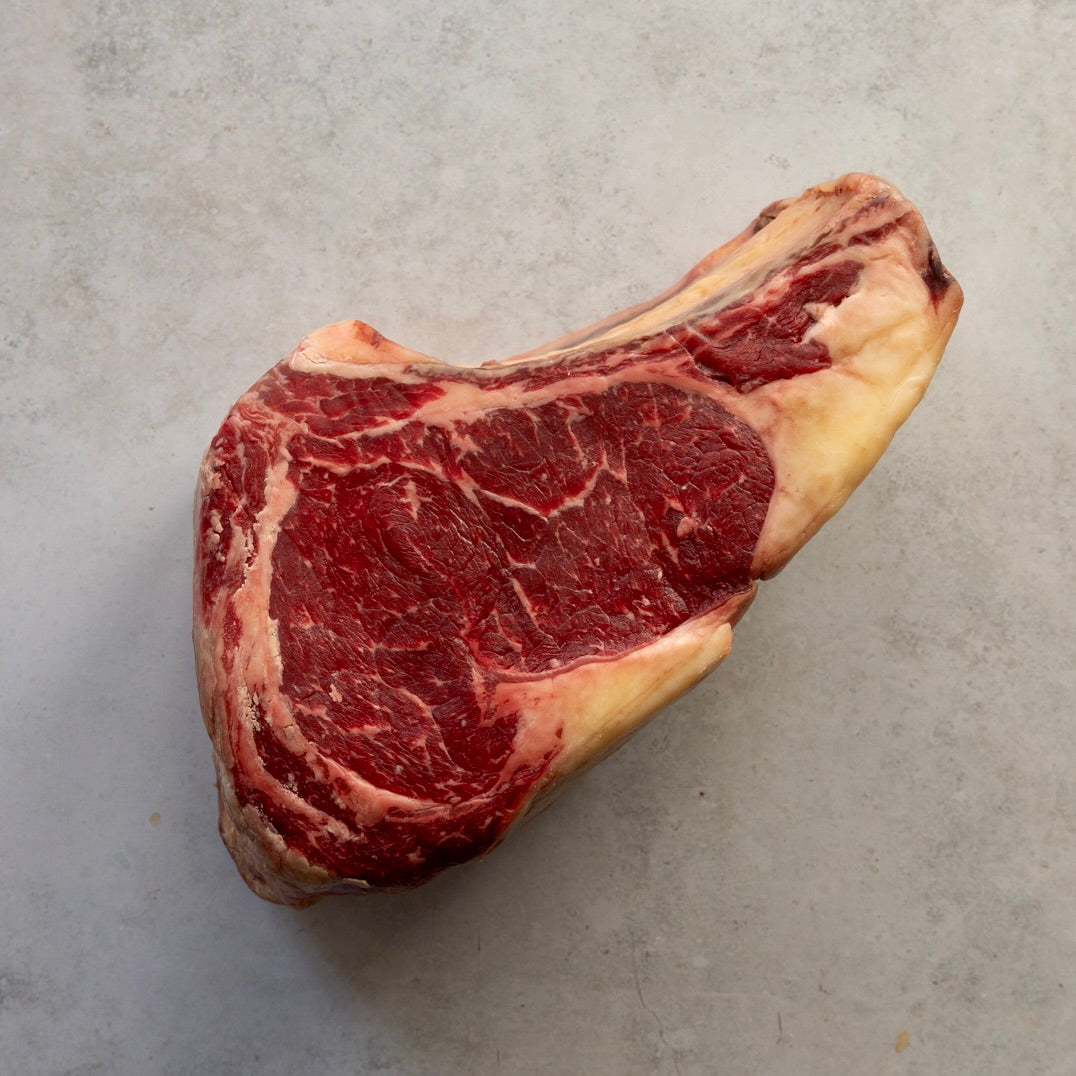
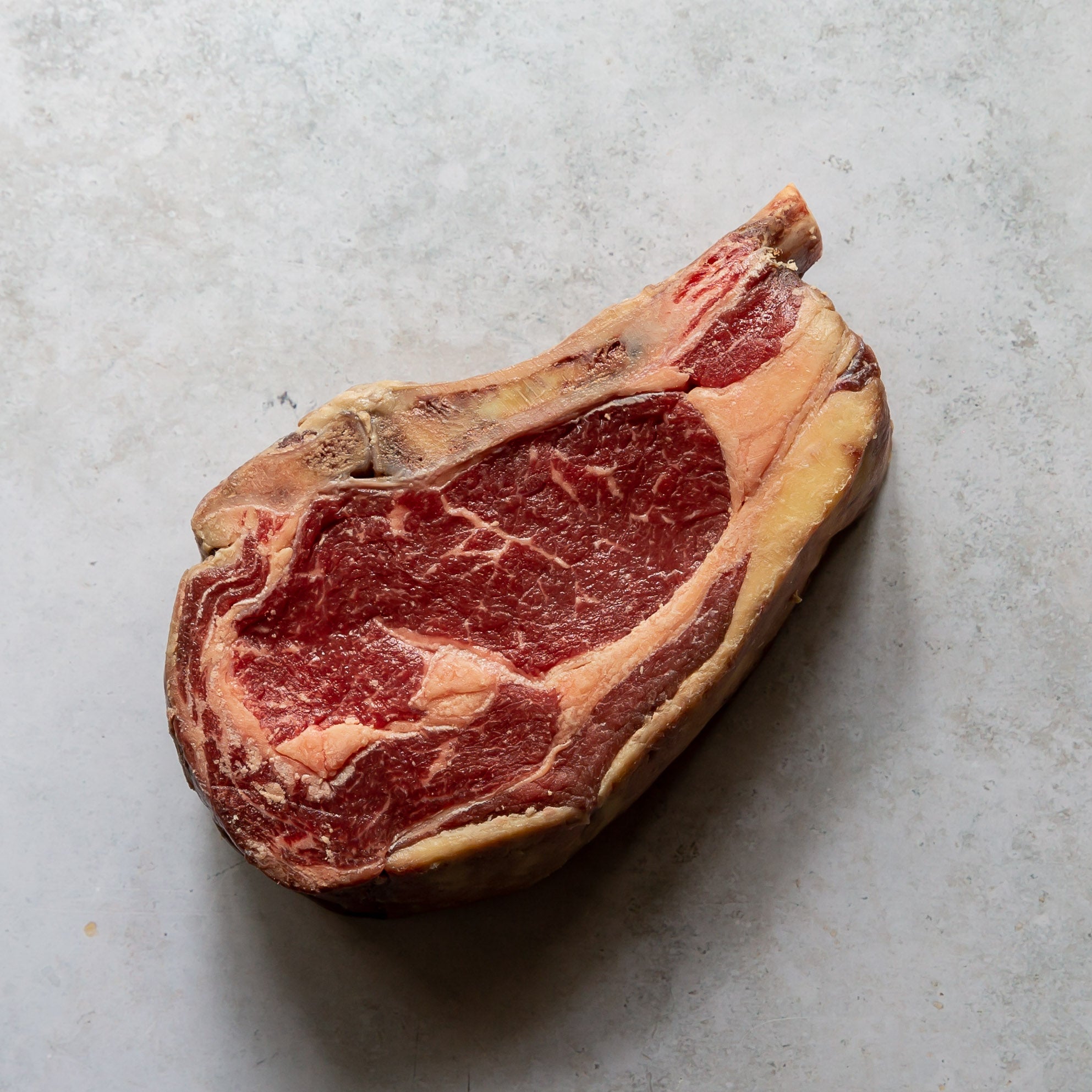
Dry ageing involves hanging beef in a controlled environment for an extended period — typically several weeks. Natural enzymes break down muscle fibre, concentrating the beef flavour as moisture evaporates. The result is deeper, more complex flavour with nutty, savoury notes, a darker colour, and improved tenderness. It's the single biggest difference between a premium steak and a supermarket one. Our Sashi and Discarlux cuts are dry aged as standard.
-
What is the difference between Australian Wagyu and Japanese Wagyu?
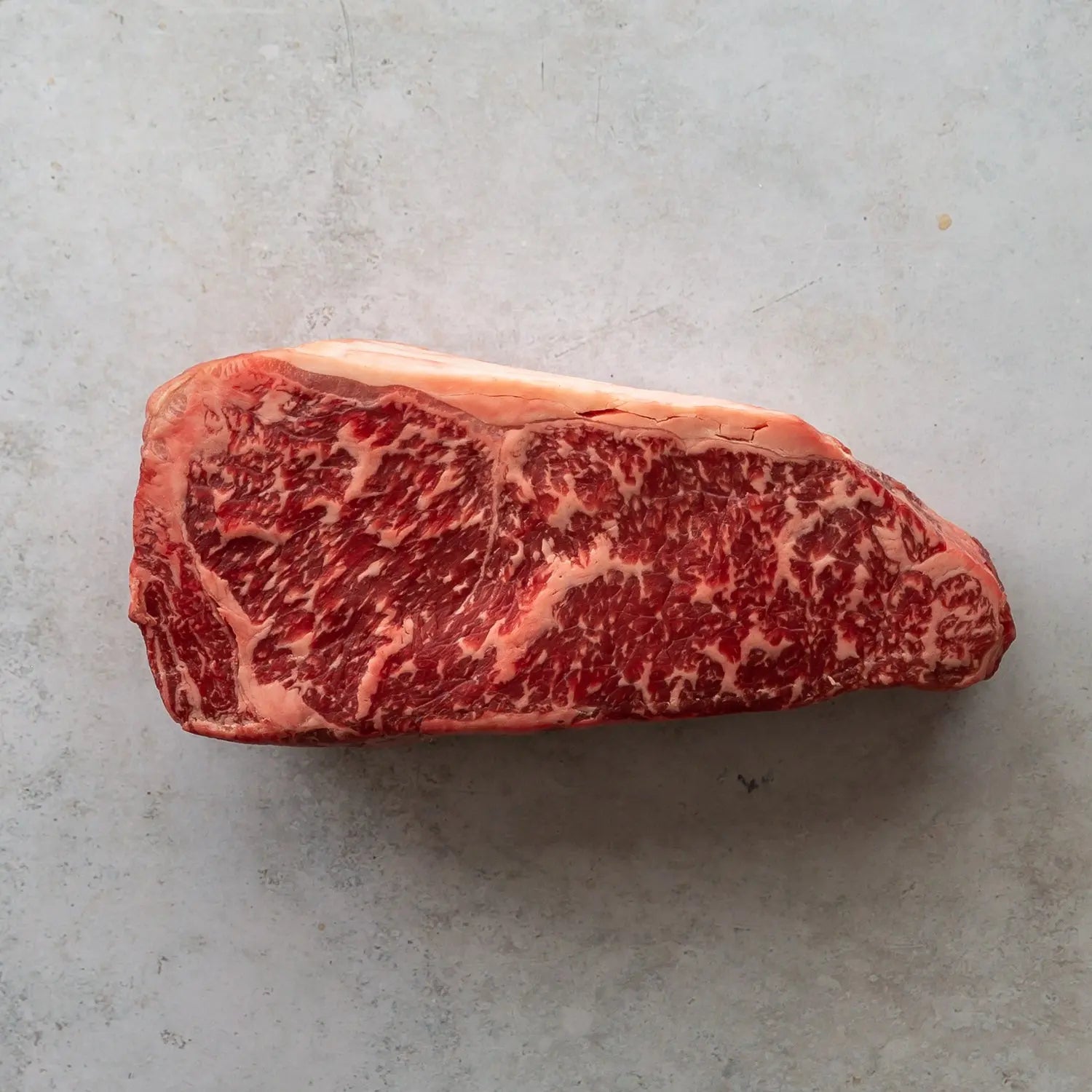
Same breed origins — Japanese Wagyu genetics were exported to Australia — but different farming, different feed, and crucially a different grading system. Japan uses the JMGA scale (A1–A5, BMS 1–12) which captures very fine distinctions at the top end. Australia uses AUS-MEAT (marbling 0–9+), which is less granular, meaning a wider range of quality sits within the top scores. Australian Wagyu is excellent beef with more marbling than standard Angus, but it's a different product from Japanese A5. For Japanese A5 Wagyu and Kobe, see our Japanese Kobe & Wagyu collection.
-
What is Sashi beef?
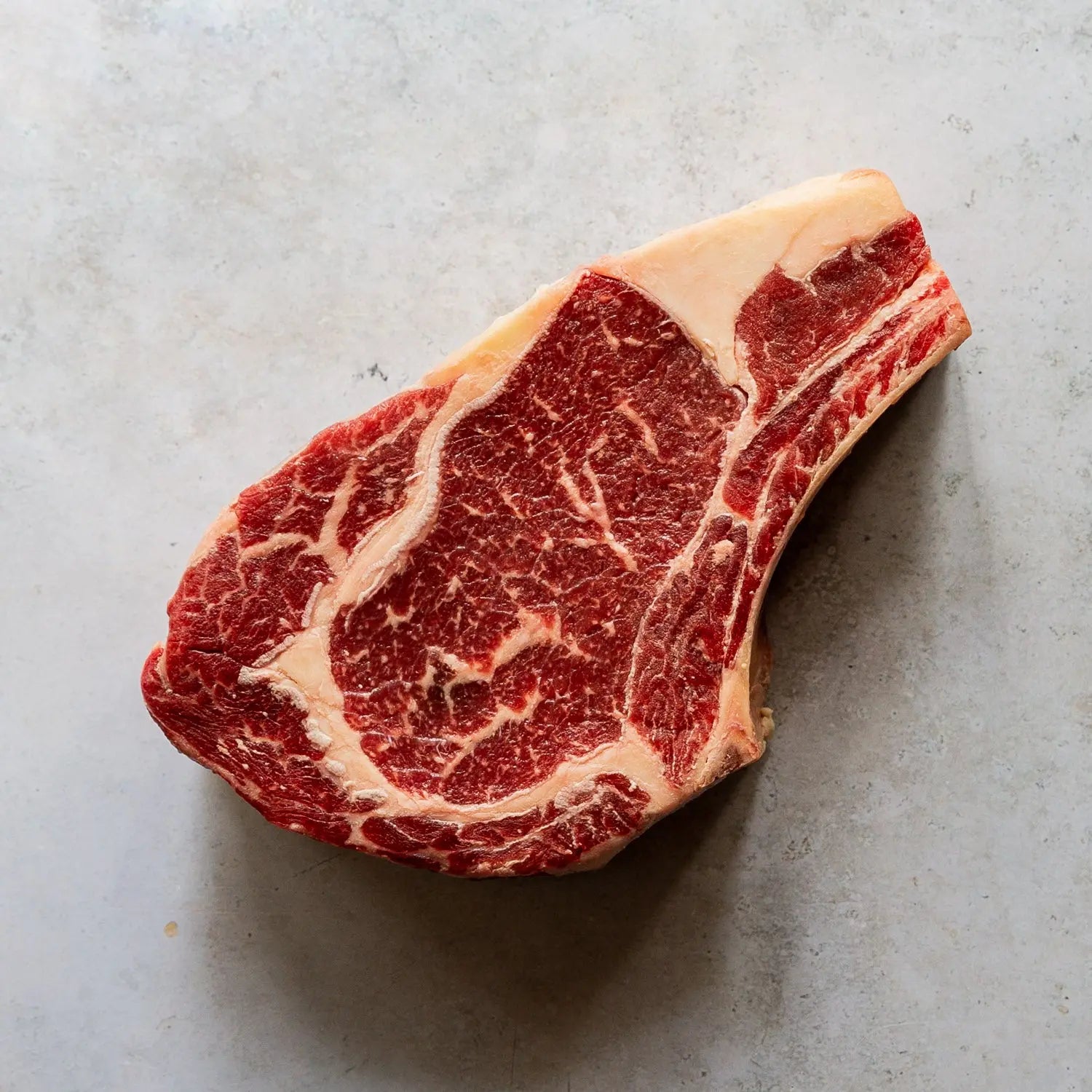
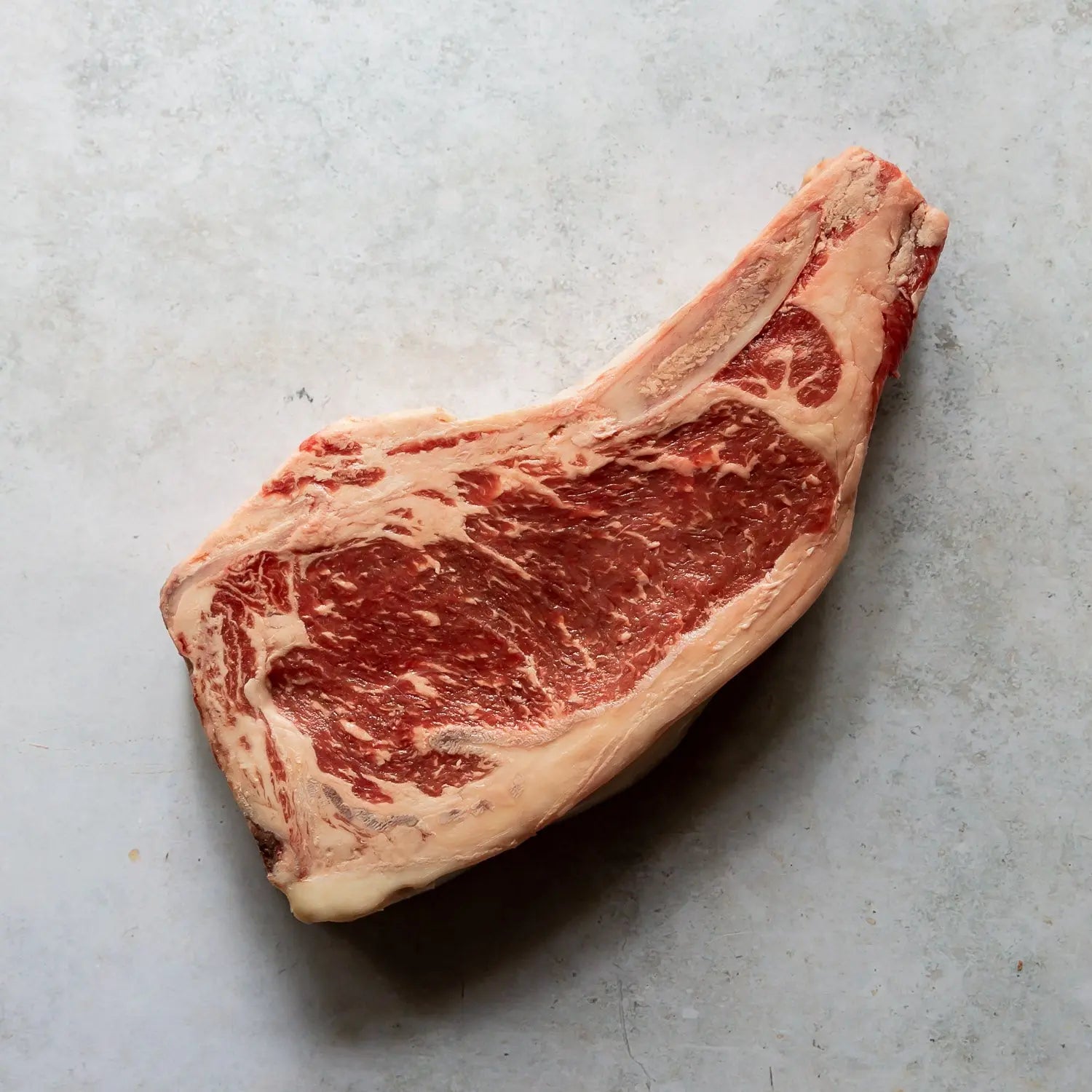
Sashi is a Finnish beef programme using Ayrshire cattle — a Scottish dairy breed not traditionally associated with beef production. The Finnish climate and Sashi's proprietary finishing programme produce exceptional intramuscular marbling more commonly associated with Wagyu, but with a distinctly European character. The flavour is clean and mineral with rich fat distribution. We carry Sashi as dry aged côte de boeuf, wing rib, and rib roast.
-
What is Galician beef?
Galician beef comes from northwest Spain, typically from older cattle — often retired dairy cows of the Rubia Gallega breed — raised slowly on natural pasture. The extended lifespan and traditional farming produce meat with deep, intense flavour, darker colour, and distinctive golden fat. It's become one of the most sought-after beef traditions in European fine dining. We carry Discarlux dry aged prime rib and Miguel Vergara Angus bone-in sirloin.
-
What are the best Ibérico pork cuts for cooking?
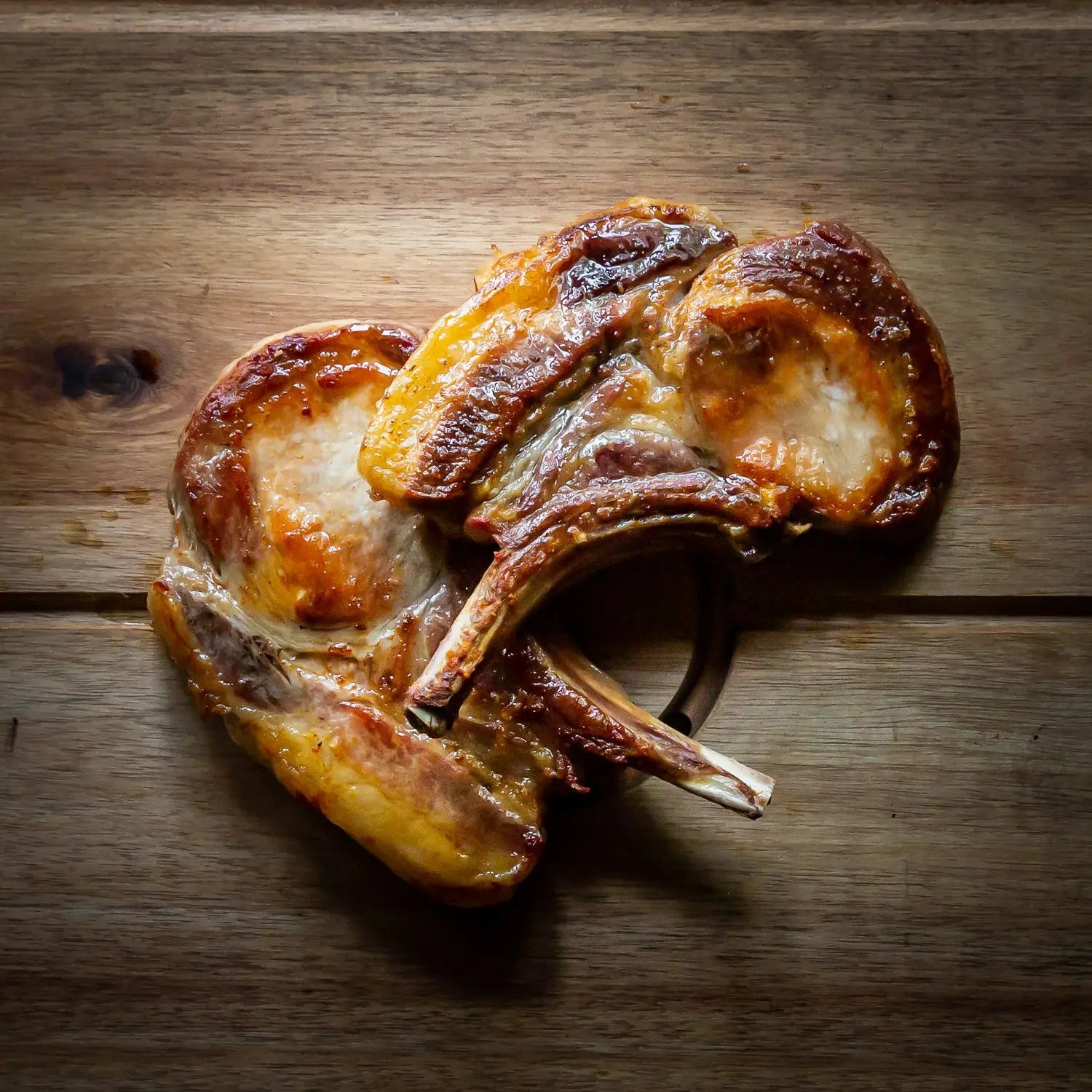
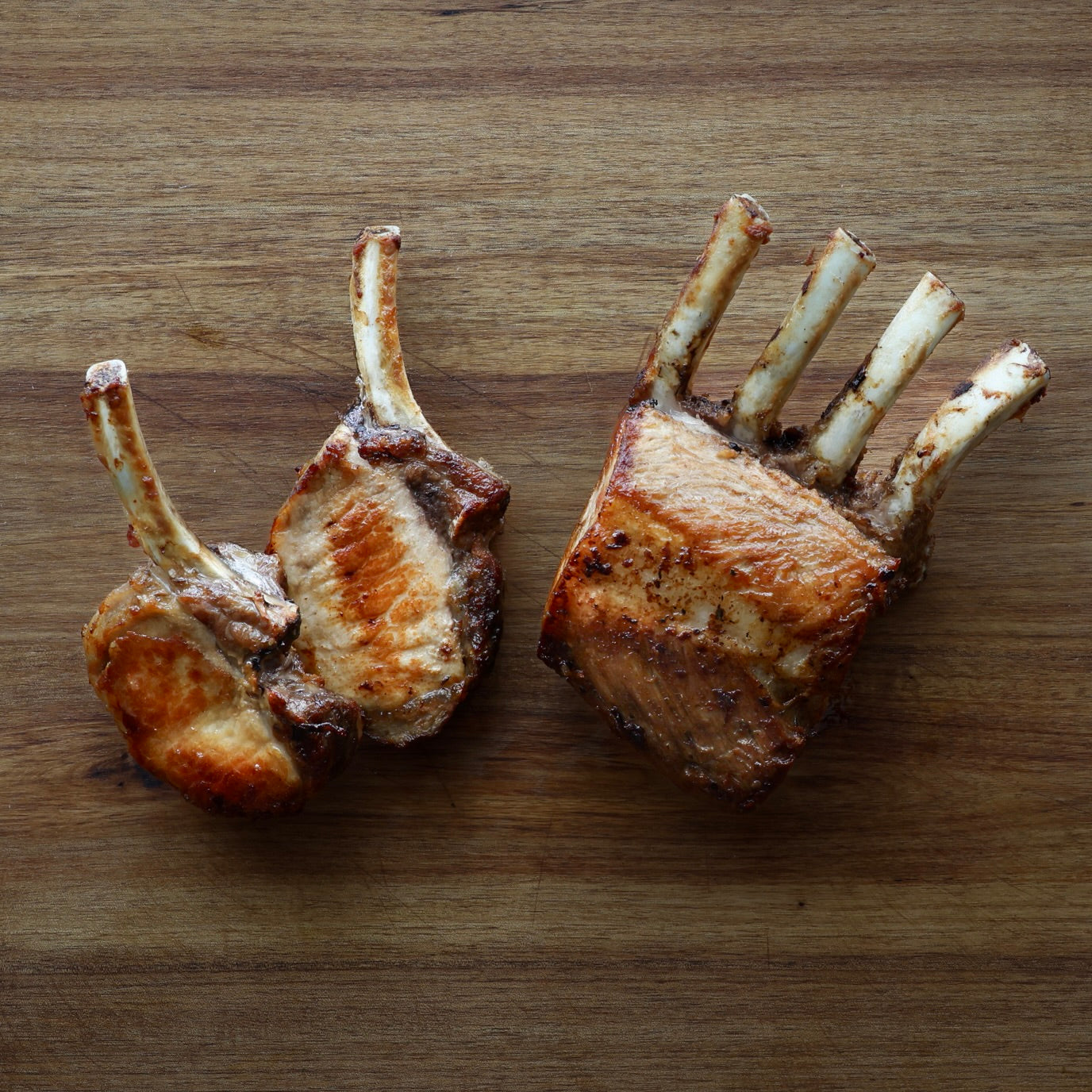
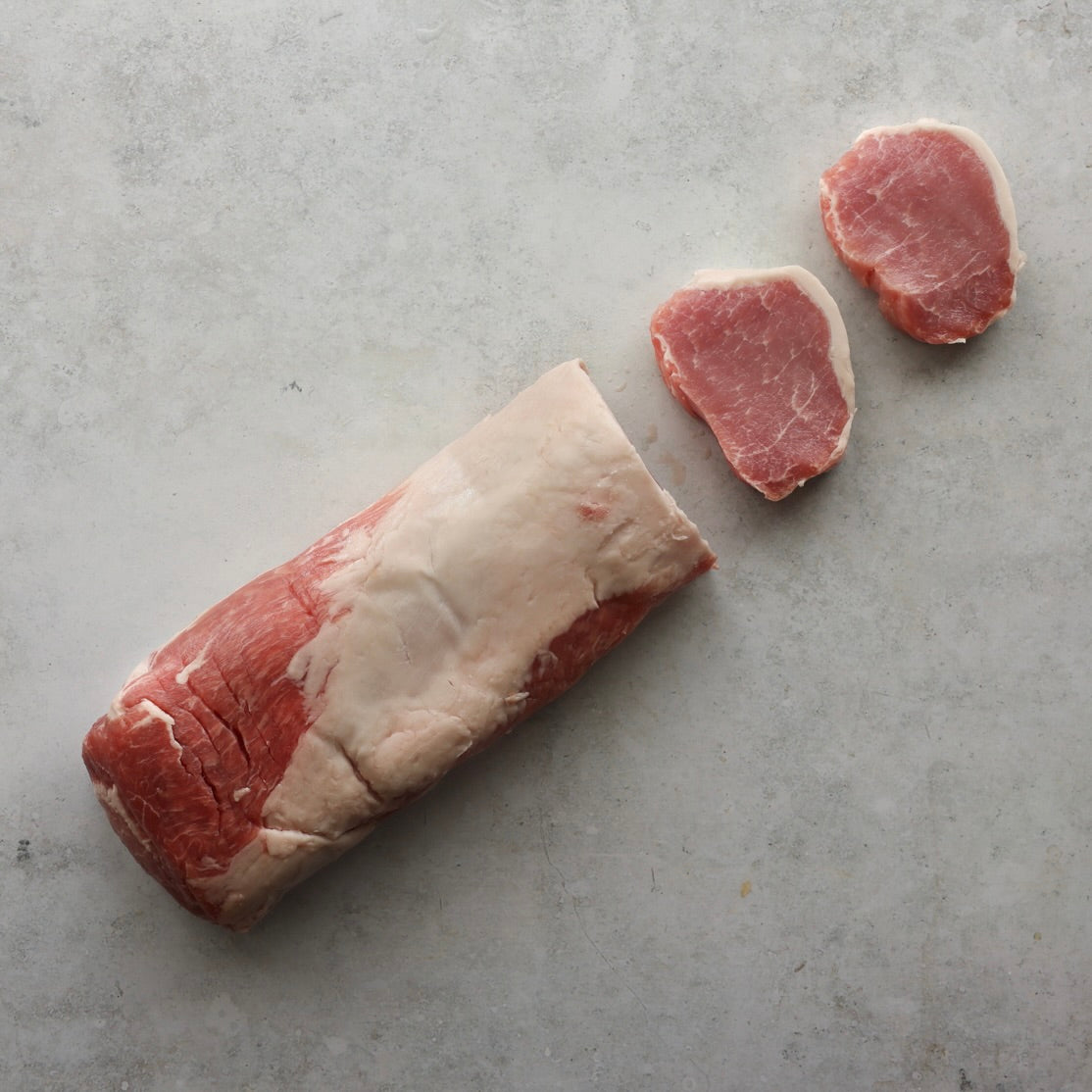
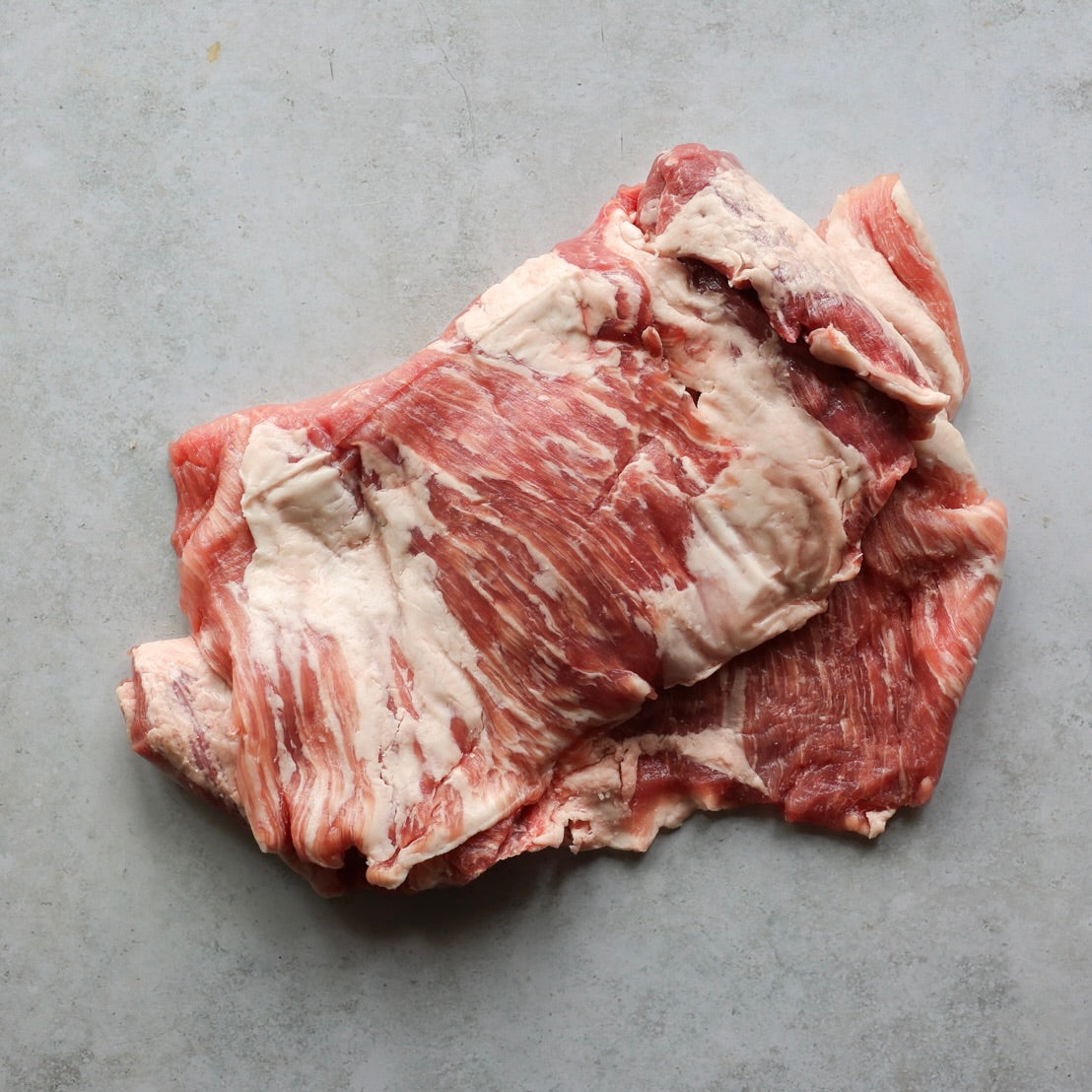
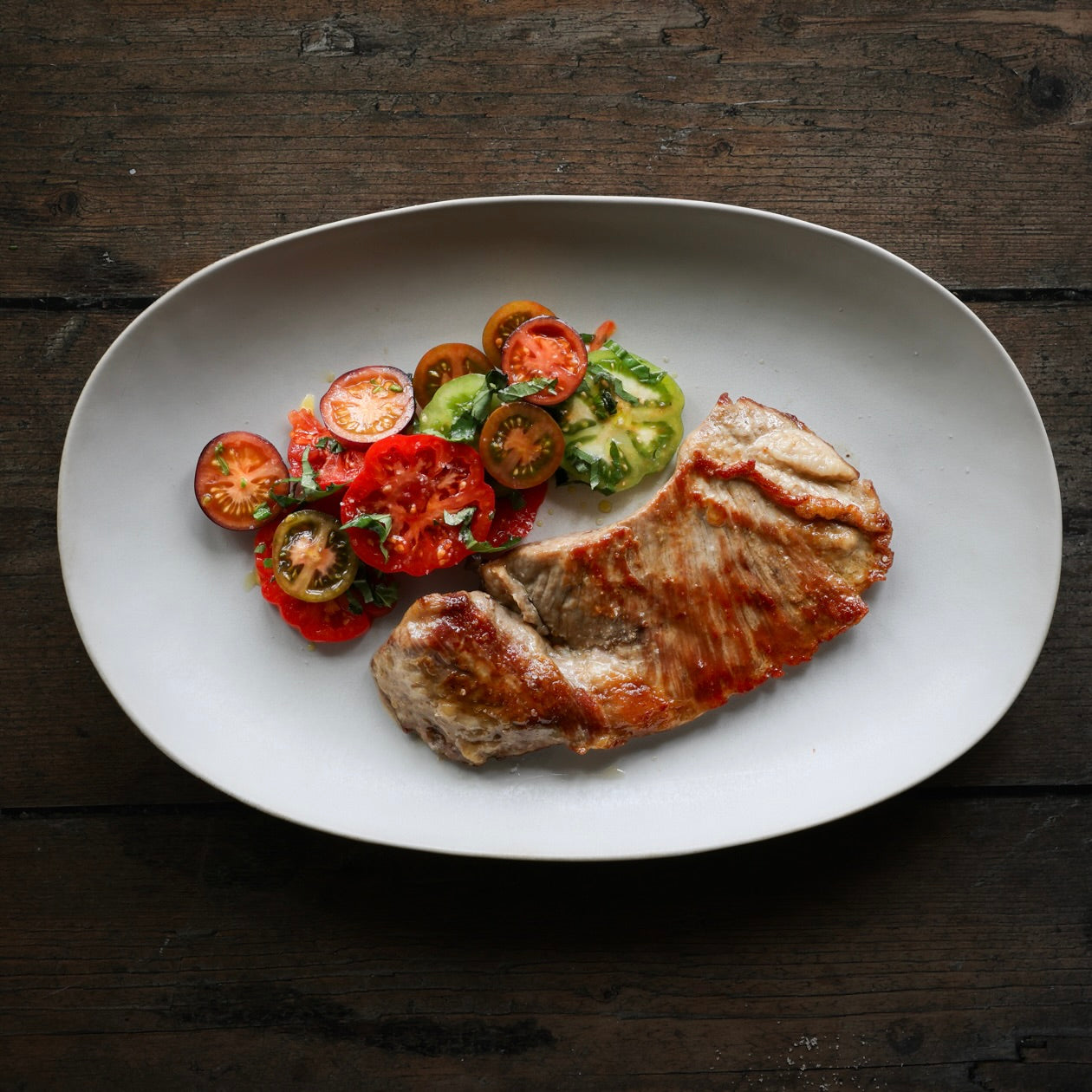
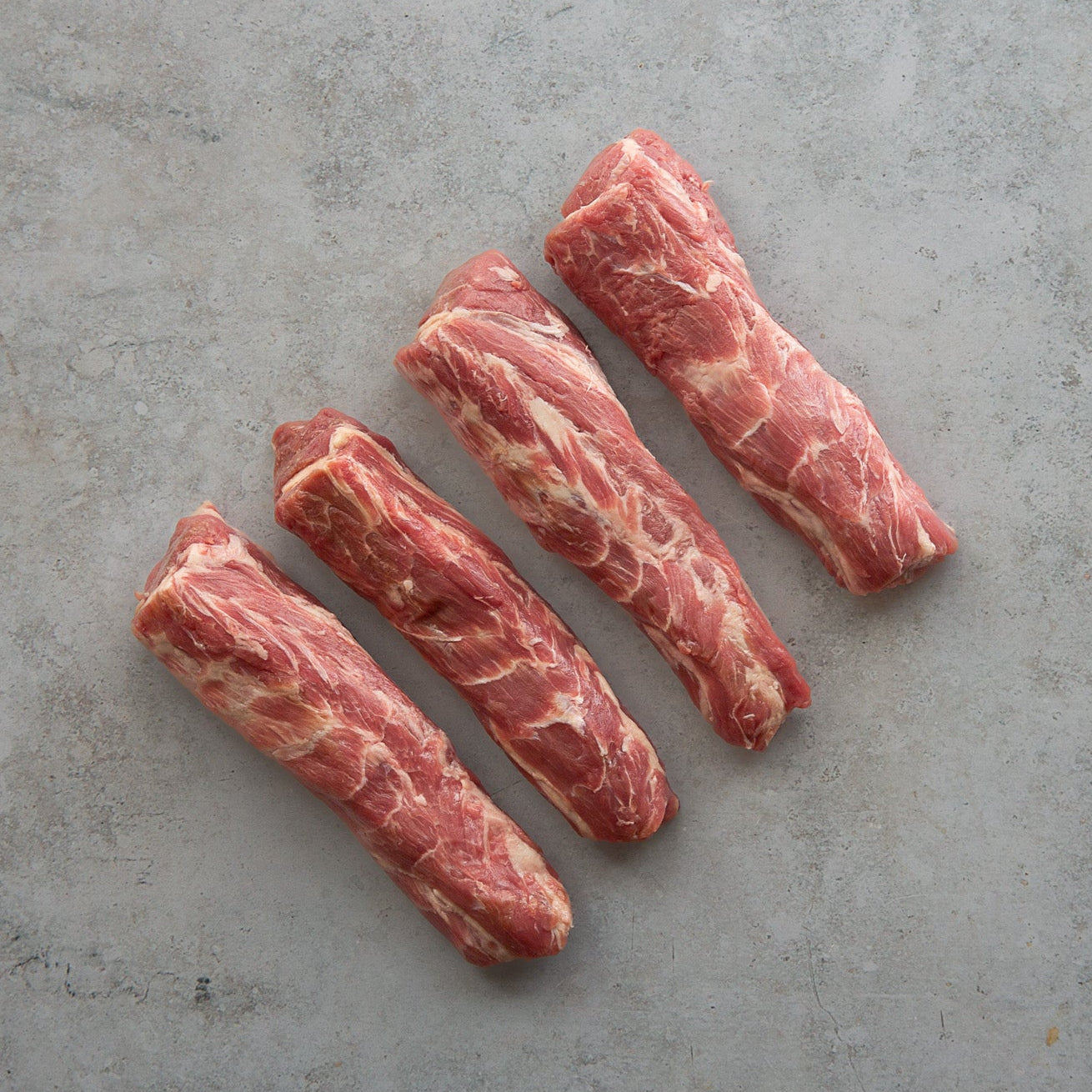
Presa (shoulder muscle) and secreto (the marbled flap between shoulder and belly) are the standout cuts — both are best served pink, cooked more like beef than conventional pork. Presa is leaner with a concentrated flavour; secreto is richer and more marbled. Cheeks are exceptional for slow braising. The rack and loin steaks work well with fast, high-heat cooking. All Ibérico pork benefits from simple seasoning — the quality of the fat and breed does the work.
-
What is Kurobuta pork?
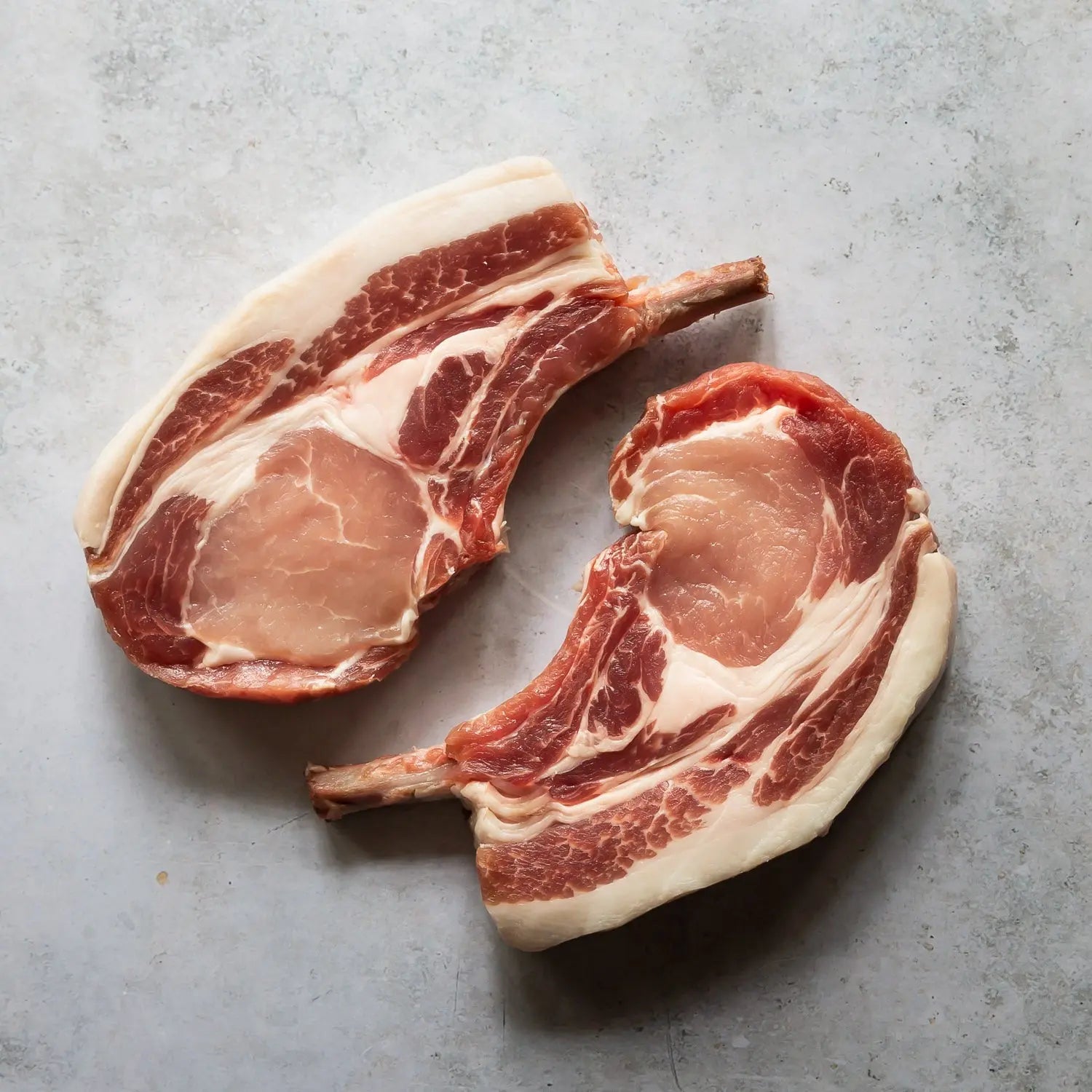
Kurobuta is the Japanese name for Berkshire pork — a heritage breed prized for dark, richly flavoured meat and generous fat cover. Often called the Wagyu of pork. It has a depth of flavour and juiciness that modern lean breeds have lost. We carry Kurobuta as thick-cut, bone-in chops.
-
What is Lumina lamb?
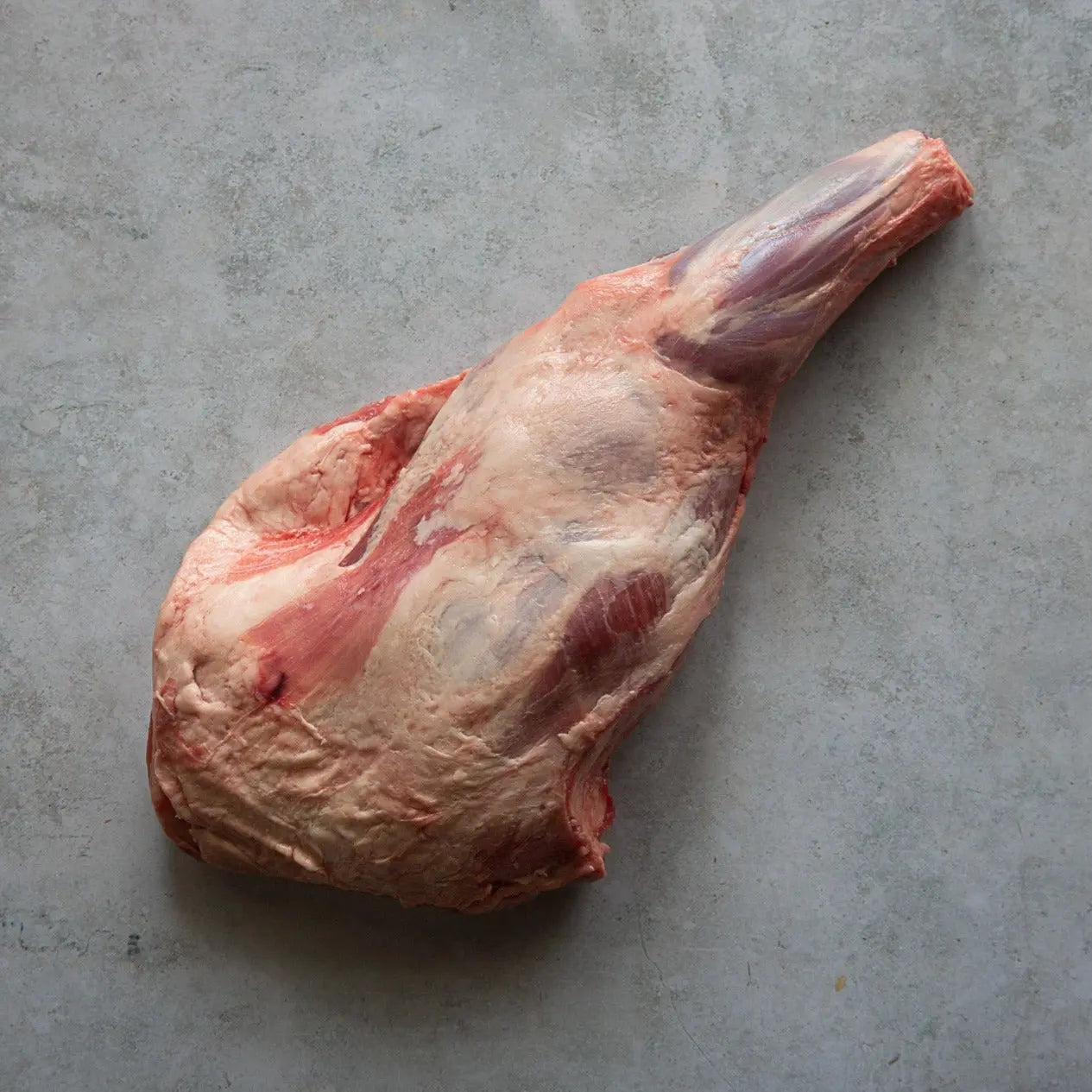
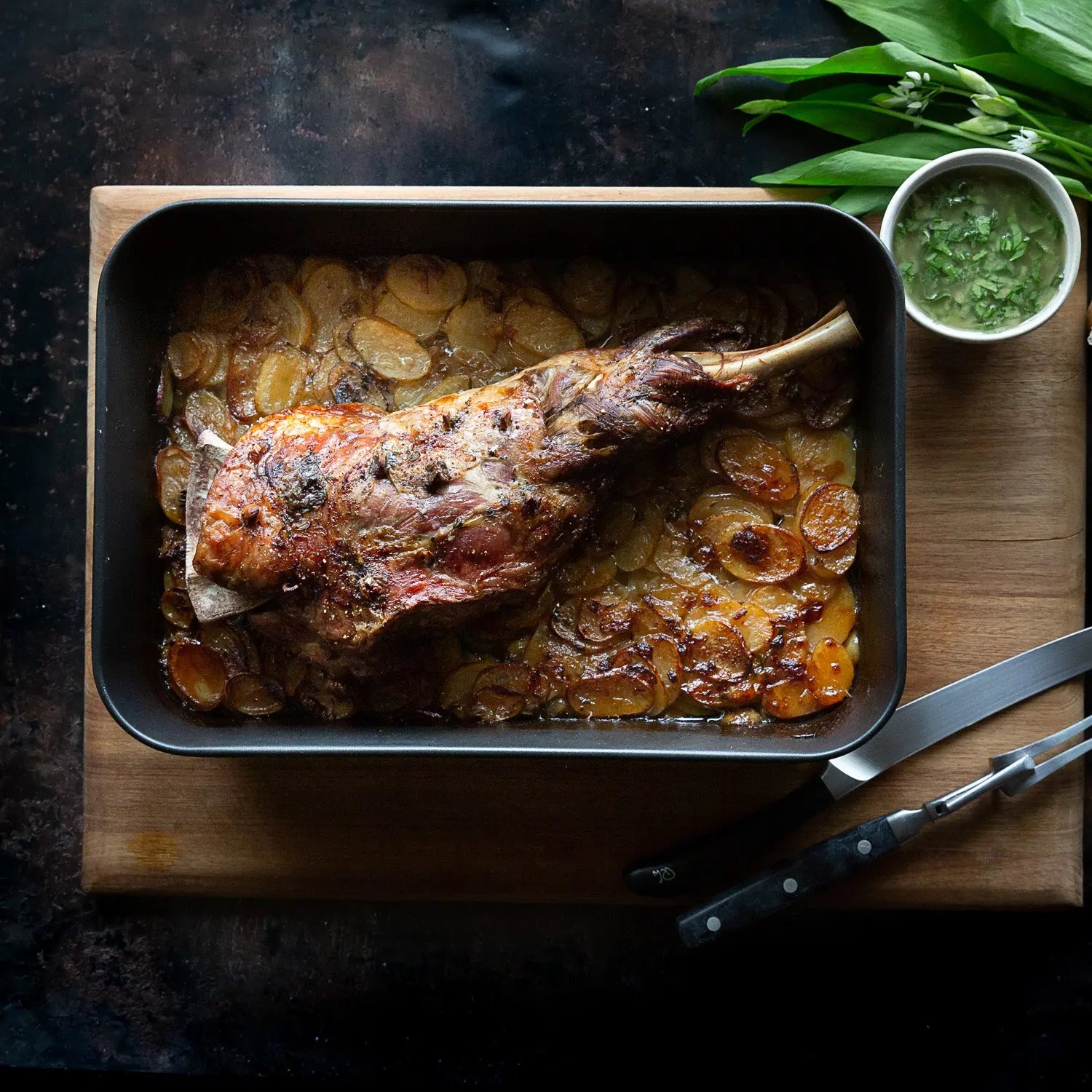
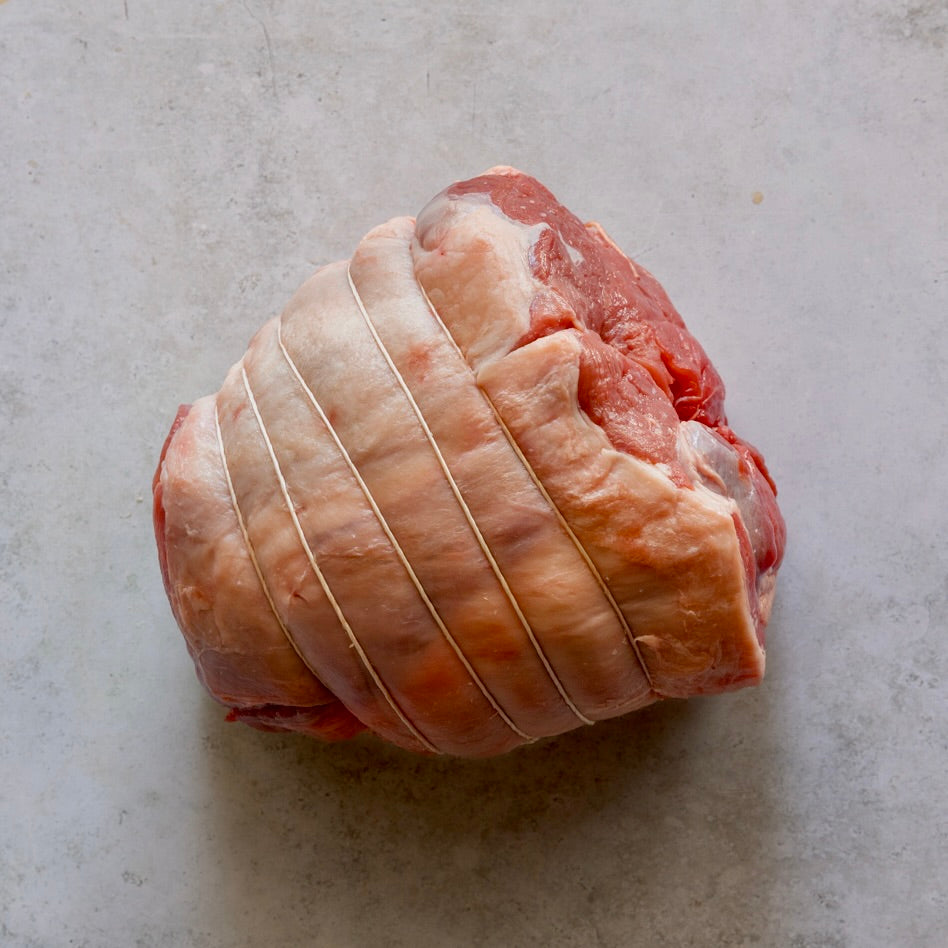
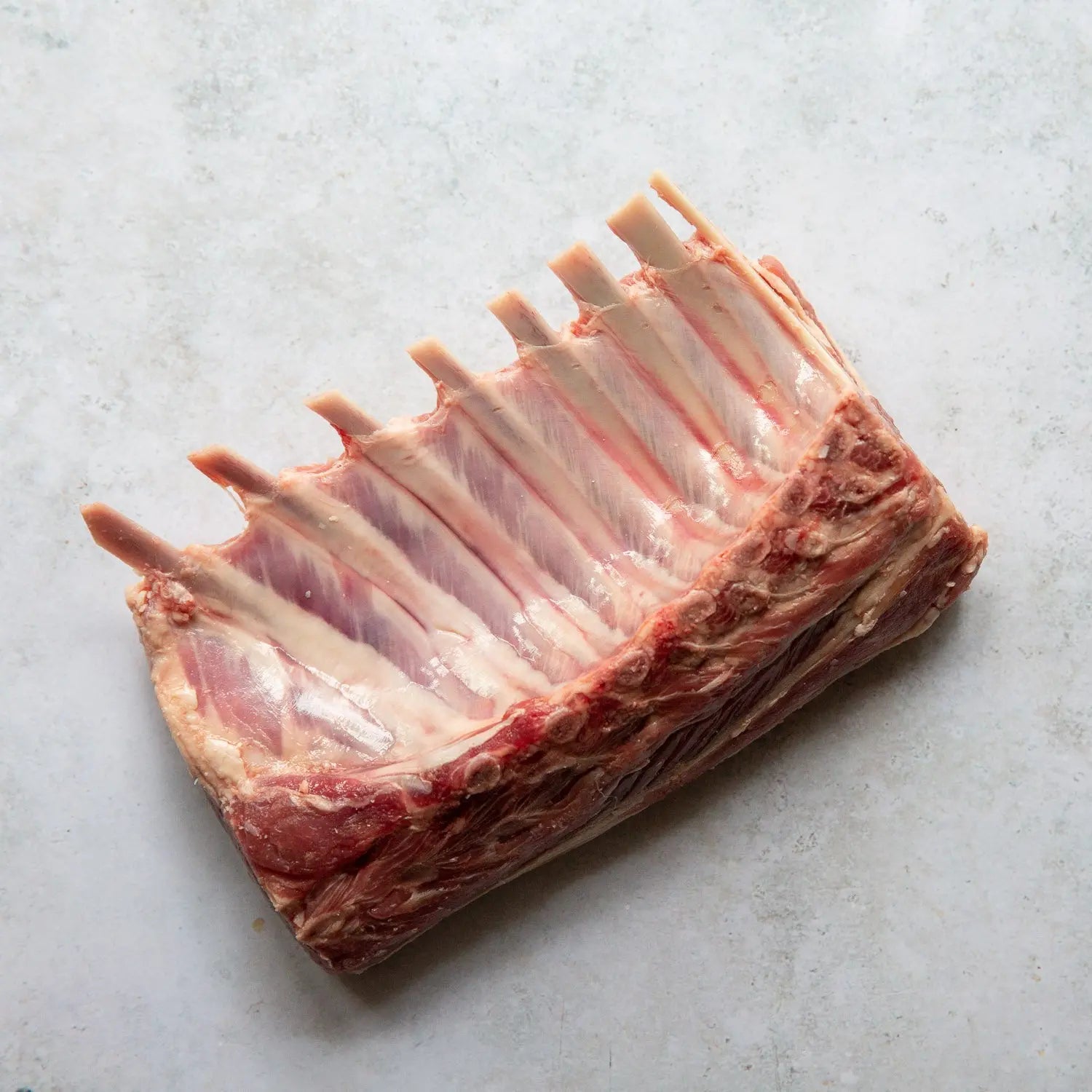
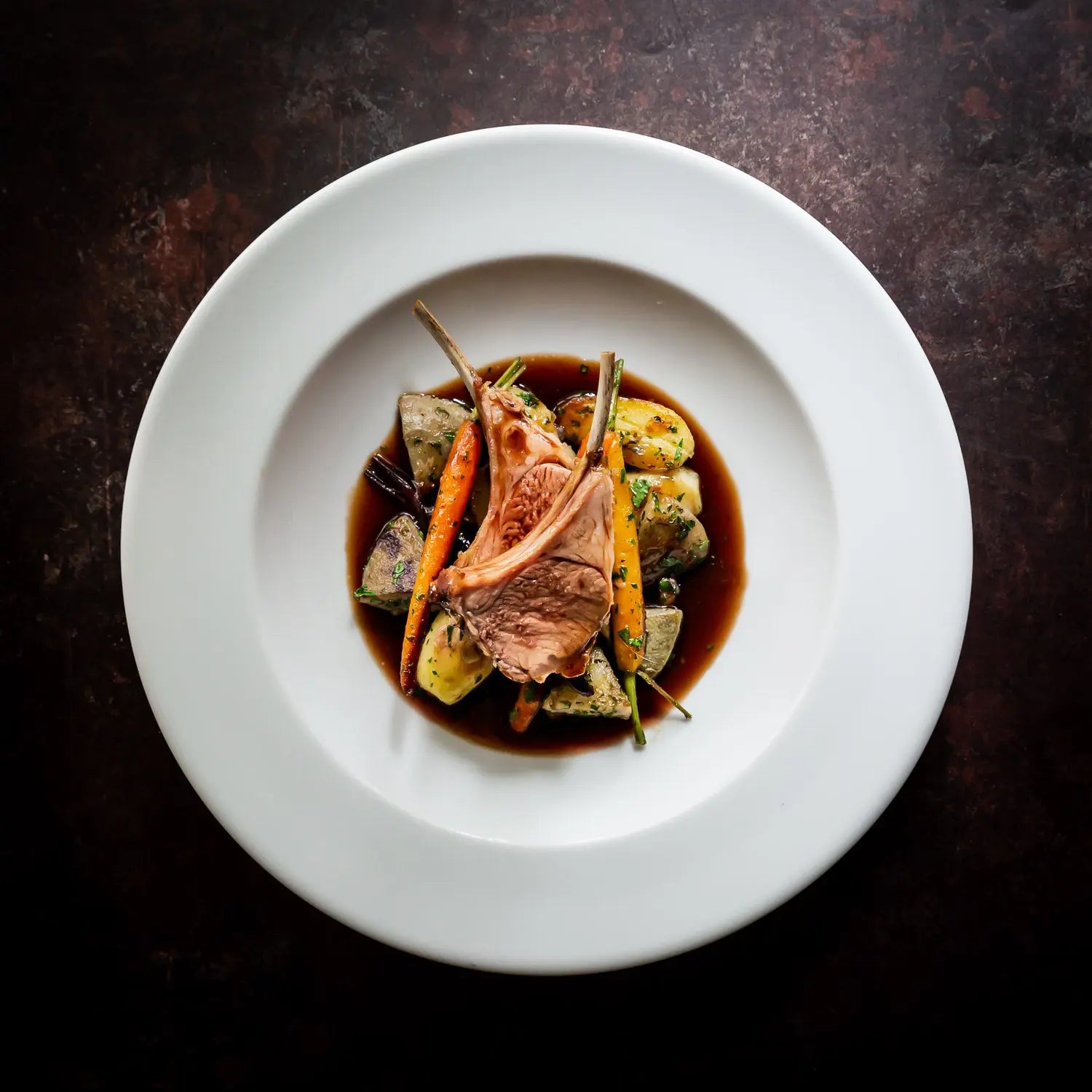
Lumina is a premium New Zealand lamb programme bred specifically for eating quality. The lambs are a cross of selected breeds producing meat that is milder, sweeter, and more refined than standard lamb, with consistent tenderness and fat cover. Grass-fed year round on New Zealand pasture. We carry rack, loins, and roasting joints.
-
How should I cook a premium steak?
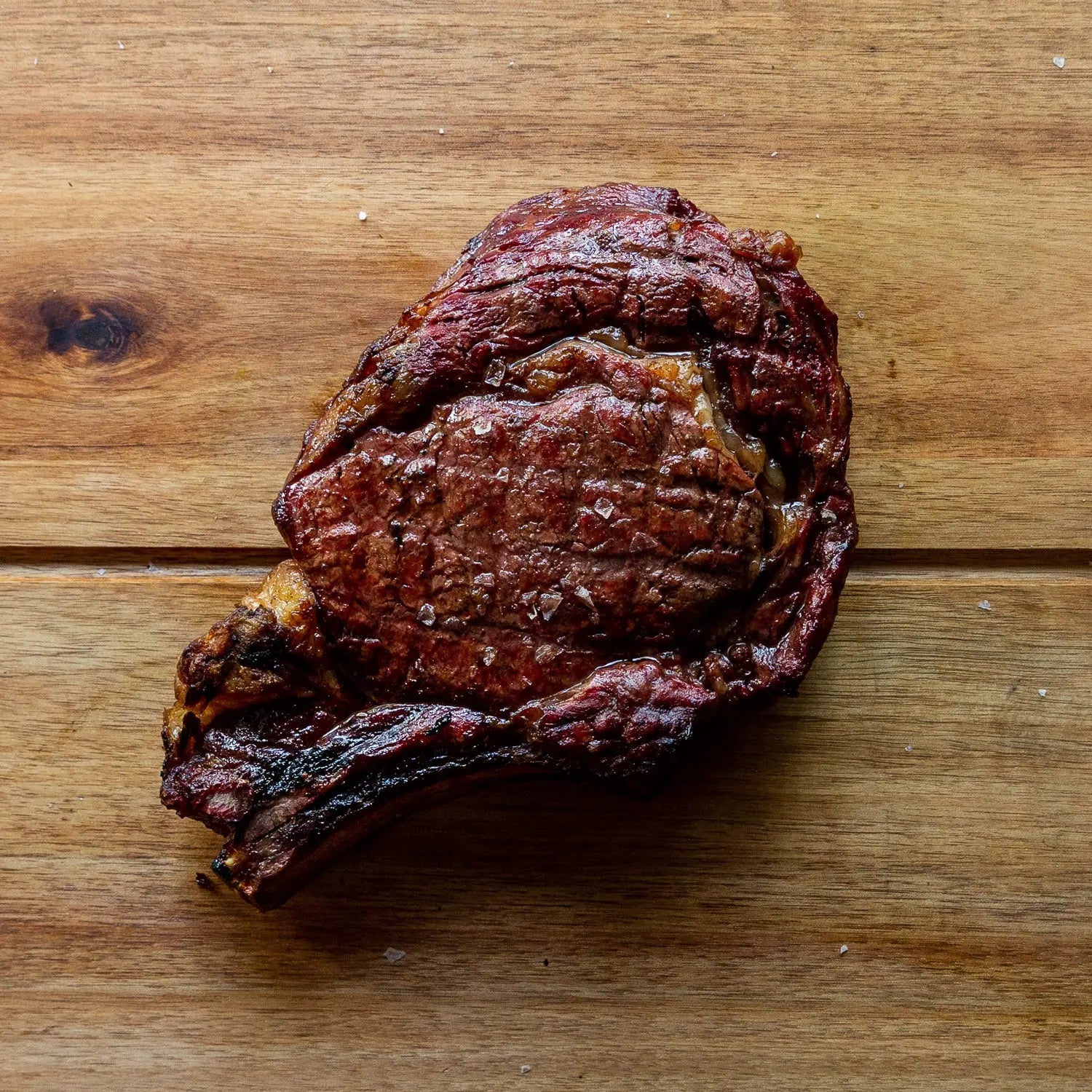
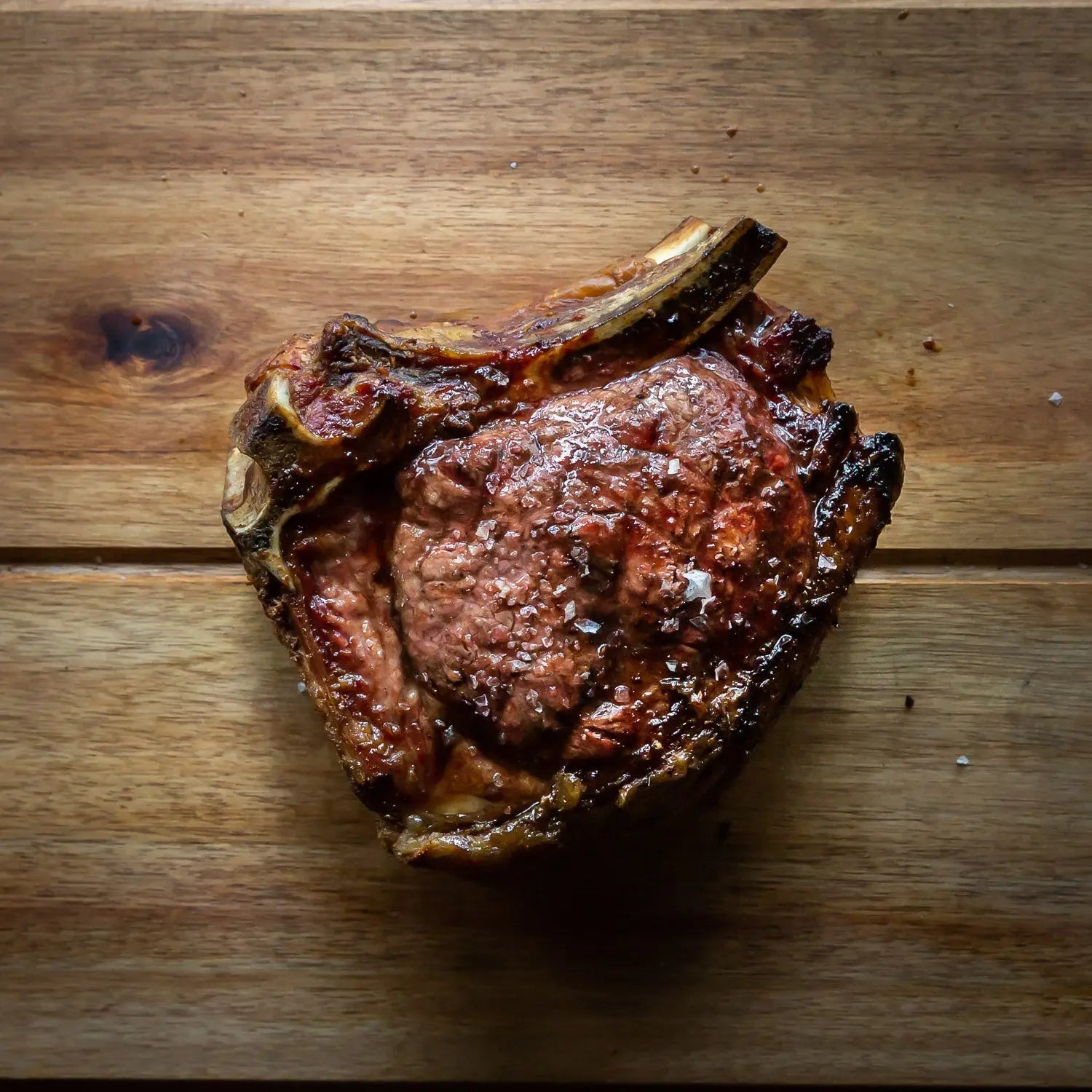
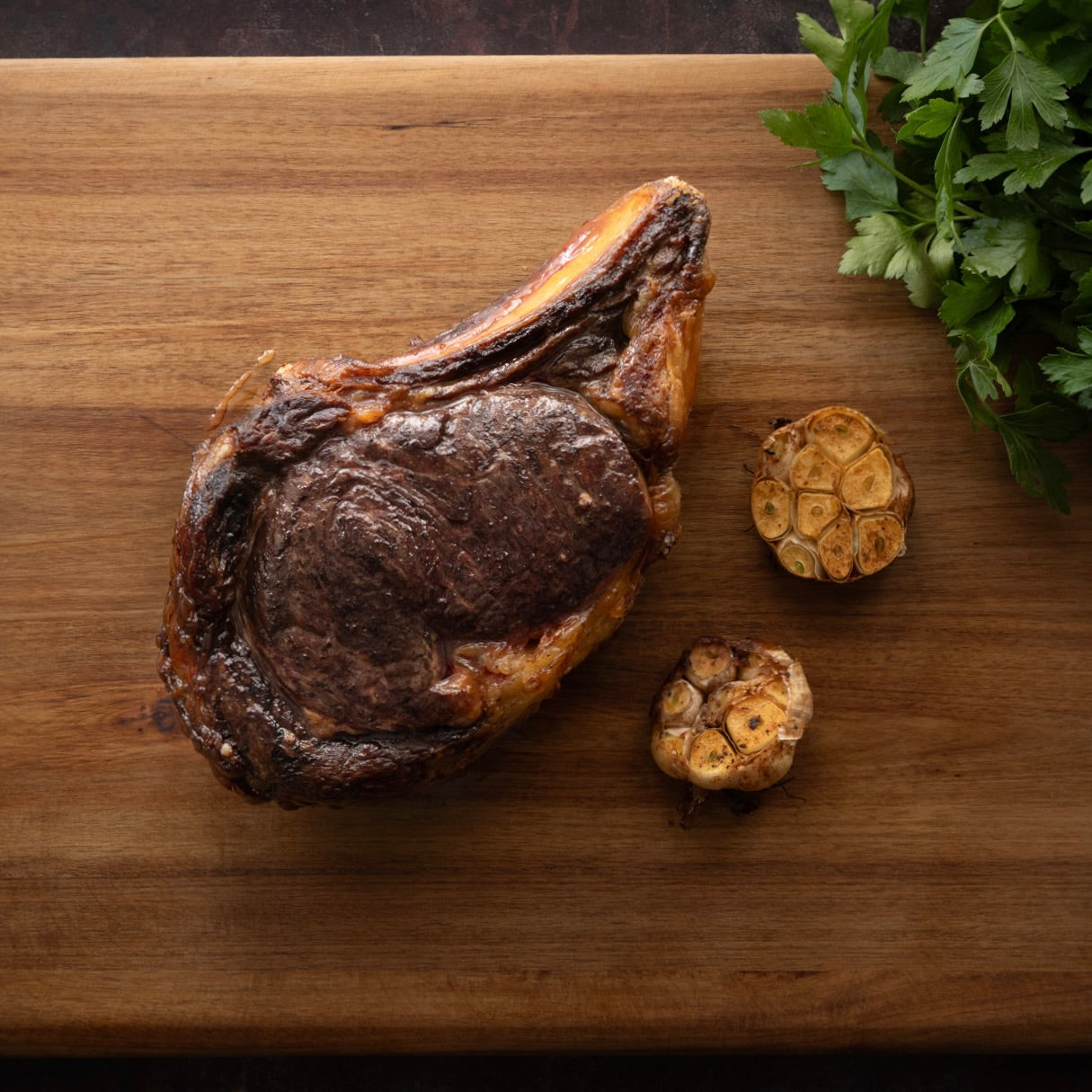
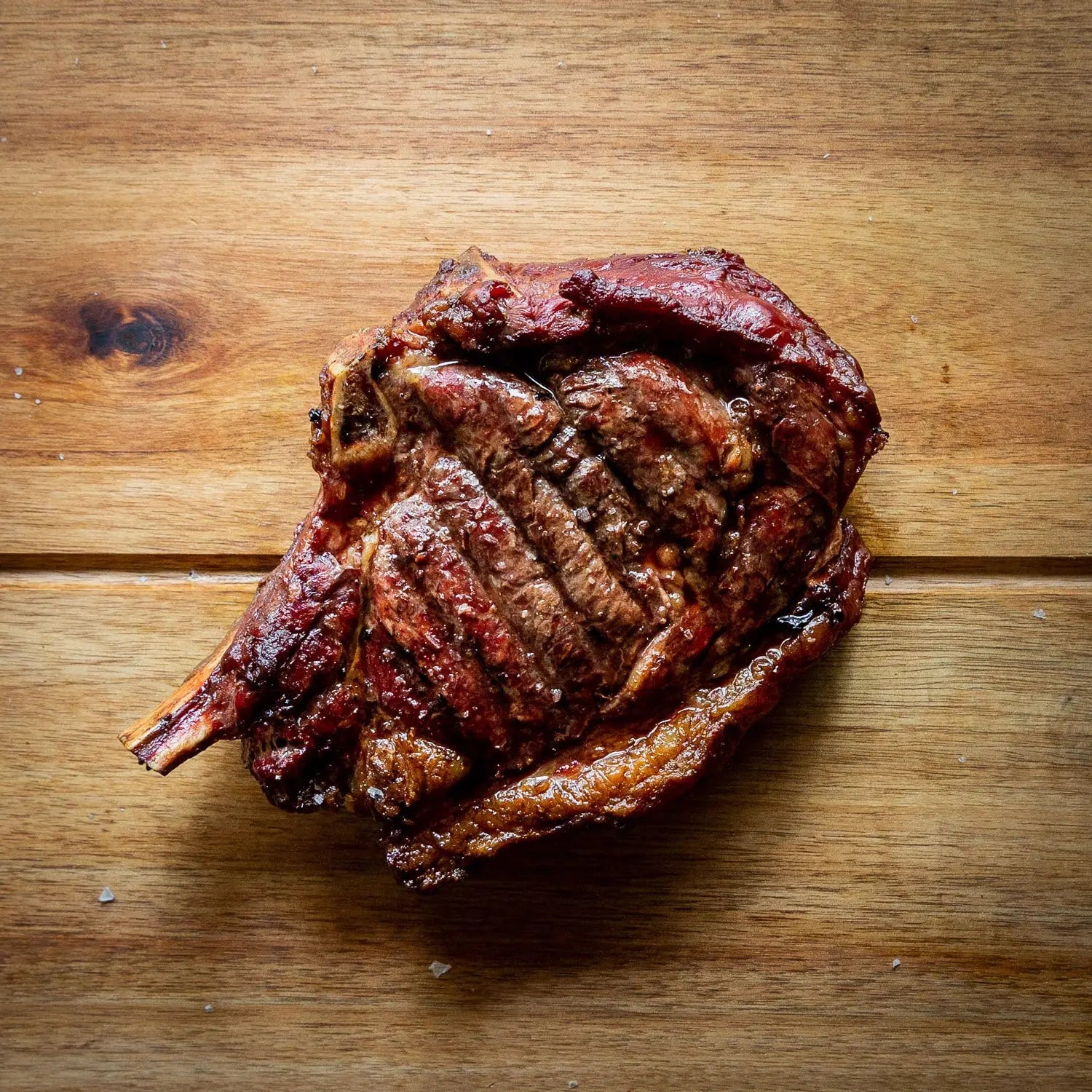
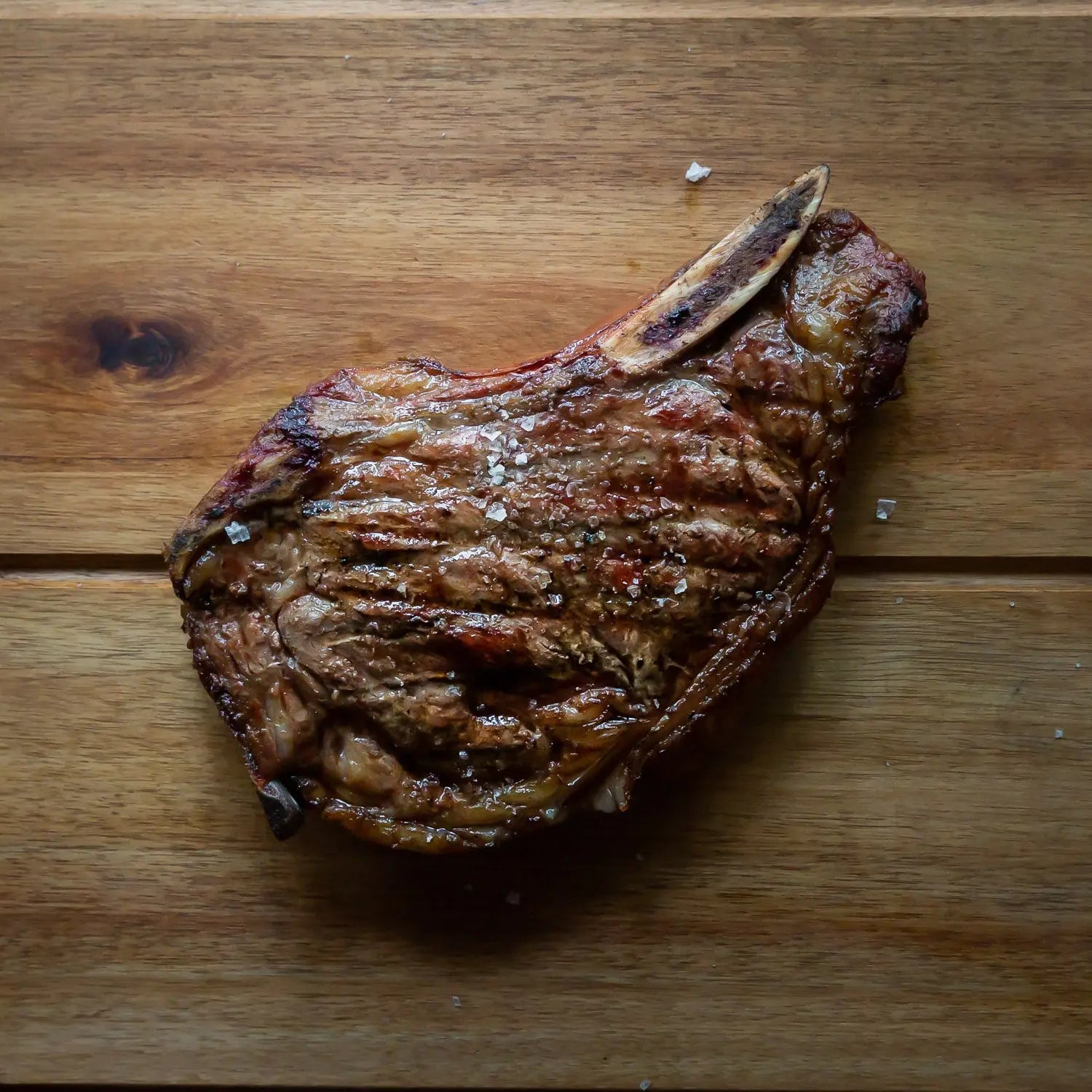
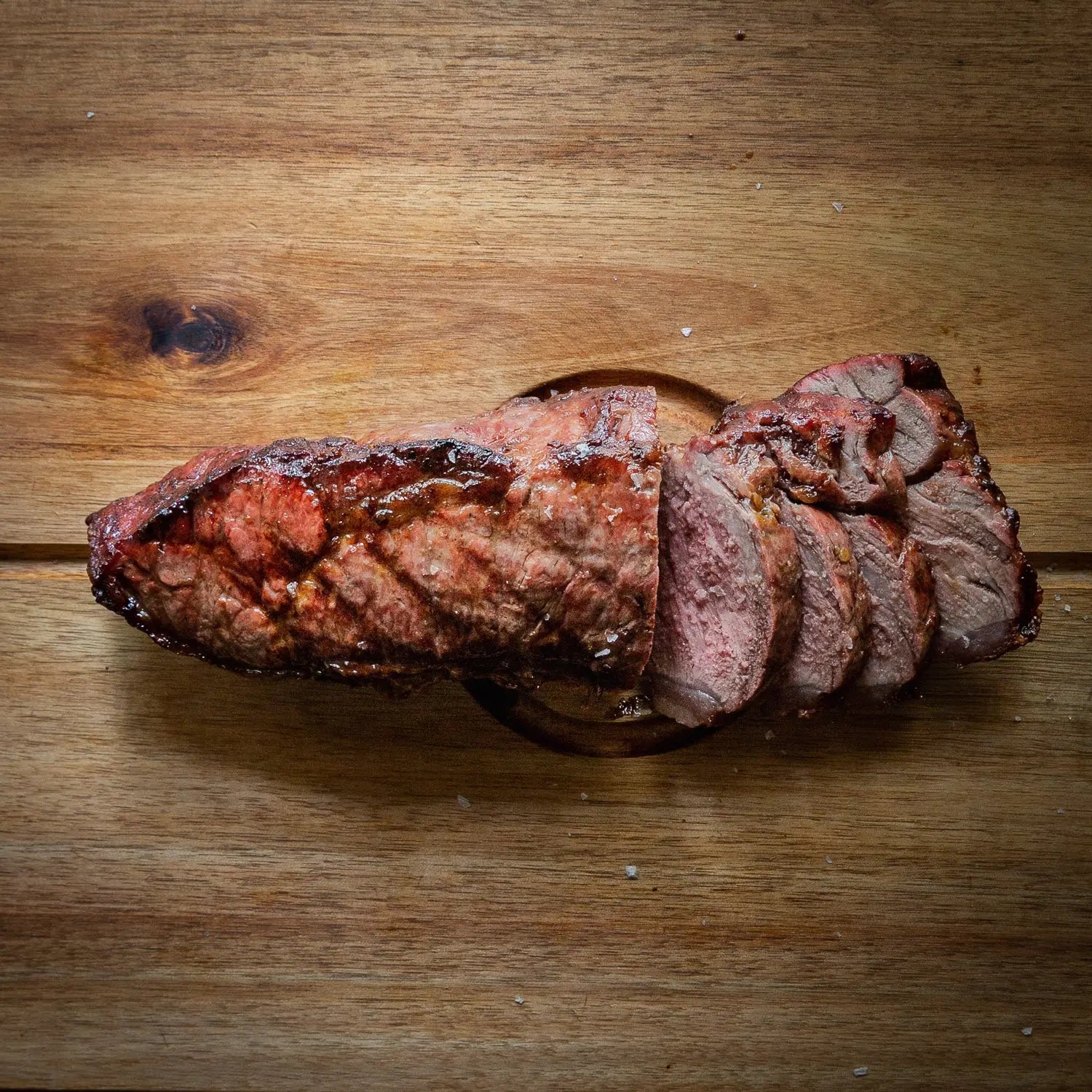
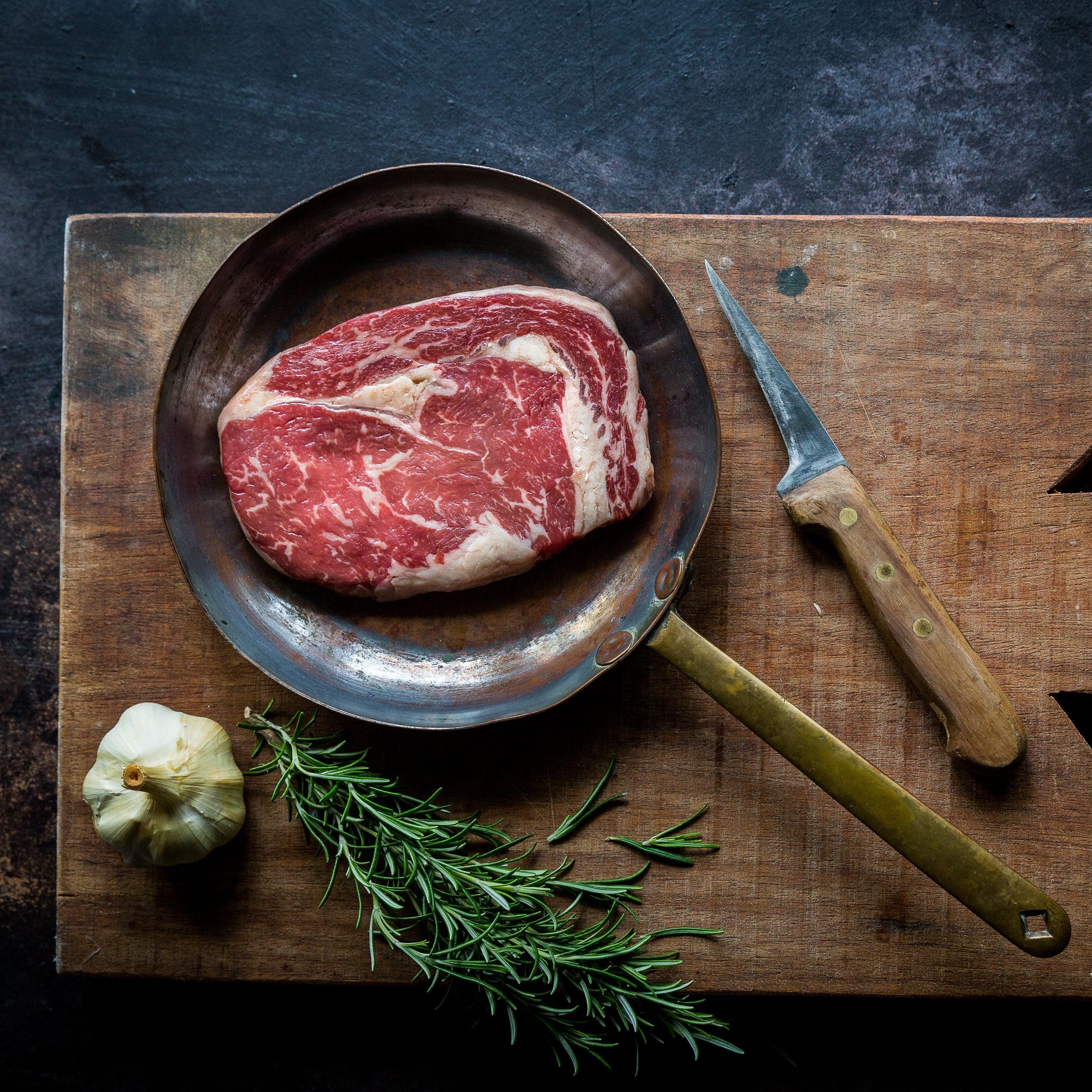
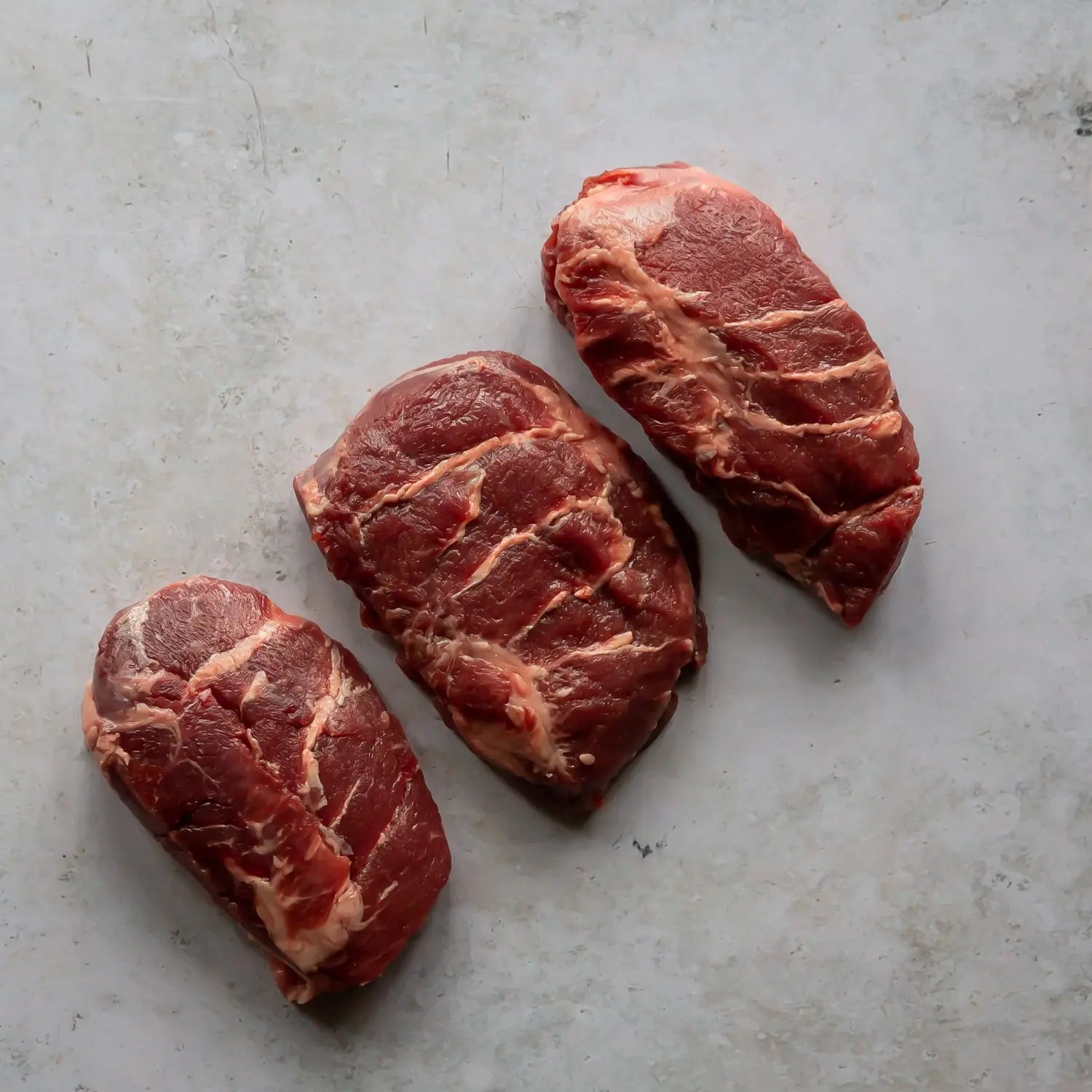
Bring the steak to room temperature for 30 minutes before cooking. Season with salt — nothing else needed with this quality of beef. Get a cast-iron or heavy-based pan very hot. For well-marbled cuts like Wagyu and Sashi, no additional fat is necessary — the steak renders its own. Turn frequently for even cooking and baste with the rendered fat. Use a probe or the skewer test to check doneness. Rest for at least five minutes before serving. Premium steaks are best at medium-rare to medium — cooking too rare doesn't allow the intramuscular fat to melt and release its flavour.
-
Why is your meat delivered frozen?
All cuts in this collection are IQF (individually quick frozen). Rapid freezing at extremely low temperatures prevents large ice crystals from forming in the muscle fibre — which is what causes texture damage and moisture loss in poorly frozen meat. IQF-frozen meat defrosts to the same standard as fresh product, with full texture, moisture, and flavour retained. It also eliminates food waste — premium meat stored in the freezer can be used exactly when you need it, with nothing thrown away. Defrost overnight in the fridge and bring steaks to room temperature for 30 minutes before cooking.
-
How is butchery delivered?
All cuts are shipped frozen in insulated packaging with ice packs via express courier service. Orders placed before 2pm are dispatched the same day — select your preferred delivery date at checkout. On arrival, transfer straight to the freezer, or place in the fridge if you plan to cook within 24–48 hours. For orders over £225, weekday delivery is complimentary.