


RIEDEL Performance Decanter
Choose options
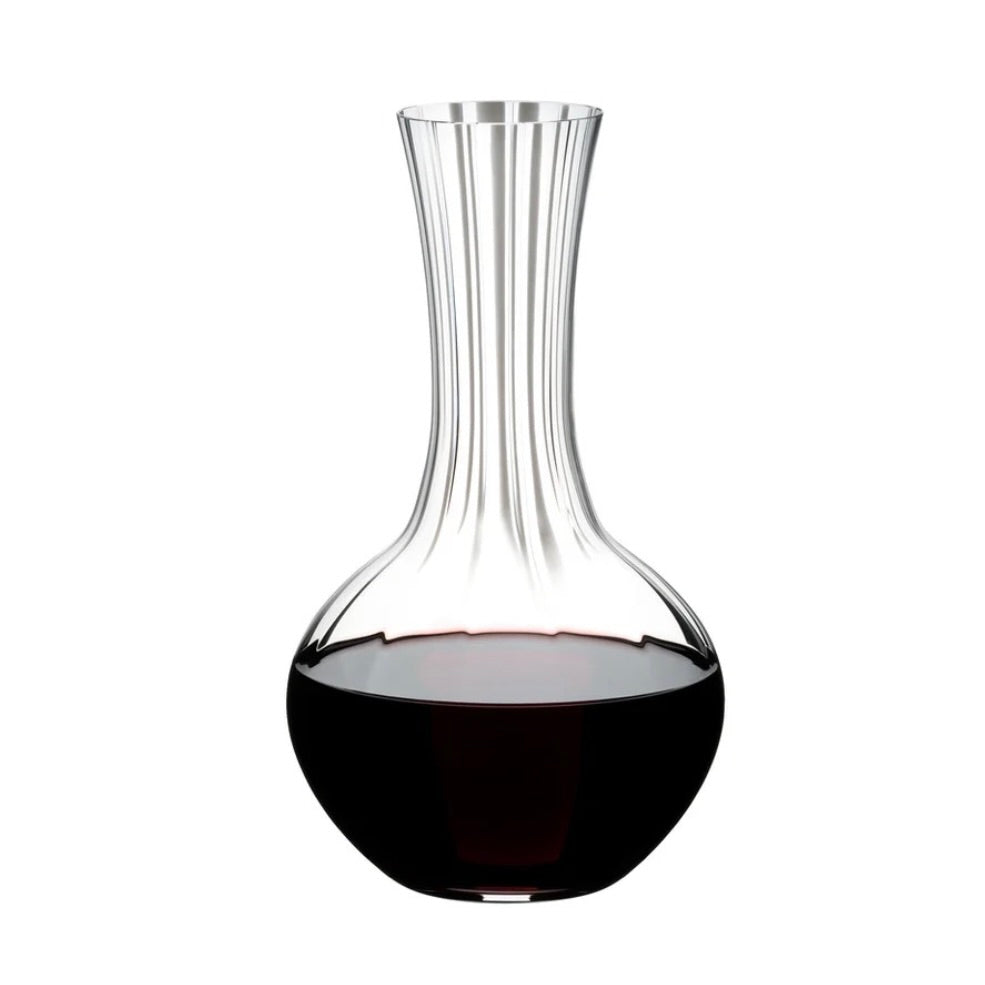
Riedel added this decanter to the Performance range in 2018, blown with the same fine optic ridges that run through the glasses. They catch the light as the wine moves, which is most of what a decanter is asked to do once the wine is in it.
The shape is plain and wide: 139mm across the base, so a bottle spreads into a shallow pool rather than sitting in a column. That is the part that matters. Air reaches more of the wine at once, and there is room to swirl without wearing it on your hand. The glass is clear and unweighted, so you can see the colour and see when a bottle has thrown a deposit.
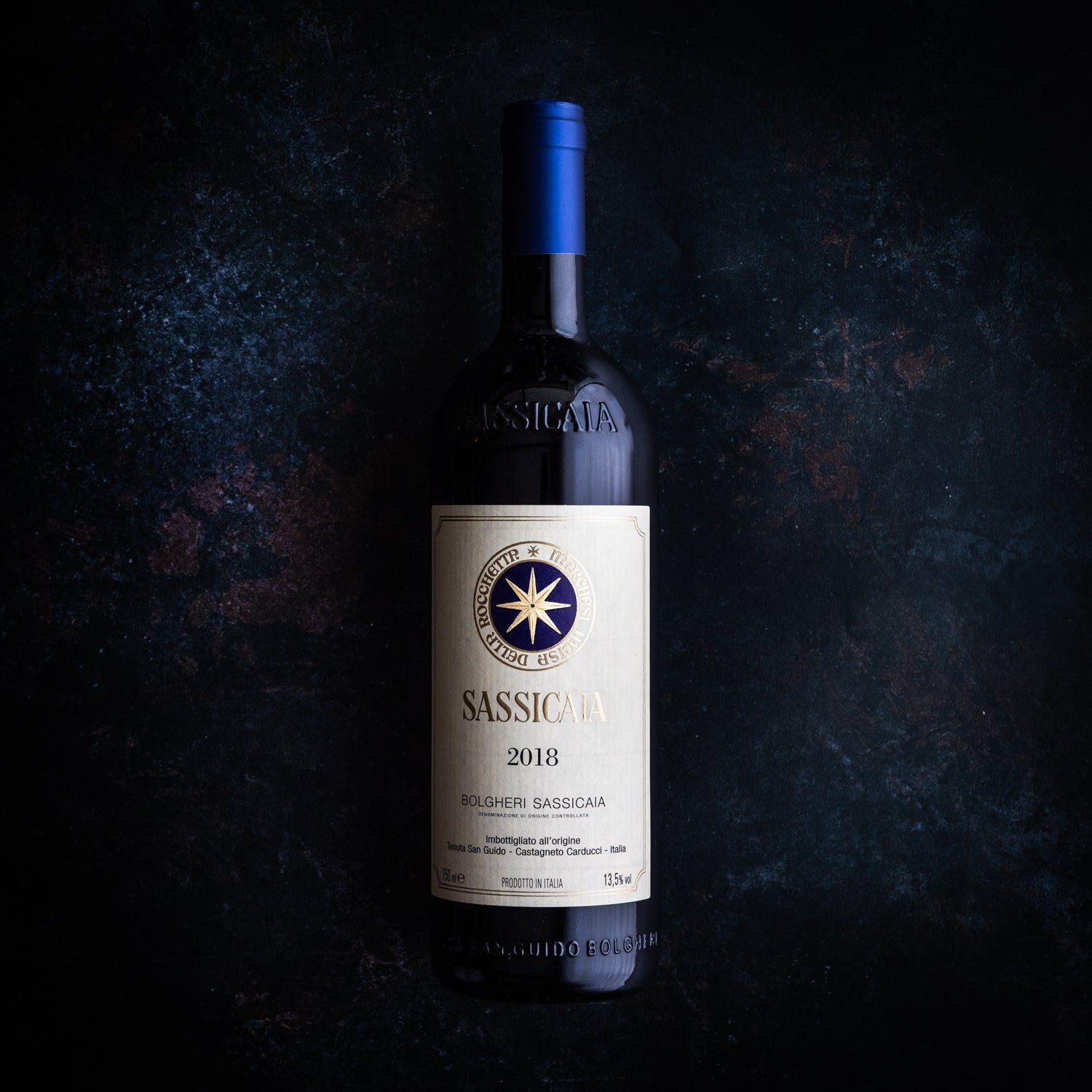
It takes a standard 750ml bottle. Young reds are worth an hour in it; older bottles want far less, and want decanting mainly to leave the sediment in the bottle. Whites and sparkling wines can go in too, though they warm quickly once poured out.
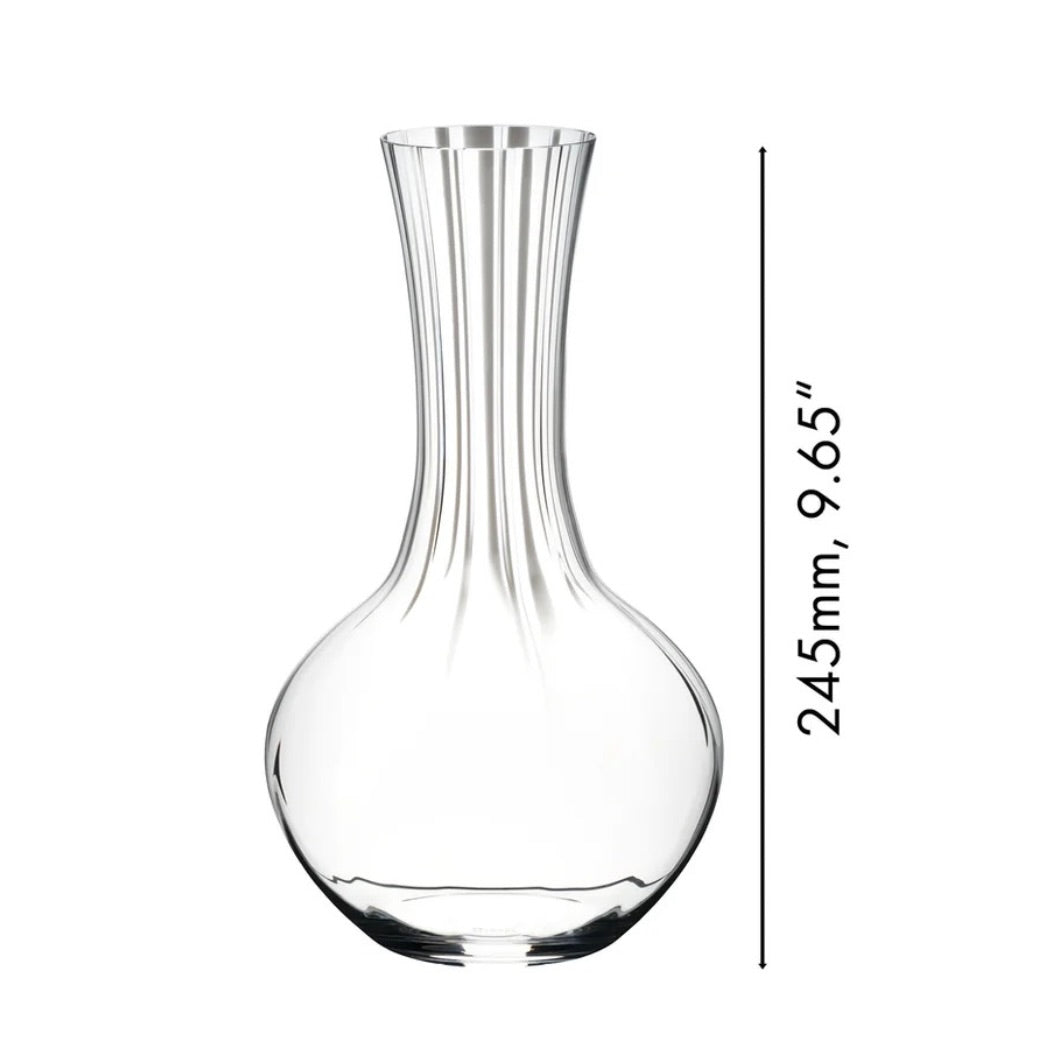
A single decanter. 245mm tall, 139mm across, holding a standard bottle. Machine-made crystal glass.
Dishwasher safe on a low temperature, on its own with nothing resting against it. Otherwise rinse with hot water straight after use and stand it upside down to drain. Detergent leaves a film that dulls aroma, and abrasive cleaners and cleaning beads scratch the inside. For staining, use a decanter cleaner made for the job.