



Citrus
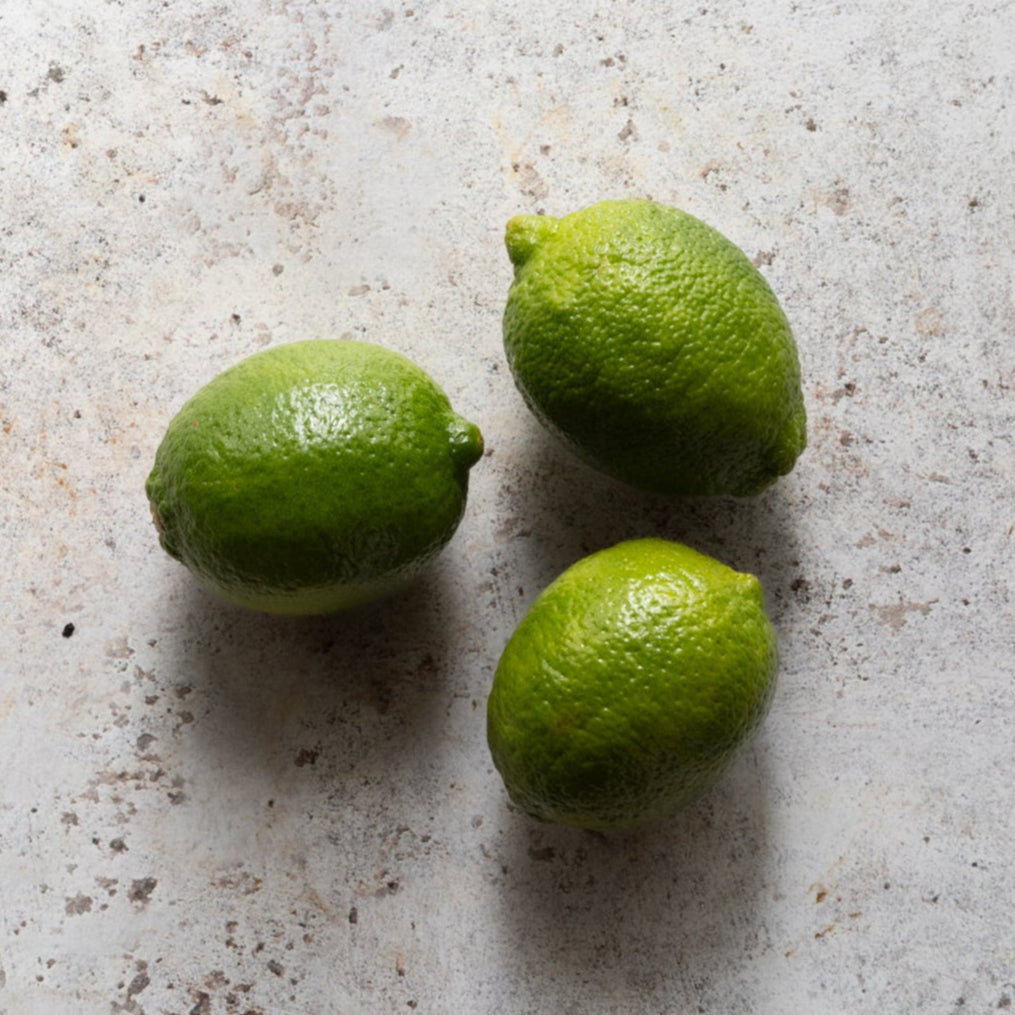
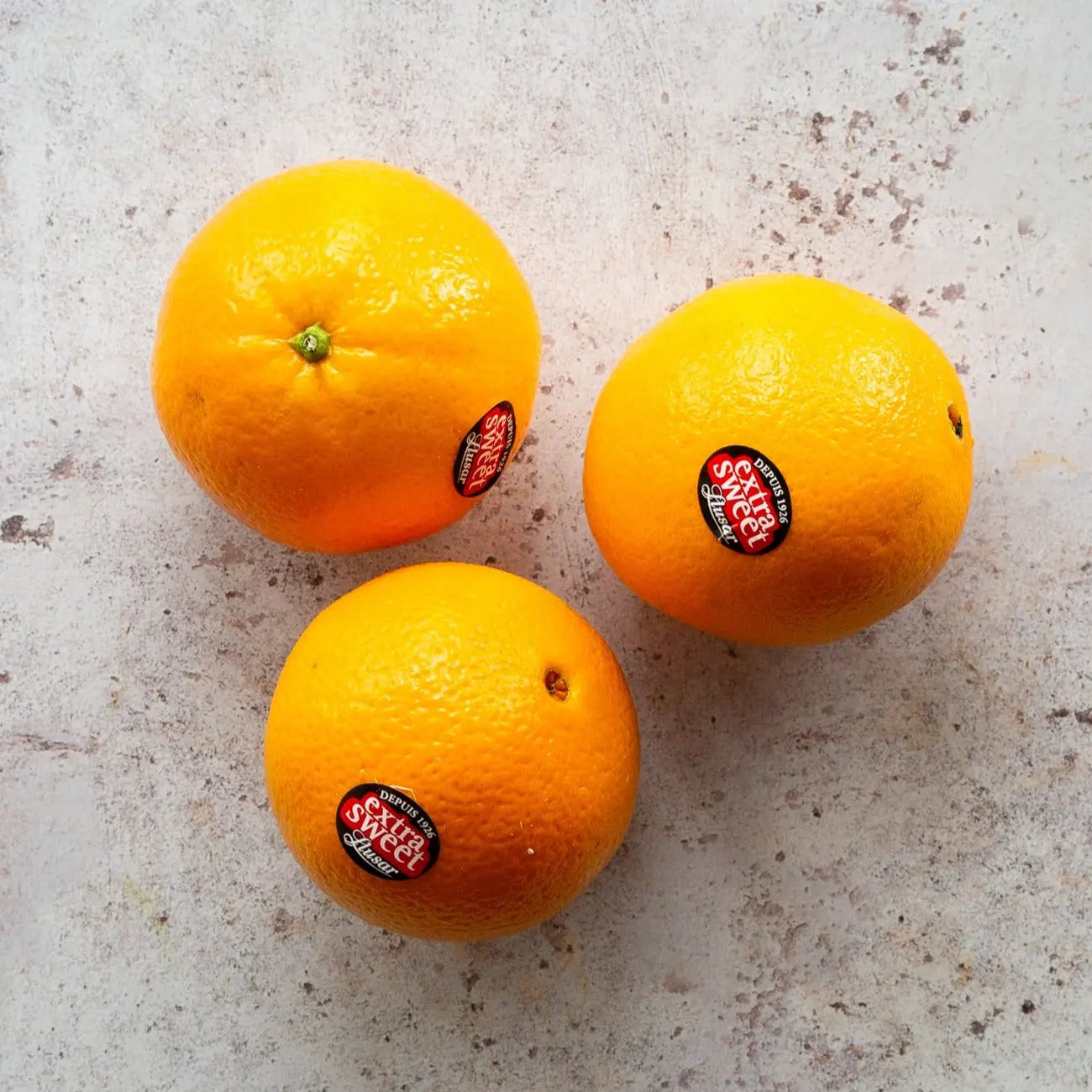
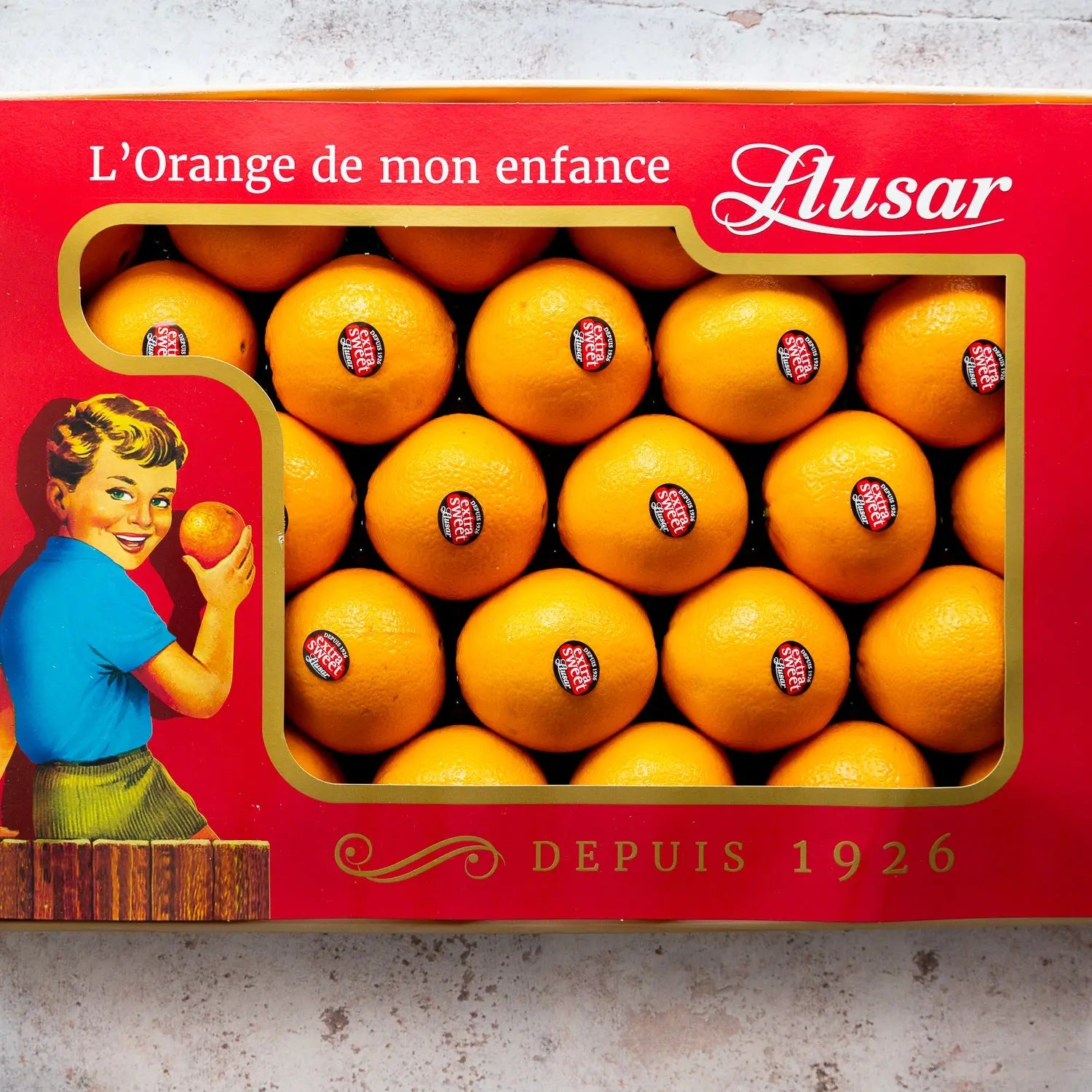
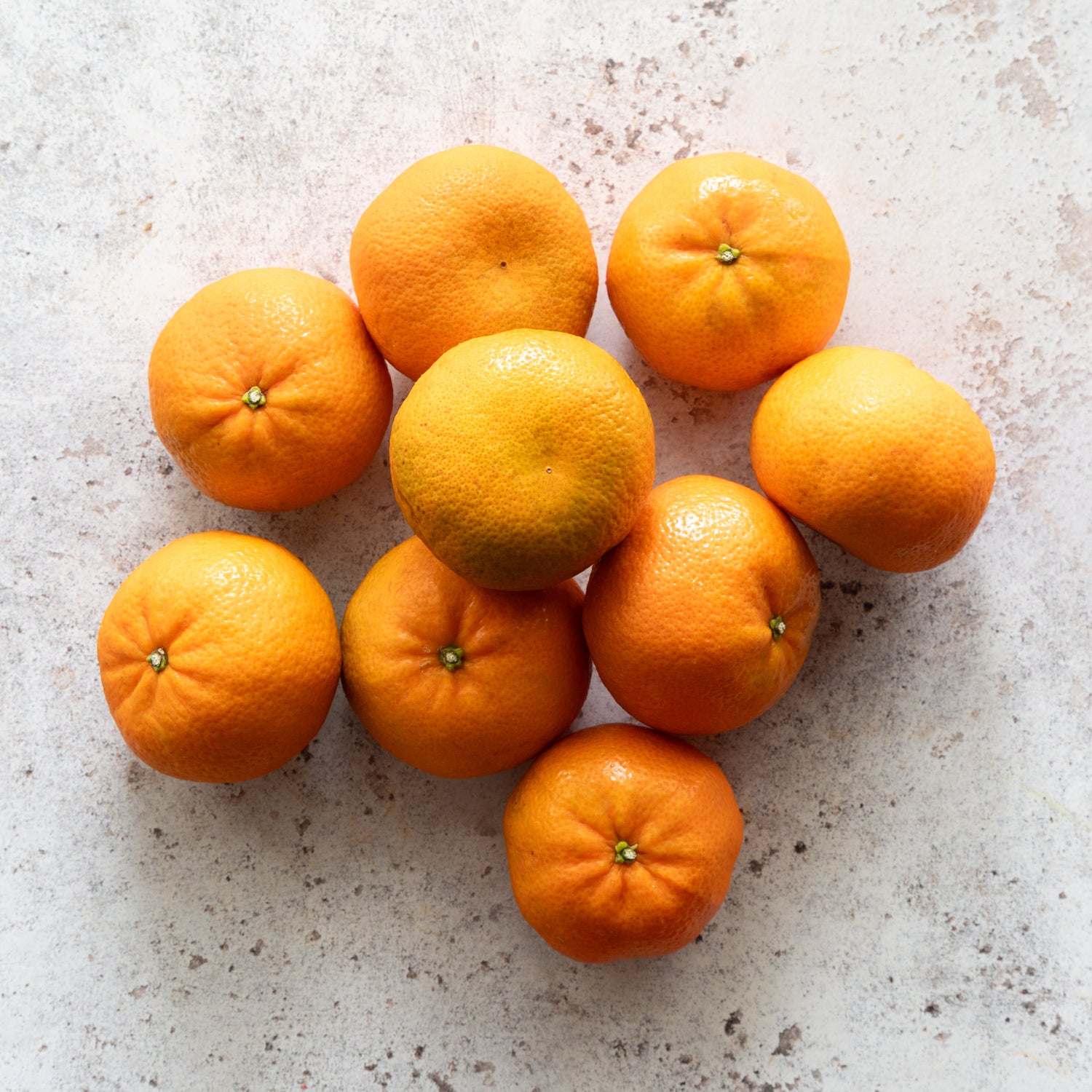
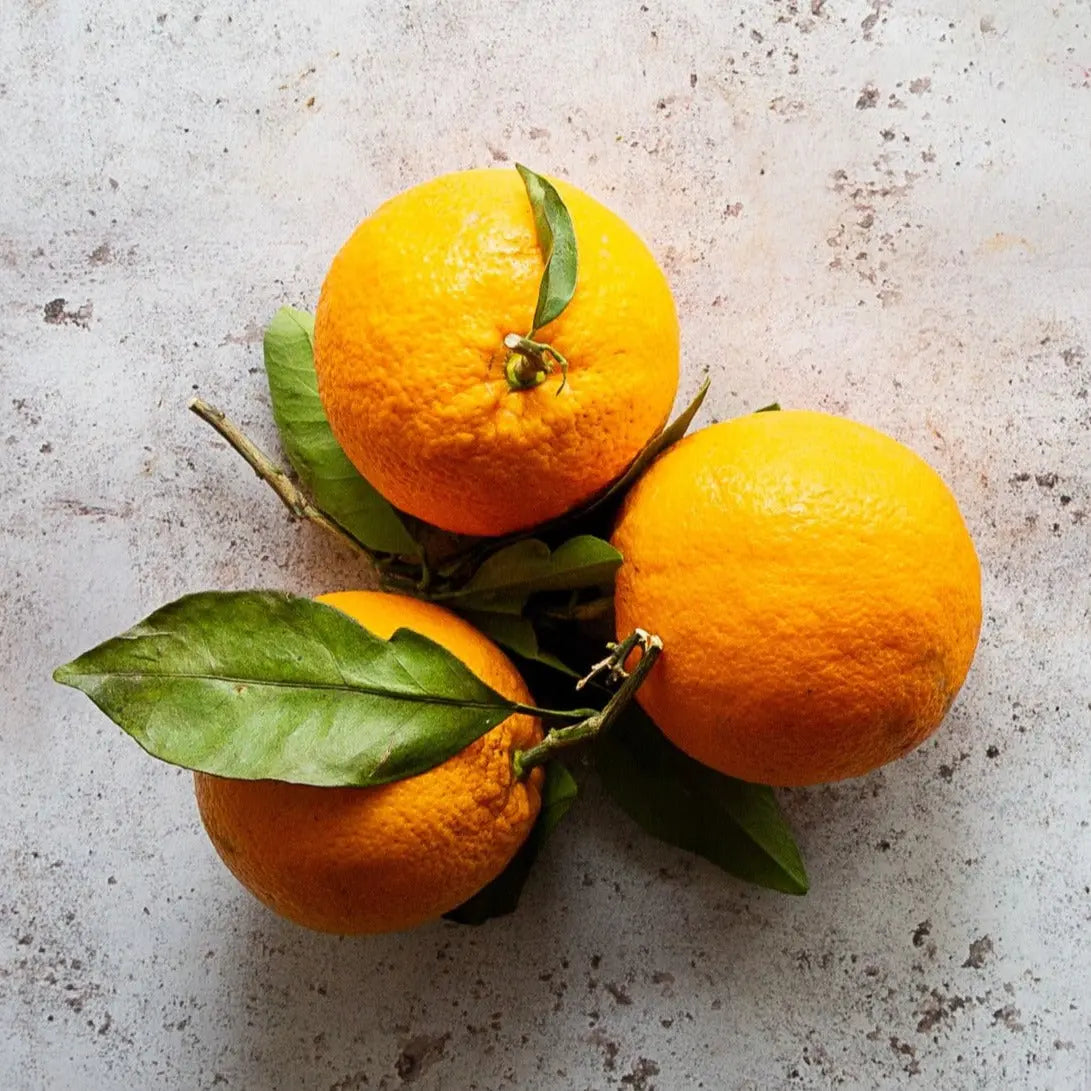
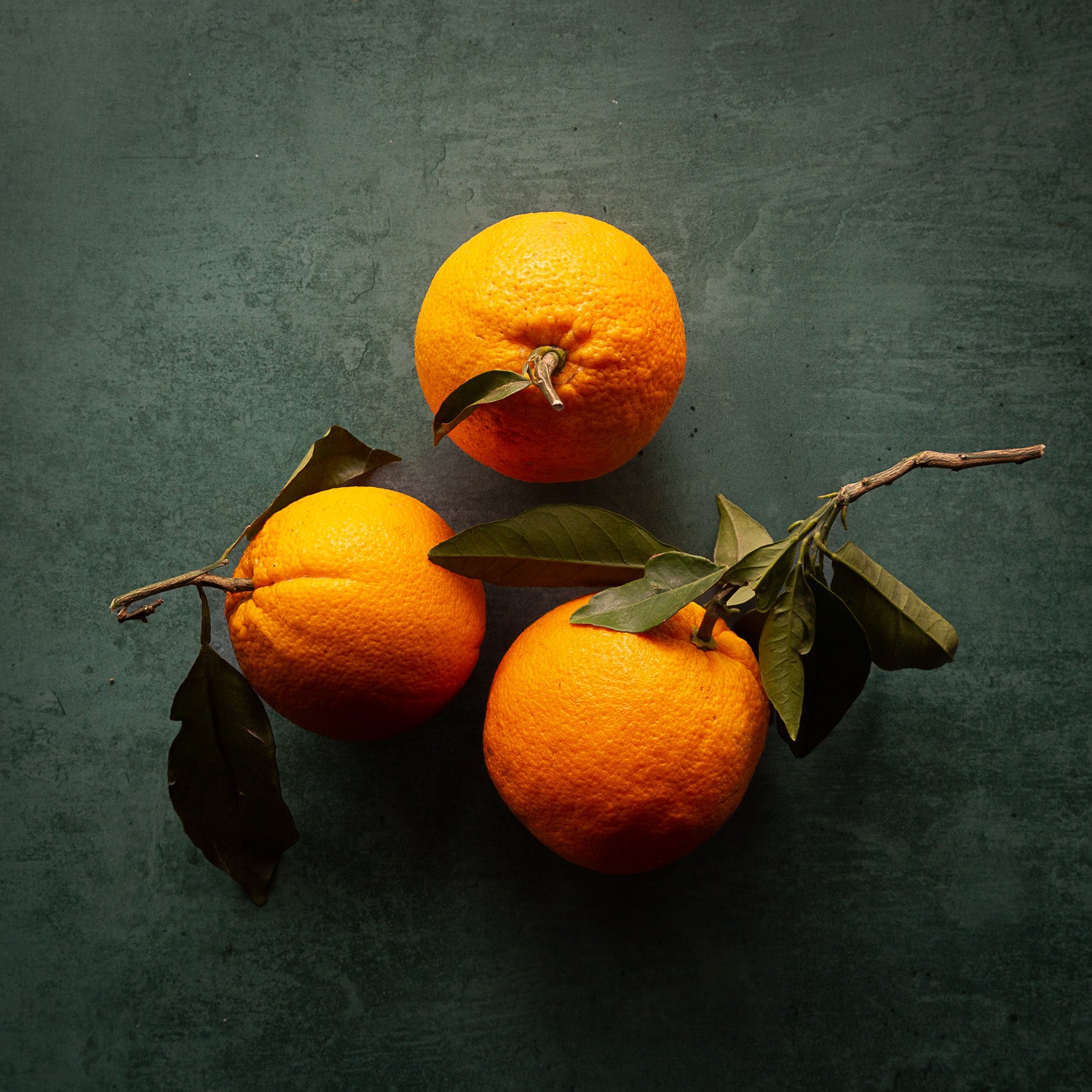
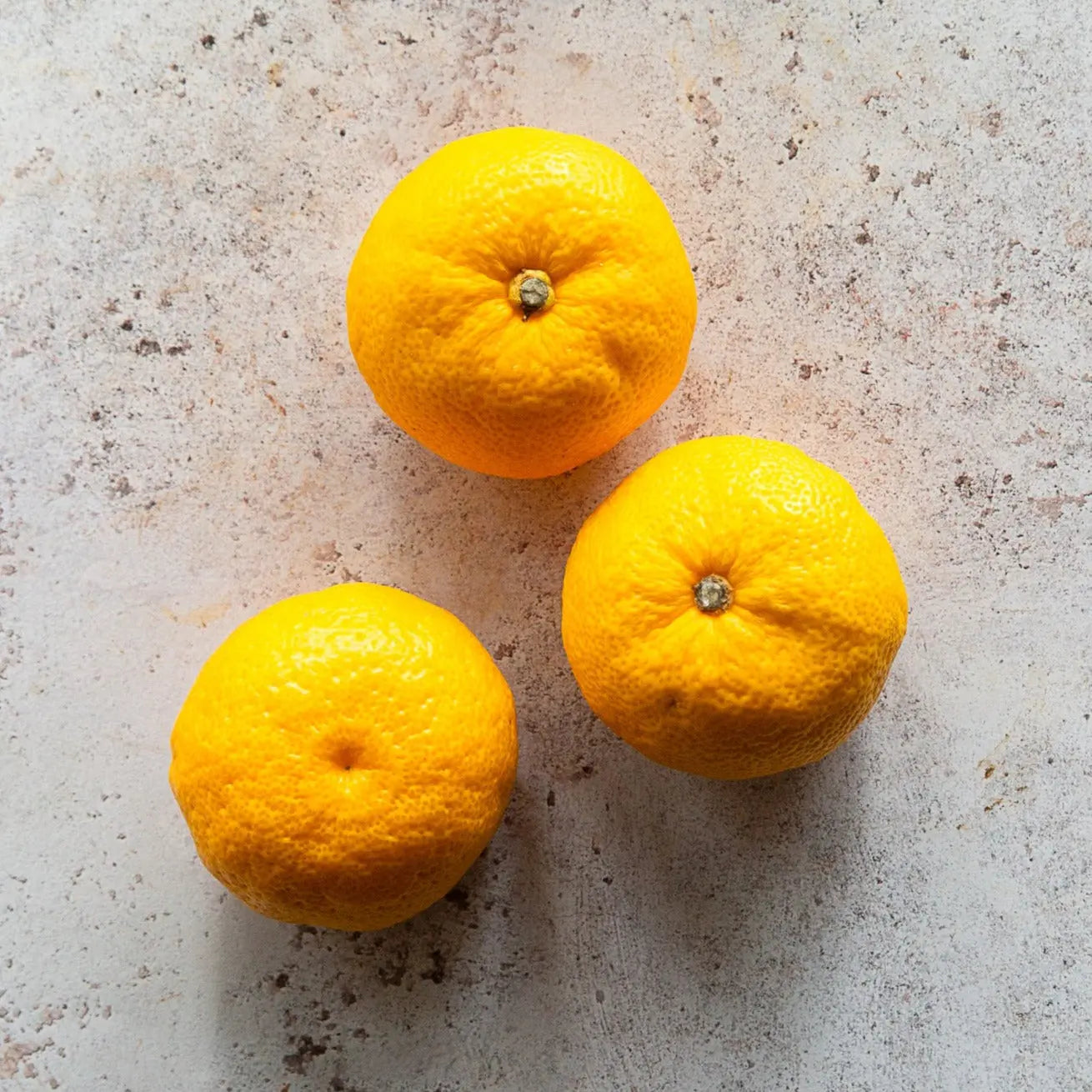
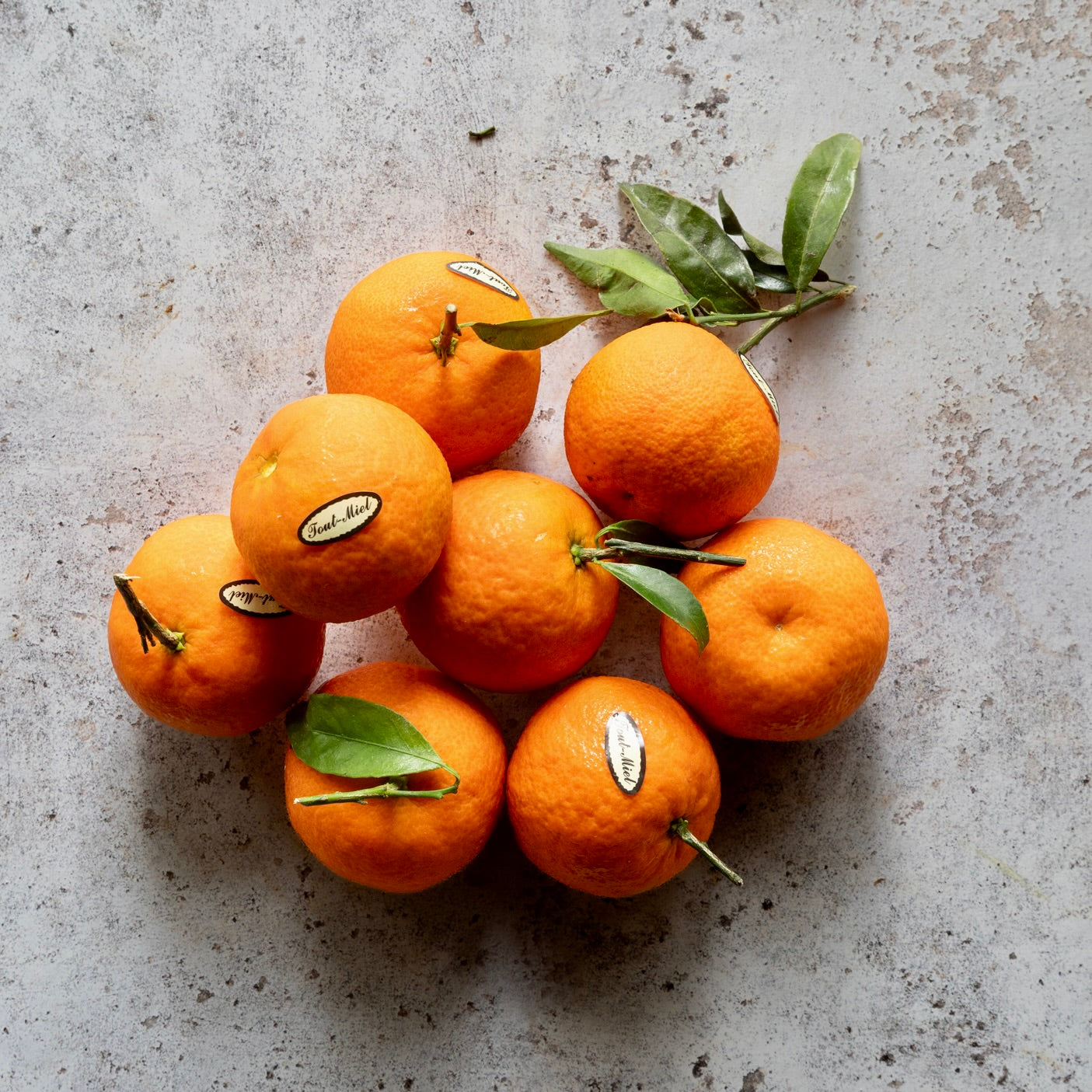
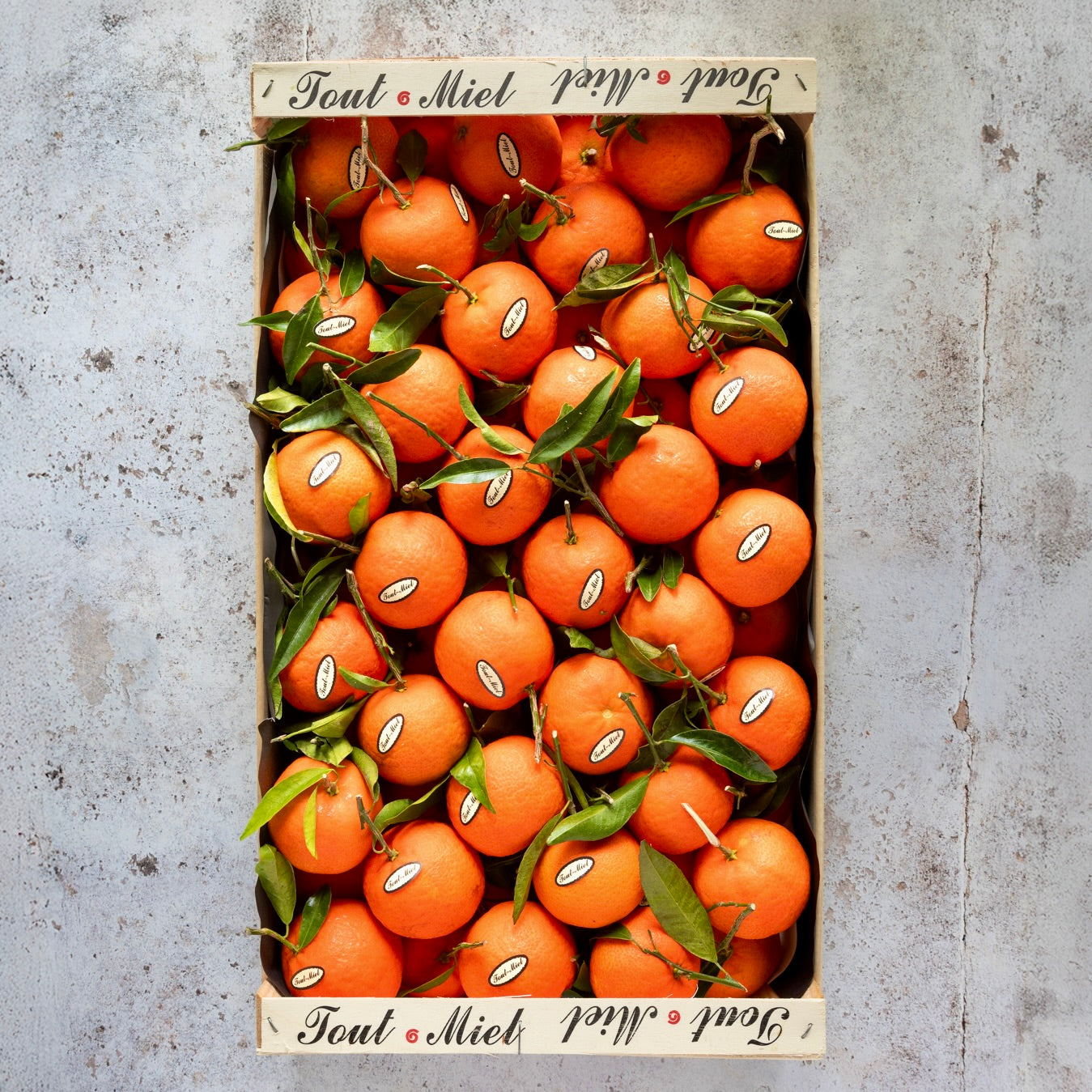
Most citrus is picked early, travelled far and treated for shelf life rather than flavour. What you find here is different.
FINE & WILD sources premium citrus through Rungis Market in Paris and directly from artisan producers across Italy, Spain and southern France — the same supply network that serves the professional kitchen trade in Europe. Amalfi lemons with IGP designation. Sicilian blood oranges at the peak of their season. Bergamot from Calabria. Menton lemons from the French Riviera. Specific varieties, specific places, available for a defined window each year.
The collection spans lemons, oranges, mandarins, clementines, pomelo and specialty varieties. Each category contains multiple distinct varieties — not generic fruit, but named, provenance-tracked ingredients with their own flavour profiles and seasonal windows.
Lemons
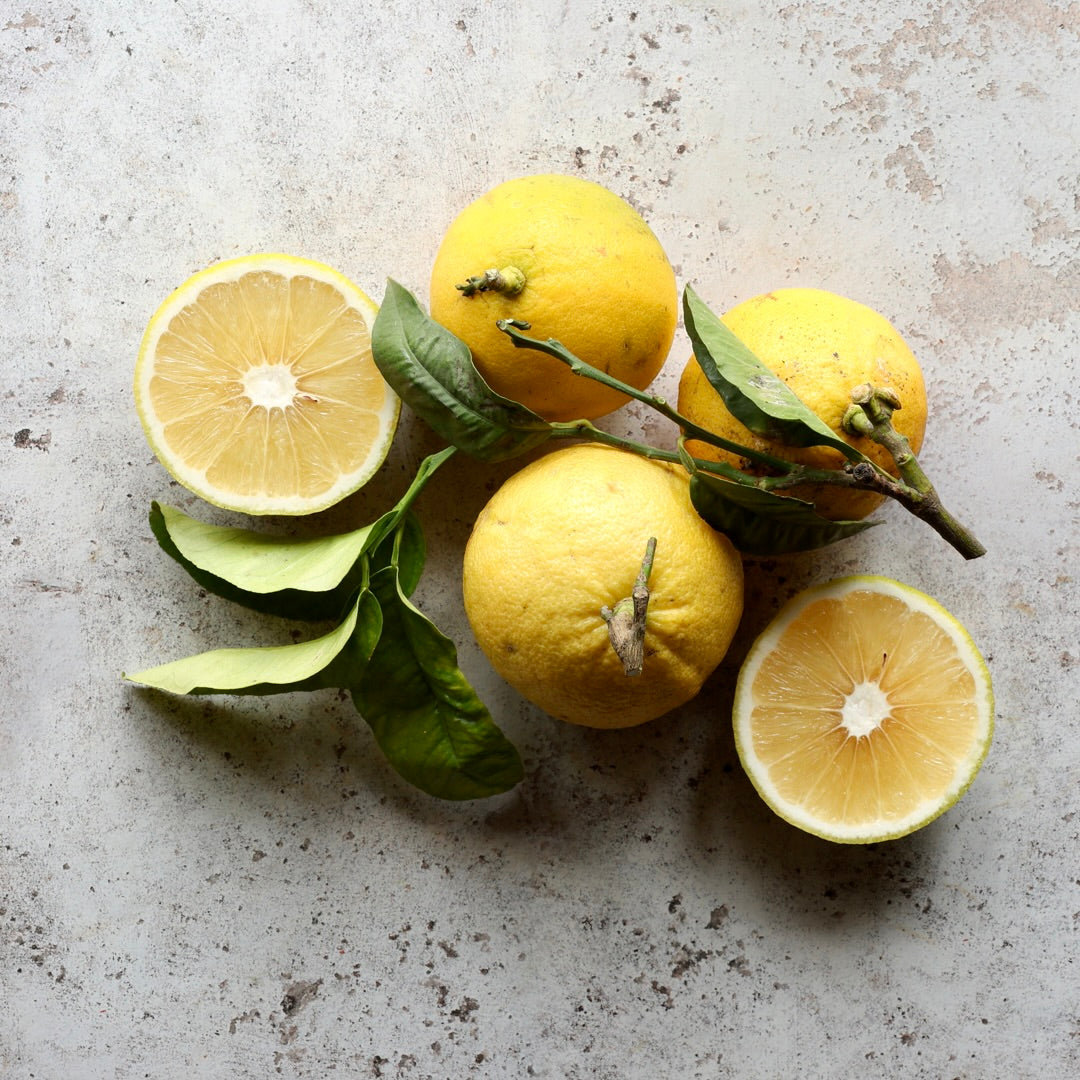
Amalfi Lemons IGP
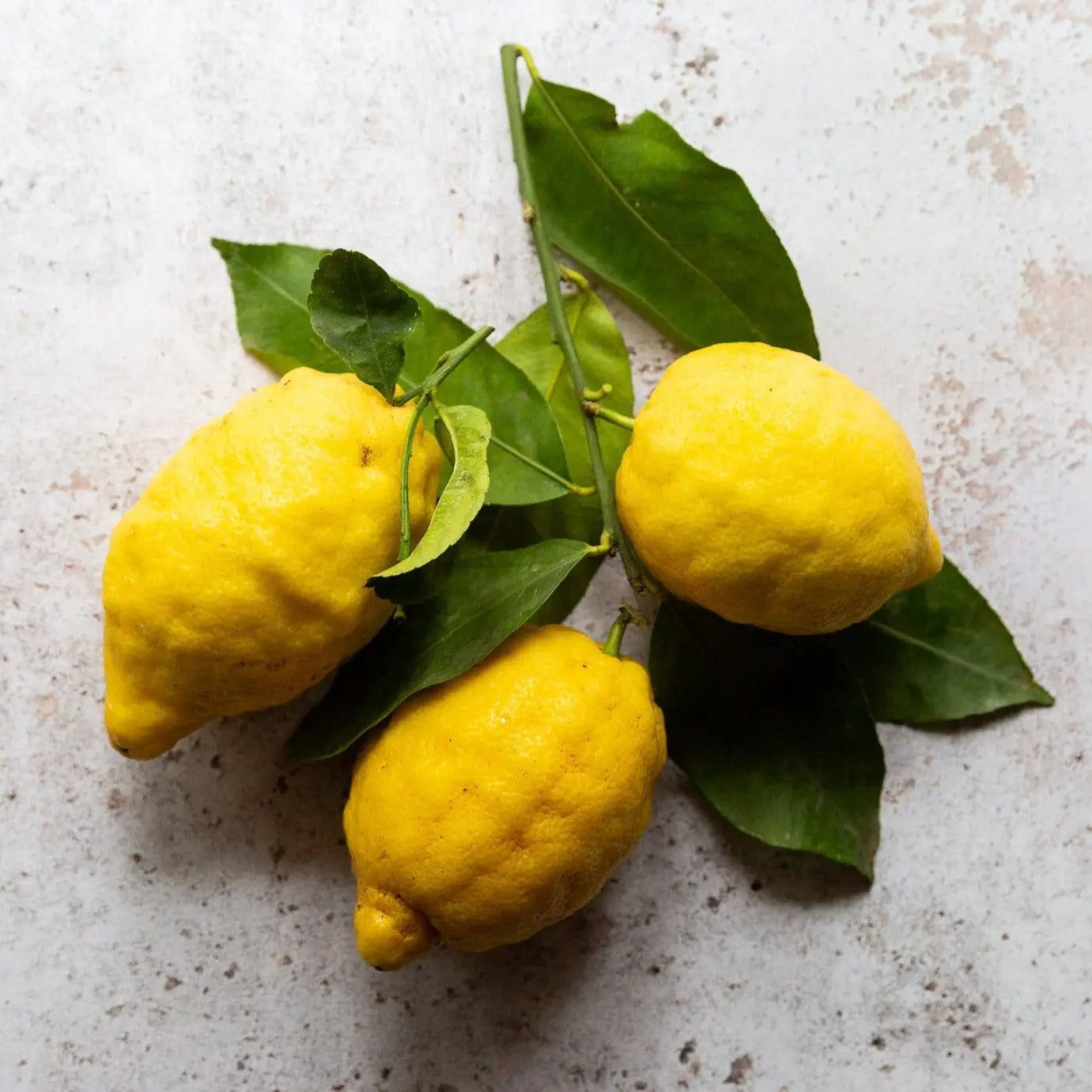
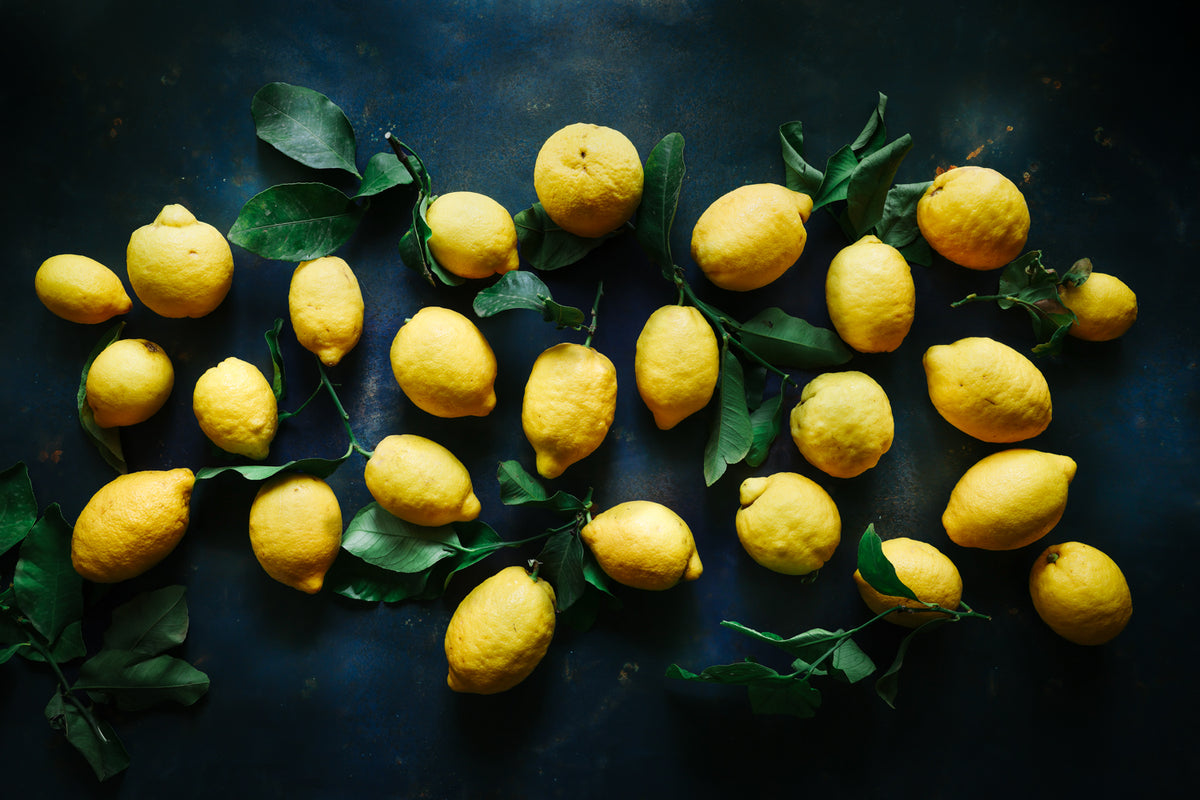
Sfusato Amalfitano — the Amalfi lemon — is one of the most celebrated citrus varieties in Europe, protected by IGP designation and grown on the terraced hillsides above the Amalfi Coast. The fruit is elongated, thick-skinned and intensely aromatic. The zest is exceptional — fragrant, complex and far more flavourful than any standard lemon. The juice is bright and clean with a natural sweetness that reduces the sharpness of standard varieties.
Season: November through August — one of the longest-season premium lemons available.
Menton Lemons IGP
Grown in the microclimate of the French Riviera town of Menton, where the combination of Mediterranean warmth and Alpine cool produces a lemon of extraordinary fragrance.
Season: November to April.
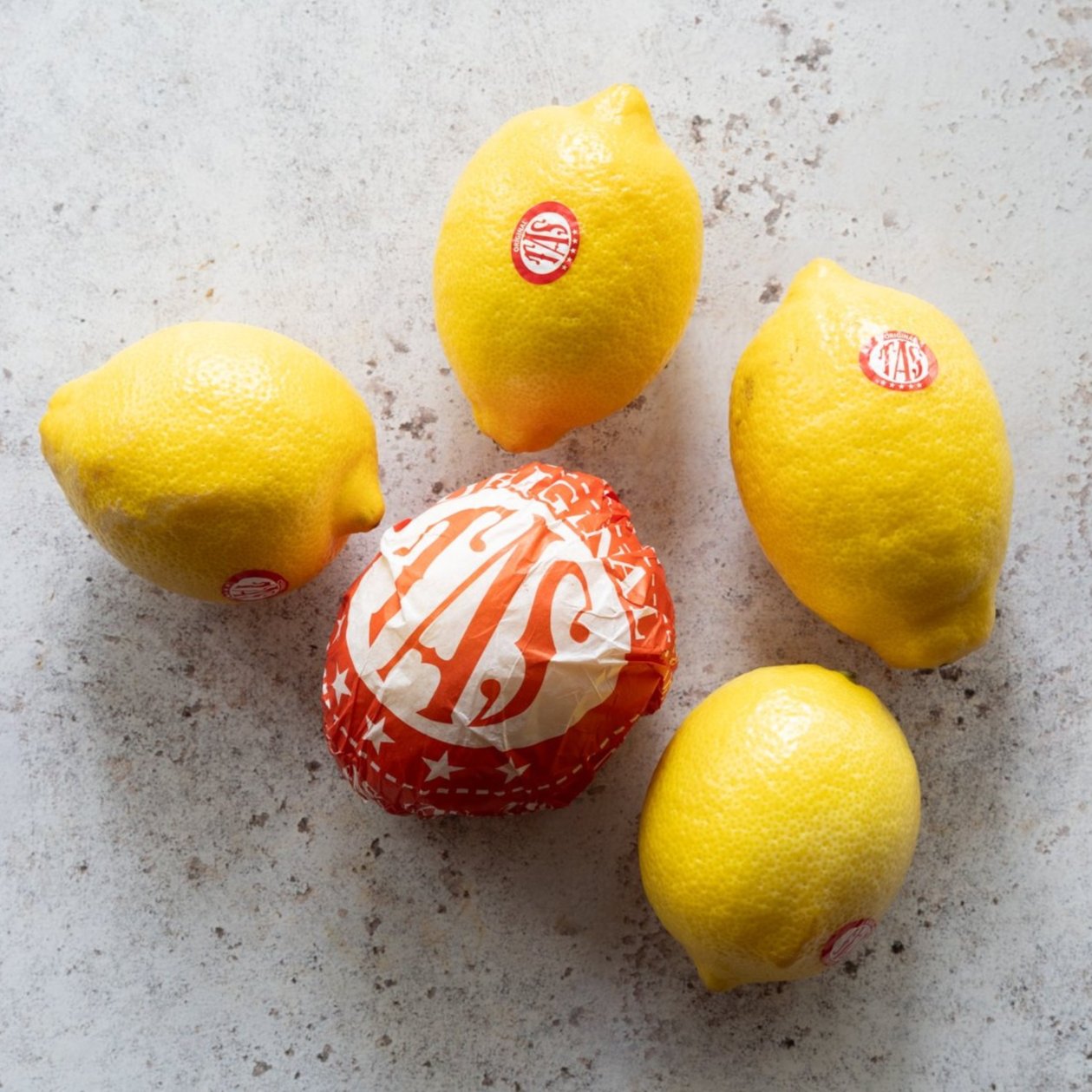
TAS Eureka Lemon
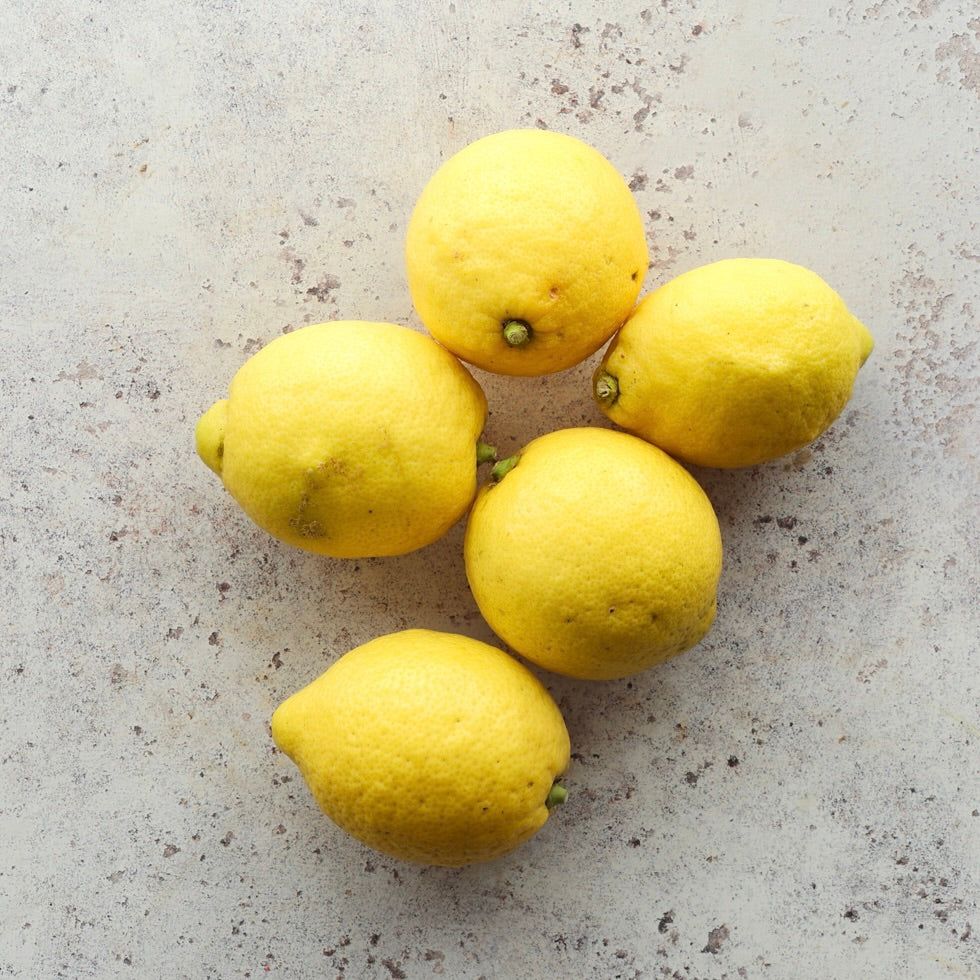
Our year-round waxed lemon and the reliable everyday option in the collection — consistent, clean, and well-suited to any application where a premium variety isn't specifically required.
Blood Oranges
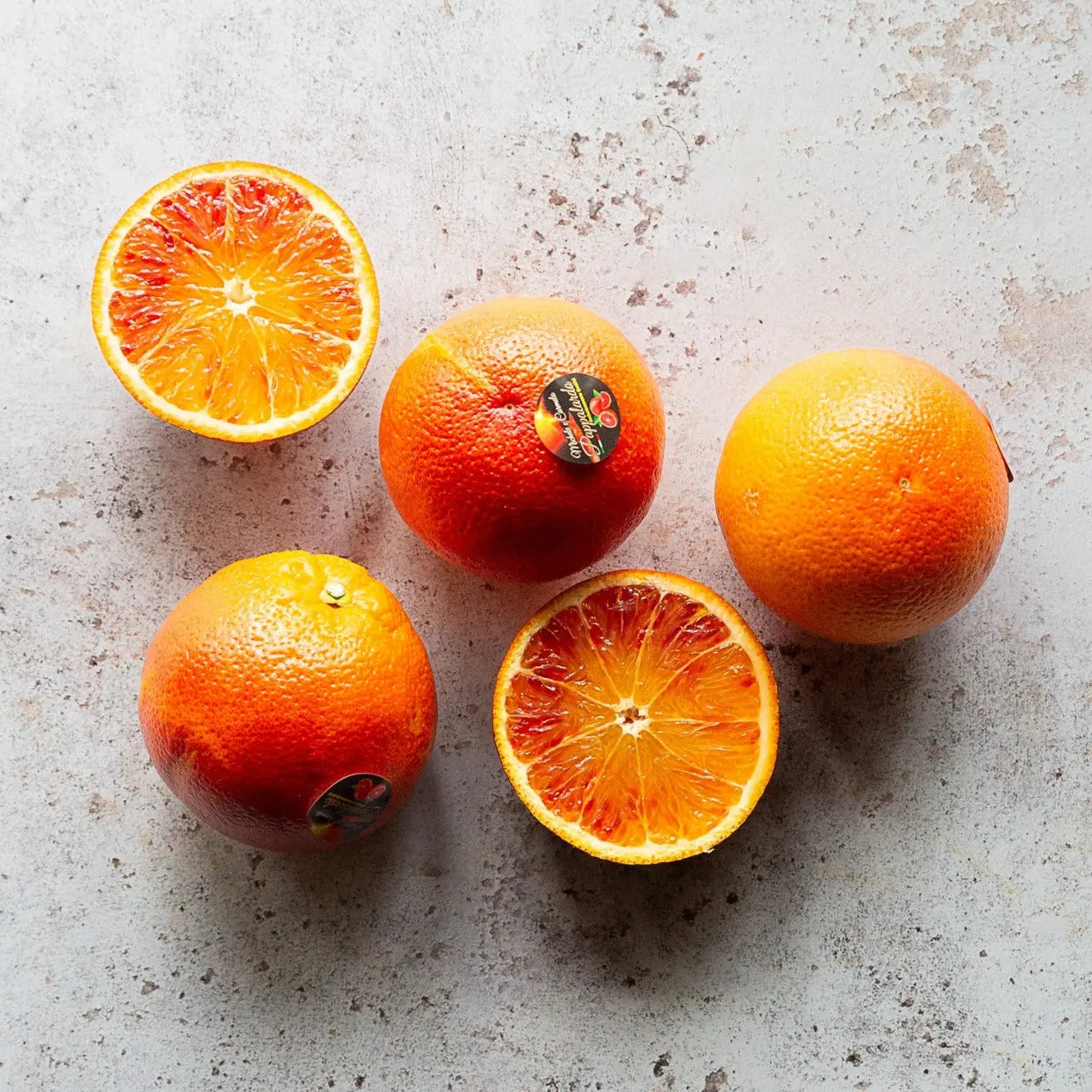
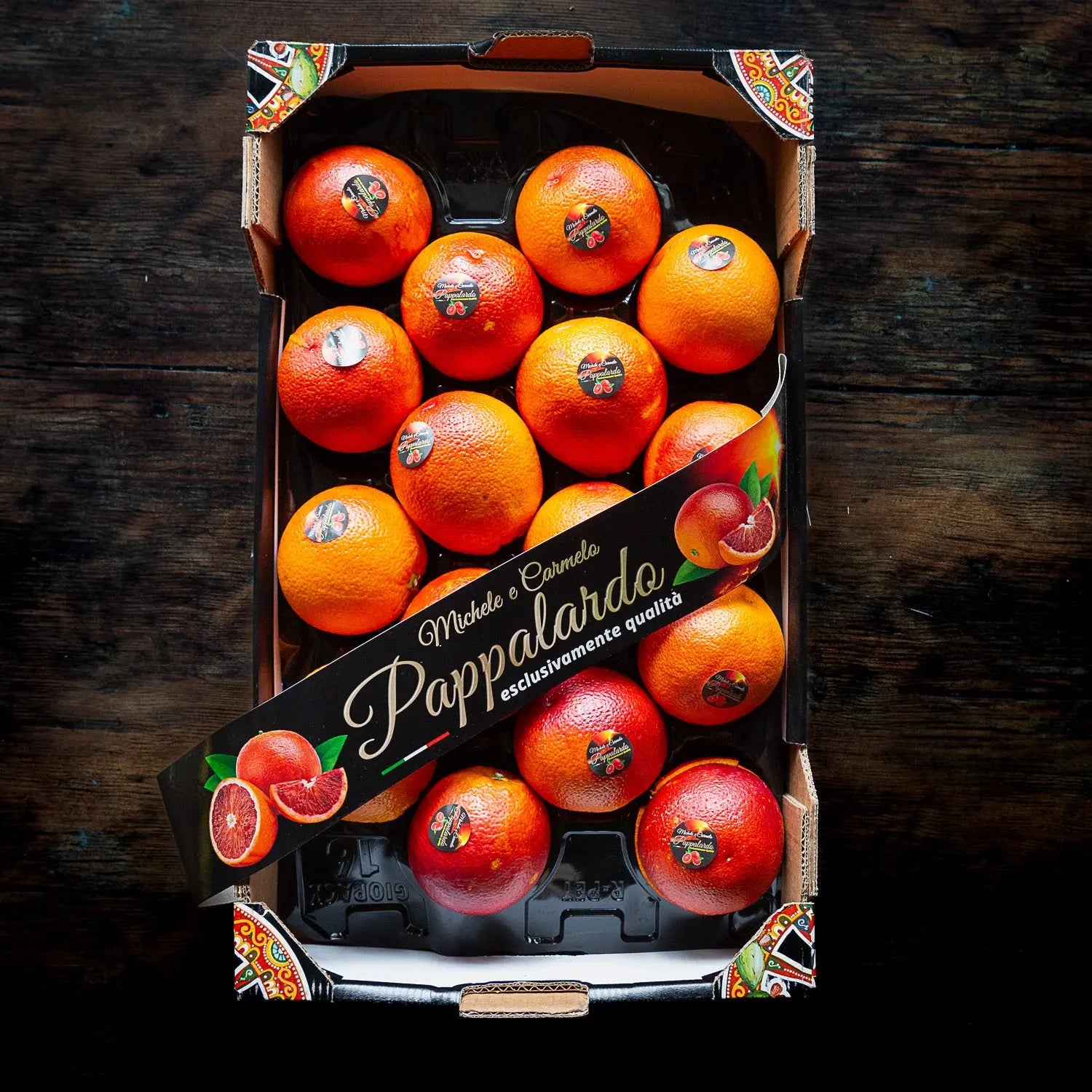
Blood oranges are among the most distinctive citrus fruits in the world. There are three principal Sicilian varieties — Moro, Tarocco and Sanguinello — each arriving at a different point in the season, each with its own flavour profile. We stock one variety at a time, rotating through the season as each comes into its window.
Moro
Arrives first in December — the deepest red of the three, almost wine-coloured, with a bold, tangy, berry-like flavour. Exceptional for juicing and visually striking in desserts and salads.
Tarocco Fire
Our primary choice for the core of the season through to March. Sweeter and more balanced than Moro, with lighter red flesh and a versatility across sweet and savoury applications that makes it the strongest all-round variety of the three.
Sanguinello
Rounds out the season in late winter and early spring — Spanish in origin, with deep red-streaked flesh, few seeds and a sweet-tart flavour.
Rare & Specialty Varieties
Bergamot
Grown almost exclusively in Calabria, southern Italy, best known as the flavouring in Earl Grey tea — though its culinary applications extend well beyond that. The juice is intensely aromatic and bracingly sour; the zest is one of the most complex in the citrus family.
Season: November to March.
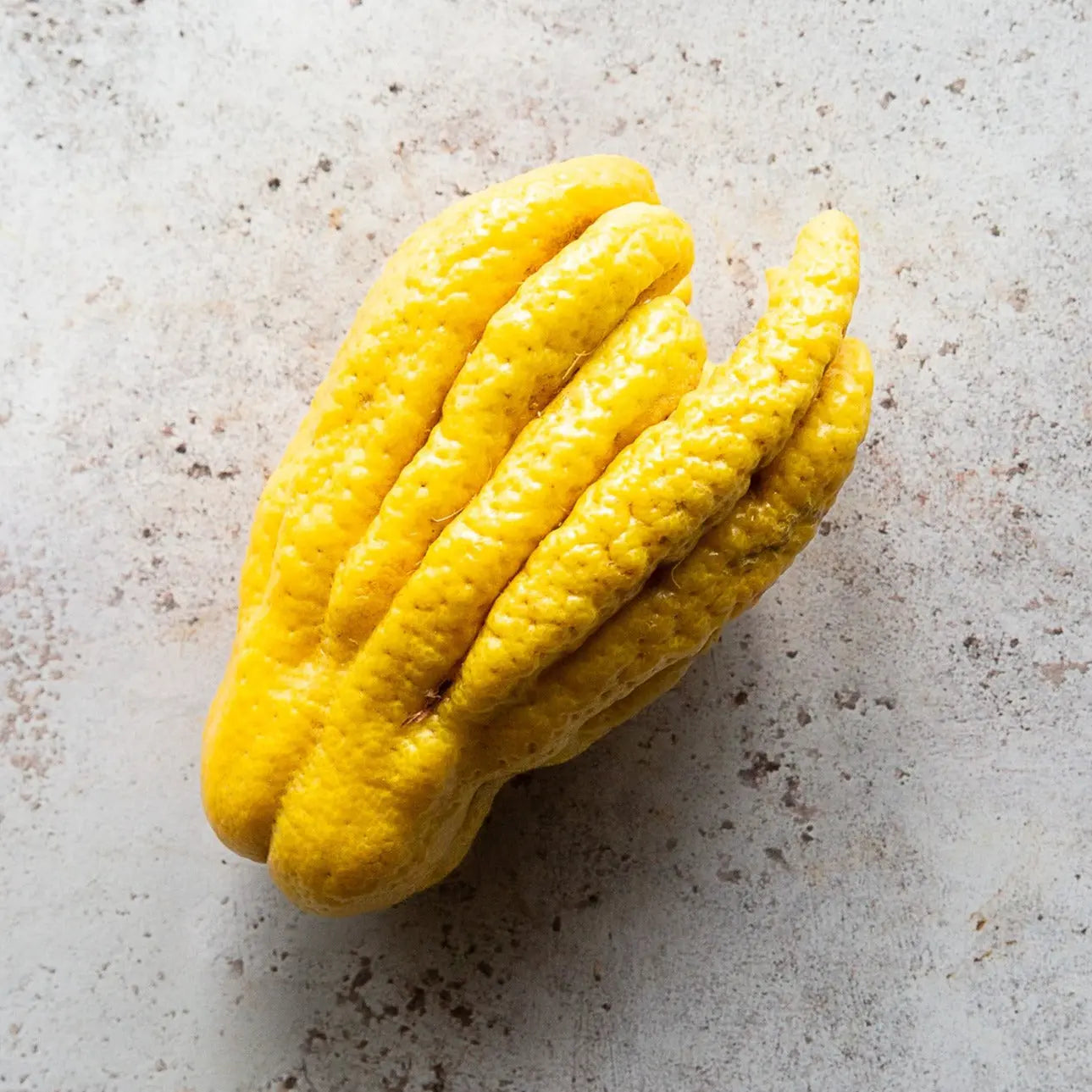
Buddha's Hand
A fingered citron — a variety of citrus that produces no juice or flesh, only zest and pith. Grown for its extraordinary fragrance and used almost entirely for its aromatic qualities: zested into desserts, infused into spirits, or used as a natural room fragrance. From Spain.
Season: October to March.
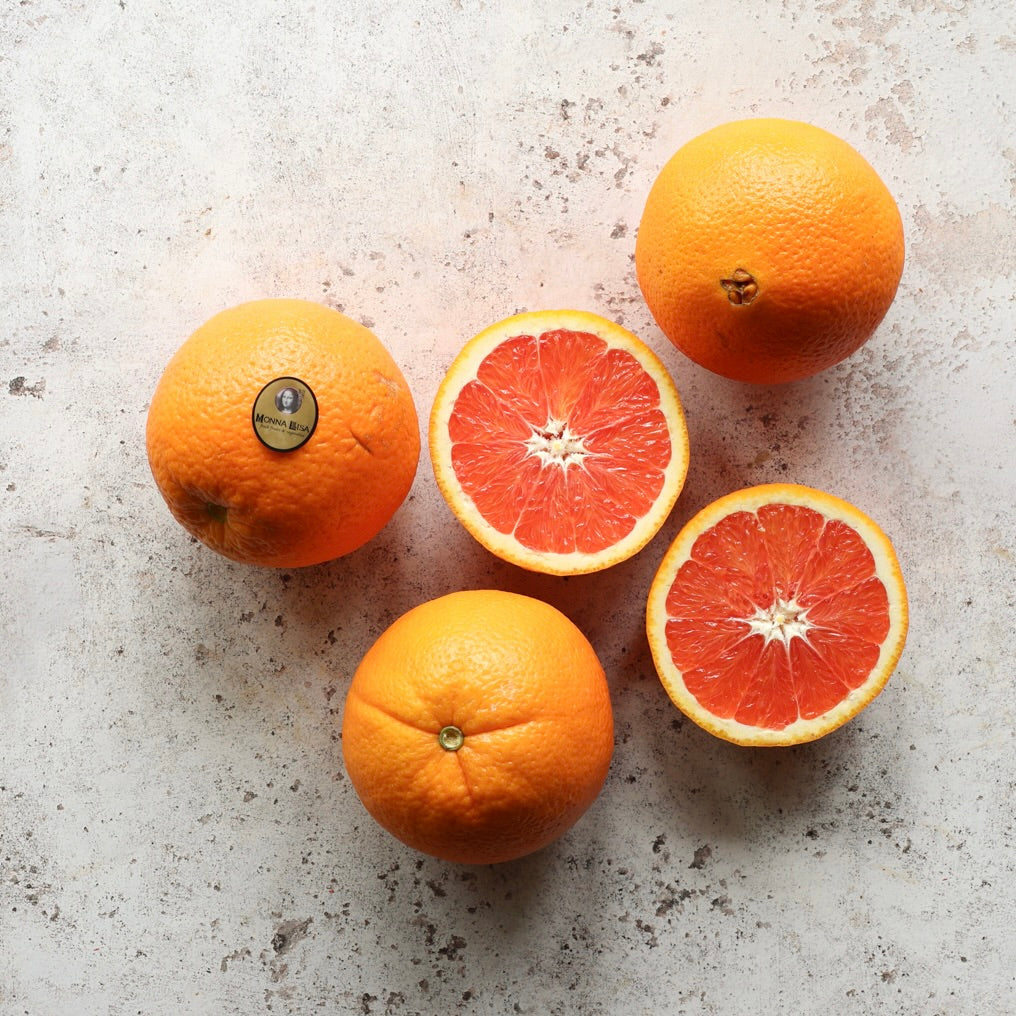
Cara Cara Oranges
A navel orange variety with distinctive pink-red flesh and a sweeter, lower-acid flavour profile than standard navels. From Spain.
Season: December to February.
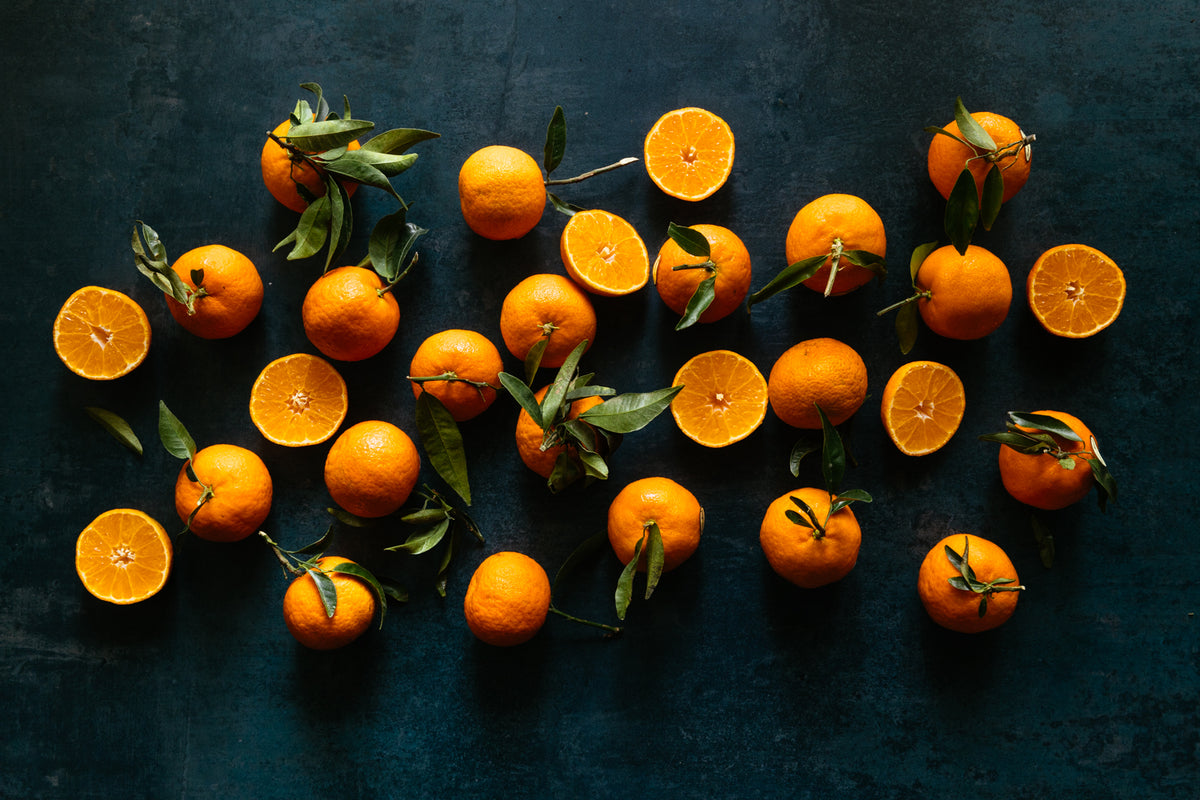
Nadorcott Mandarins
A late-season Valencian variety — one of the last mandarins to come into season — with a deep orange skin, rich sweetness and excellent eating quality.
Season: March to July/August.
Sicilian Oranges & Tiger Lemons
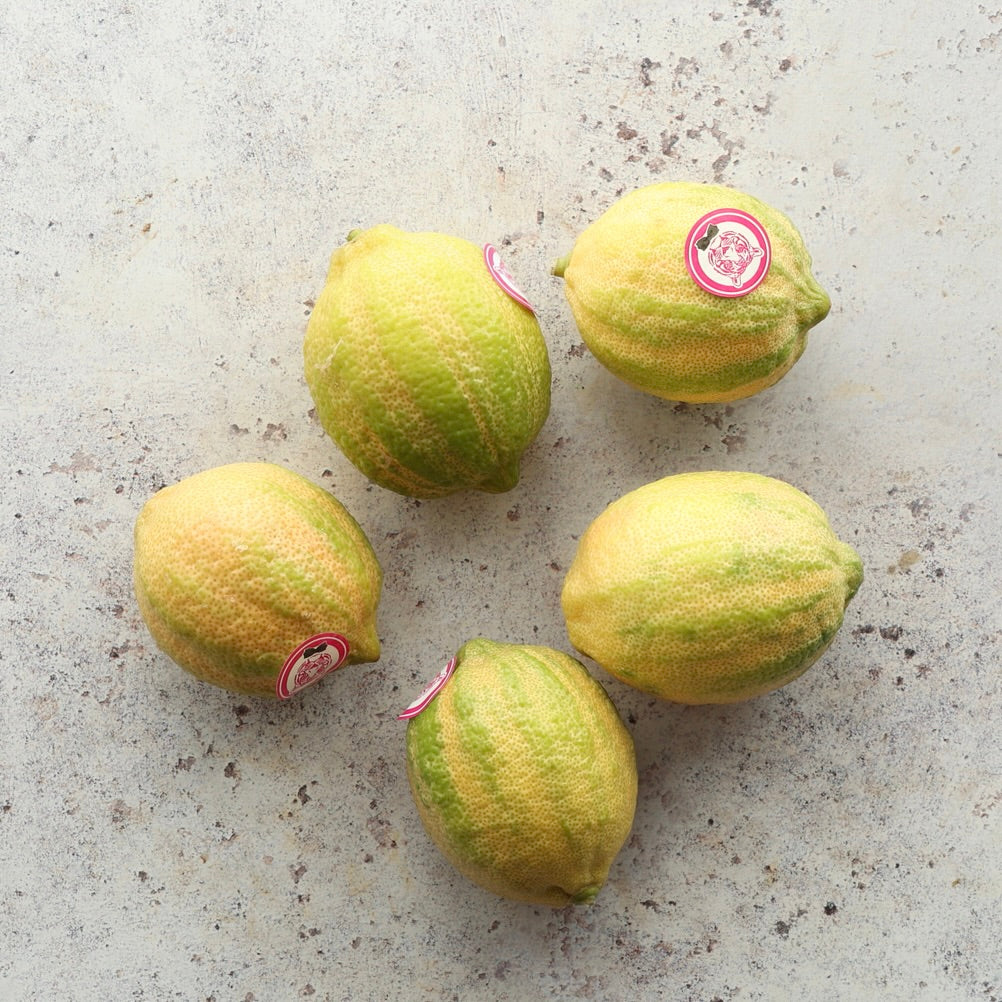
Sicilian oranges run October to April — leafy, fragrant and a significant step above standard eating oranges. Tiger lemons from Sicily have a distinctive striped skin that fades as the fruit matures; they're picked slightly early to preserve the marking, which has become a quality signal in the professional trade.
Cooking With Citrus
Zest
Zest is where the flavour compounds in citrus are most concentrated. The essential oils in the outer layer of the skin are more complex and more fragrant than the juice, and for cooking purposes — particularly baking, curing and finishing — zest is often the more valuable part of the fruit. Use a fine Microplane for maximum fragrance with minimum pith. Zest only the coloured outer layer; the white pith beneath is bitter and adds nothing.
Amalfi and Menton lemons produce exceptional zest — aromatic and complex in ways that standard unwaxed lemons are not. Buddha's Hand is almost entirely zest and pith with no juice or flesh — worth having on hand for infusions, sugar scrubs and finishing desserts.
Lemon For Fish
Lemon and fish is one of the most fundamental pairings in European cooking, but variety matters more than most cooks appreciate. Amalfi lemon over grilled sea bass or turbot brings a fragrance and brightness that a standard lemon cannot match — the zest alone changes the character of the dish. For a lemon butter sauce with fish, the juice of a Tiger Lemon from Sicily gives a cleaner, more balanced result. The TAS Eureka is the reliable everyday option.
Blood Orange Desserts
Blood oranges are among the most versatile citrus fruits for pastry and dessert work. The colour alone — from deep crimson to ruby red depending on variety — makes them visually exceptional in tarts, sorbets, jellies and caramel sauces. Moro, with its intense berry-like flavour, is particularly well suited to sorbets and granitas where the juice is the hero. Tarocco Fire, with its more balanced sweetness, works well in tarts and upside-down cakes. A blood orange curd — made identically to lemon curd — produces a result of extraordinary colour and flavour.
Citrus Curing Salt
A mixture of fine salt and citrus zest is one of the simplest and most useful preparations in the professional kitchen, used to cure fish, season meat before roasting, and finish dishes at the pass. Combine fine sea salt with the zest of your chosen citrus in a ratio of roughly 3:1 by weight, mix thoroughly and allow to dry before storing.
Citrus For Cocktails
Citrus is the backbone of the cocktail canon — from the sour family to the spritz, from a simple gin and tonic garnish to a complex shrub. The variety matters more in drinks than most appreciate, because flavour compounds that survive cooking often disappear in a glass.
Mexican limes — available year-round via air freight — are the workhorse of the cocktail bar, bringing a sharper, more aromatic acidity than standard limes that makes a genuine difference in a Margarita or a Daiquiri. Bergamot juice adds an Earl Grey complexity to gin-based drinks that no other ingredient replicates. Cara Cara orange — low acid, deeply sweet — transforms a Negroni or a Paloma. Tarocco blood orange juice in a Campari spritz or a whisky sour brings colour and a berry depth that standard orange juice lacks entirely.
Storage
The citrus in this collection is unwaxed and untreated — it has not been coated or processed for extended shelf life in the way that mass-produced fruit is. As a result it's more volatile than you might expect and won't last as long at room temperature.
For use within three to four days, keep at cool room temperature — the essential oils in the zest are more expressive at ambient temperature than cold. If you're not planning to use it within that window, refrigerate immediately on delivery and remove a little while before use to allow the fragrance to return.
Shelf Life
Whole unwaxed lemons at room temperature: three to five days. Refrigerated: up to two weeks. Waxed lemons (TAS Eureka) last a little longer at room temperature — up to a week — because the wax coating slows moisture loss. Amalfi and Menton lemons are best used within a few days of delivery for maximum zest quality. The juice keeps well but the aromatic compounds in the zest diminish quickly.
Keeping Citrus Longer
The single most effective method for extending citrus life is refrigeration in a sealed bag with as much air removed as possible. Moisture loss is the primary cause of citrus deterioration — a dried-out lemon has lost much of its juice and all of its zest quality before it shows any visible signs of age.
For lemons bought specifically for zest, zest them on arrival and freeze the zest in a small container. It keeps for three months and can be used directly from frozen.
How To Tell If Citrus Is Fresh
Fresh citrus should feel heavy for its size — weight indicates juice content. Skin should be firm and resilient with a slight give; very hard skin indicates immaturity or excessive dryness; soft, spongy skin indicates deterioration. Mould, off smells or significant skin wrinkling are clear indicators of fruit past its best.
Bergamot and Buddha's Hand should be assessed primarily by fragrance — diminished aroma is the clearest sign of quality loss, and appearance alone is not a reliable guide with either variety.
Origins & Provenance
Amalfi
The Sfusato Amalfitano lemon has been cultivated on the terraced hillsides of the Amalfi Coast since at least the 11th century. The IGP designation — Indicazione Geografica Protetta — restricts production to a defined area of the Campania coast and sets specific standards for variety, cultivation method and fruit characteristics. The combination of steep coastal terracing, Mediterranean climate and the specific microclimate created by the hills above the coast produces a lemon unlike those grown on flatter, more accessible ground — larger, more aromatic, lower in acidity and richer in essential oils in the zest than a standard unwaxed lemon.
Sicily
Italy produces some of the most distinctive citrus in the world, concentrated primarily in Sicily and Campania. The volcanic soils of Sicily — particularly around Etna — are credited with the intense pigmentation and flavour of Sicilian blood oranges, a characteristic that cannot be replicated in fruit grown elsewhere.
The three principal blood orange varieties — Moro, Tarocco and Sanguinello — are grown almost exclusively in eastern Sicily, where volcanic soil and significant day-to-night temperature variation trigger the anthocyanin production that creates the characteristic red pigmentation. Without that temperature variation, blood oranges grown in warmer, more stable climates produce far less colour and intensity.
Spain vs. Italy
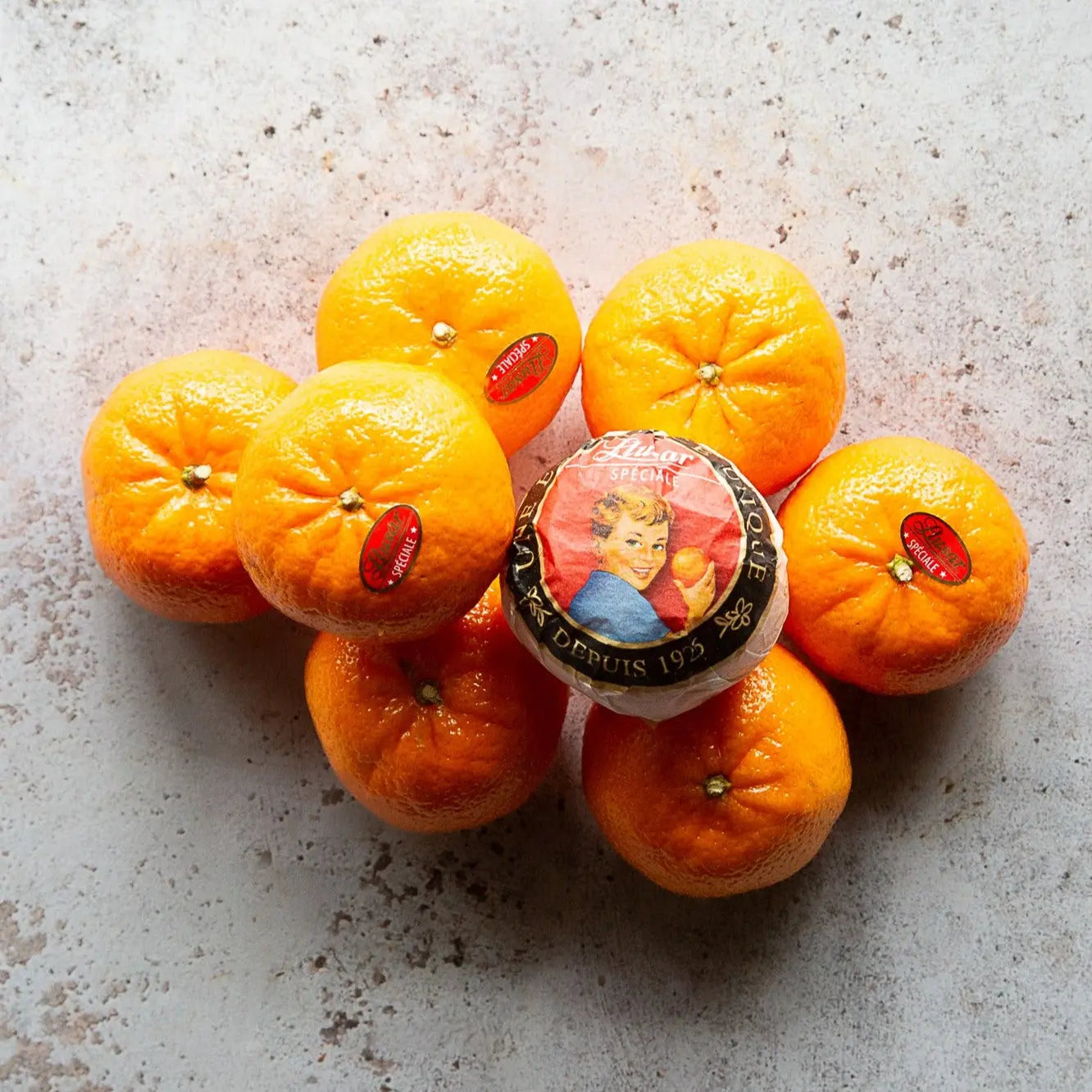
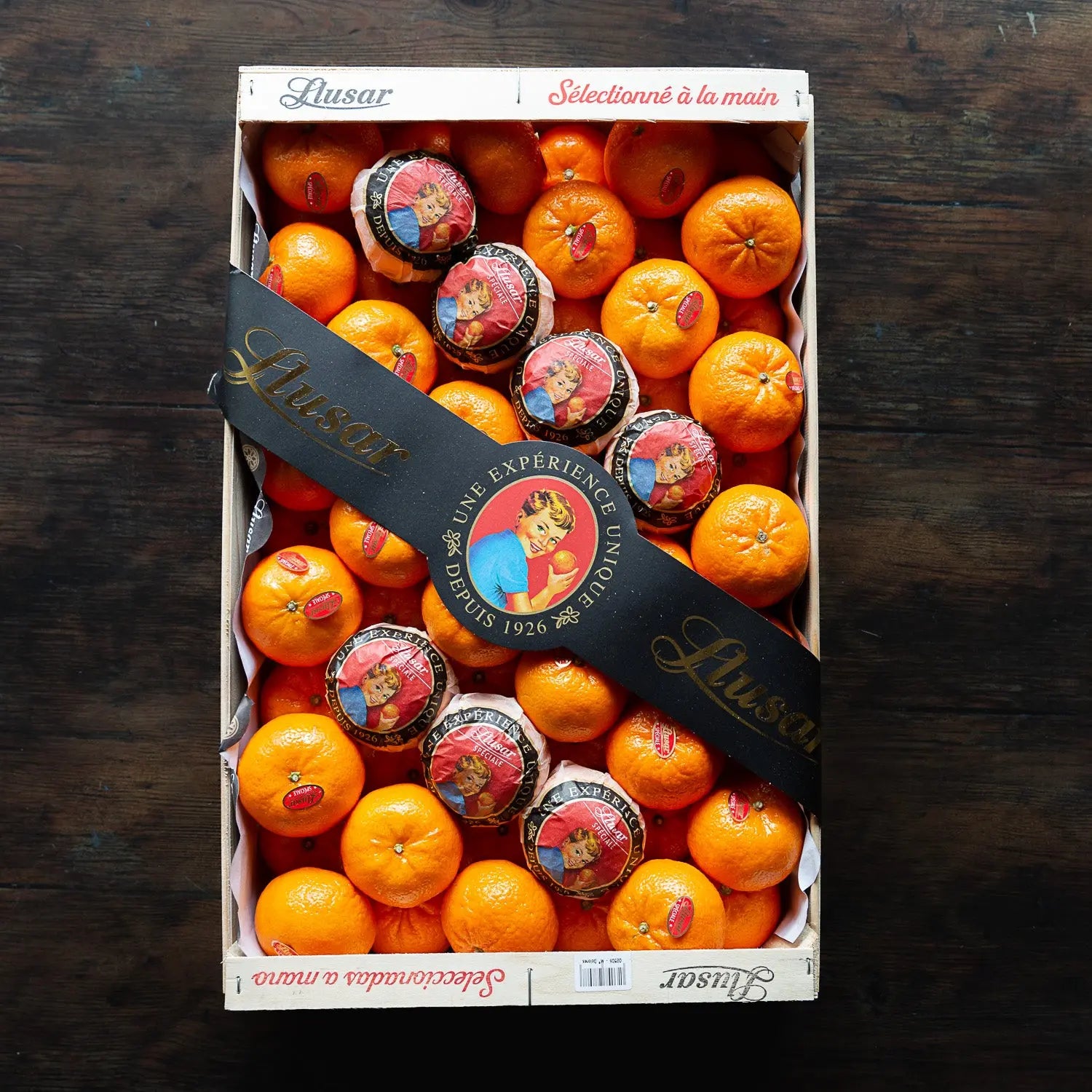
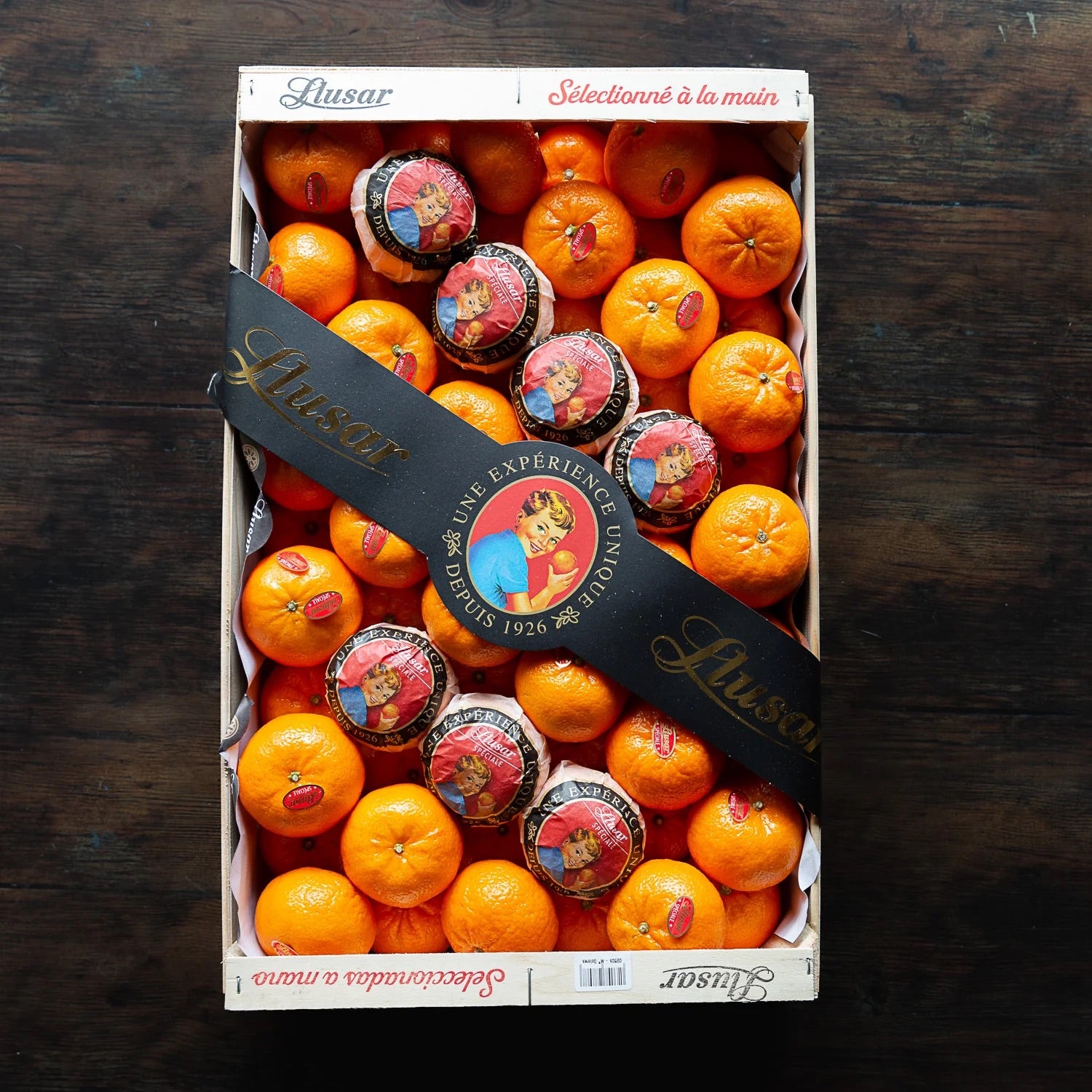
Spanish citrus — Valencia in particular — tends towards sweetness, clean flavour and reliable eating quality across a long season. The House of Llusar oranges and clementines, the Tout Miel clementines and Nadorcott mandarins are all Valencian, reflecting that profile: consistent, sweet and well-suited to eating out of hand or juicing.
Italian citrus — Amalfi lemons, Sicilian blood oranges, Calabrian bergamot — tends towards more complexity and stronger aromatics. Neither is superior; they are different tools for different purposes.
The Mediterranean Belt
The Mediterranean citrus growing belt runs from Valencia in the west through the Italian peninsula and Sicily to the south of France. Within that belt, a handful of specific microclimates produce fruit of genuinely exceptional quality: the Amalfi Coast for lemons, the slopes of Etna for blood oranges, Calabria almost exclusively for bergamot, and the French Riviera around Menton for what many consider the finest lemon in the world.
Outside the Mediterranean, Southeast Asia produces pink pomelo of a quality the European growing belt cannot match. Mexico provides our year-round lime supply via air freight — the only way to deliver fresh-picked limes to the UK with the juice quality the professional trade requires.
Sourcing
We source through Rungis Market in Paris and through established relationships with producers including House of Llusar in Valencia and IGP-designated growers on the Amalfi Coast and in the Menton region — the same operations that supply the most demanding professional kitchens in Europe.
IGP designations impose specific standards on production method, variety and origin that commodity citrus is not subject to. Seasonal buying rather than year-round commodity sourcing means working with the natural growing calendar rather than against it. We do not over-specify on cosmetic uniformity, and we prioritise provenance and flavour over convenience.
Delivery
UK next-working-day delivery on orders placed before 2pm. Complimentary weekday delivery on orders over £225.