The New World made Old World winemakers nervous in 1976. Napa Chardonnay beat white Burgundy. Napa Cabernet beat classified Bordeaux. The Paris Tasting was meant to be a friendly comparison and turned into the moment the wine world had to admit California could play at the highest level. Half a century on, the conversation has expanded — Oregon Pinot Noir, Argentine Malbec at altitude, Australian Shiraz, New Zealand on both islands, South African red wine from the Stellenbosch belt. The New World is no longer a single category; it's its own canon.
What's listed is what we can buy in the right vintage at the right price. The names rotate. The standard does not.
California
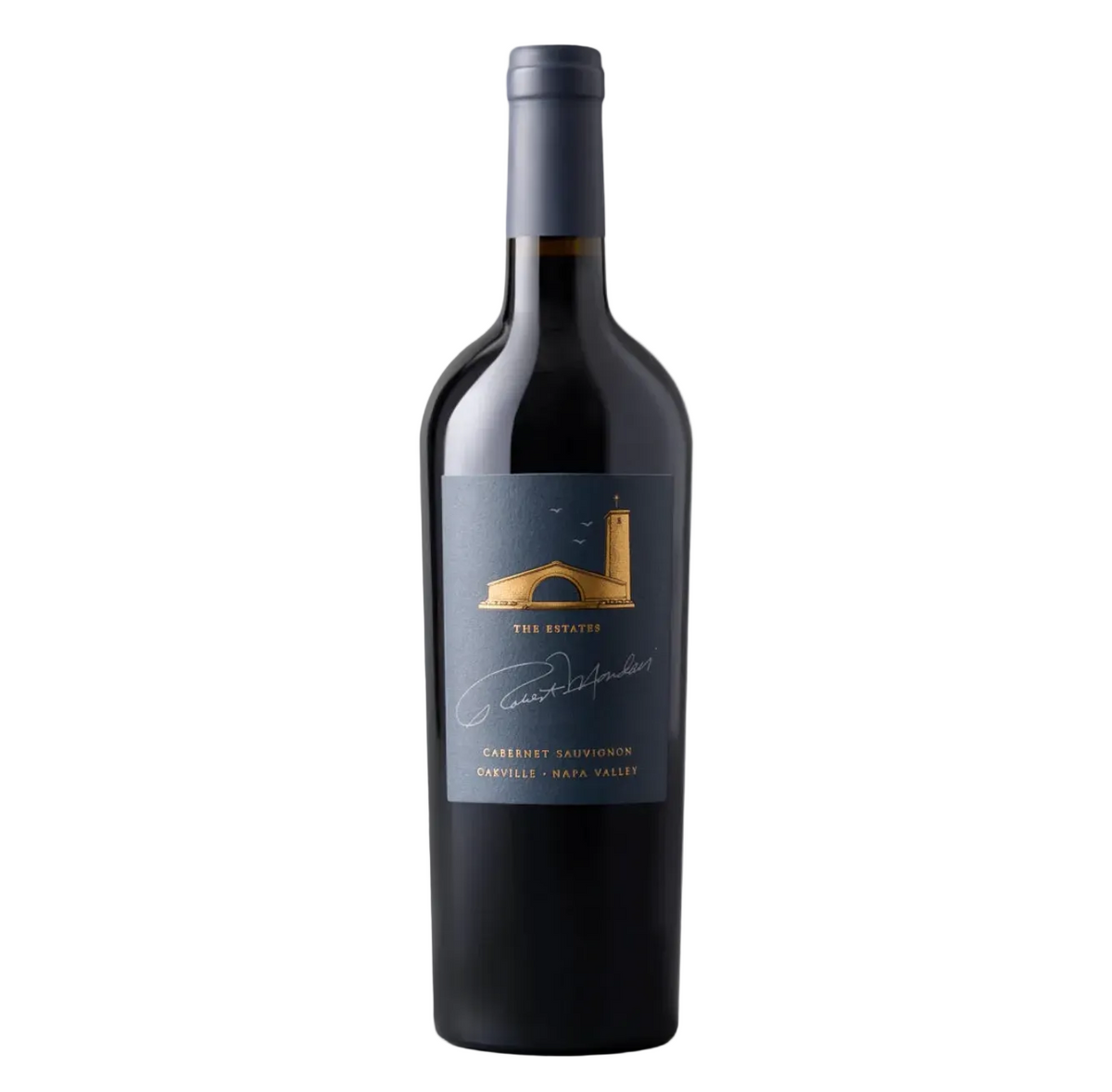
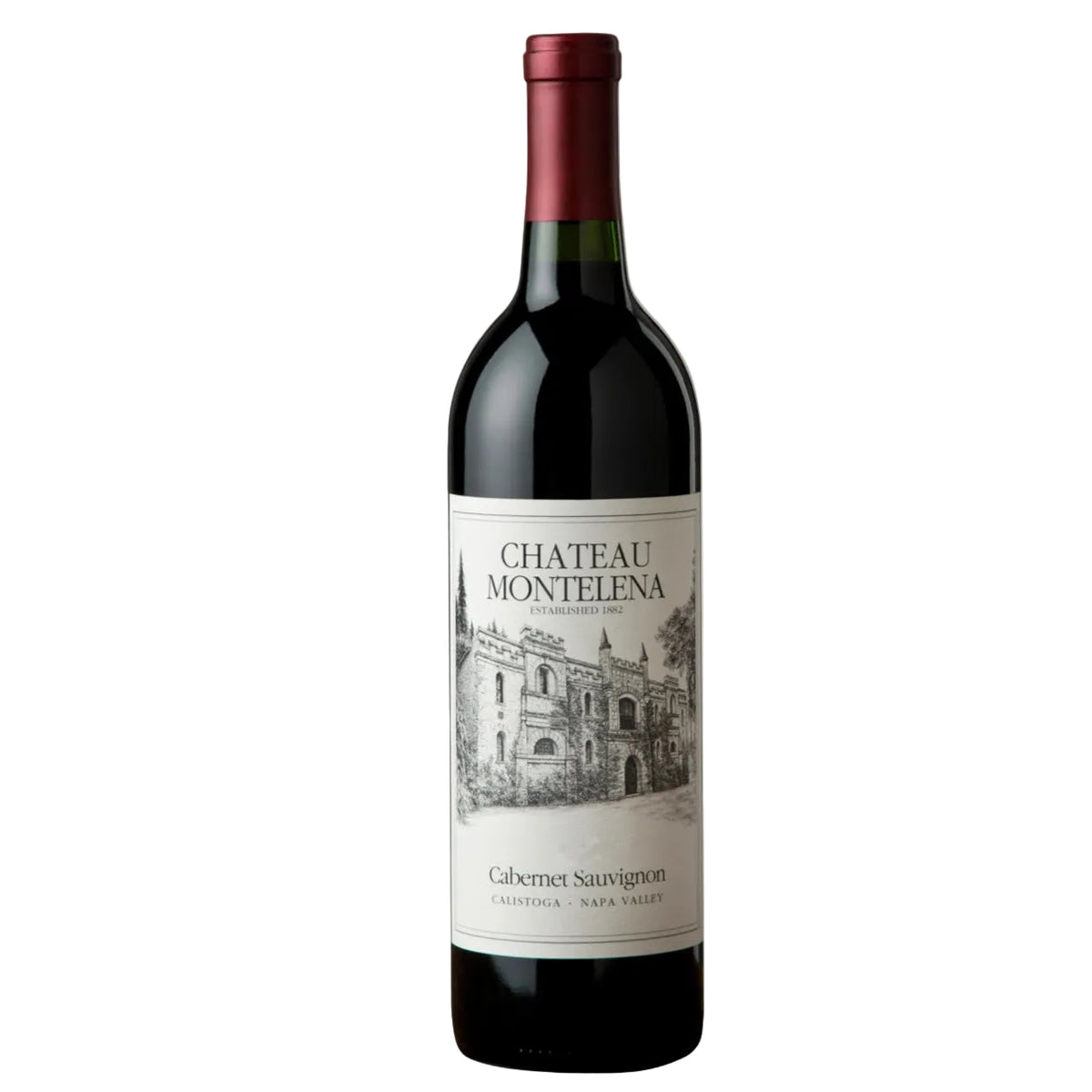
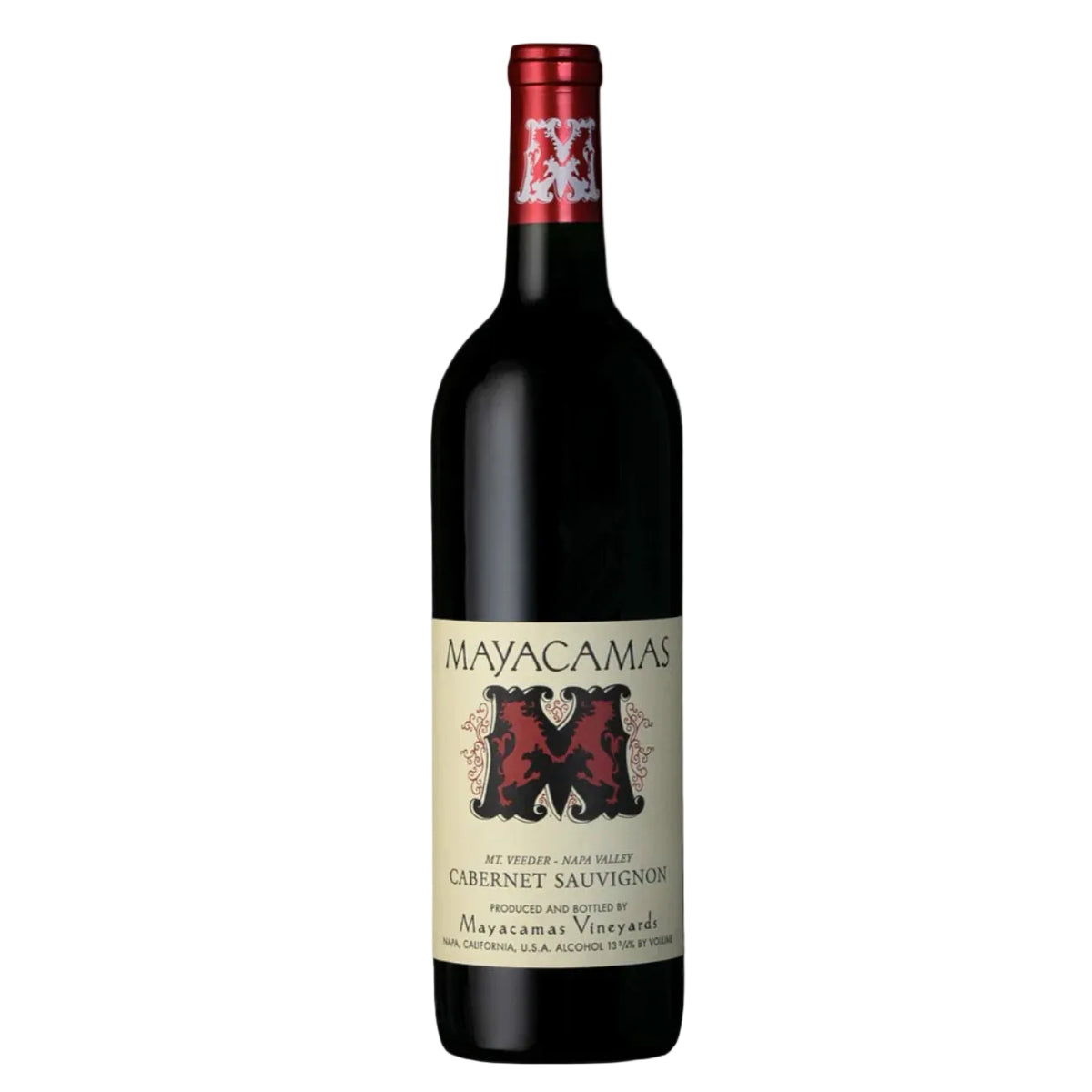
The state that started the modern conversation. Napa Valley remains the centre of gravity — Cabernet Sauvignon-led wines from Oakville, Rutherford, Stags Leap and the mountain appellations of Mount Veeder, Howell Mountain and Diamond Mountain. The mountain Cabernets in particular have aged into a category of their own: cooler sites, smaller berries, longer hang times, and wines with structure closer to Bordeaux than to the valley floor.
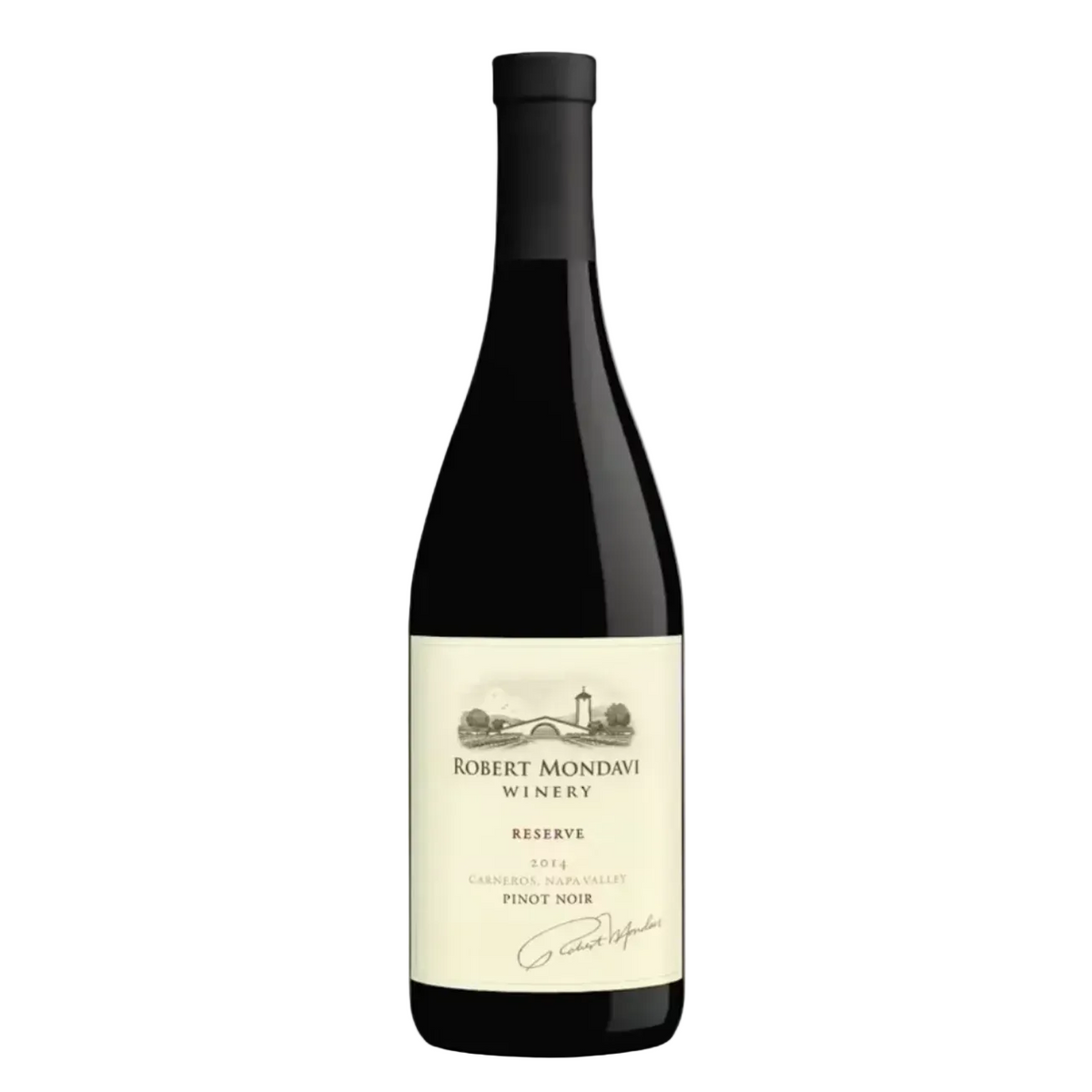
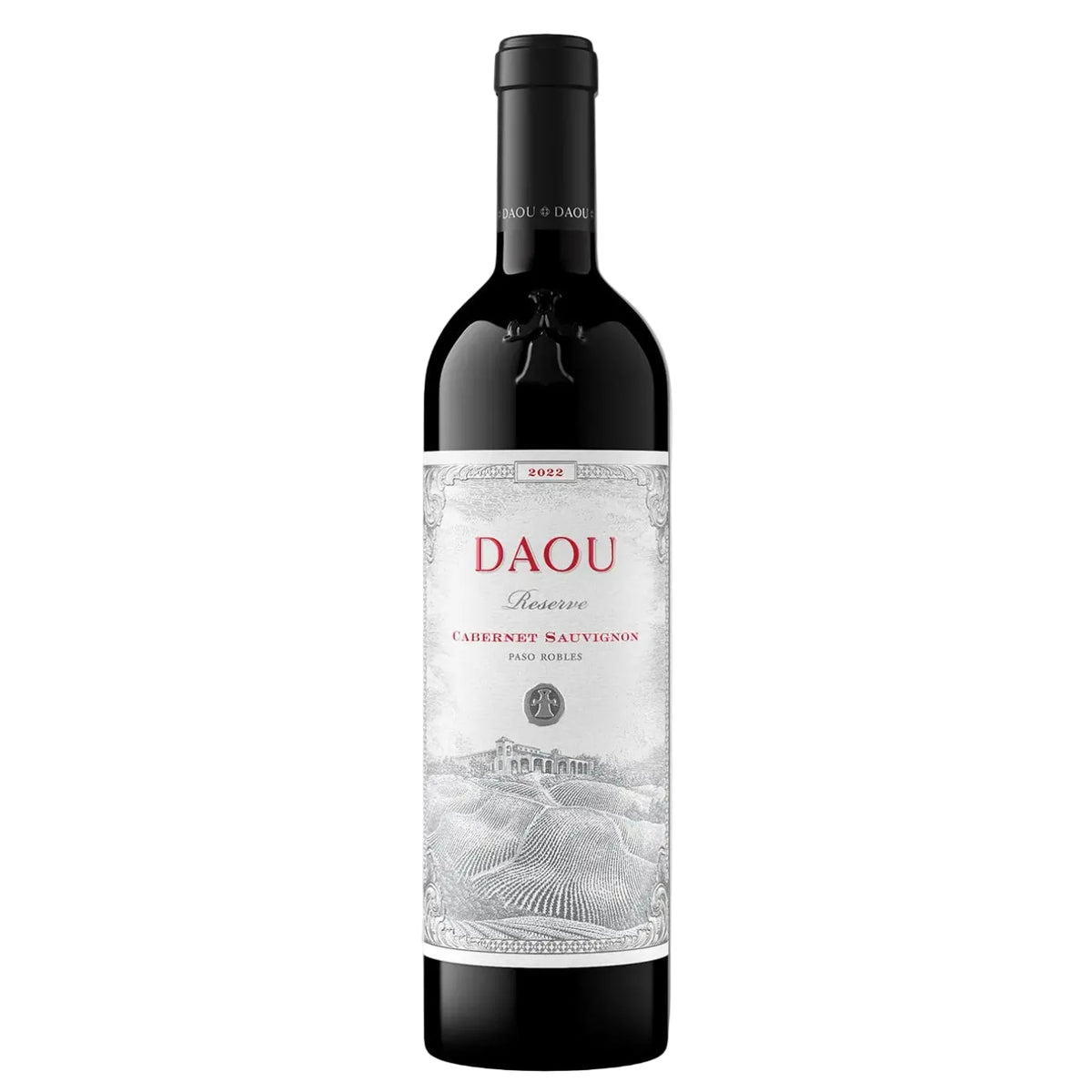
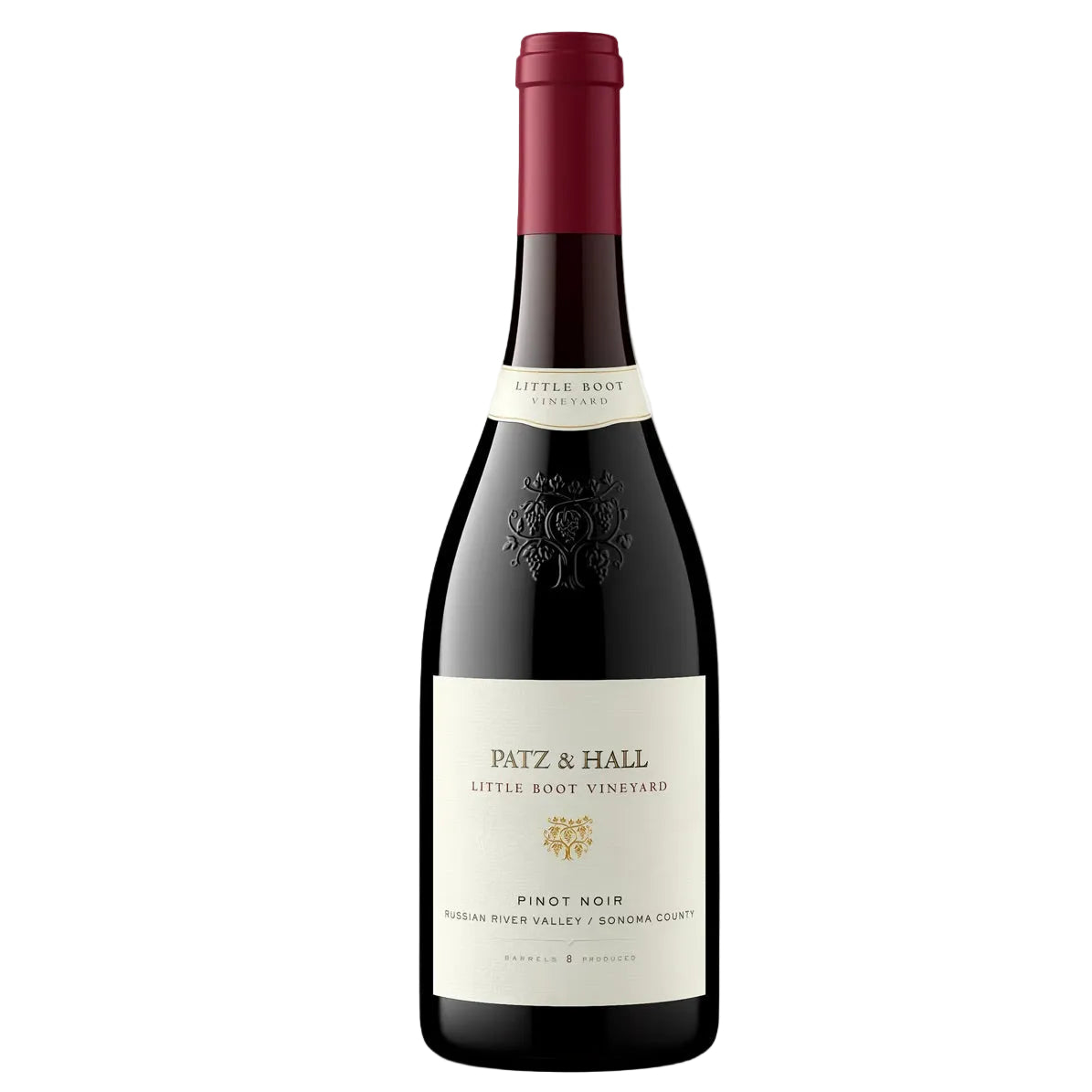
Beyond Napa, Sonoma produces some of the most refined Pinot Noir in the Western Hemisphere — particularly from the Russian River and Sonoma Coast. The Central Coast (Santa Rita Hills, Paso Robles) is the quieter cousin, and increasingly the place to look for value.
Oregon
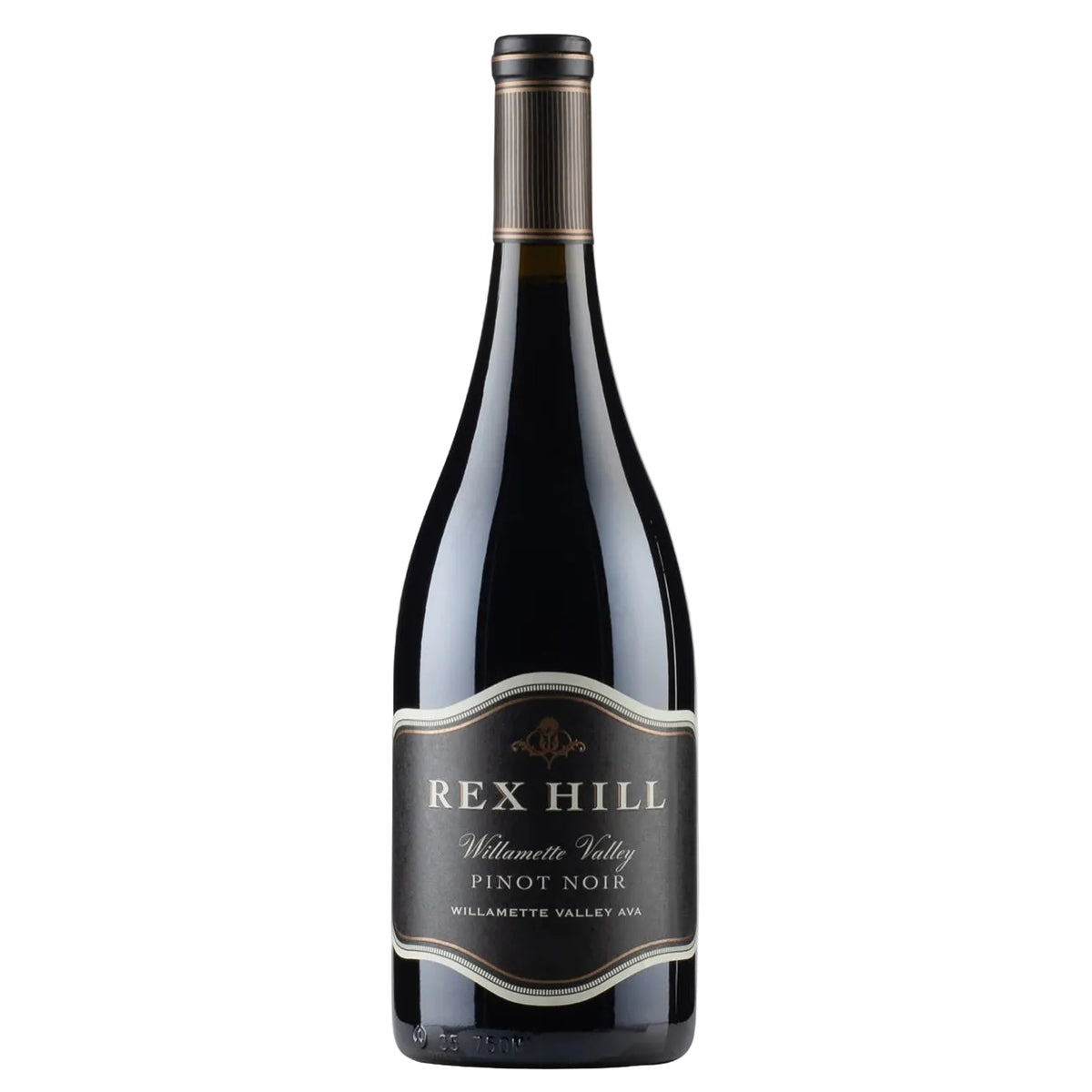
Cool-climate Pinot Noir from the Willamette Valley — the most Burgundian of the New World regions, with the marine influence and volcanic and sedimentary soils to back the claim. The best Oregon Pinot has the lift and transparency of village or premier cru Burgundy at a fraction of the price. A category that has come into its own over the past two decades.
Argentina
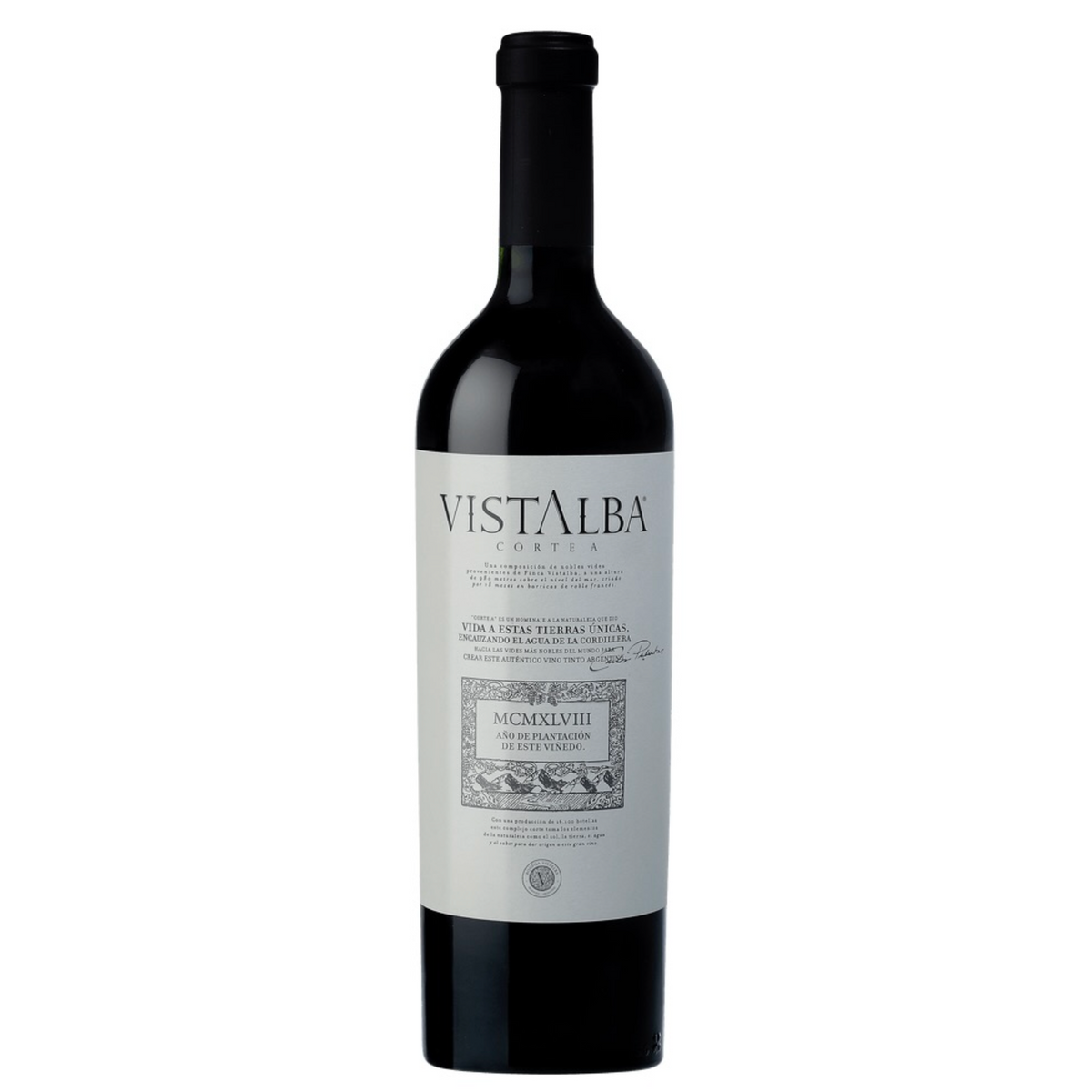
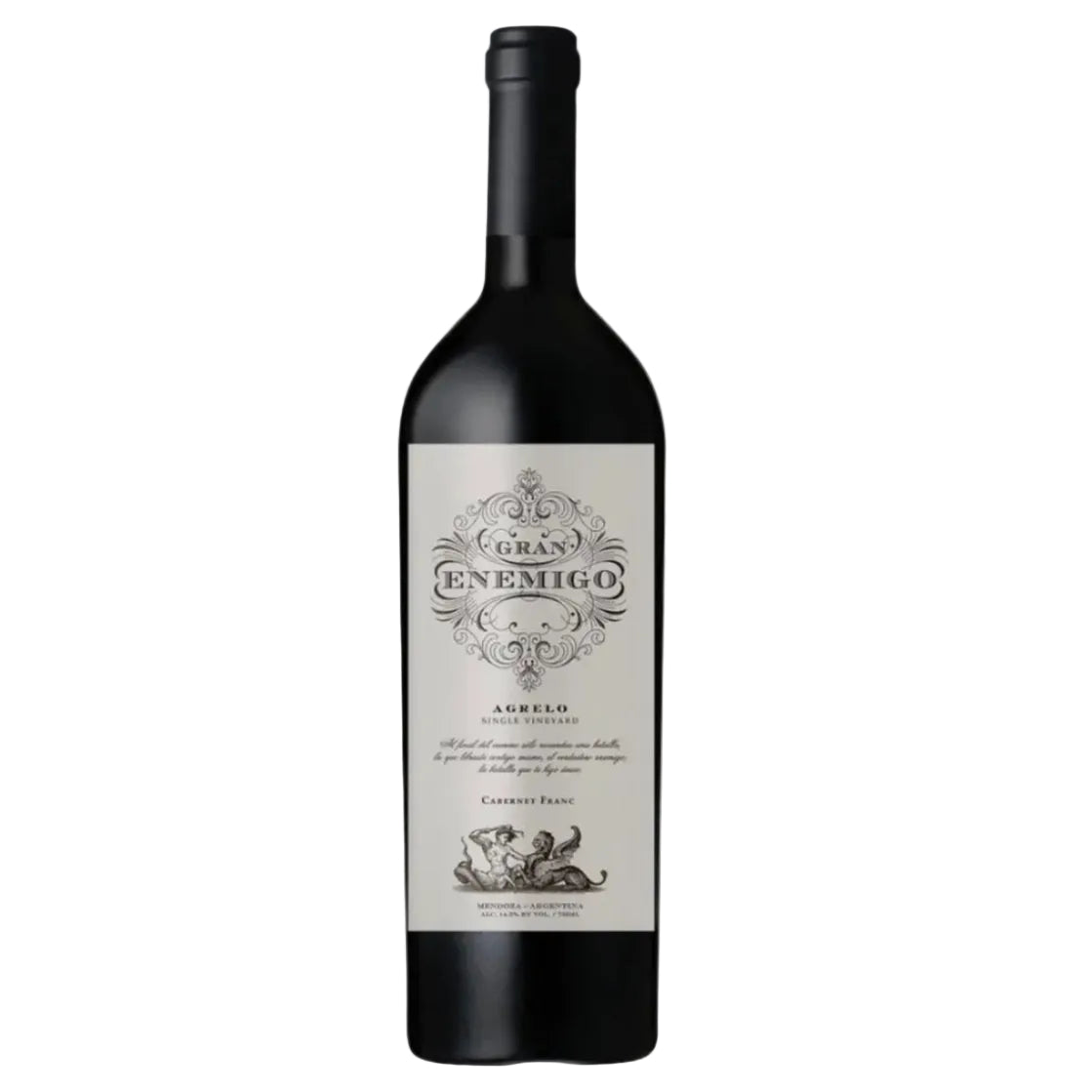
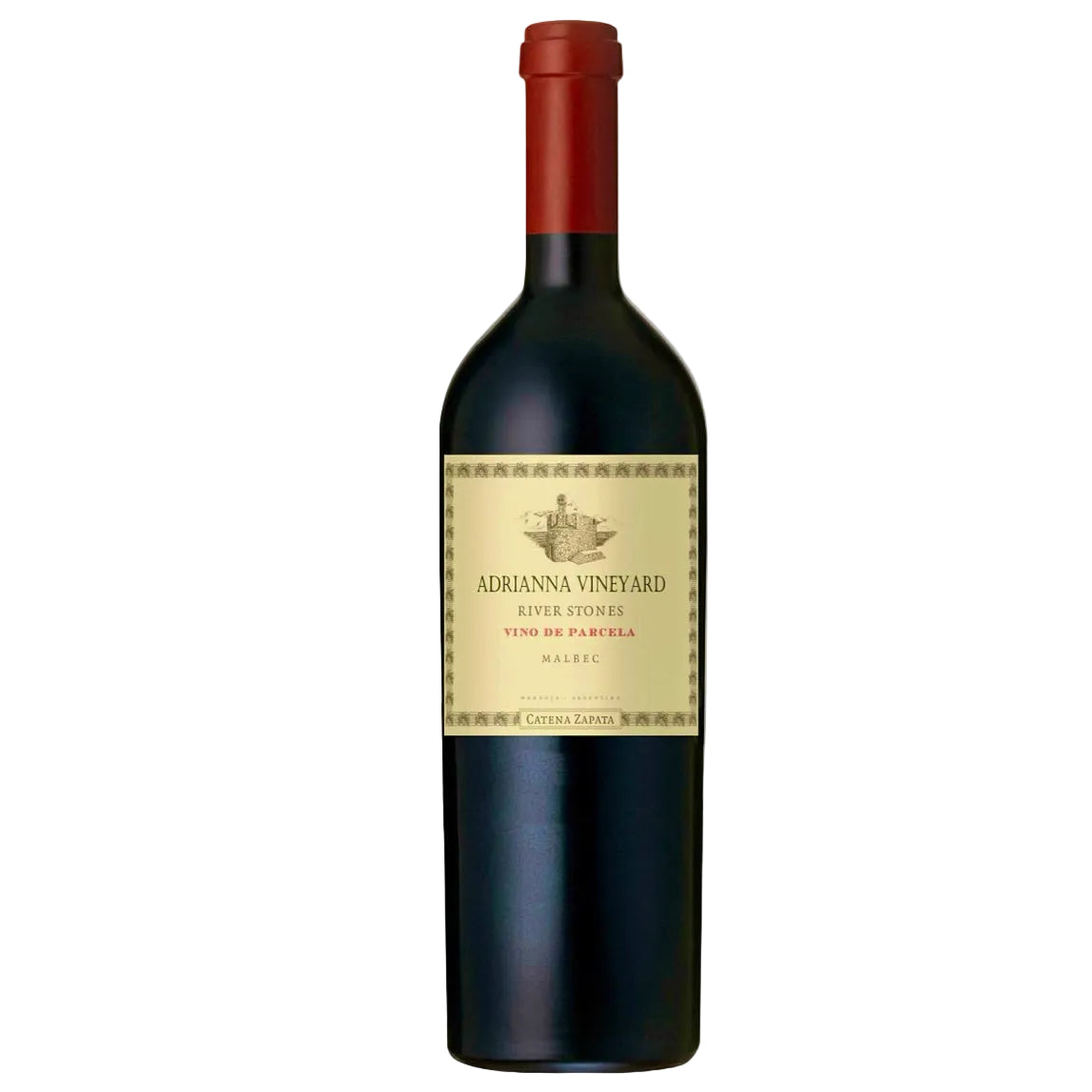
Mendoza is the world's high-altitude wine region. The best Malbec — and increasingly the best Cabernet Franc — grows in single vineyards at 1,200 to 1,500 metres, where cool nights and bright days produce wines with serious depth and the freshness that lower-altitude Malbec lacks. The single-vineyard programmes from the leading estates have rewritten what South American wine can do.
New Zealand
Two islands, two wines. Marlborough on the South Island for Sauvignon Blanc that defined a category — sharp, herbaceous, immediate. Central Otago, also South Island, for Pinot Noir grown on the world's southernmost commercial vineyards, with a clarity and intensity that owes more to climate than to imitation of Burgundy.
Australia
Barossa and McLaren Vale for old-vine Shiraz, some of it from vineyards planted in the 1840s — older than anything still producing in Europe. The serious Australian Shiraz of the last twenty years has moved away from the high-alcohol, oak-forward style and back towards balance, structure, and the savoury edge that old-vine fruit can deliver.
South Africa
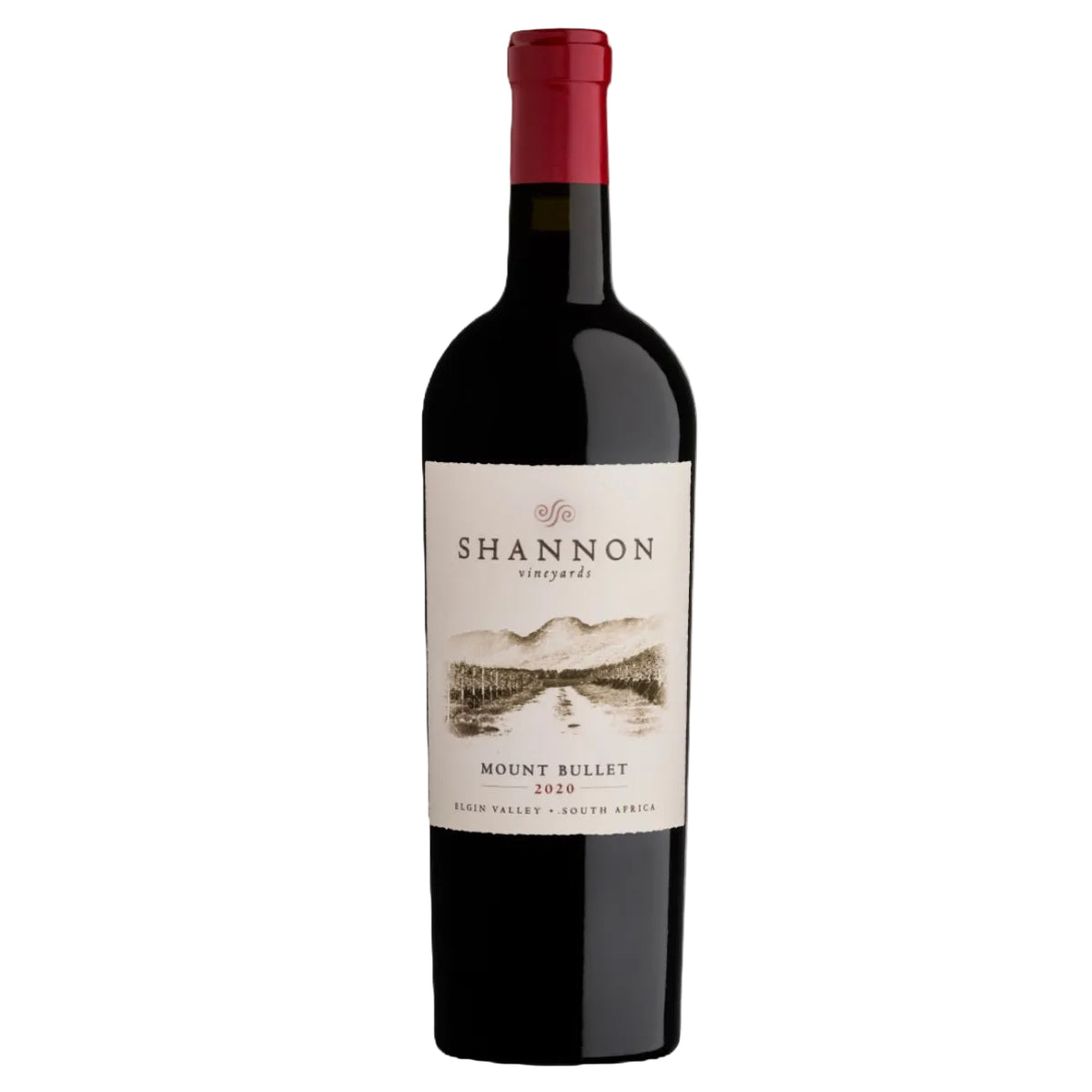
Stellenbosch and Swartland for Cabernet, Syrah, and Cape blends — the latter a regional speciality, drawing on Bordeaux and Rhône traditions both. South Africa offers some of the best value in serious red wine, full stop.
Delivery
Next-working-day UK courier — or choose your preferred delivery date at checkout. Orders before 2pm dispatch same day. Wine can be ordered alongside food in the same delivery. Free weekday delivery over £225.