Premium fin fish from some of the most prized waters in the world — Ōra King salmon from New Zealand, Skrei cod from Norway, day-boat Dover sole from Cornwall, wild-caught yellowfin and bluefin tuna, Chilean sea bass, and Alaskan black cod. The collection spans the spectrum of eating fish: rich, oily, dense-fleshed varieties for high-impact cooking, and clean, flaky white fish where restraint and good butter are the only seasoning required.
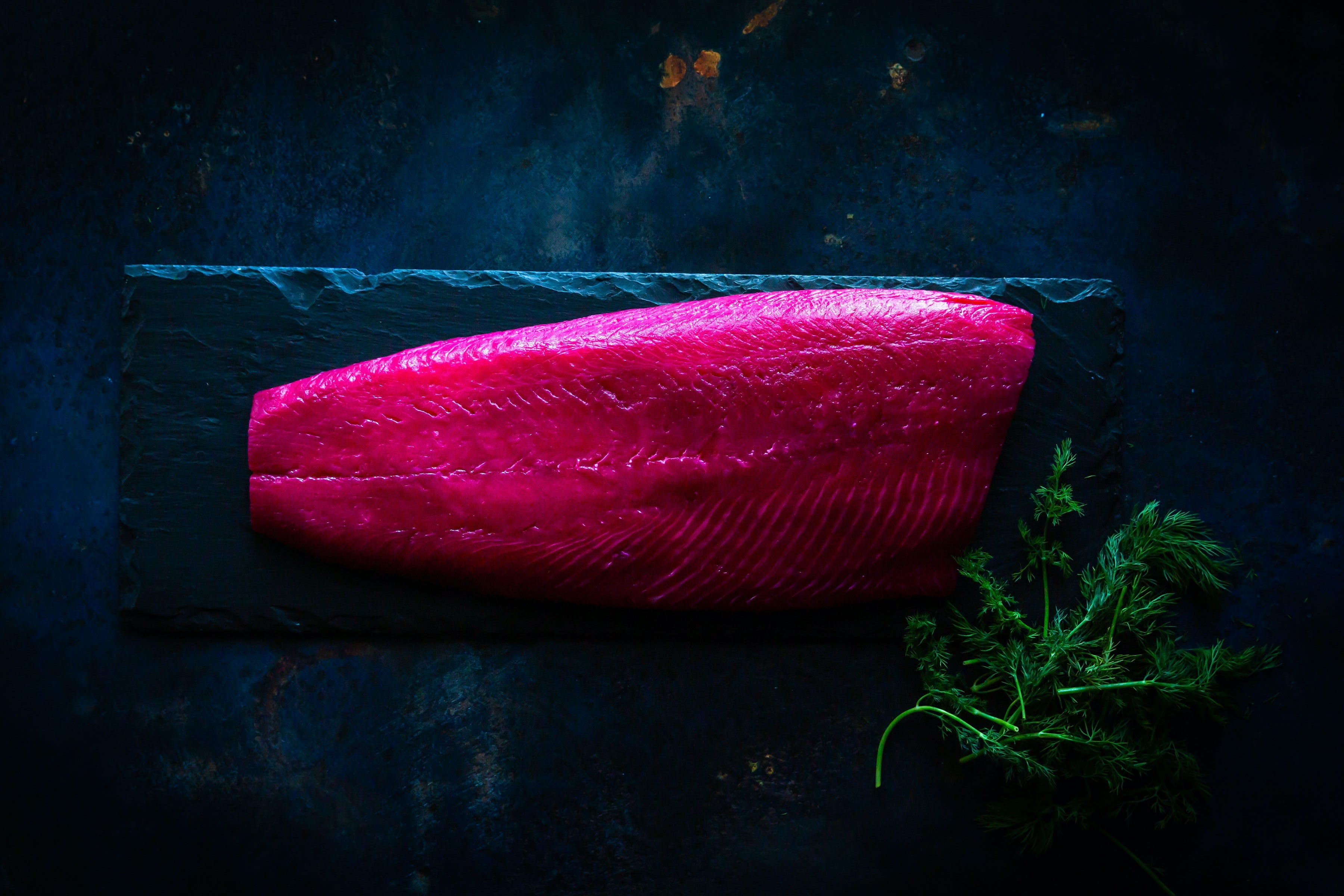
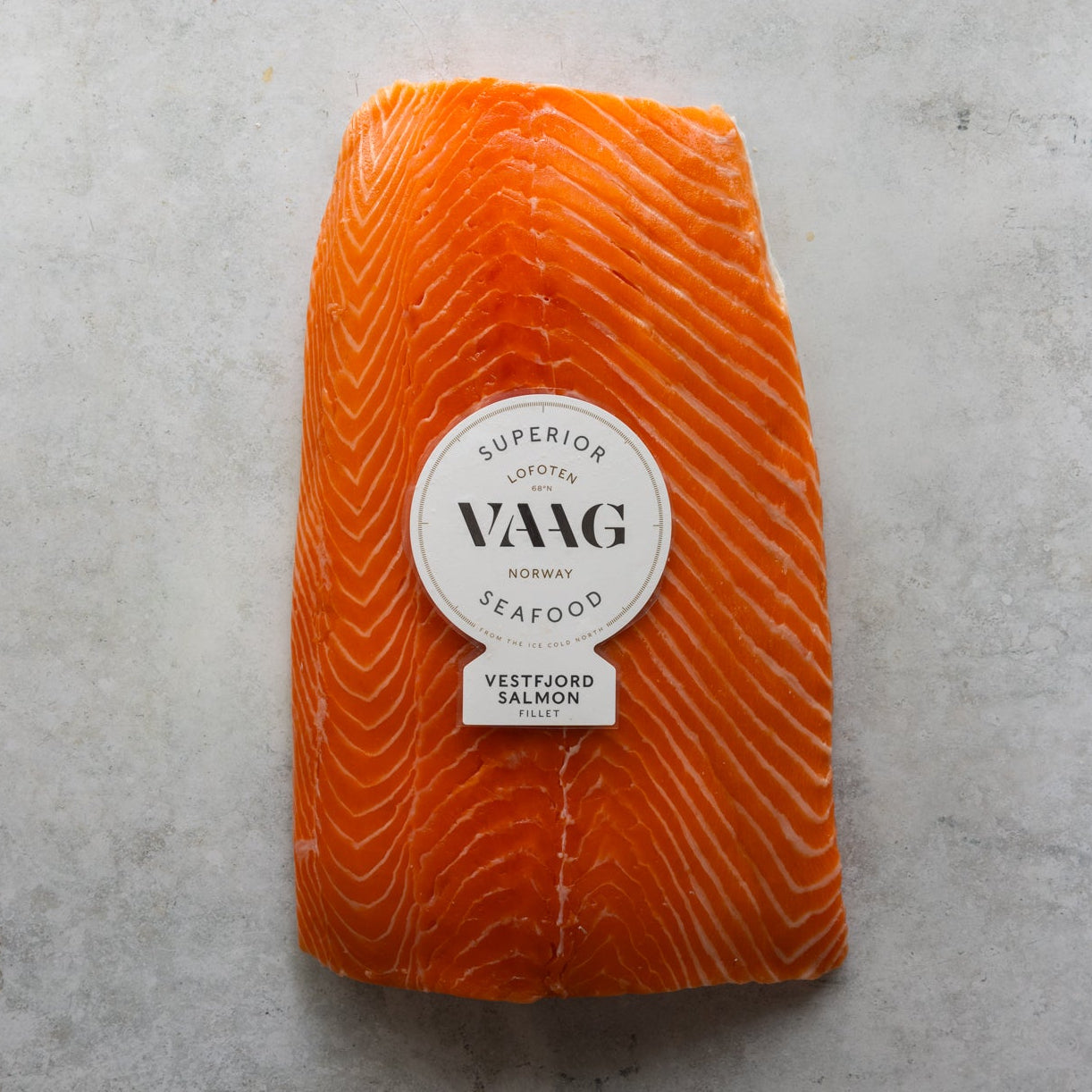
Ōra King Salmon
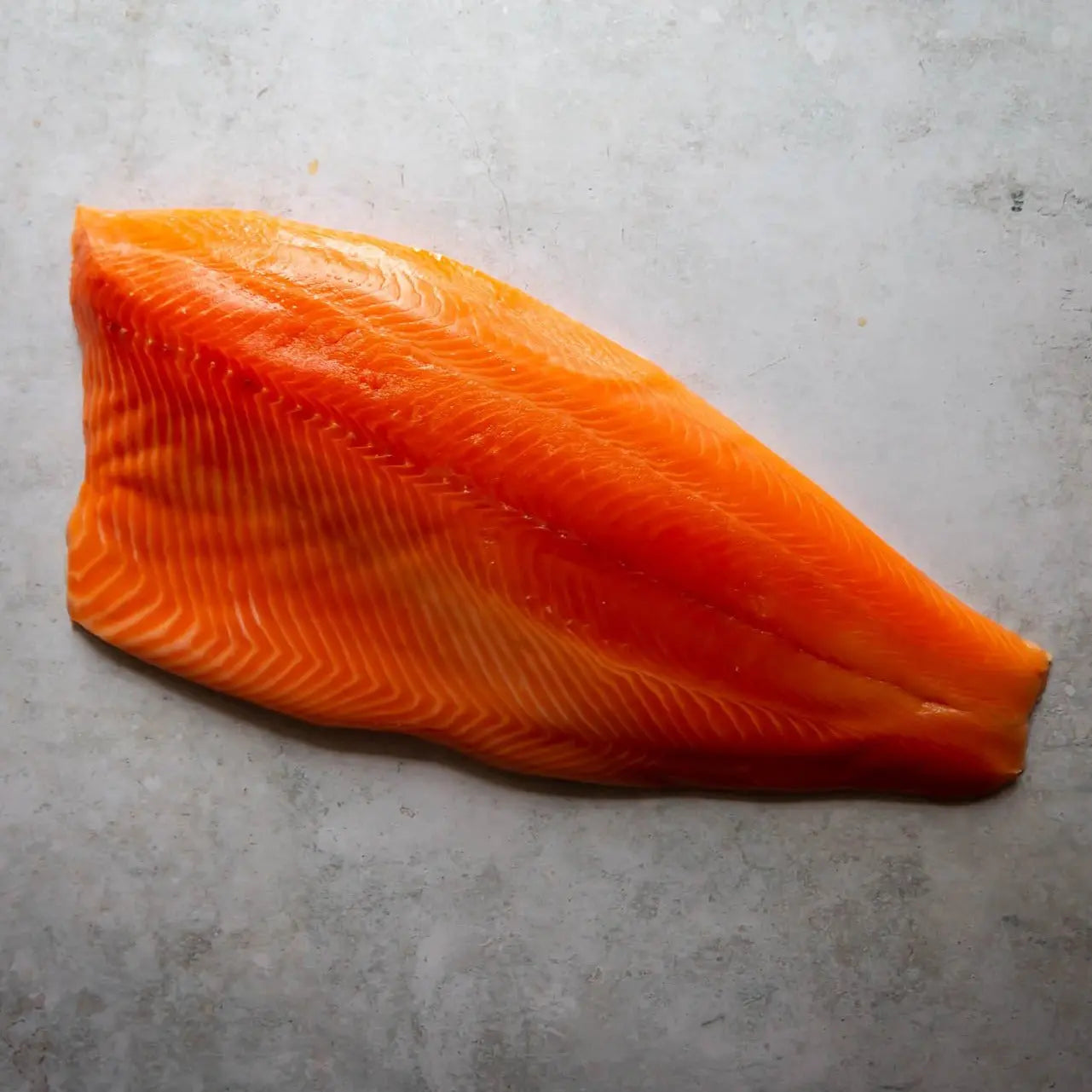
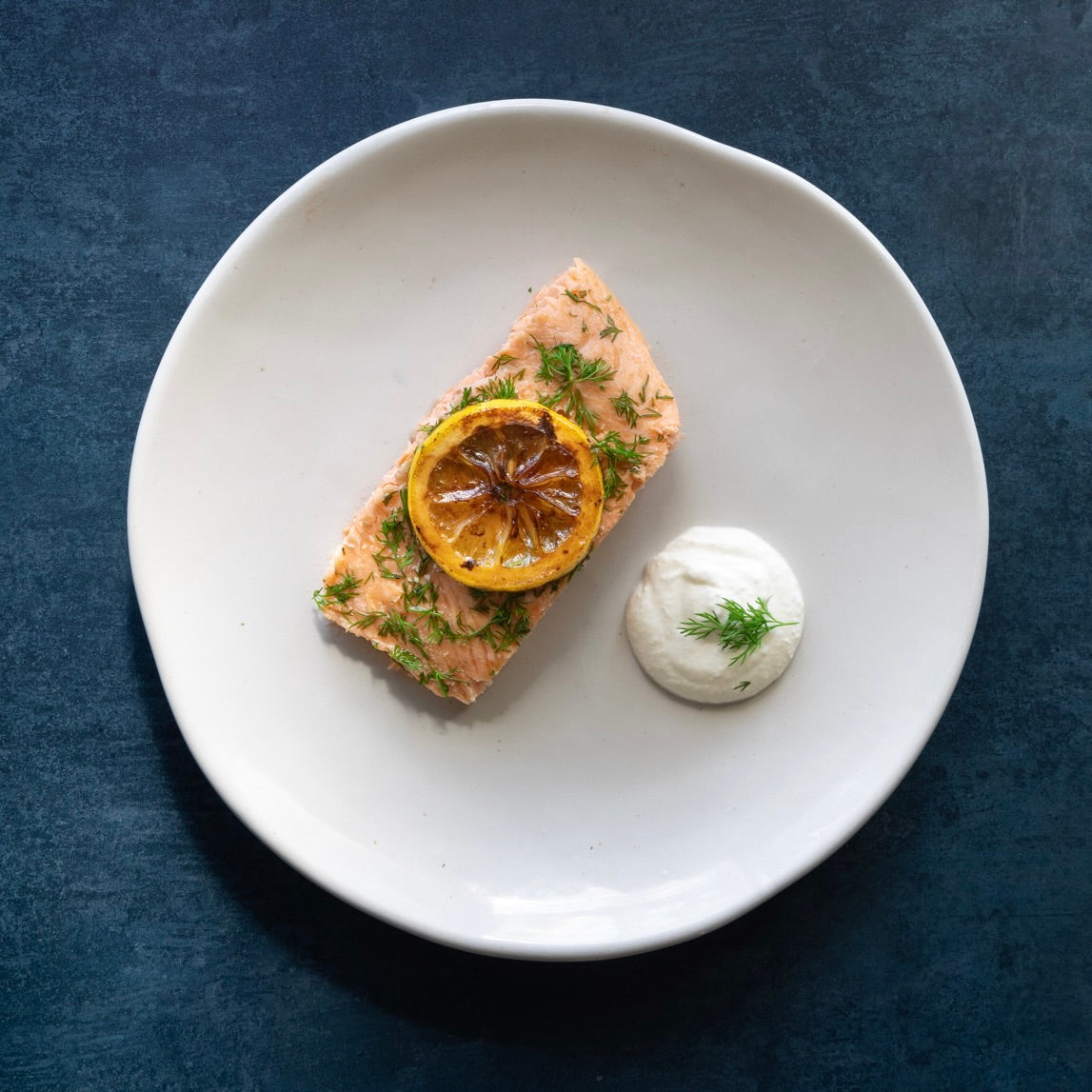
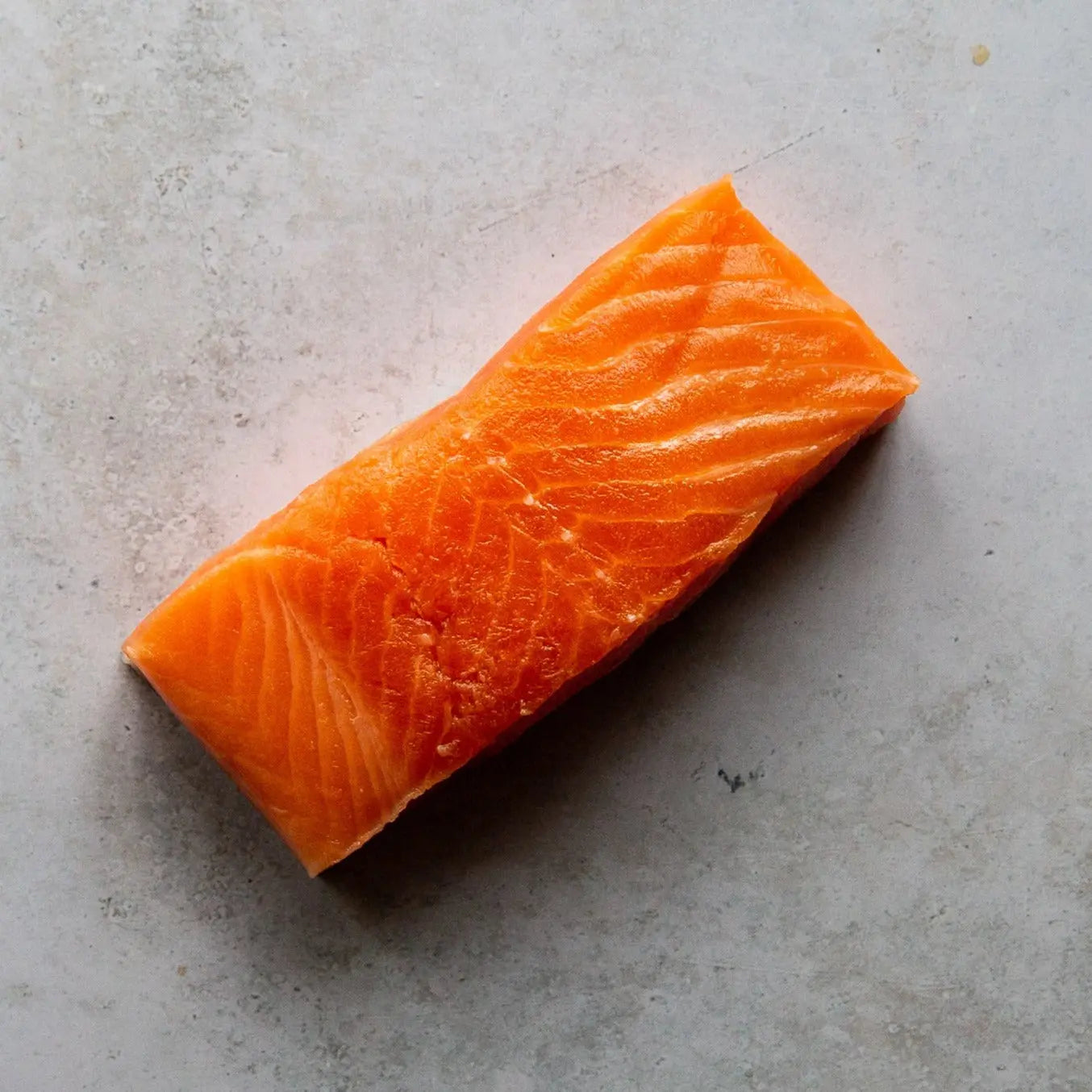
A New Zealand Chinook (King) Salmon — widely regarded as the finest farmed salmon in the world. The flesh is rich, buttery and densely marbled with healthy omega-3 fats, giving it a flavour and texture that sits closer to premium tuna than ordinary farmed salmon.
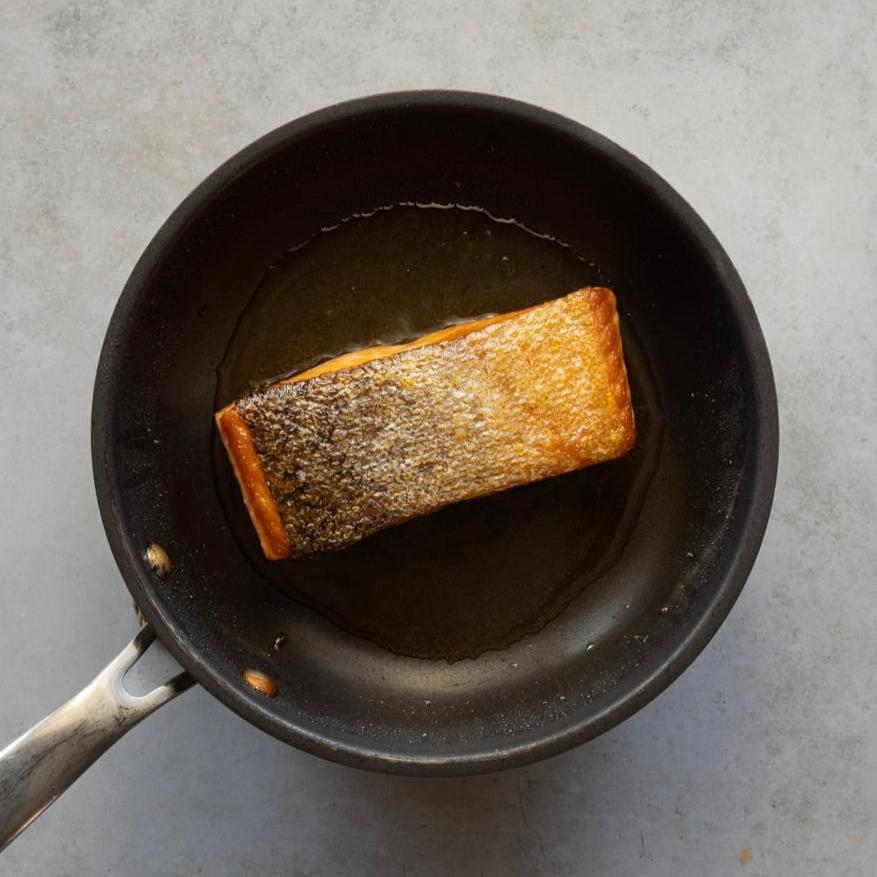
We carry individual portions and whole fillets. The whole fillet is outstanding cooked en papillote, baked gently in parchment and foil to lock in moisture and flavour. Individual portions are perfect for pan-roasting — start skin-side down in a hot pan until crisp and golden, then finish briefly in the oven. Ōra King also cures beautifully for gravlax.
Bluefin Tuna
The summit of the tuna world. Wild-caught bluefin (Thunnus thynnus / Thunnus orientalis) is the most prized fish in Japanese cuisine, and we carry the two cuts that define a serious sushi-grade selection.
Akami
The lean, deep crimson loin from the back of the fish. Clean, savoury, mineral, with a firm-but-tender texture and the deep umami that defines top-grade tuna. The everyday cut at the sushi counter and the most versatile of the bluefin grades — perfect for sashimi, zuke (soy-marinated tuna), tartare, or seared briefly as tataki.
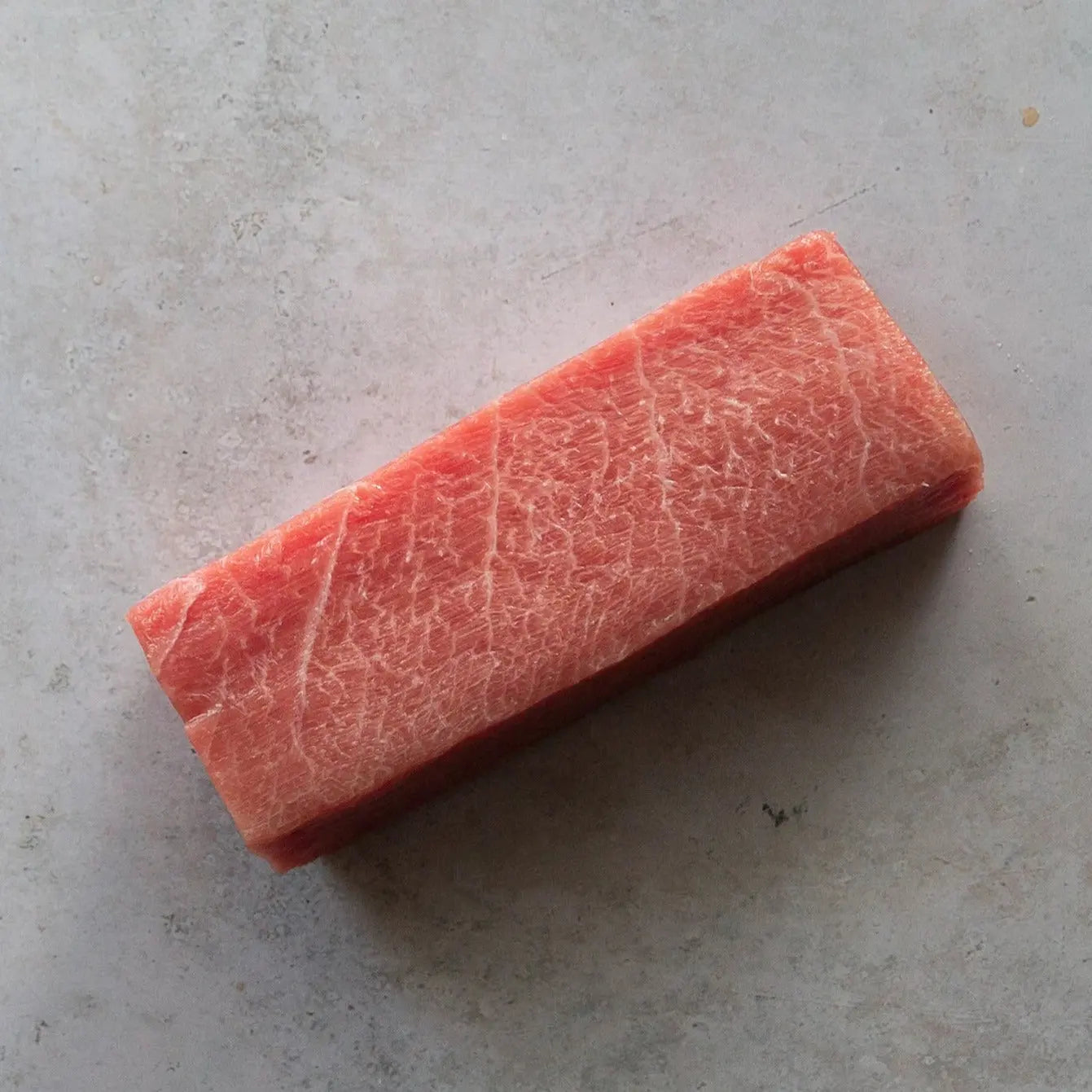
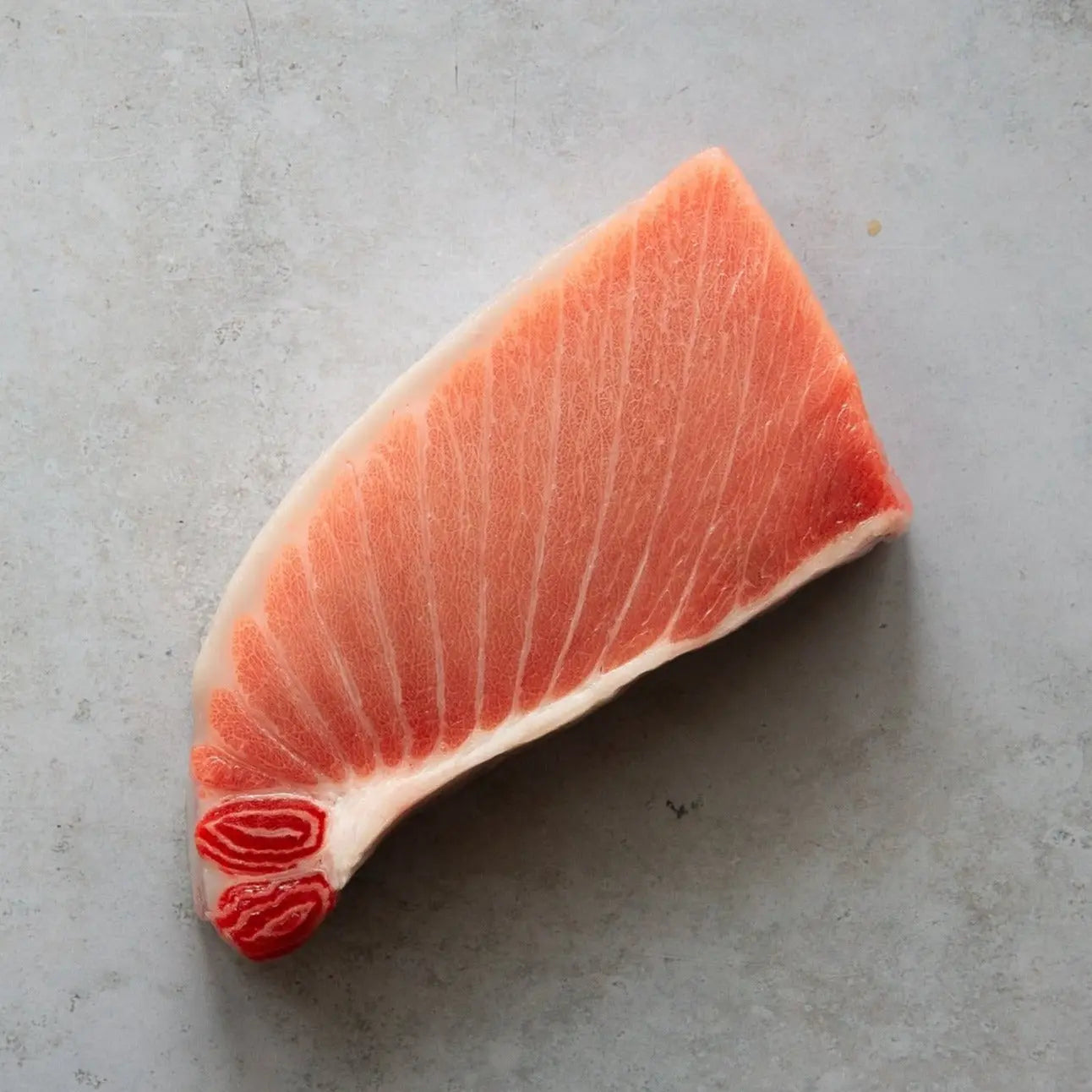
Otoro
The most coveted cut in tuna. Otoro is the heavily marbled belly meat — pale pink, intensely fatty, and richly buttery, with a texture that melts on the tongue. The flavour is delicate, sweet and clean, with none of the iron-rich intensity of akami. Eat raw, ideally as nigiri or sashimi at room temperature. A small portion is enough; otoro is not a cut to use generously.
Yellowfin Tuna
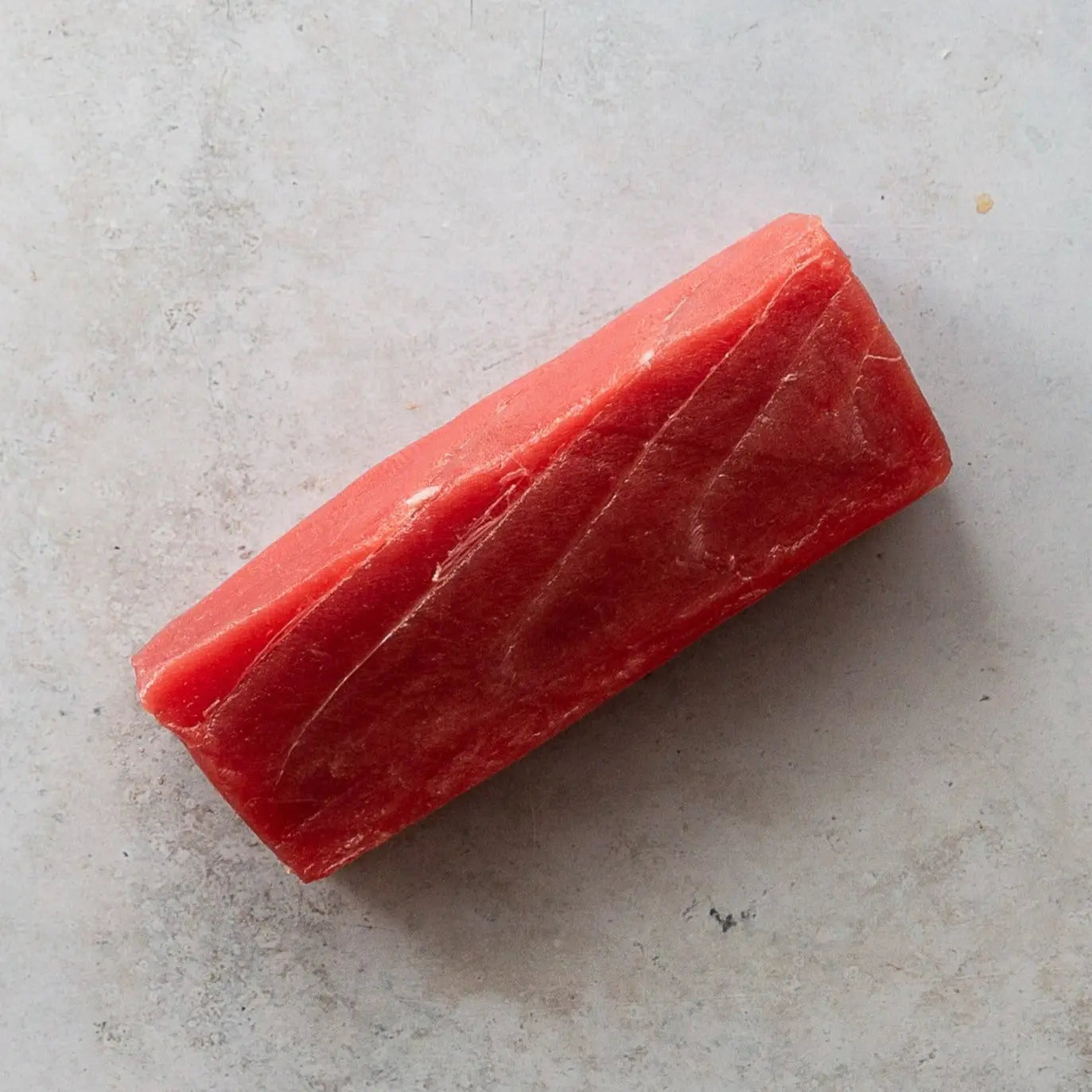
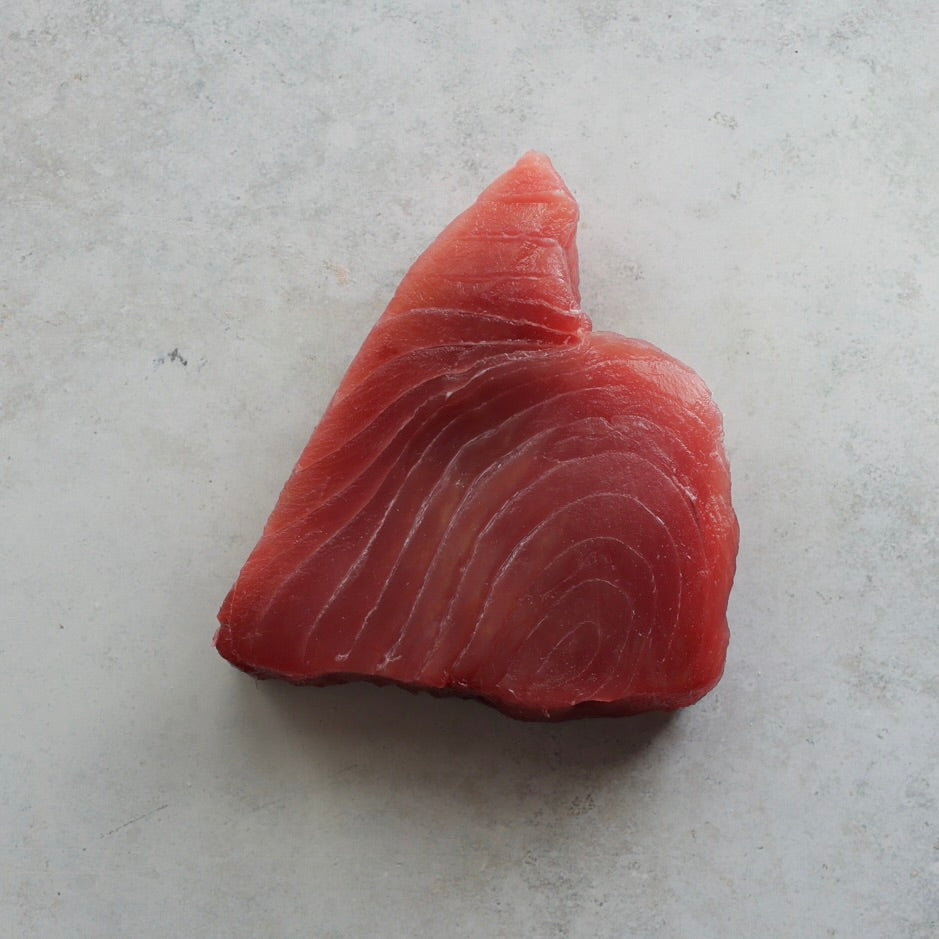
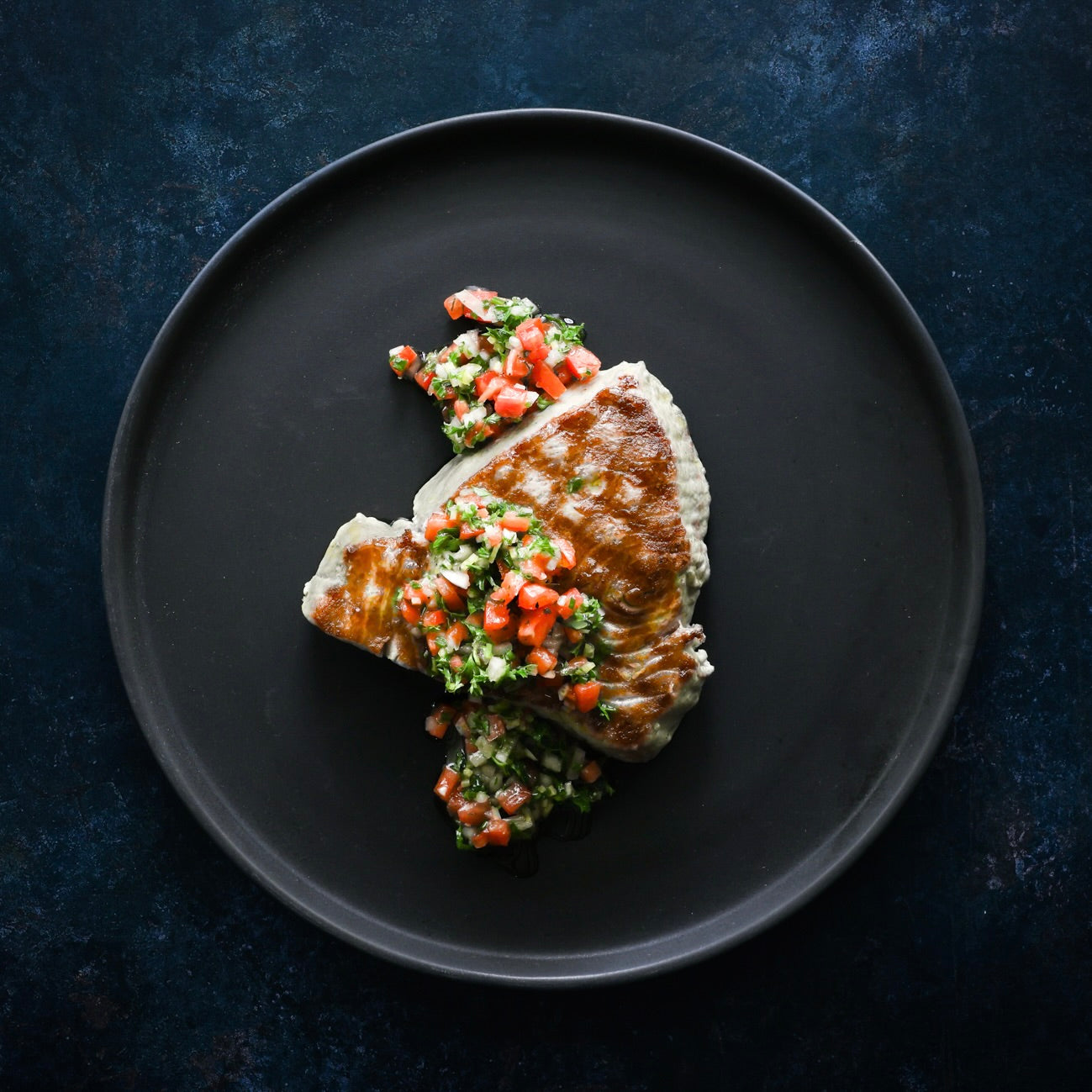
Wild, line-caught yellowfin — suitable for eating raw or searing briefly. The flesh is deep red, lean, and clean-flavoured with a meaty, satisfying texture. Best served as sashimi, tataki (seared rare), or tartare. Tuna should be treated more like steak than fish — sear hard and fast on the outside, leaving the centre raw or just warm. Overcooking destroys both flavour and texture.
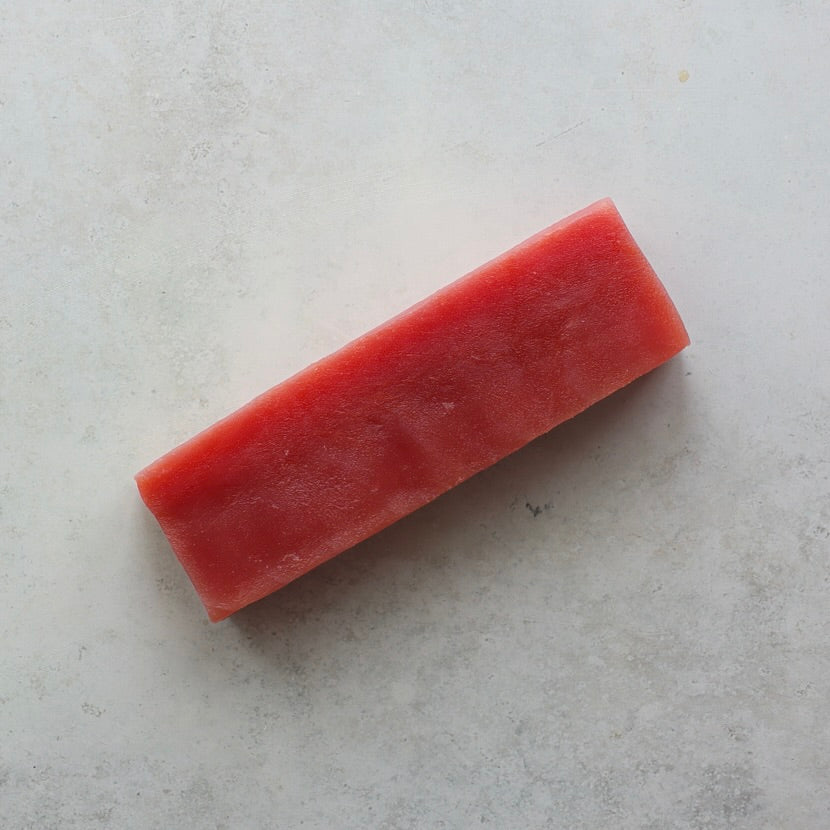
We also carry Red Tuna Saku Blocks — precision-cut rectangular portions of yellowfin, flash-frozen at ultra-low temperatures for sashimi preparation.
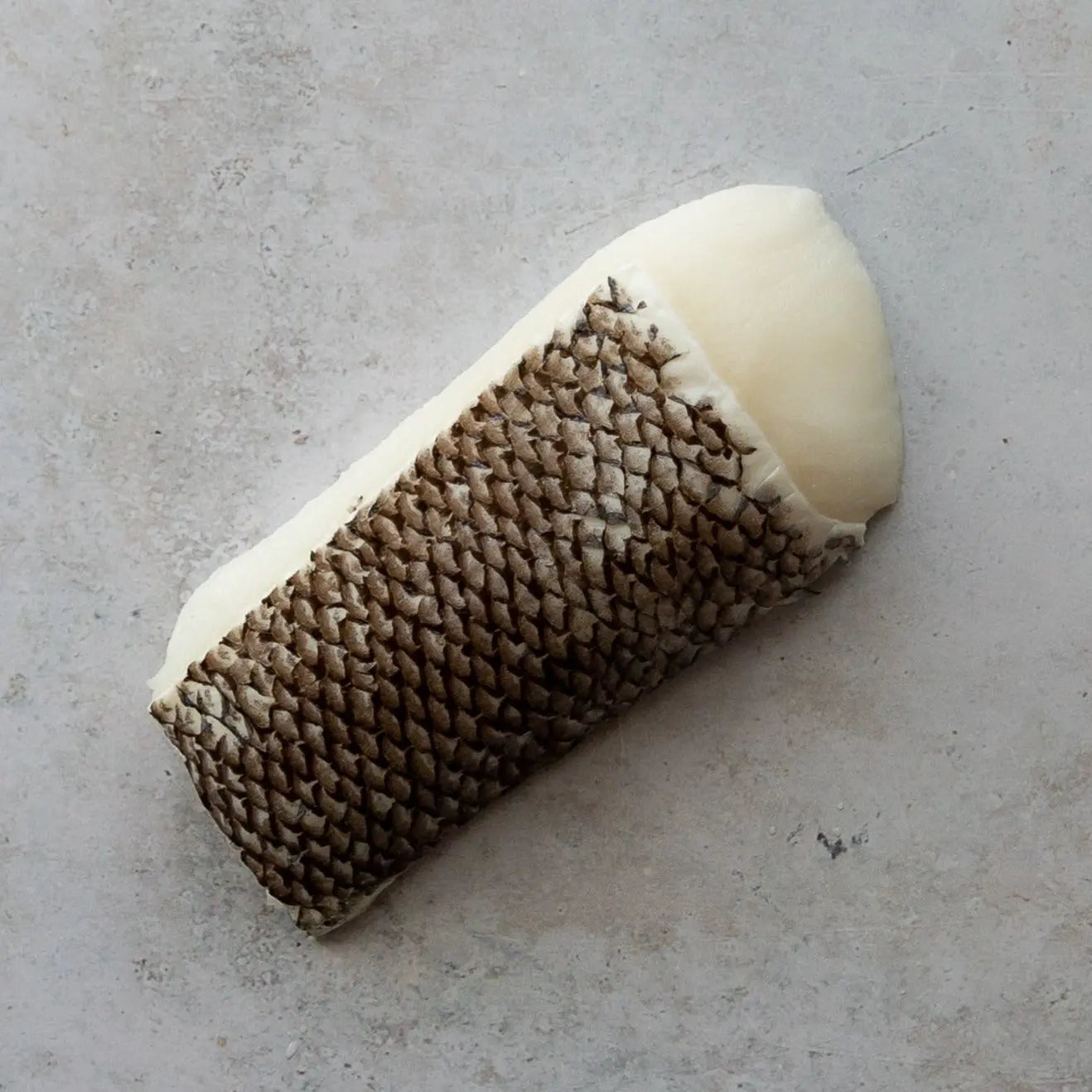
Chilean Sea Bass
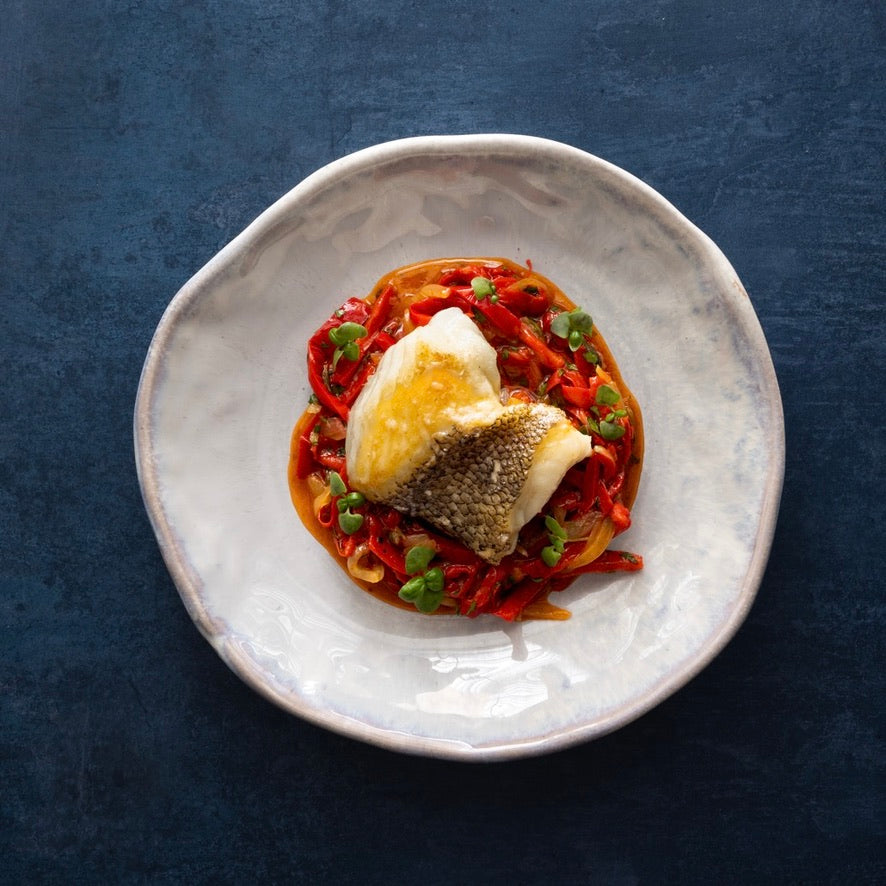
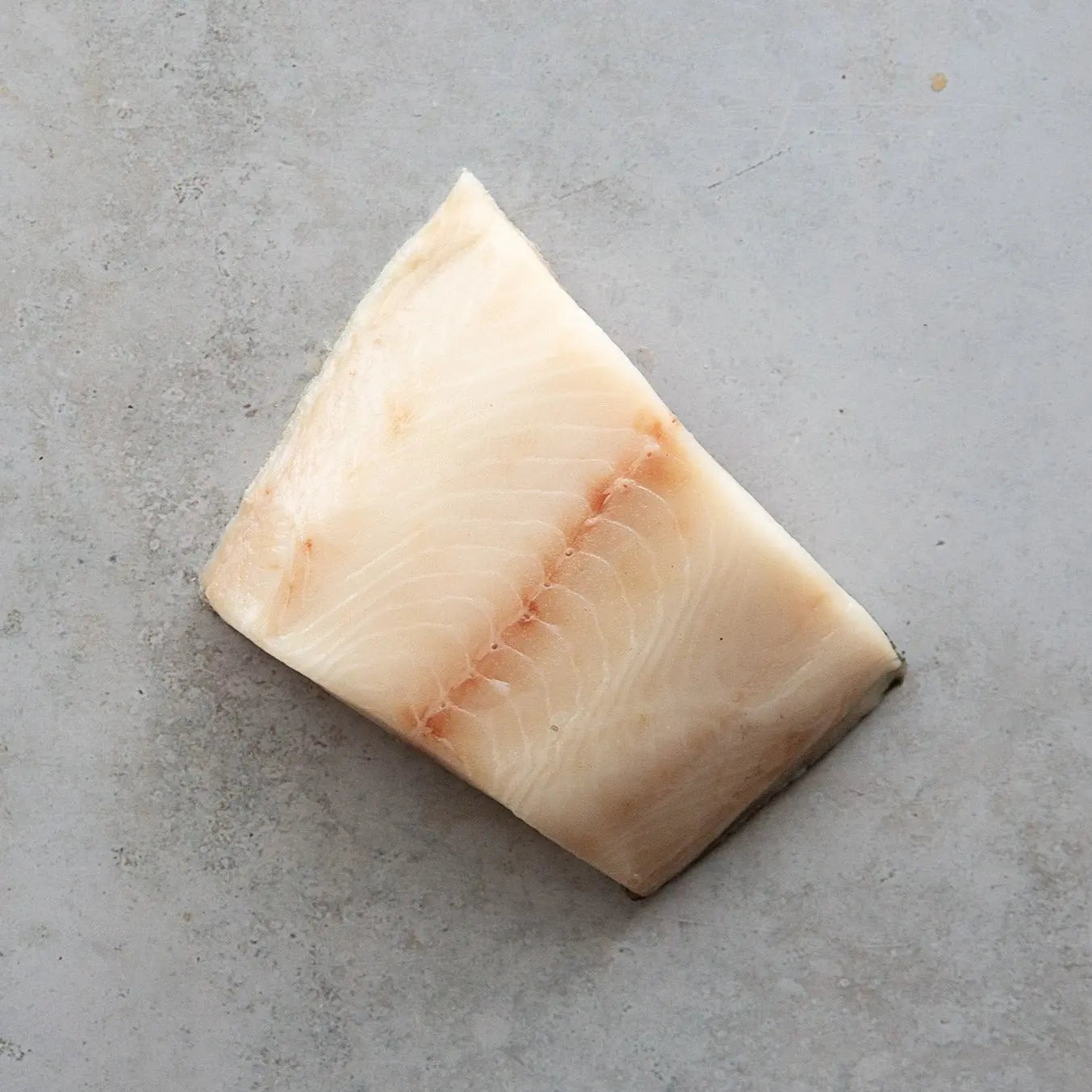
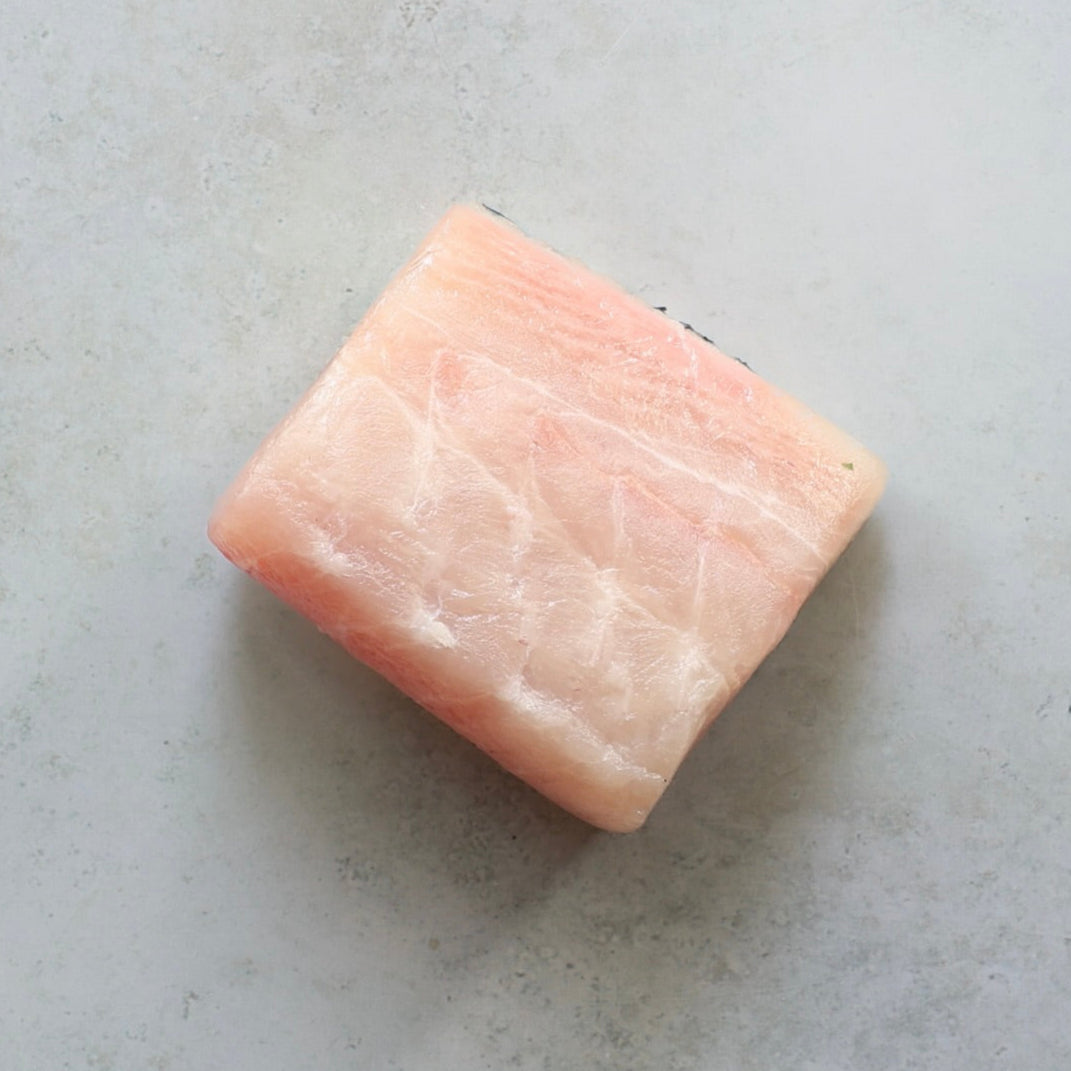
Also known as Patagonian toothfish. Chilean sea bass has become one of the most sought-after fish in premium dining for good reason. The flesh is dense, snow-white, and extraordinarily buttery — with high oil content that makes it very forgiving to cook and almost impossible to dry out. Responds beautifully to pan-roasting, miso glazing or baking. A restaurant favourite that translates easily to the home kitchen.
Alaskan Wild Black Cod
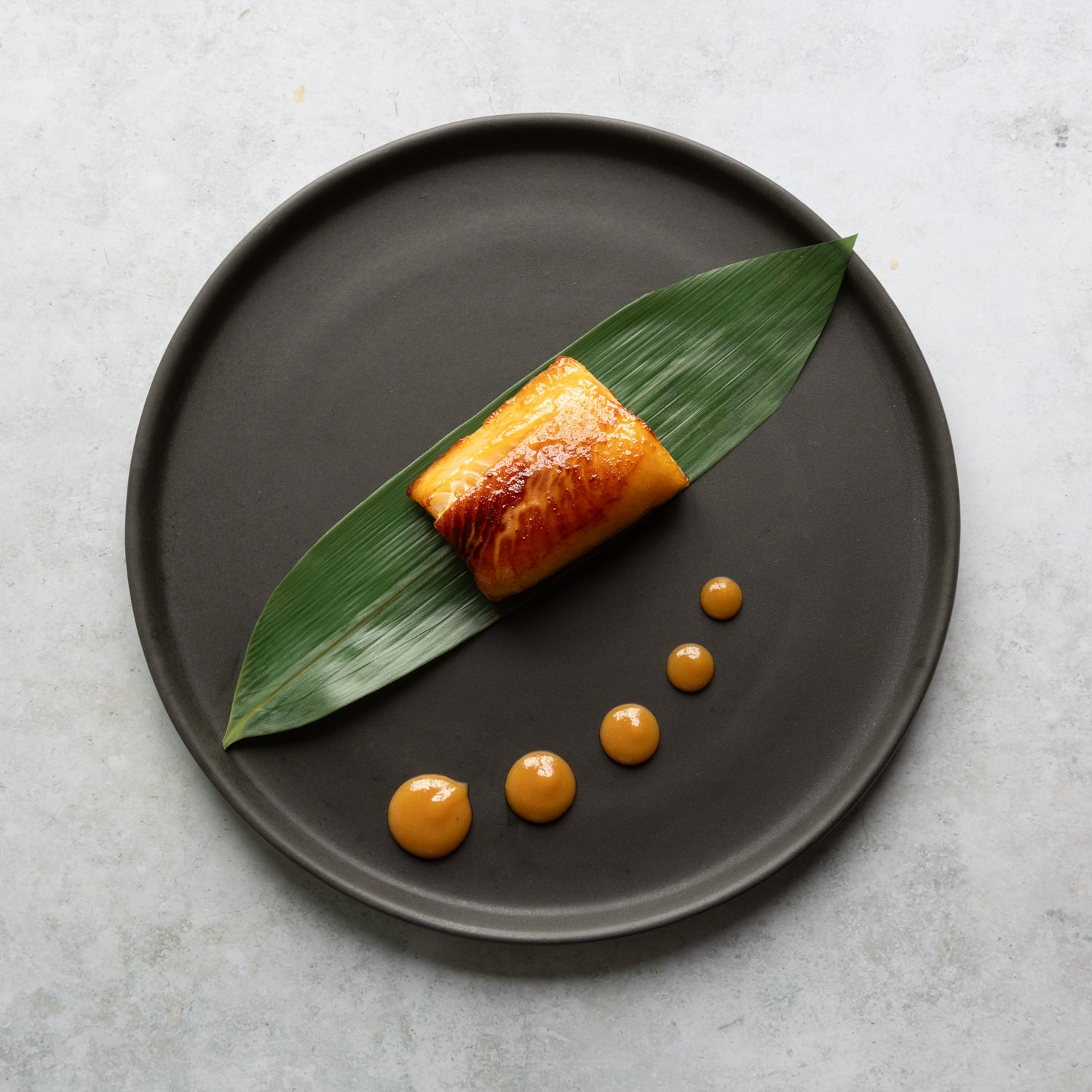
Wild-caught from the deep, cold waters of the North Pacific. Black cod (sablefish) is prized for its silky, rich flesh and high omega-3 content. The texture is delicate and almost melting — quite different from firmer white fish. It takes bold flavours exceptionally well, which is why miso-glazed black cod has become one of the most iconic dishes in modern Japanese-influenced cooking. Also excellent simply roasted with soy, ginger and citrus, or grilled with harissa.
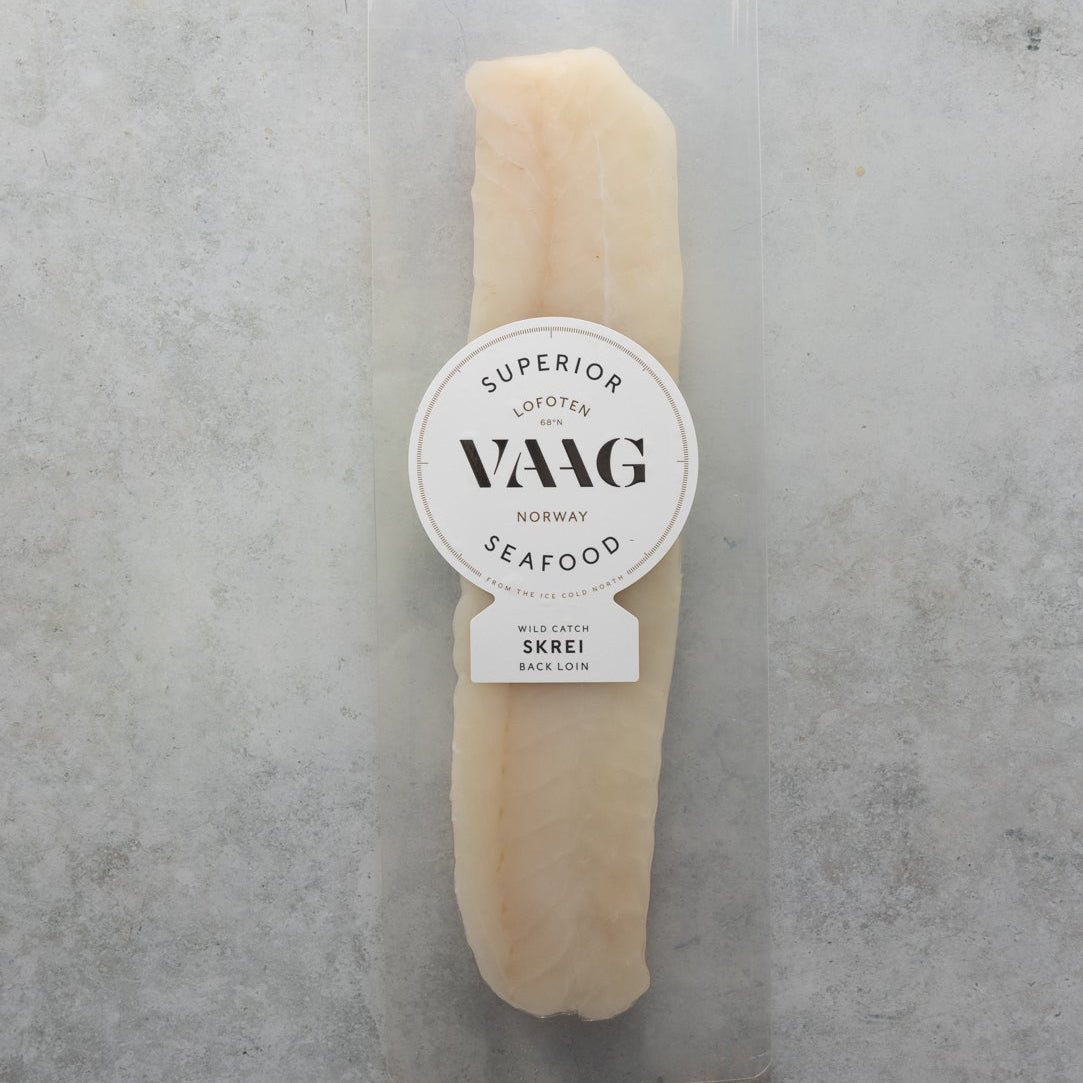
VAAG Skrei Cod
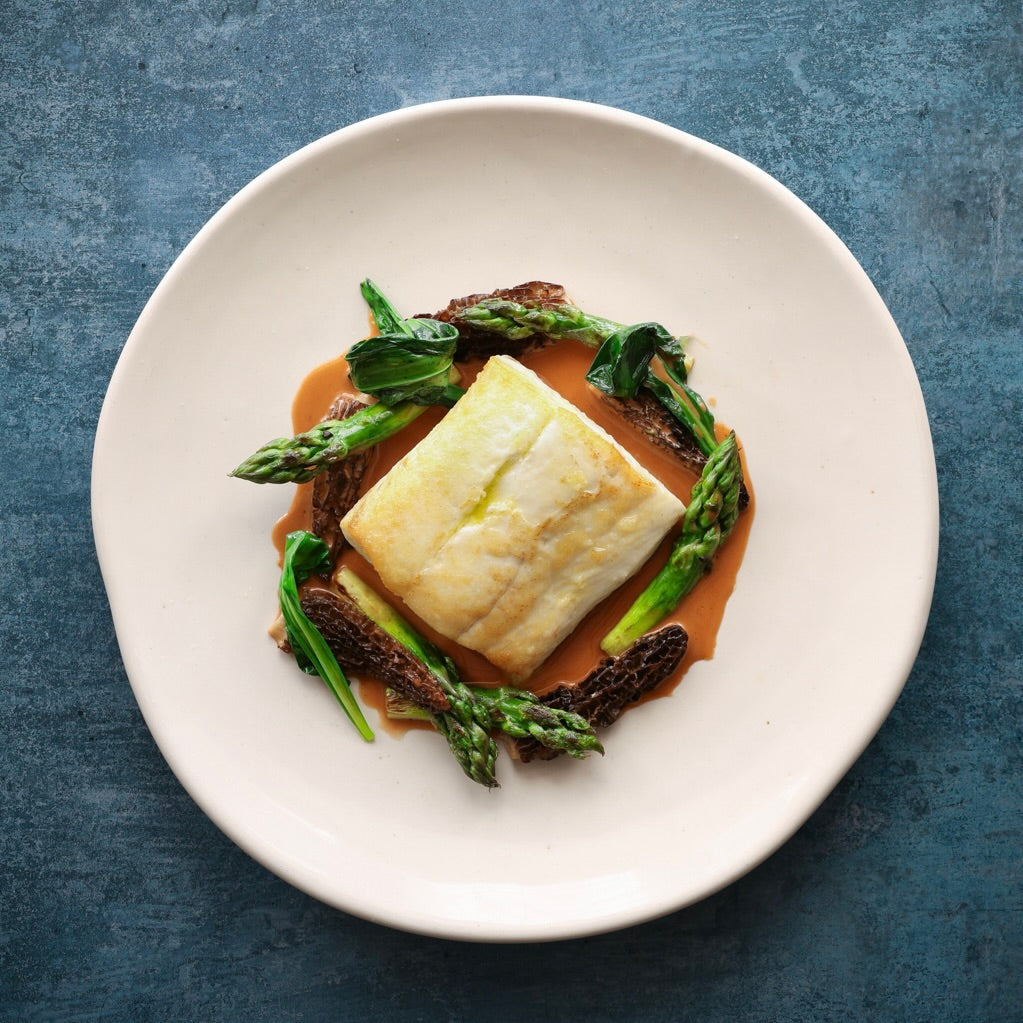
Skrei is a seasonal wild Atlantic cod, migrating from the Barents Sea to the Norwegian coast to spawn each winter. Available from January through to April and considered the finest eating cod in the world — firmer, leaner and cleaner in flavour than standard cod, with large, pearlescent flakes.
The VAAG brand represents some of the best skrei available, line-caught and processed to exacting standards. A genuinely seasonal product — when the season ends, it's gone until the following year.
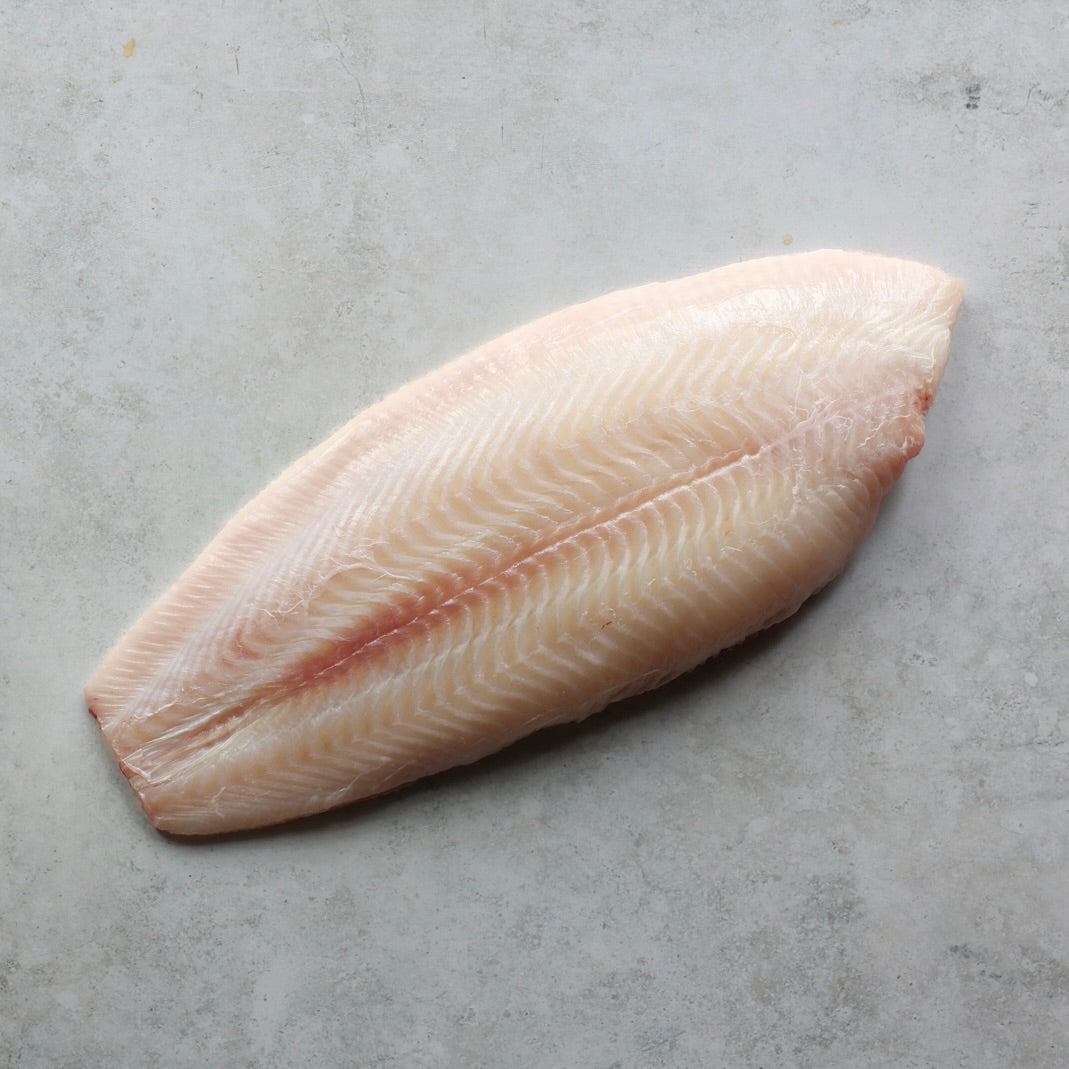
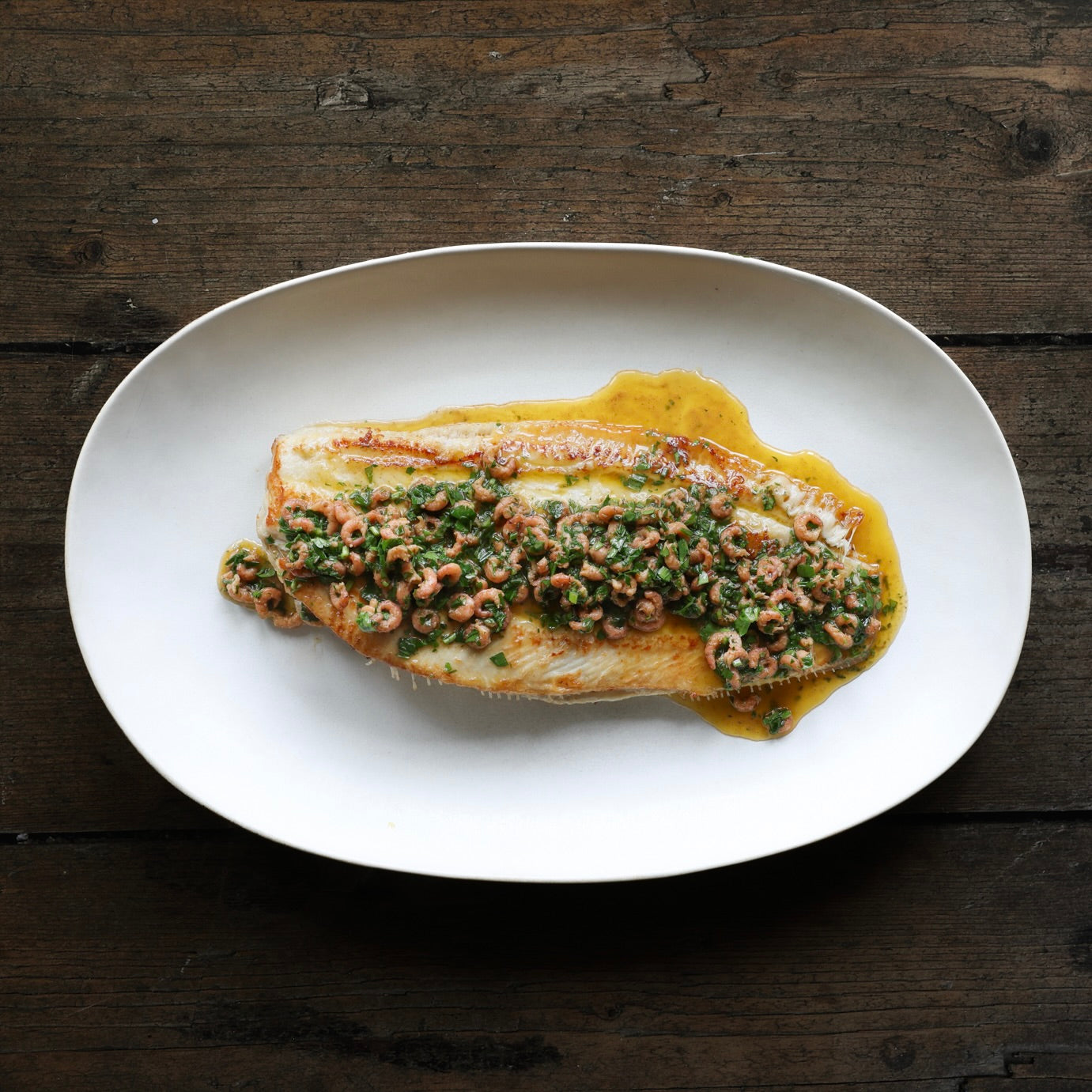
Dover Sole
Cornish day-boat Dover sole — widely considered the finest flat fish in European waters. The flesh is firm, sweet and delicate, with a clean flavour that needs very little embellishment. Pan-fry in brown butter with capers and lemon for a classical meunière, or roast whole on the bone for maximum flavour. One of the few fish that actually improves with a day's rest in the fridge after catching, allowing the flesh to firm up and the flavour to develop. Available in a range of sizes.
Red Snapper
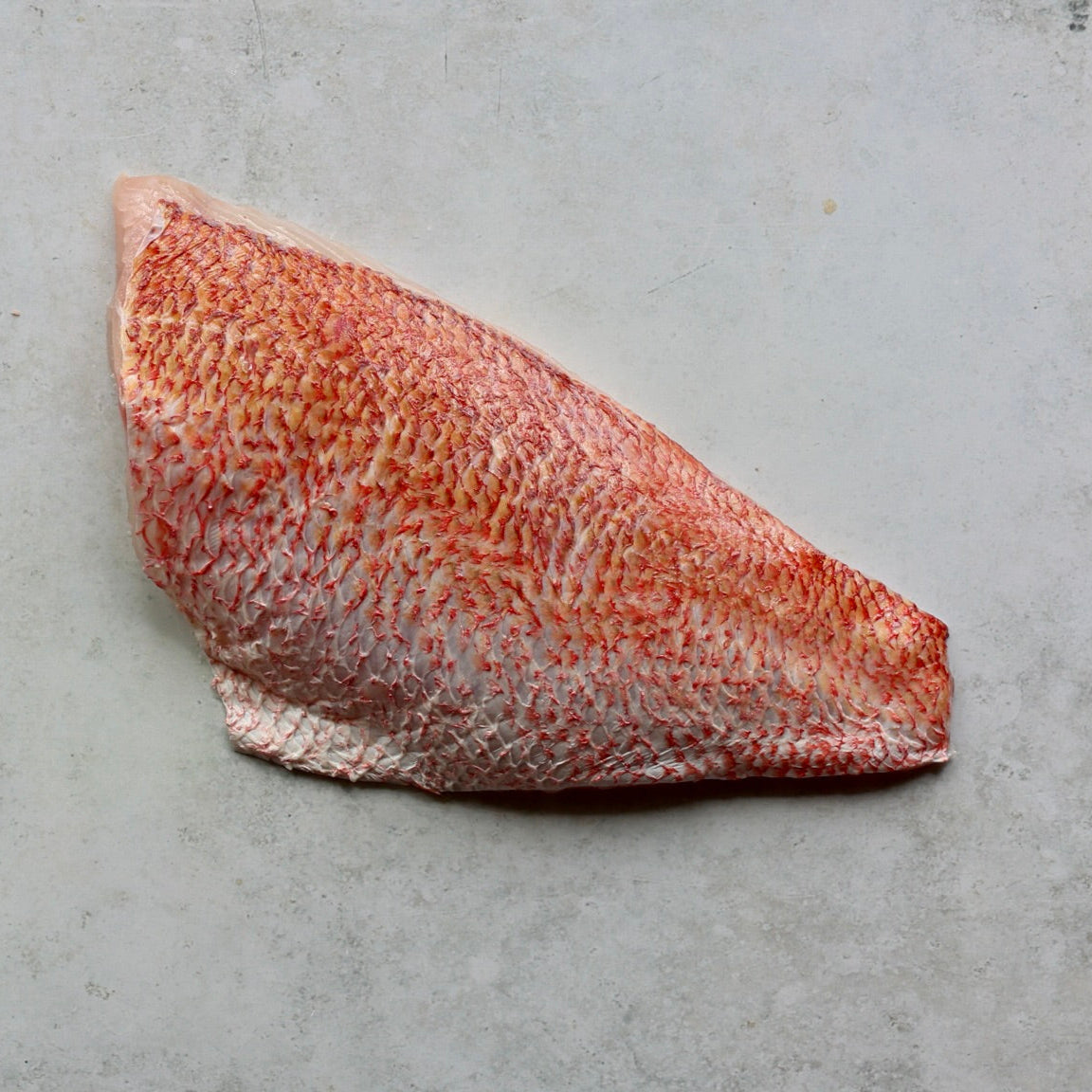
Gulf red snapper fillets with the distinctive red skin intact. The flesh is firm, moist and mildly sweet with a clean finish — one of the most versatile premium fish available. Takes well to almost any cooking method: pan-fry skin-side down for crisp skin, roast whole, grill or steam. The skin is edible when crisped and adds both colour and flavour to the plate.
Yellowtail Kingfish
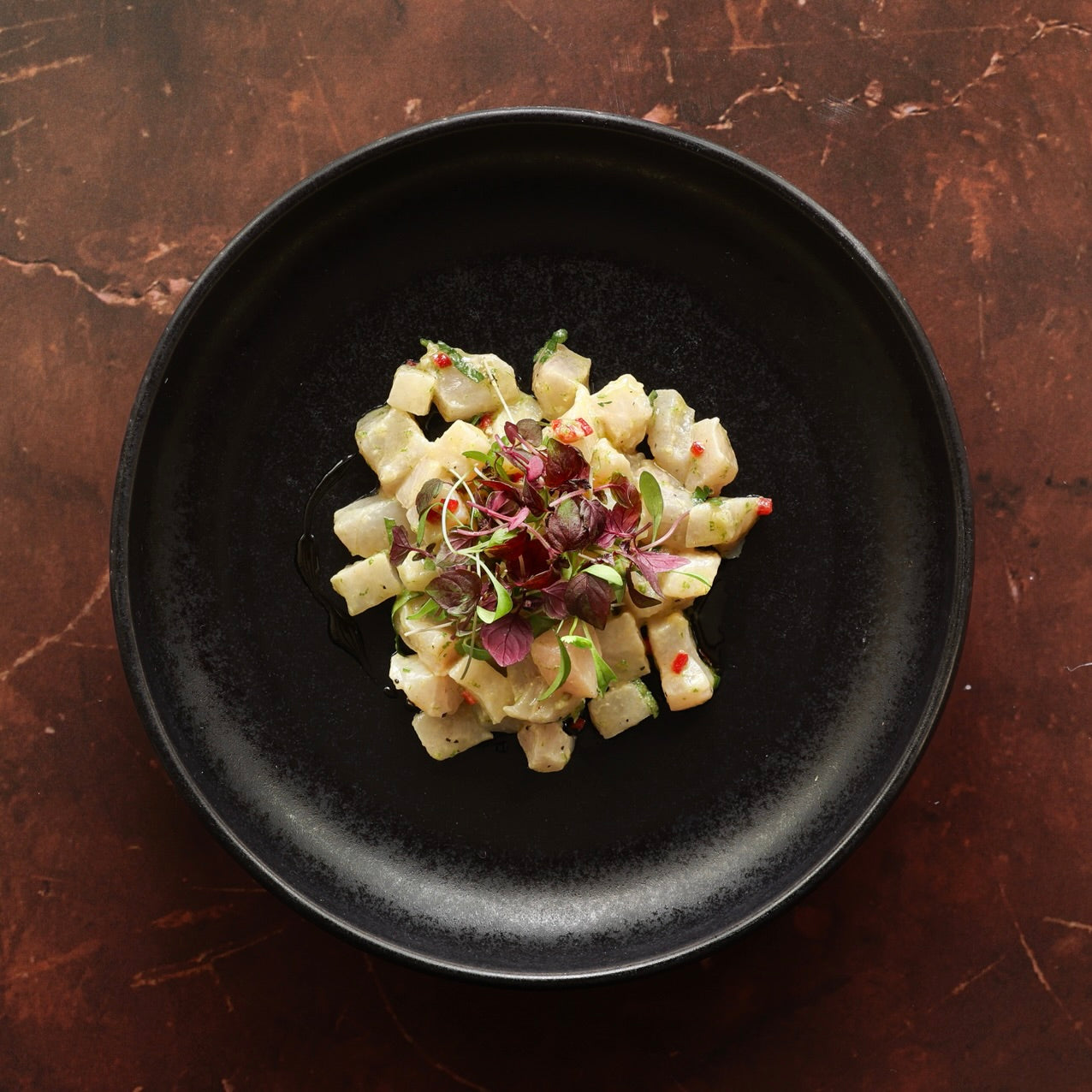
A premium fish increasingly popular in high-end Japanese and Australian cuisine. The flesh is pale, clean and buttery with a delicate sweetness — excellent raw as sashimi or crudo, lightly seared, or grilled. We carry skin-on fillets that can be portioned to suit your preparation. Sustainably farmed and certified — one of the most refined fish in the collection.
Cooking Premium Fish
The single most important principle with high-quality seafood is restraint. These products have been sourced for their natural flavour — they don't need heavy sauces, complex marinades or aggressive seasoning to taste good. In most cases, heat, fat, salt, acid, and one or two complementary flavours are all you need.
For fish fillets and portions, master the pan-roast: hot pan, oil, skin-side down until deeply golden, flip briefly, then finish in a 180°C oven for a few minutes. This technique works across virtually every fish in the collection, from Chilean sea bass to Dover sole to Ōra King.
Storage, Defrosting & Handling
All seafood is shipped in insulated packaging with ice packs via express courier service. The majority of items will remain frozen in transit. Smaller or thinner products — tuna steaks, scallops, brown shrimp and similar — may begin to partially thaw during delivery. This is normal and does not affect quality; these items are best treated as fresh once received and used accordingly.
For most seafood, defrost overnight in the fridge on a plate or in a colander. Pat dry with kitchen paper before cooking — surface moisture is the enemy of a good sear. Once thawed, use within 2 to 3 days and do not refreeze.
A Note On Red Fish — Tuna & Saku Blocks
Red-fleshed fish like yellowfin and bluefin tuna is stored at –50°C to preserve the vibrant colour and freshness of the flesh. Once thawed, oxidisation can cause the surface to darken — the flesh may shift from bright red to a deeper brownish tone when exposed to air. This is a natural process and does not indicate spoilage, but it can be minimised with careful handling.
To defrost, remove the fish from its vacuum packaging and place it on a plate lightly covered with cling film. This allows the flesh to breathe while limiting prolonged air exposure. Use promptly once thawed — tuna in particular is at its best eaten the same day it's defrosted. Bluefin otoro should be served at room temperature rather than fridge-cold; remove from the fridge 15 to 20 minutes before serving.
Delivery
UK next-working-day delivery on orders placed before 2pm. Complimentary weekday delivery on orders over £225. All seafood is packed in insulated boxes with ice packs to maintain temperature throughout transit.