The most studied wine region in the world, and the one every other measures itself against. Two banks of the Gironde, two principal grape varieties, and a set of appellation boundaries that have held their meaning for well over a century.
The point of those boundaries is that they tell you something before you open the bottle. A few kilometres of gravel, clay or limestone changes the wine more than any winemaker does. What follows is the collection arranged the way Bordeaux itself is arranged — by where the fruit was grown.
What's listed is what we can buy in the right vintage at the right price. The names rotate. The standard does not.
LEFT BANK
Cabernet Sauvignon-led blends, grown on gravel banks deposited by the river. Structured, tannic, built to age. Blackcurrant, cedar and graphite are the common language; the differences between the communes are differences of weight and perfume.
Haut-Médoc
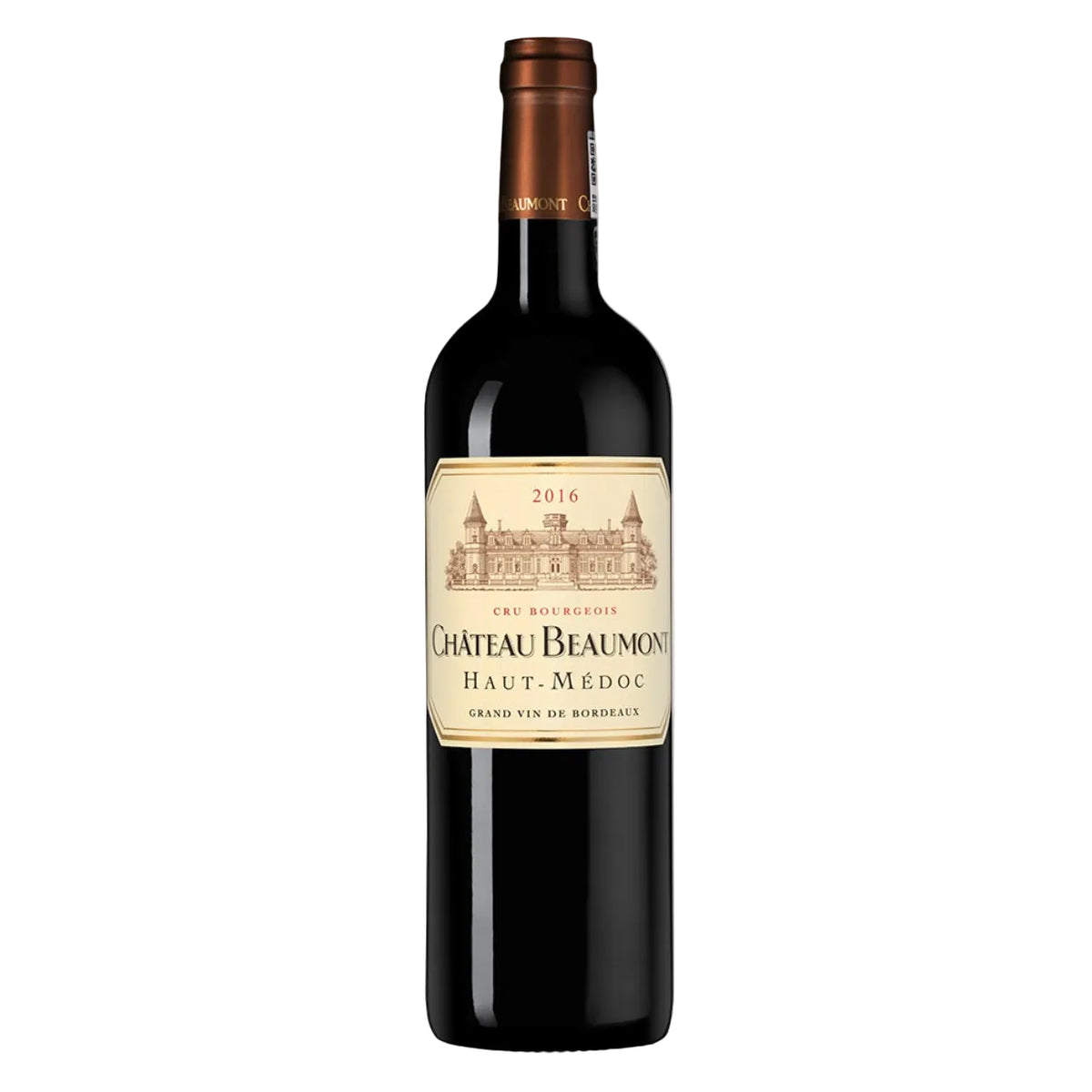
The wider appellation covering the peninsula outside the named communes. Gravel is patchier here and the wines are lighter on their feet, but this is where the Crus Bourgeois and several classified estates sit, and it is the most sensible way into serious claret. Ready earlier than its neighbours. Good with a roast rack of lamb.
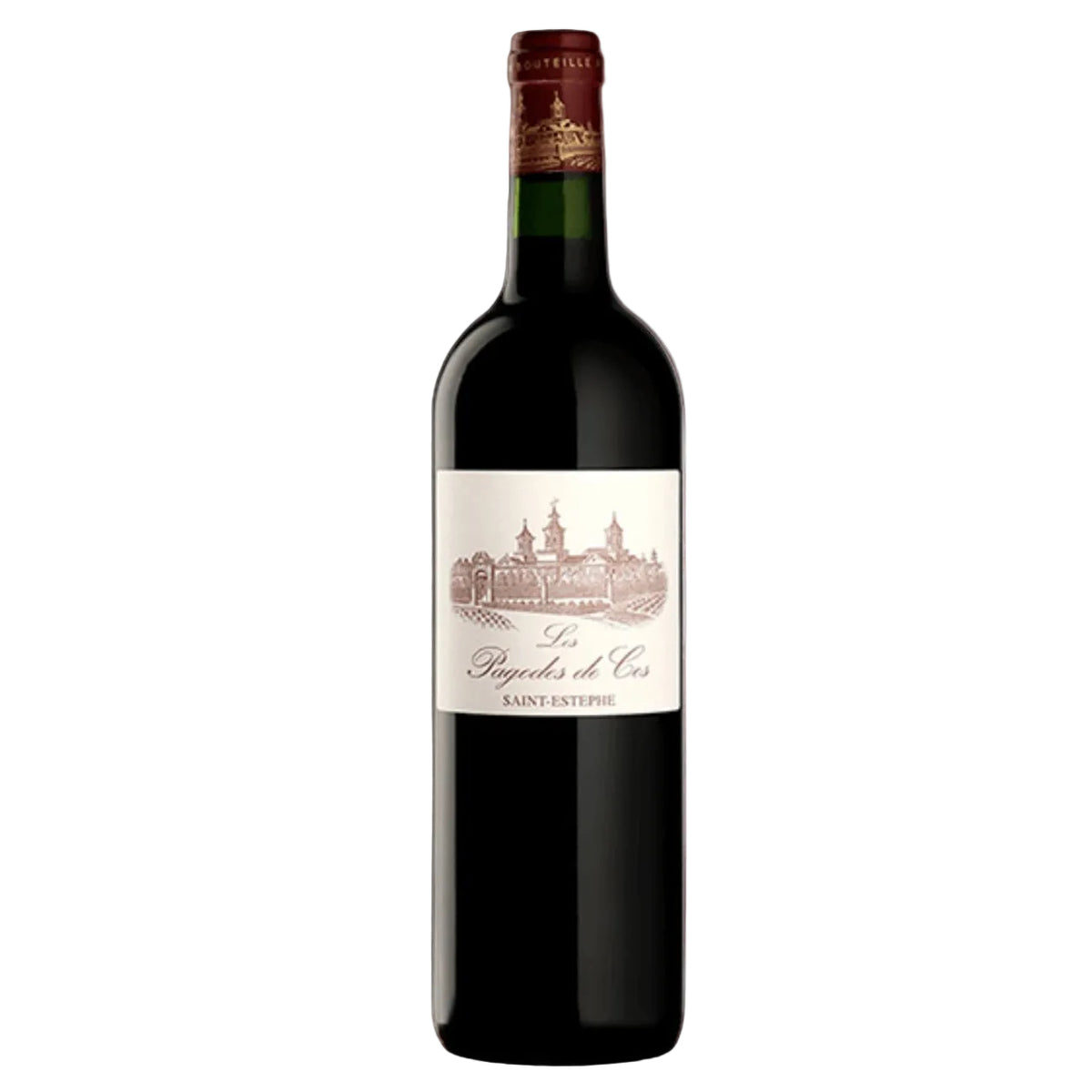
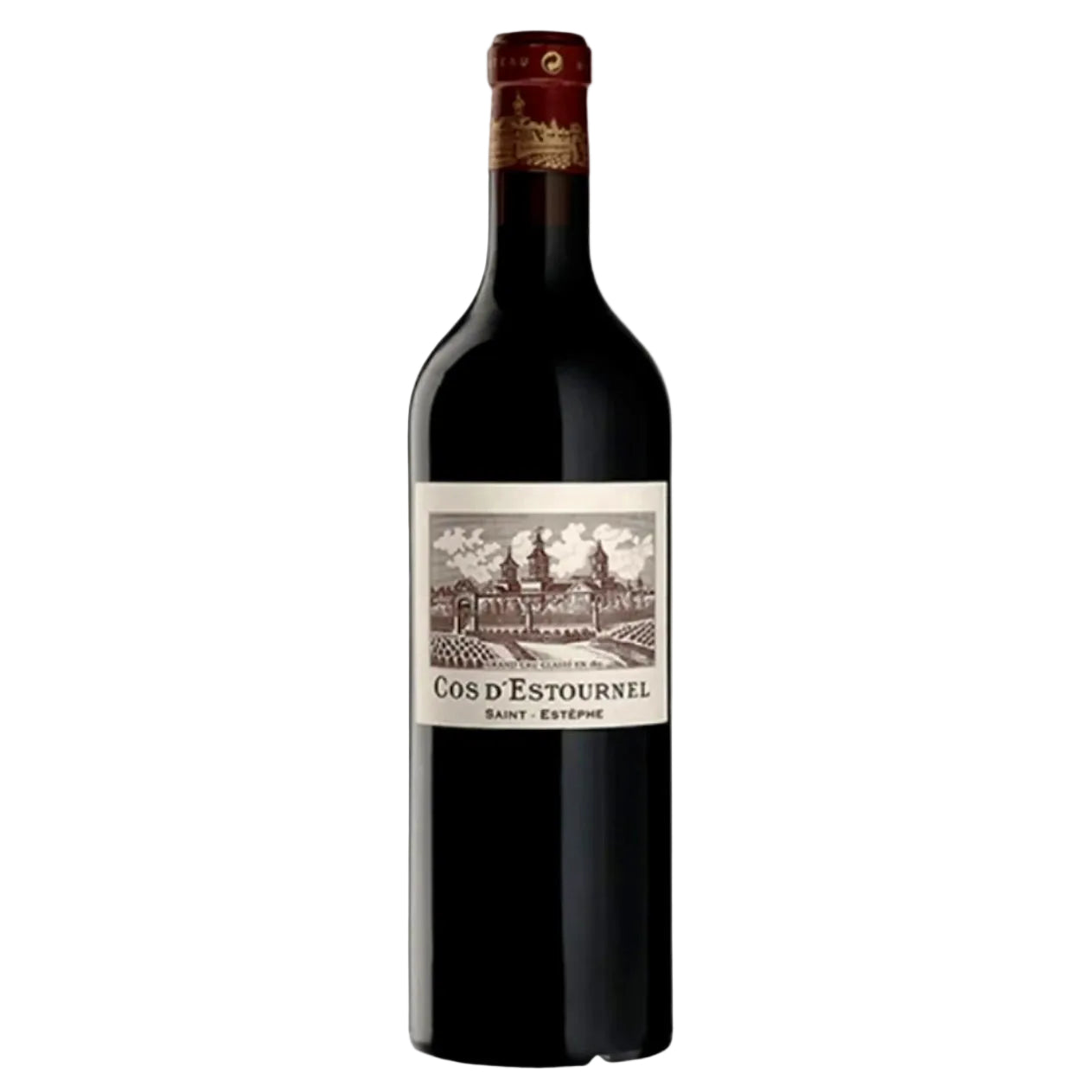
Saint-Estèphe
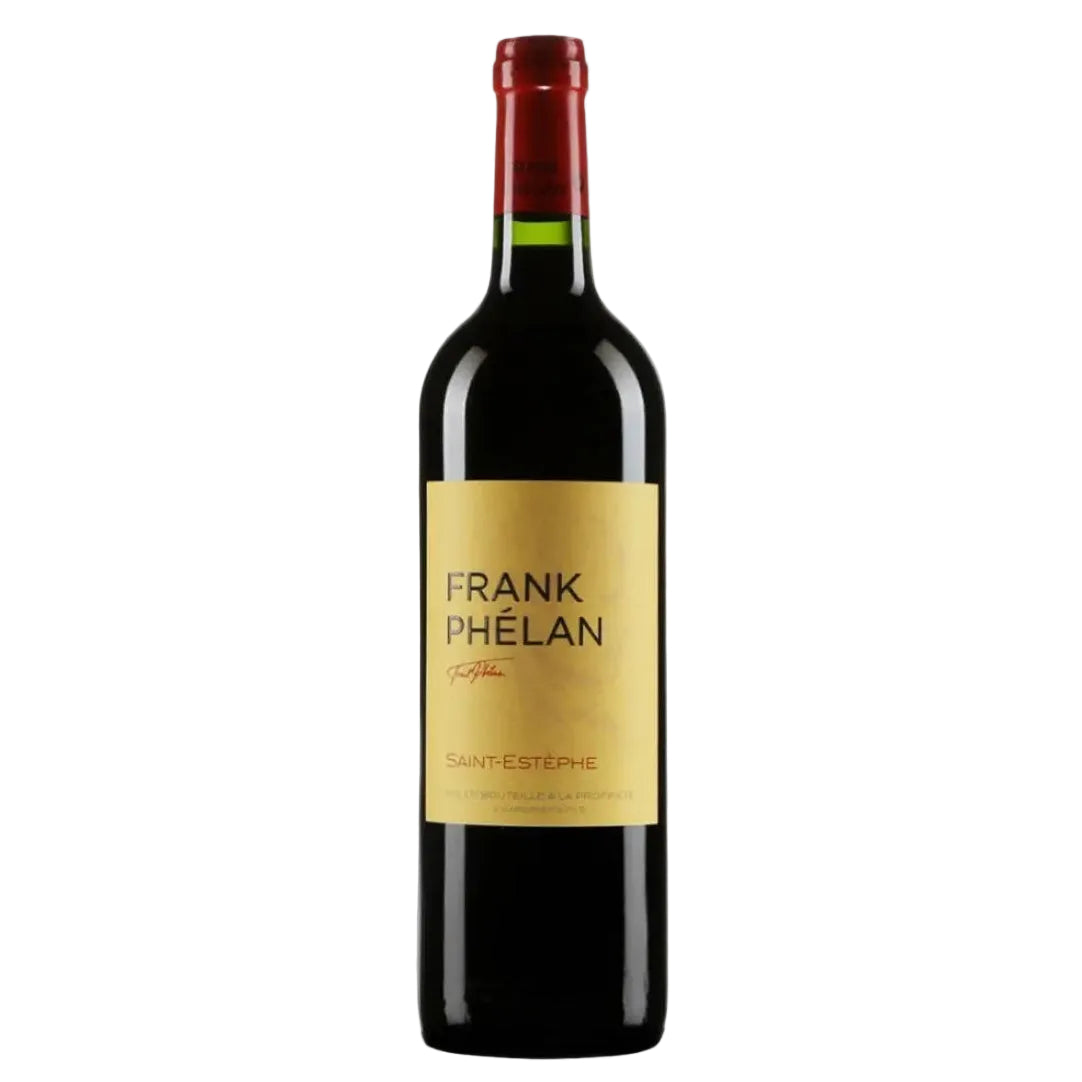
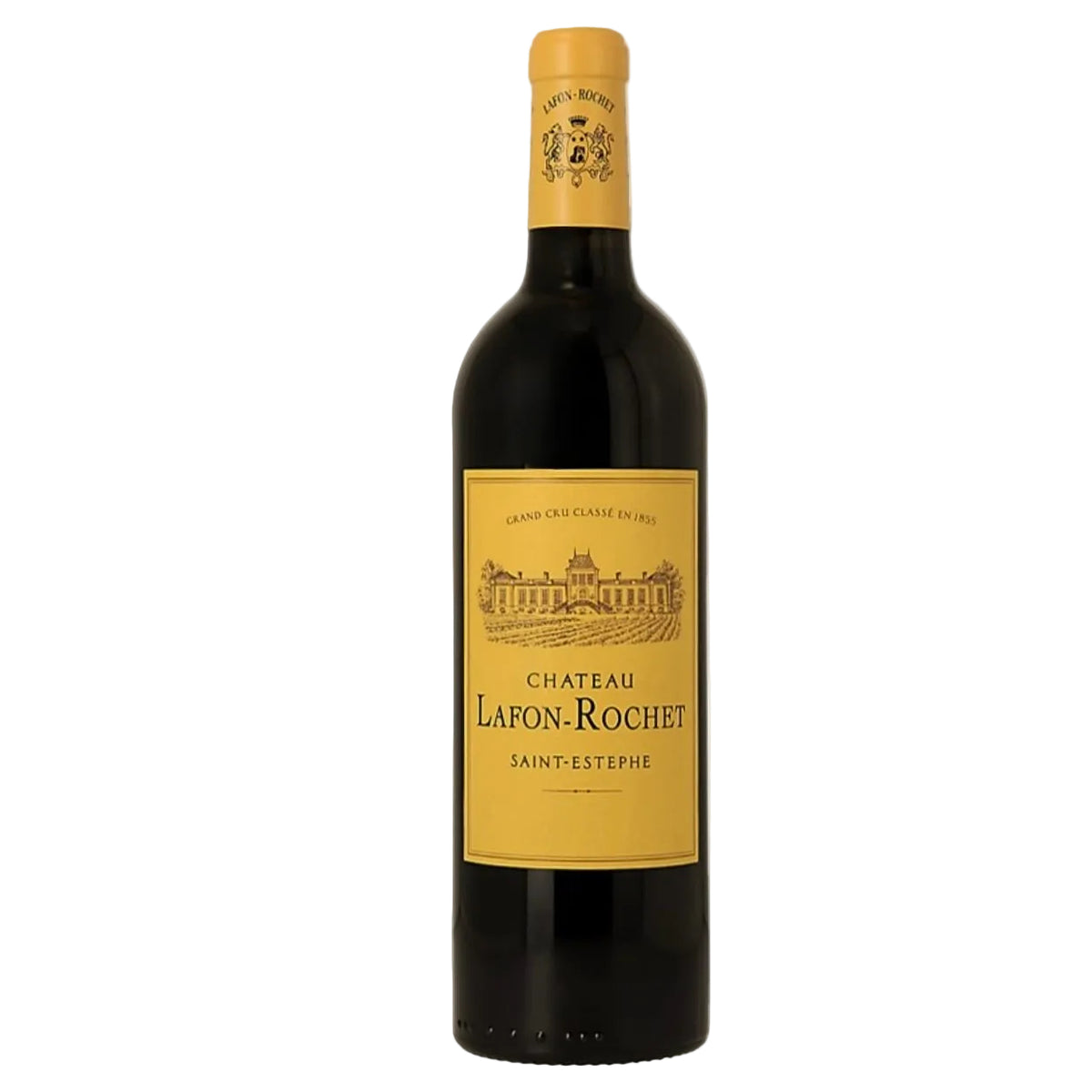
The northernmost commune, and the one with the most clay in its soil. That gives firmer tannins, later ripening and wines that hold back for longer before they open. Sturdy rather than showy. Saint-Estèphe rewards decanting more than any other Left Bank appellation, and it takes a côte de boeuf without flinching.
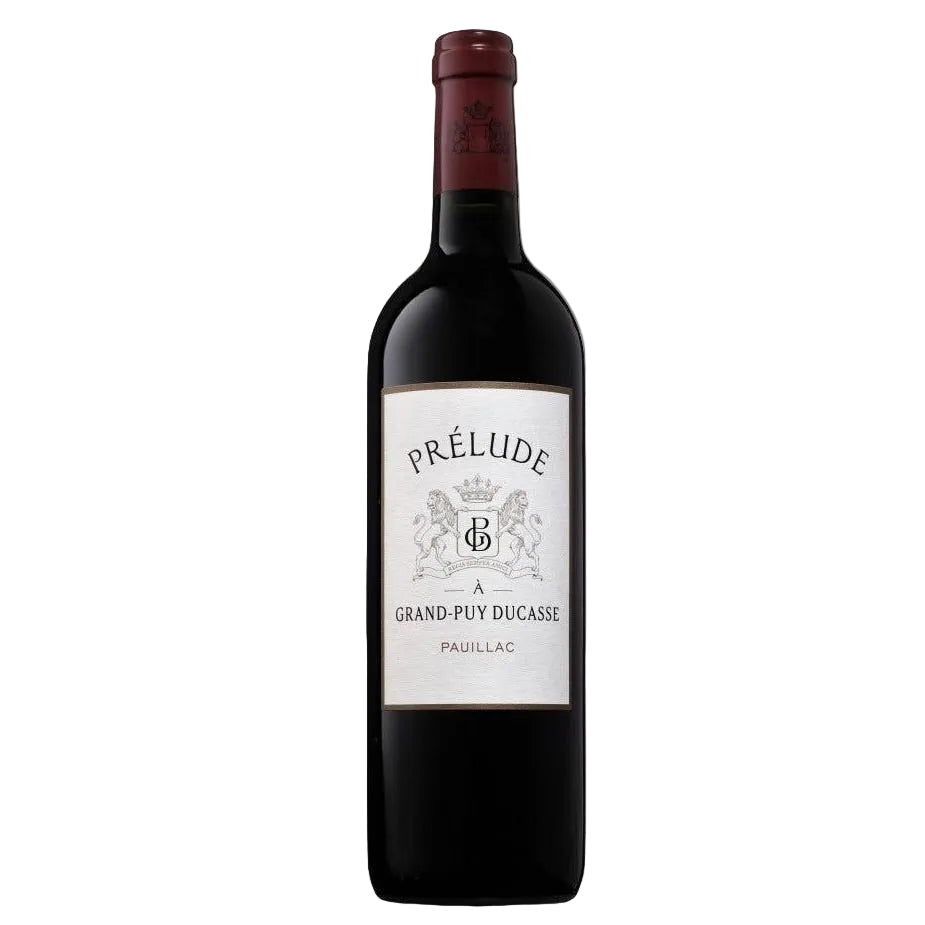
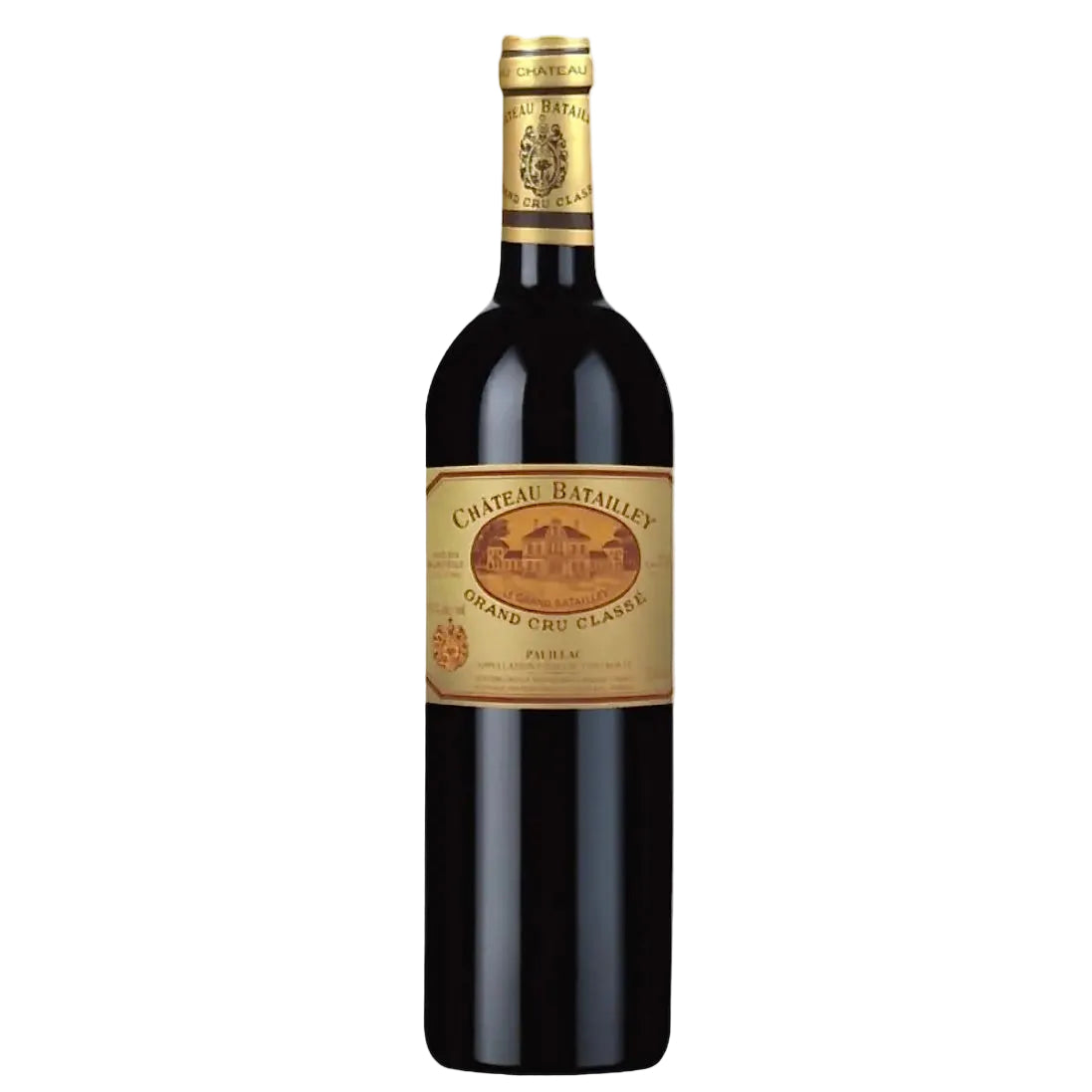
Pauillac
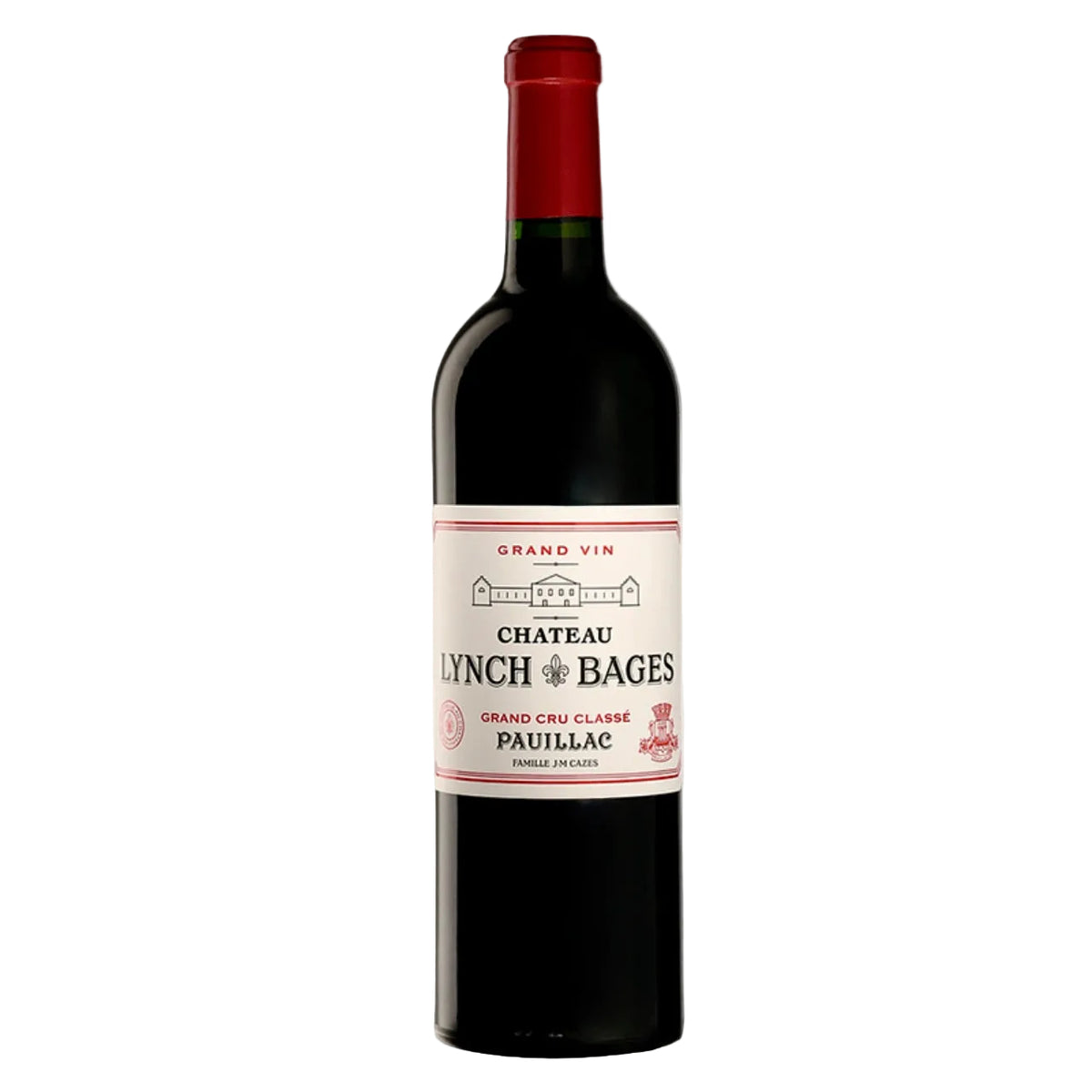
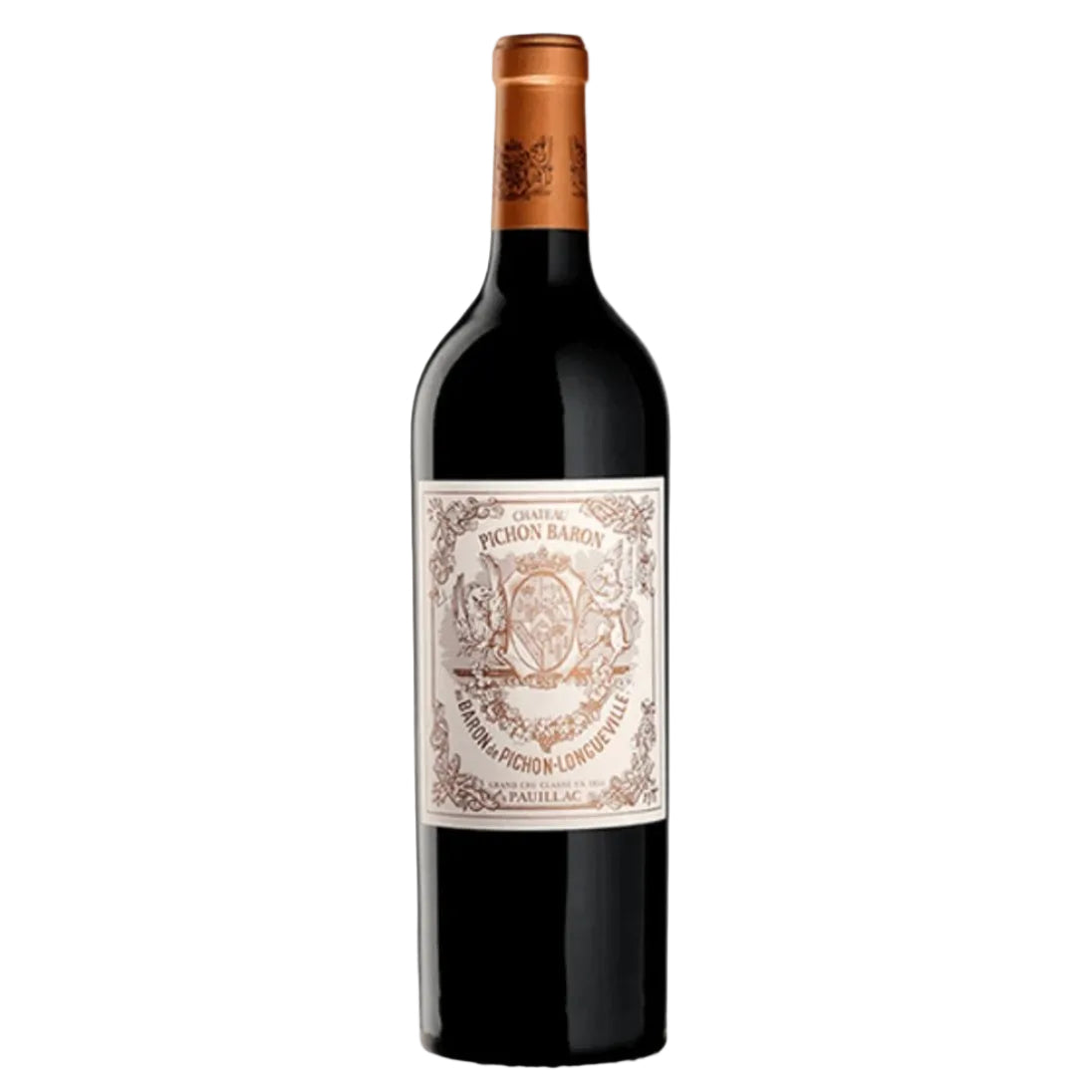
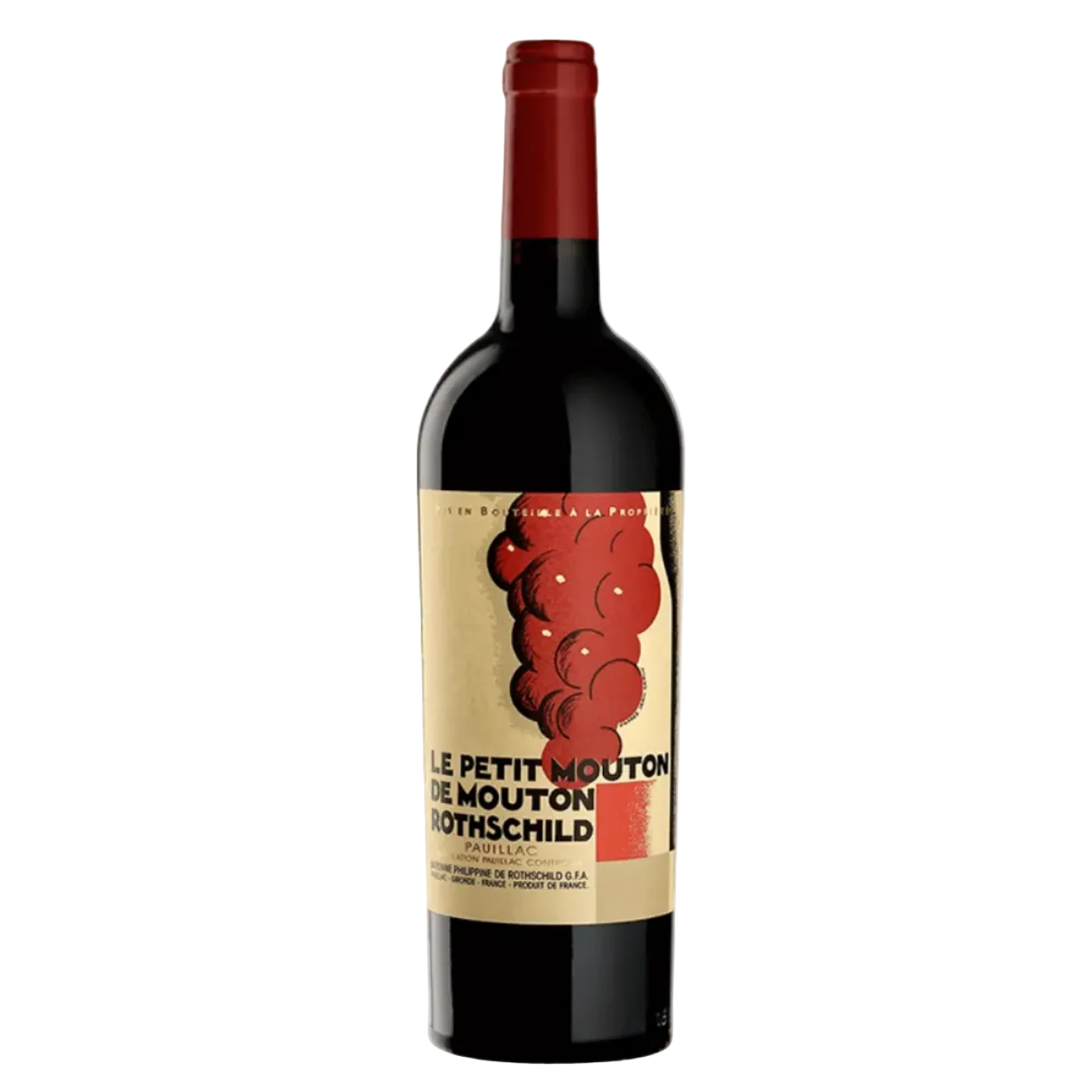
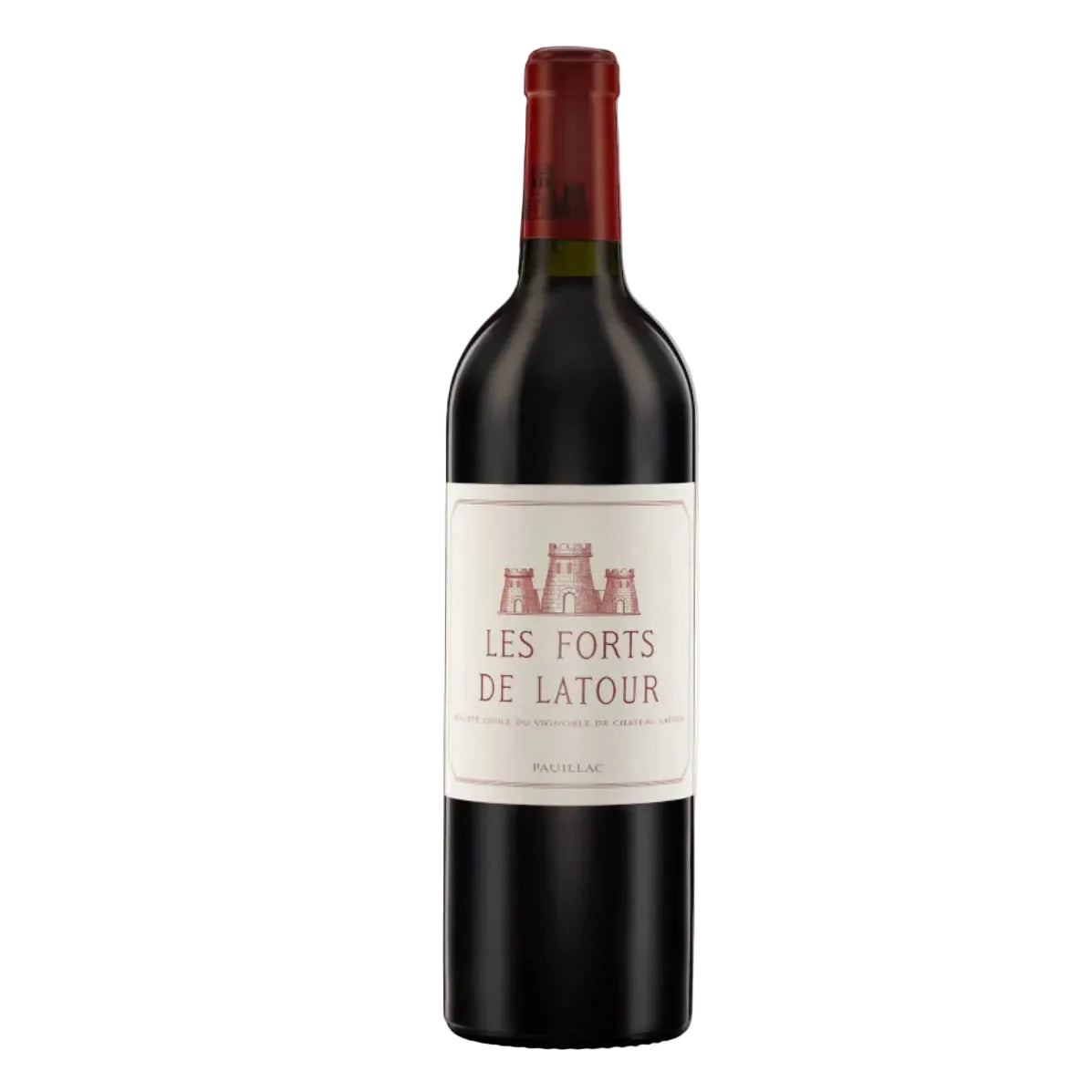
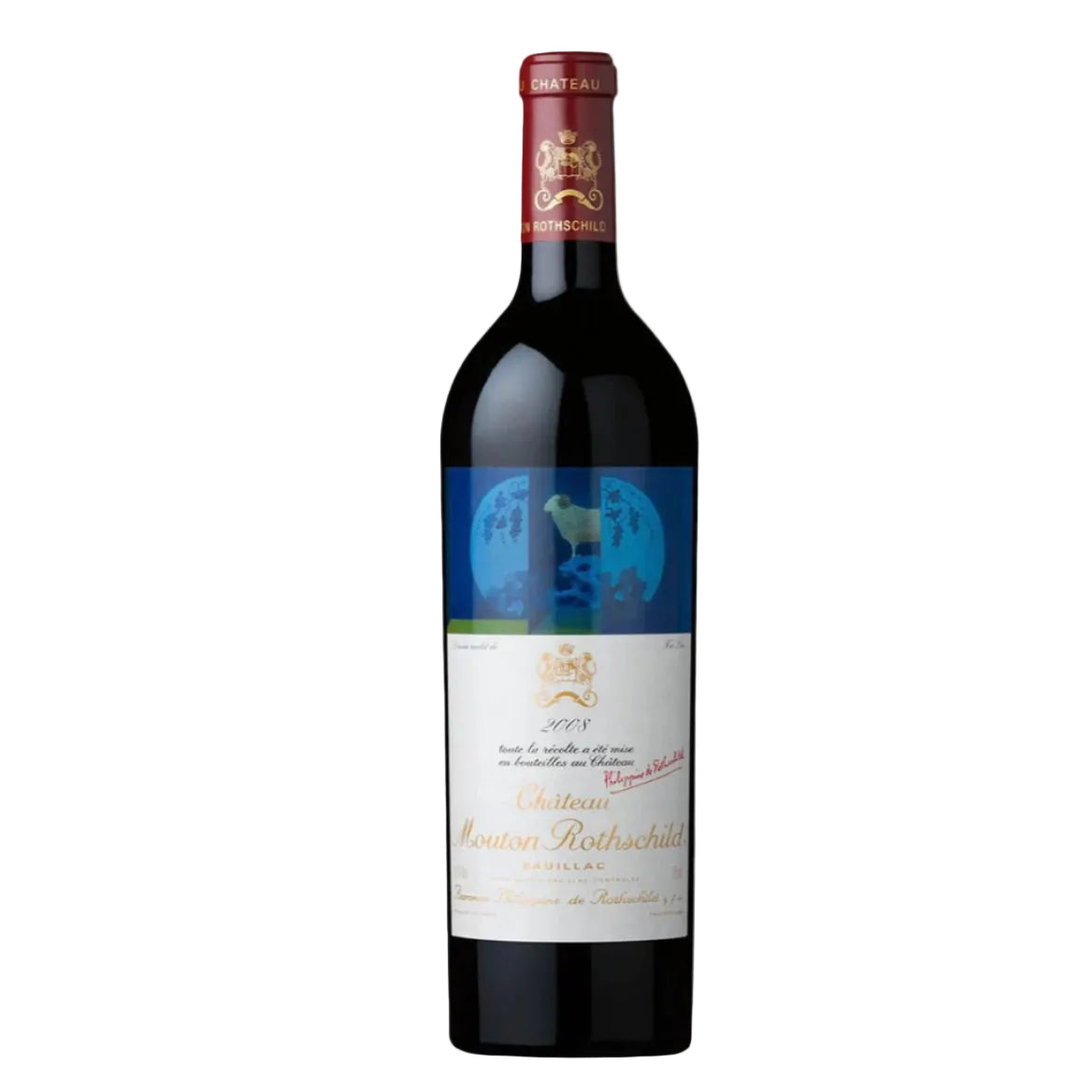
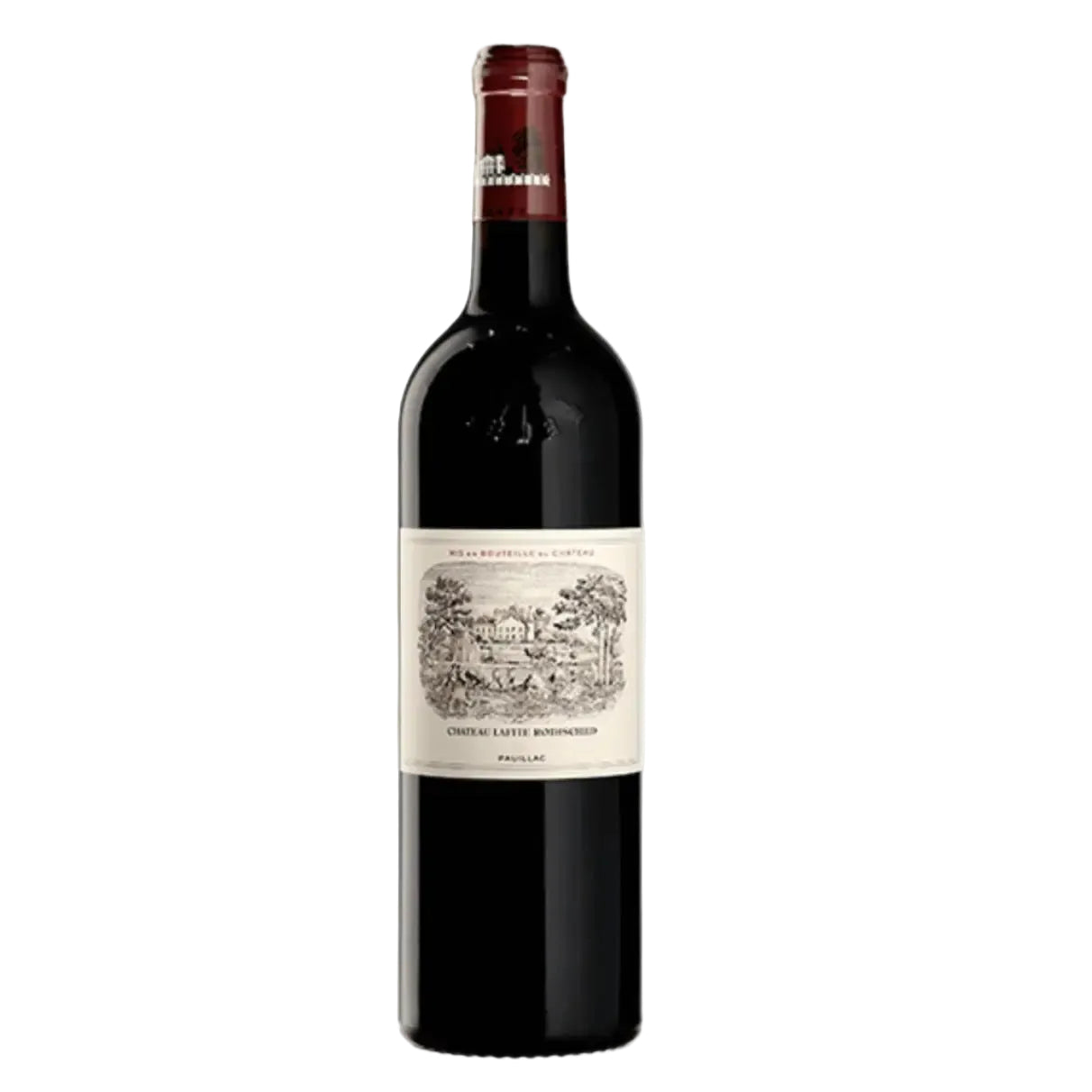
Deep gravel, and three of the five First Growths — Lafite, Latour and Mouton — within a few kilometres of each other. This is the reference point for Cabernet Sauvignon anywhere in the world: blackcurrant, cedar, pencil shavings, and tannins that take a decade to settle. The Fifth Growths here often outperform higher-ranked wines from elsewhere.
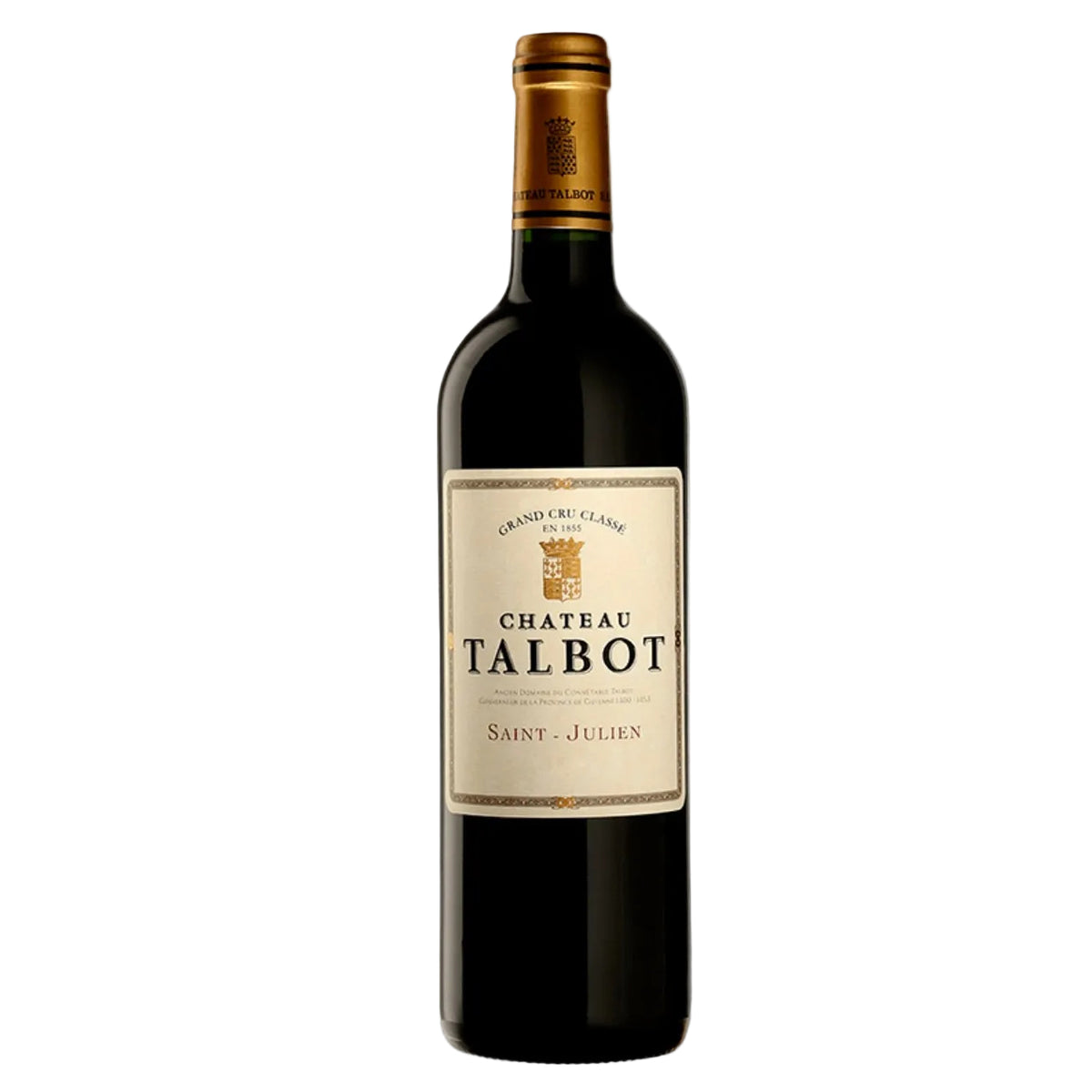
Saint-Julien
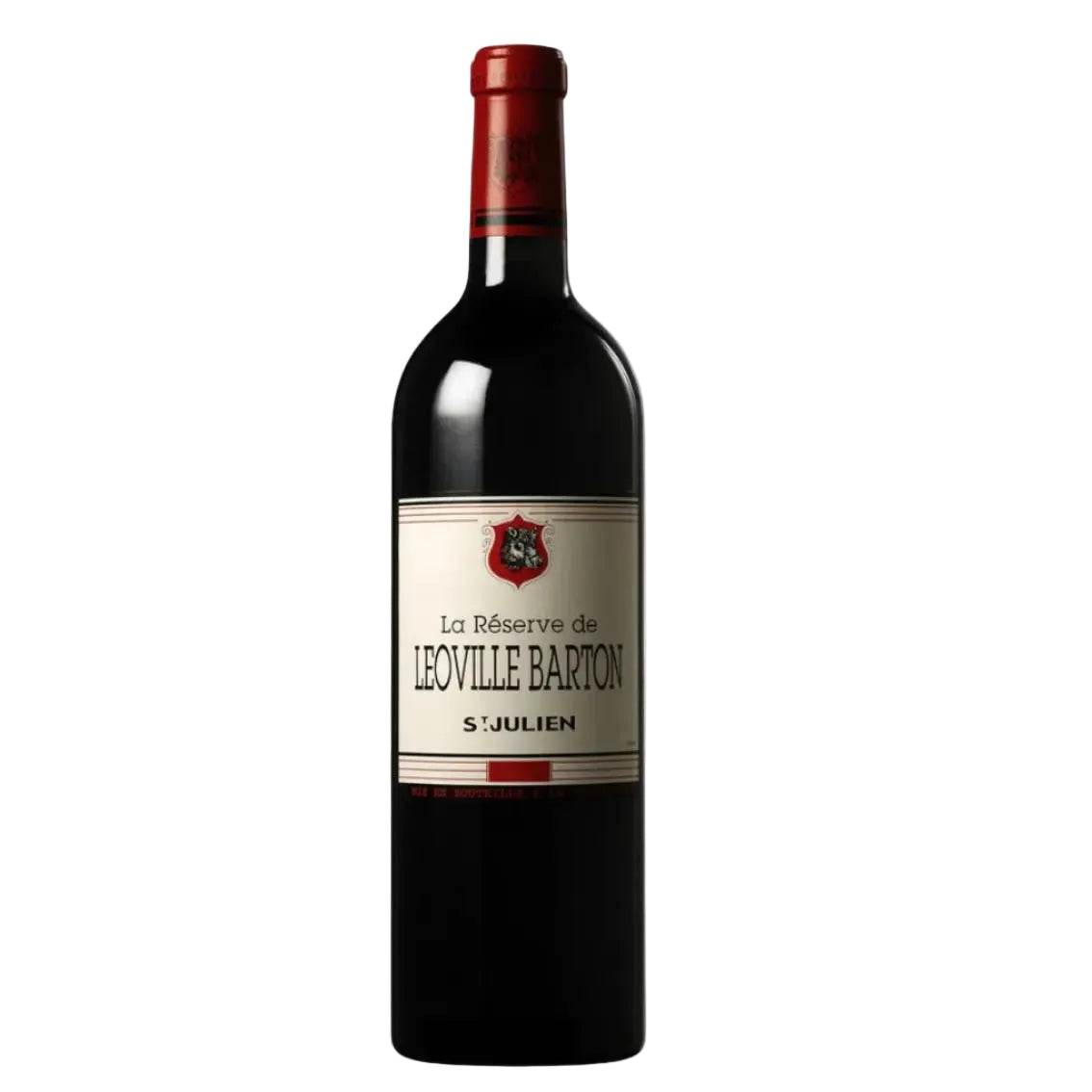
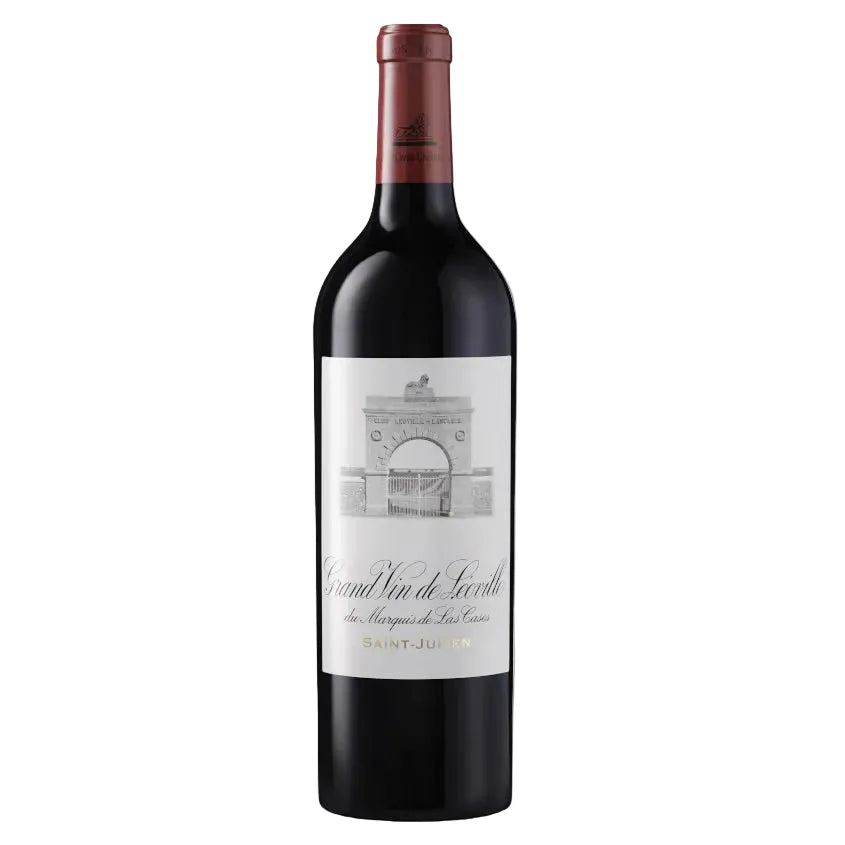
Between Pauillac and Margaux, and it tastes like it. No First Growth, but the most consistent commune on the Left Bank — the Léoville estates, Ducru-Beaucaillou and Gruaud Larose deliver year after year with a reliability the bigger names don't always match. Cassis and cedar with a softer middle than Pauillac.
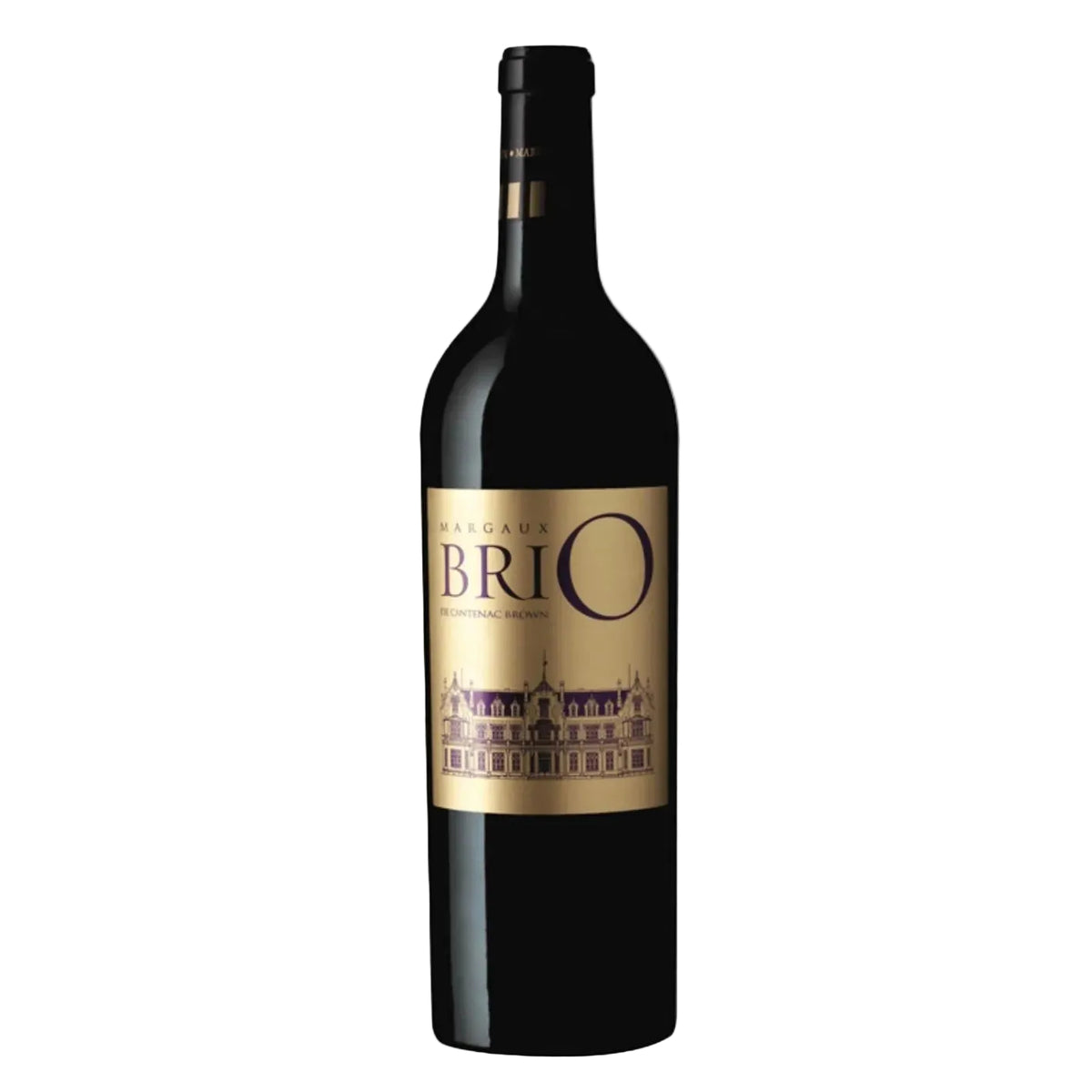
Margaux
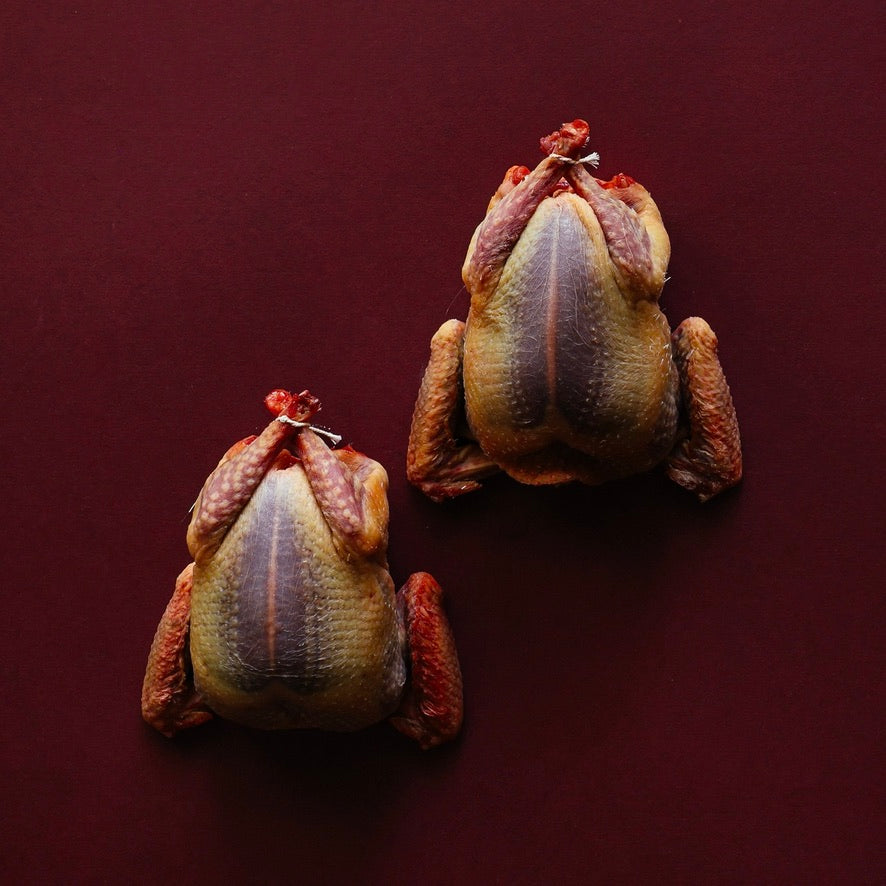
The southernmost of the four Médoc communes, on the thinnest gravel. The wines are the most perfumed in the Médoc — violets, red fruit, and a lightness of touch that can read as delicacy in a young vintage and turns out to be structure ten years later. Margaux with roast squab or duck rather than beef.
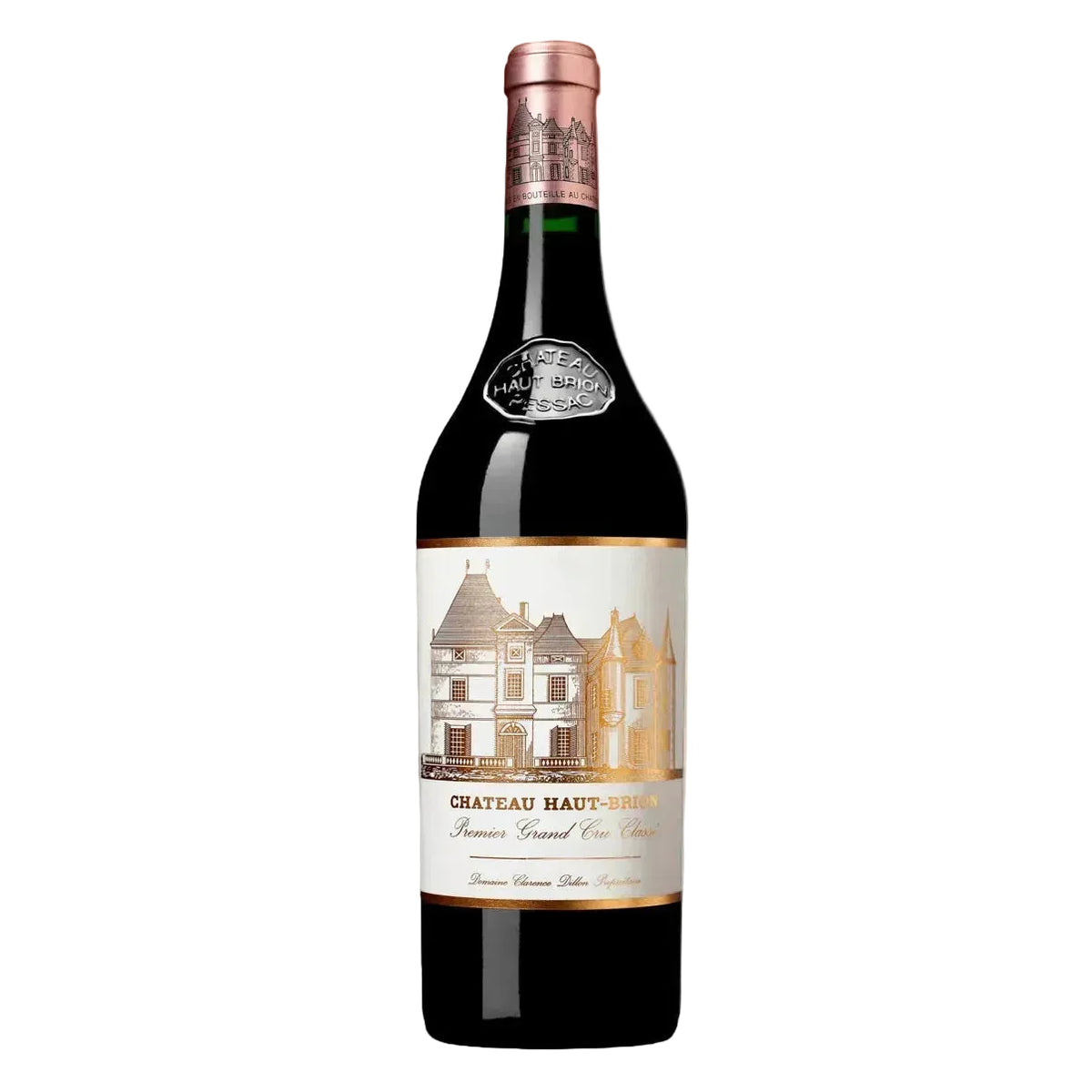
Pessac-Léognan
South of the city, on the gravel of the Graves. The only Bordeaux appellation making red and white at the highest level, and the only one outside the Médoc included in the 1855 classification — Haut-Brion sits here, alongside Carbonnieux and the other Crus Classés de Graves. The reds carry a smoky, warm-earth character the Médoc doesn't have; the whites are Sauvignon Blanc and Sémillon, barrel-fermented, and among the longest-lived dry whites in France.
RIGHT BANK
Merlot-led, usually with Cabernet Franc alongside. Clay and limestone rather than gravel. Plumper, more giving young, and the better introduction to fine Bordeaux for anyone who finds young Médoc austere.
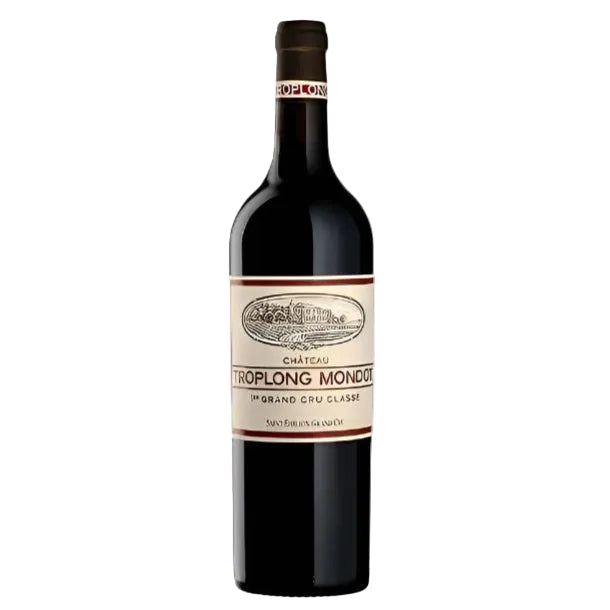
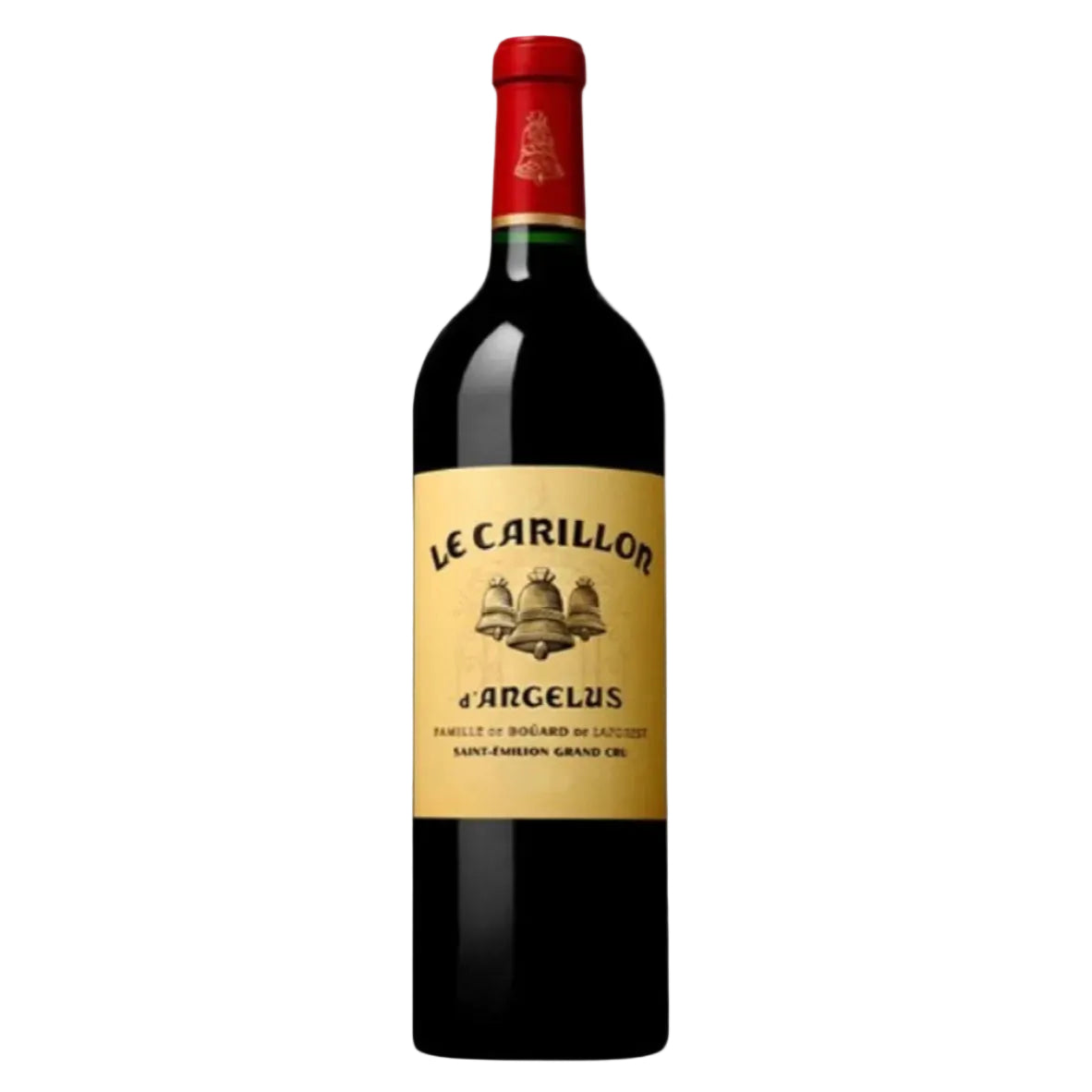
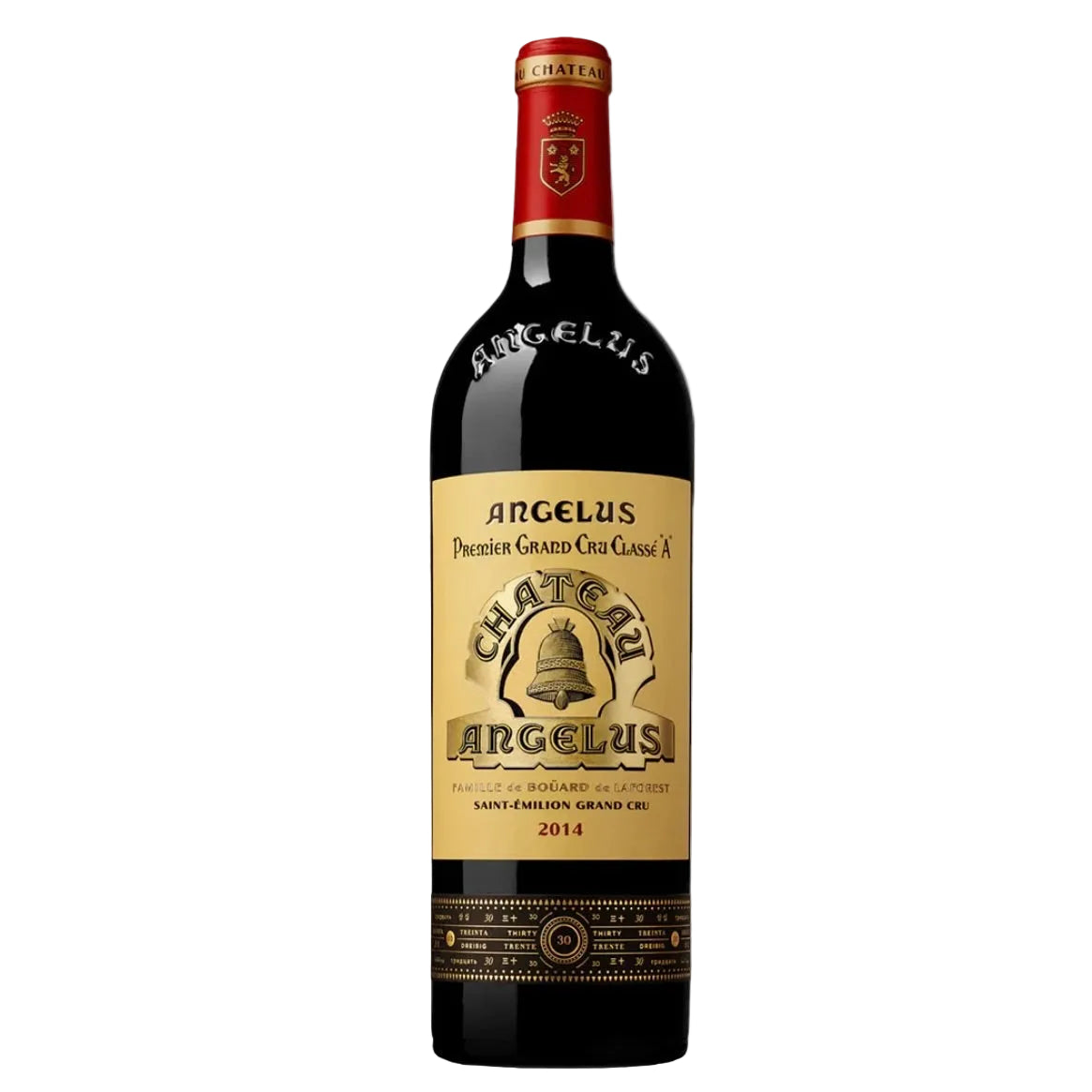
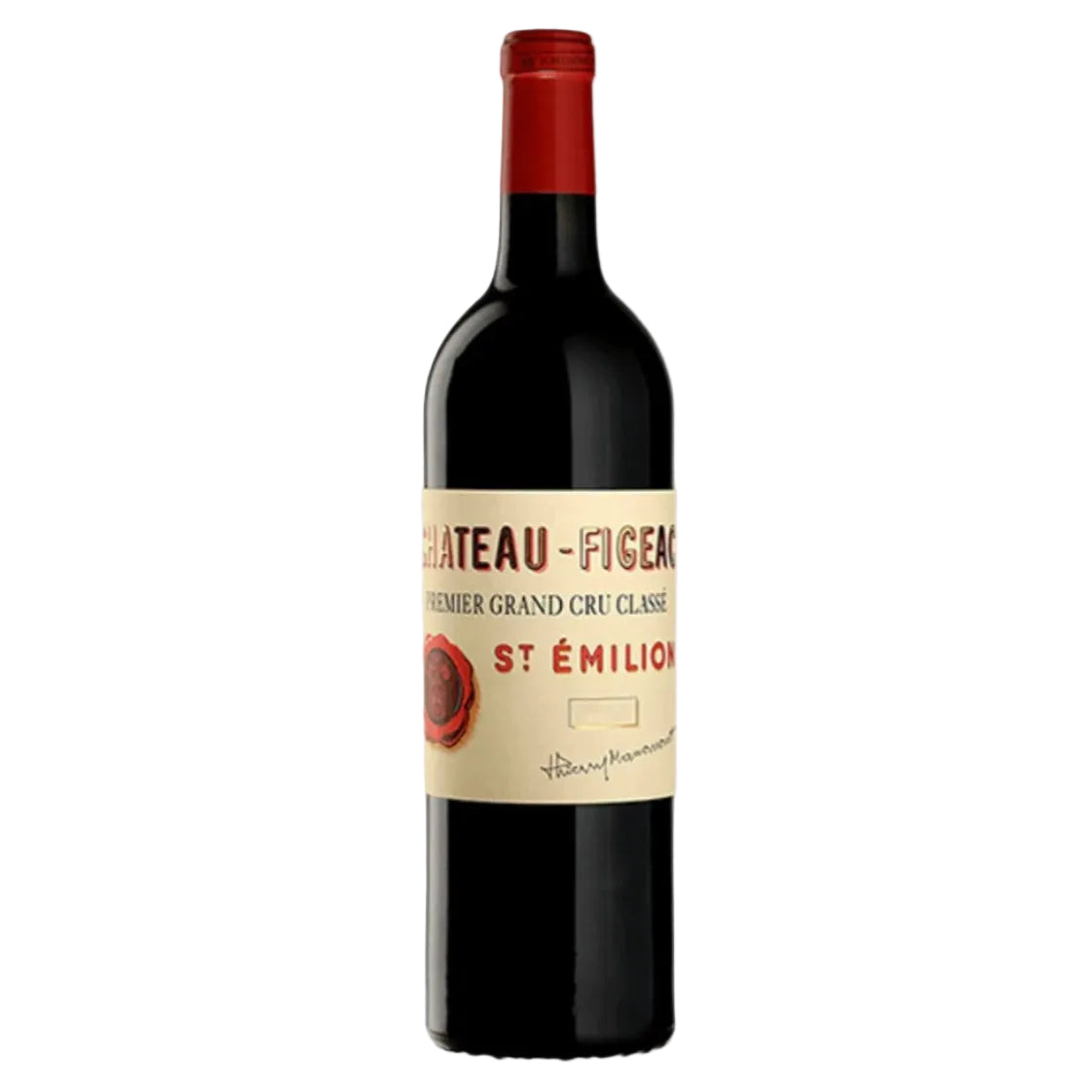
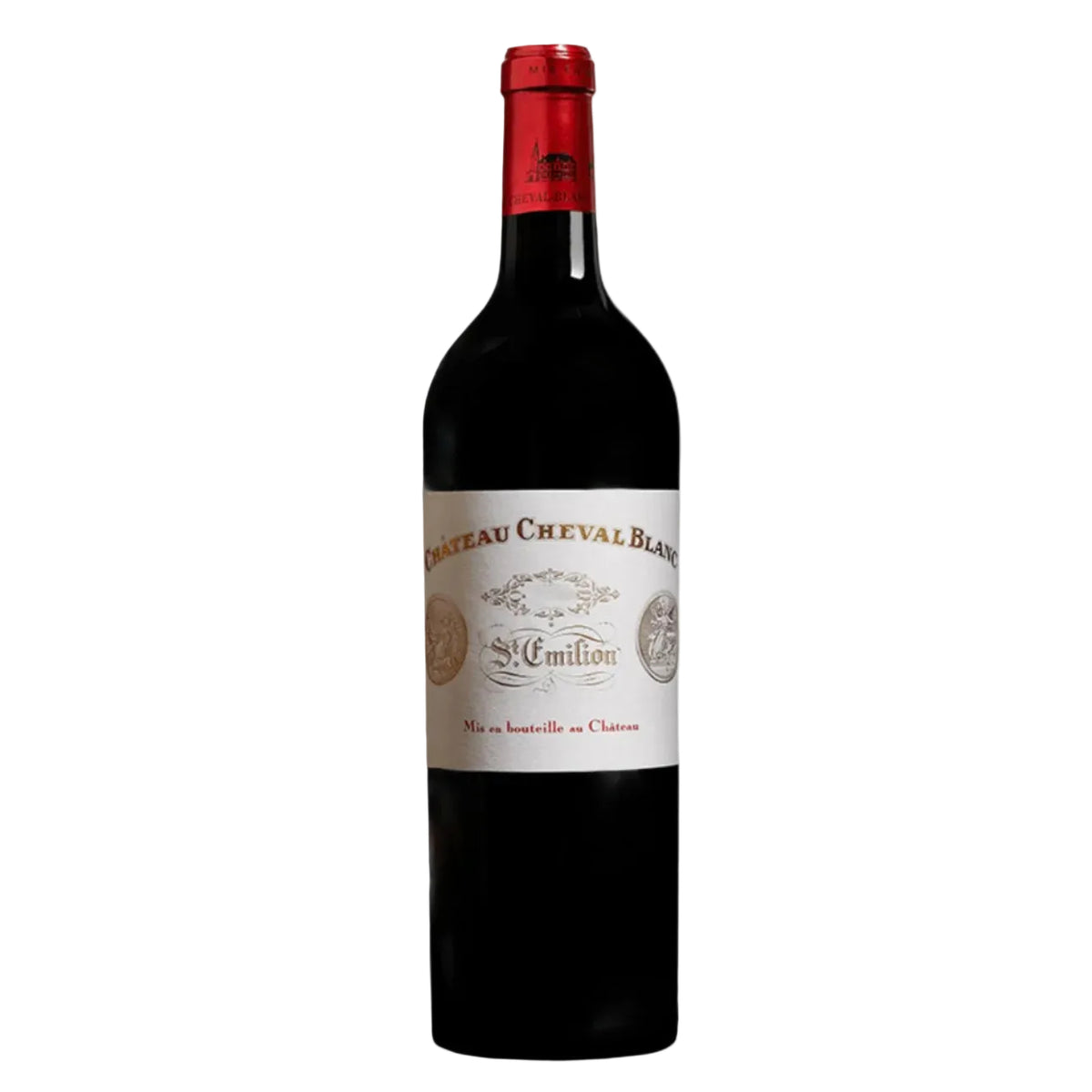
Saint-Émilion
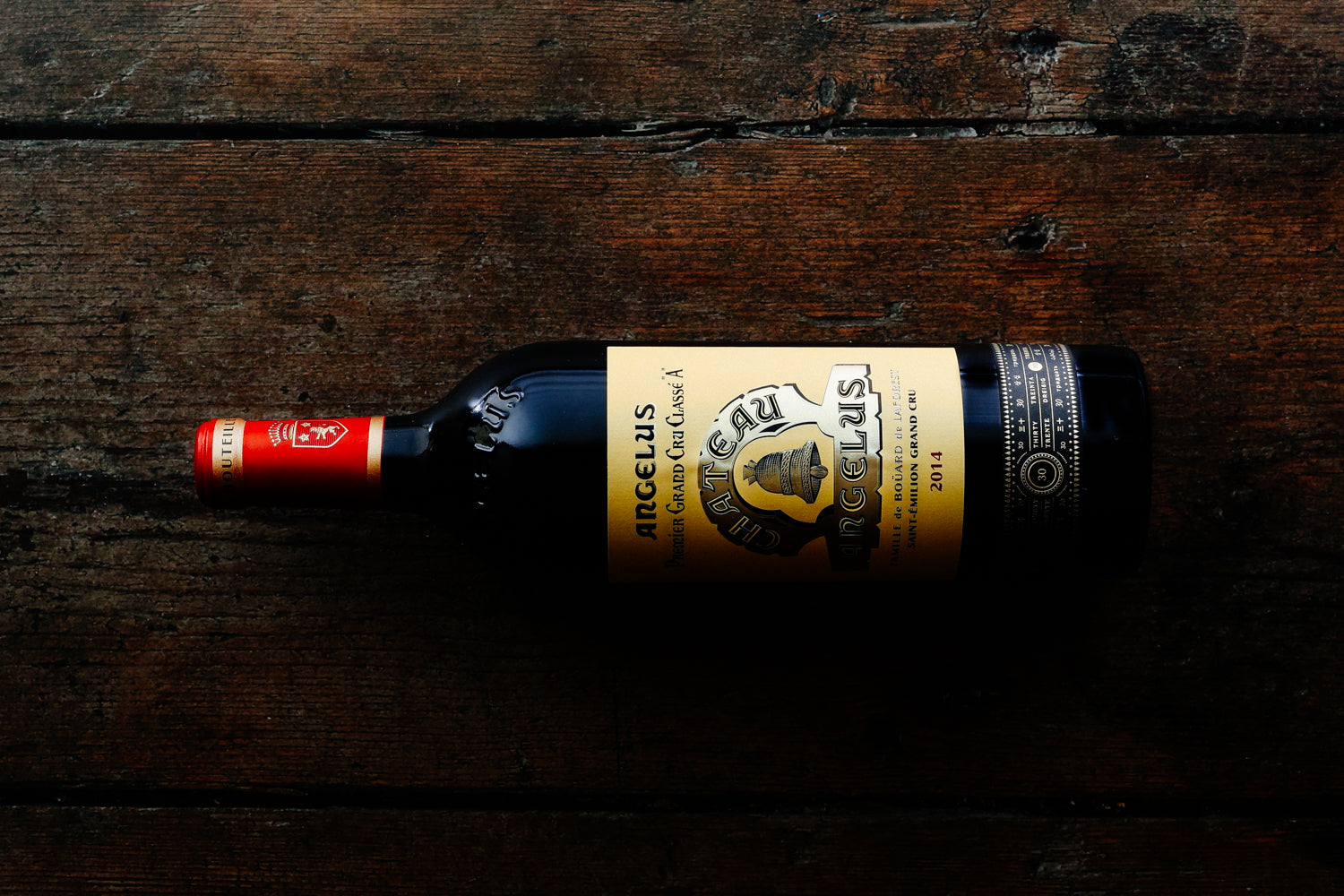
The limestone plateau above the town gives structure and length; the sand and gravel below it give softer, earlier-drinking wines. Saint-Émilion runs its own classification and revises it roughly every ten years, which keeps the estates honest. At the top, Premier Grand Cru Classé A. Good with anything involving mushrooms.
Pomerol
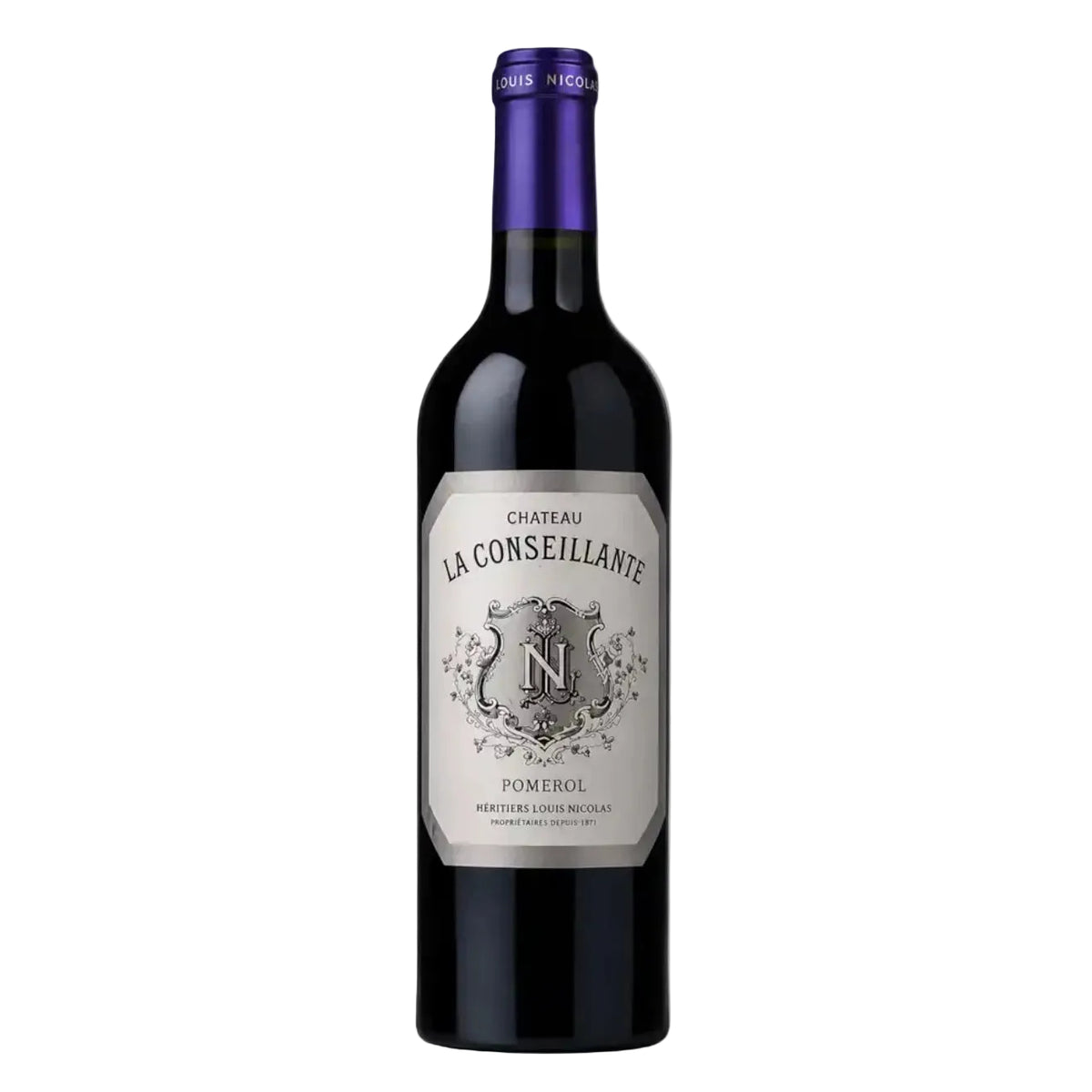
No classification at all, and only around 800 hectares — smaller than Saint-Julien, and home to some of the most sought-after wines in existence. The blue clay at its centre gives Merlot a density it achieves nowhere else: plush, dark, with iron and truffle underneath. Drinkable younger than the Médoc, and worth opening alongside fresh truffle or a Bresse chicken cooked with them.
Delivery
Wine is shipped by express courier in protective packaging. Orders placed before 2pm are dispatched the same day, and you can choose your delivery date at checkout. Wine can be ordered alongside food in the same delivery. Weekday delivery is complimentary on orders over £225.