



Riedel Wine Glasses & Glassware

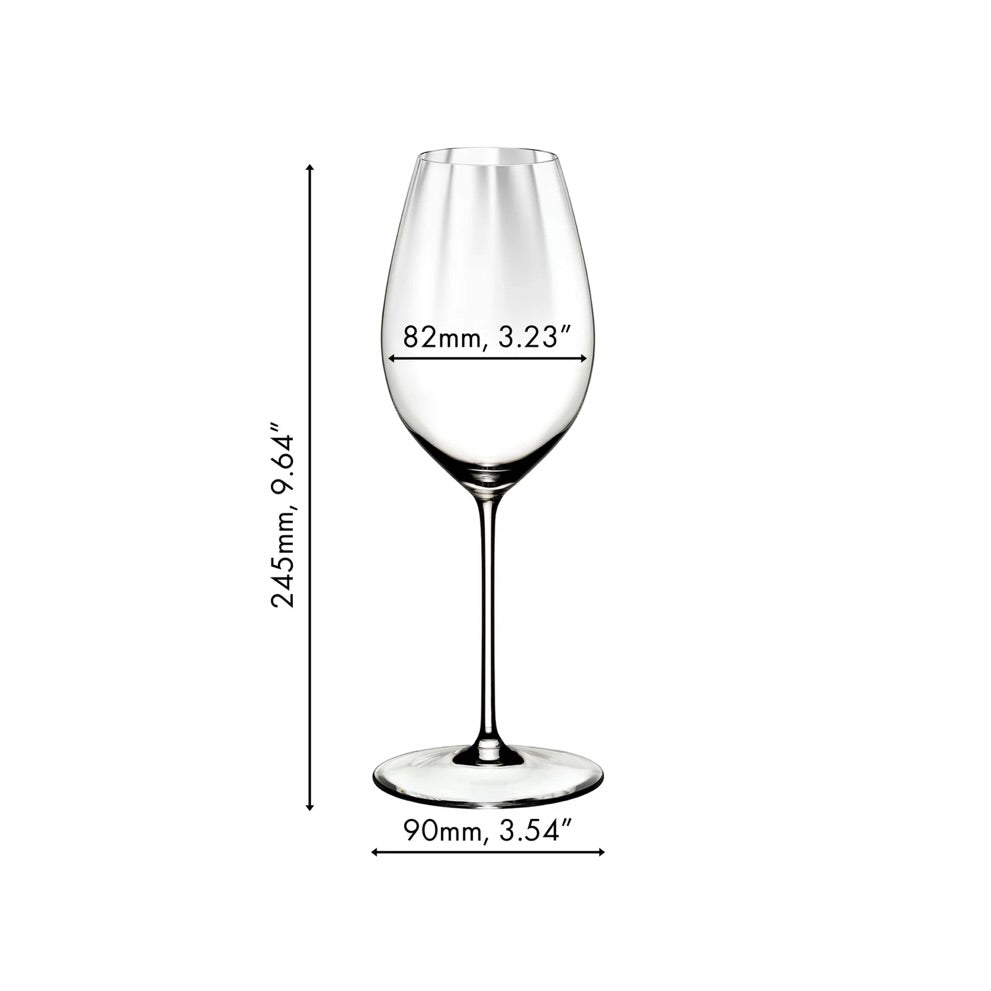
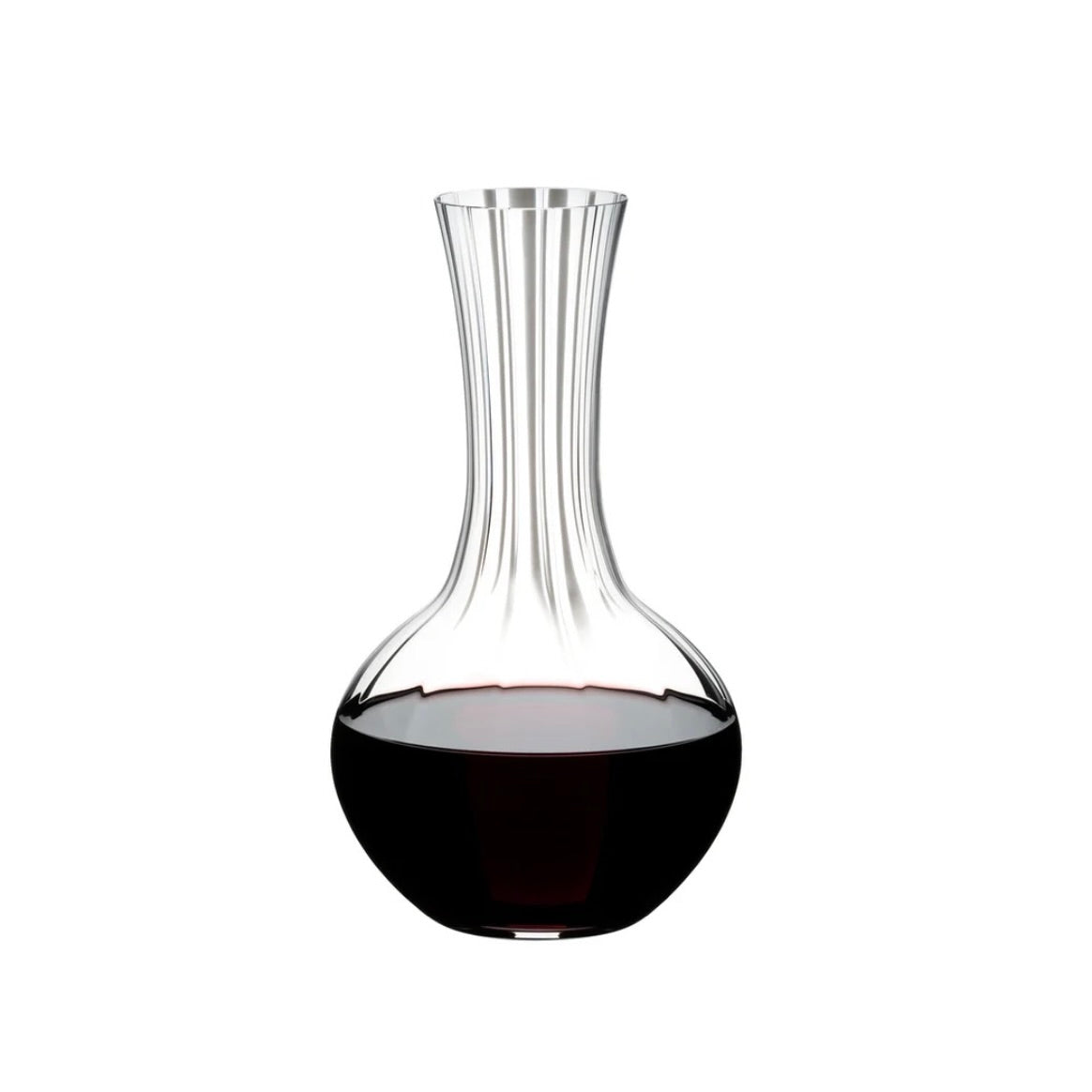
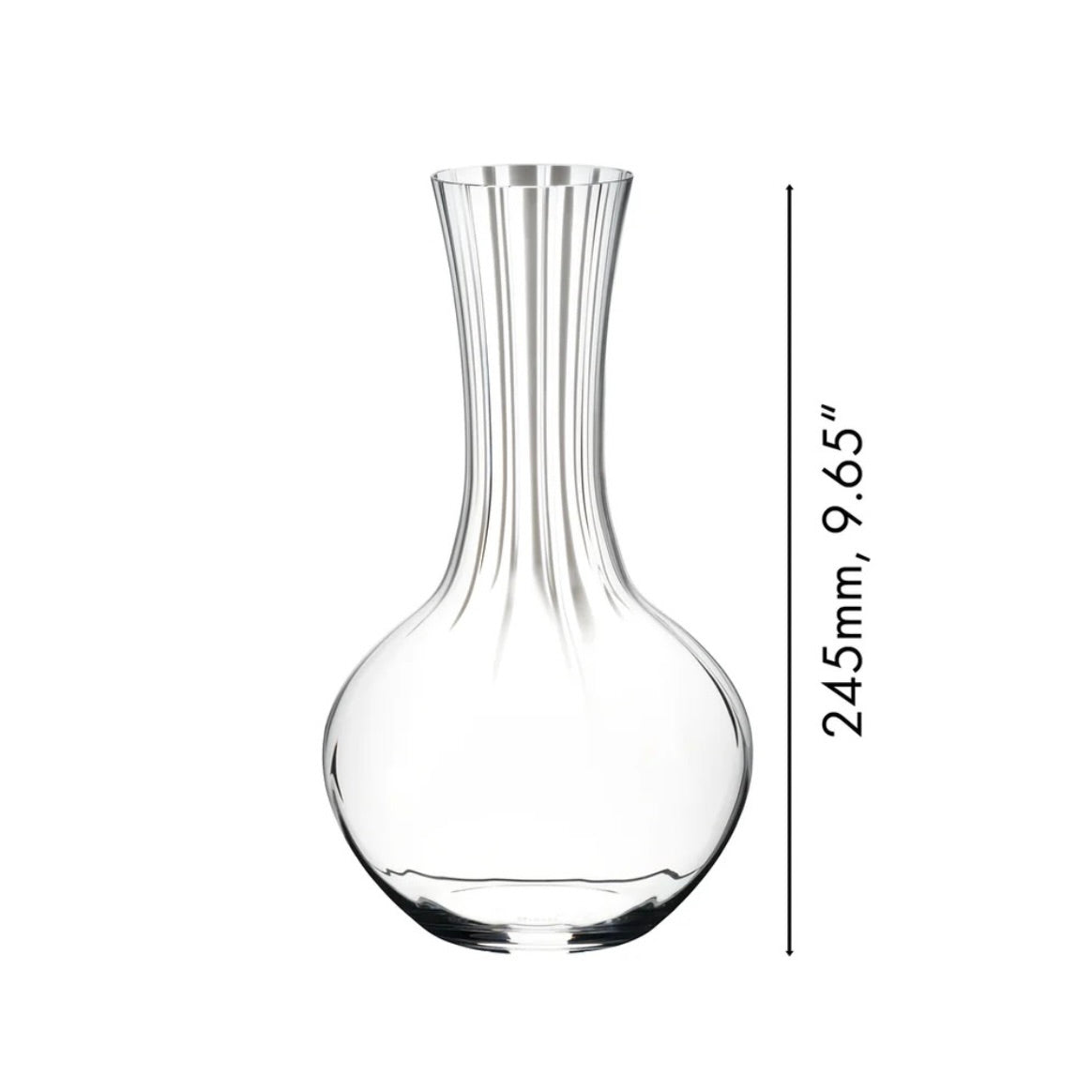
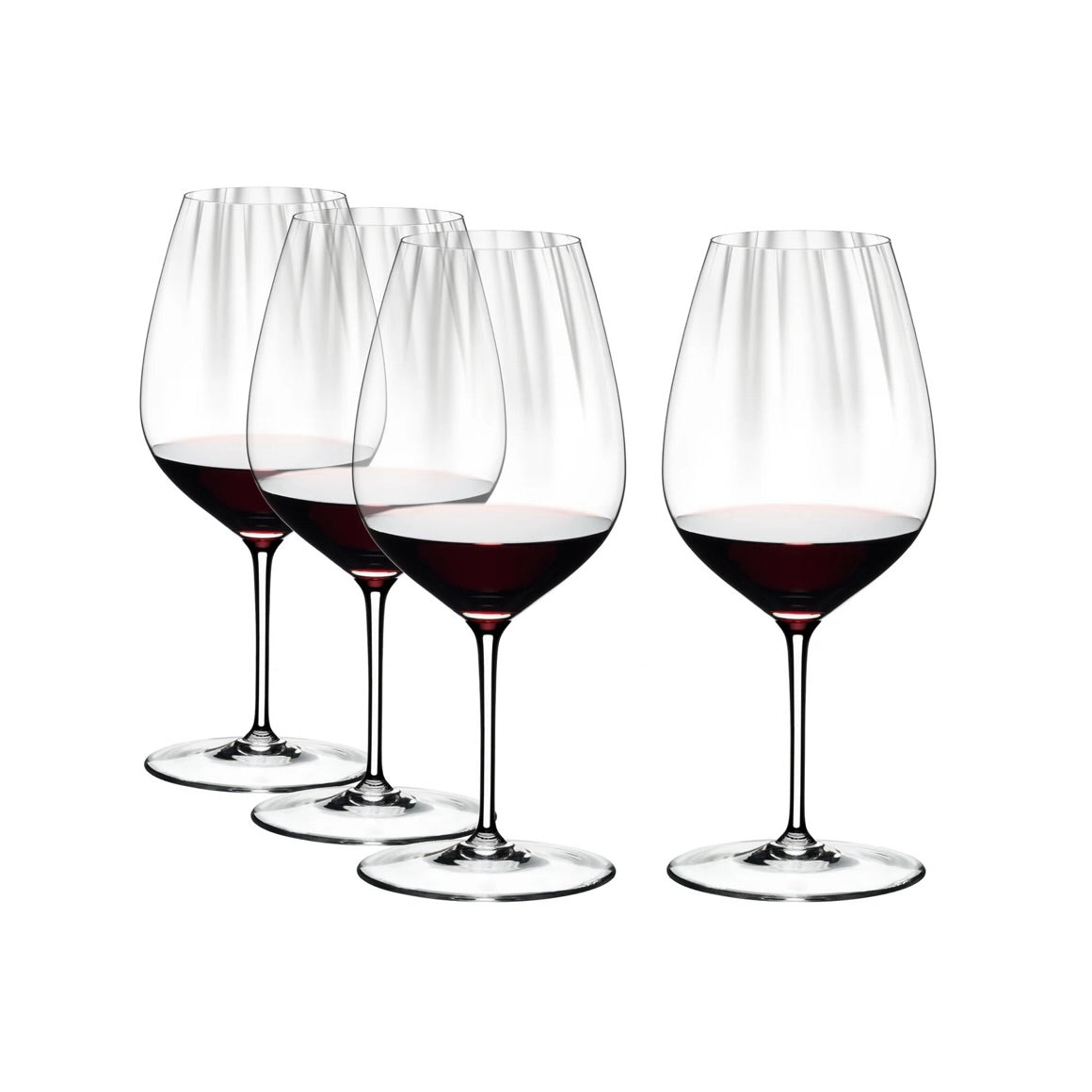
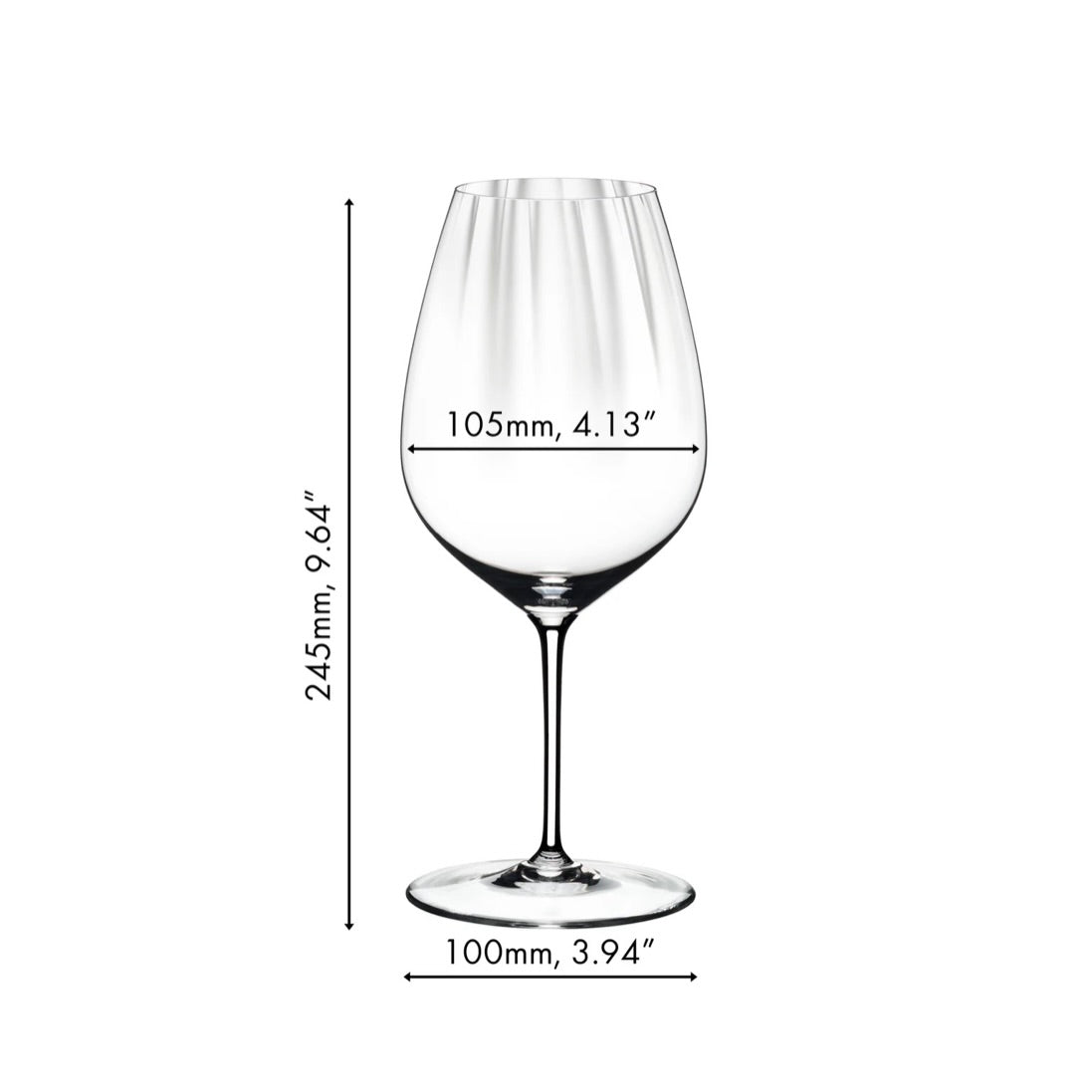
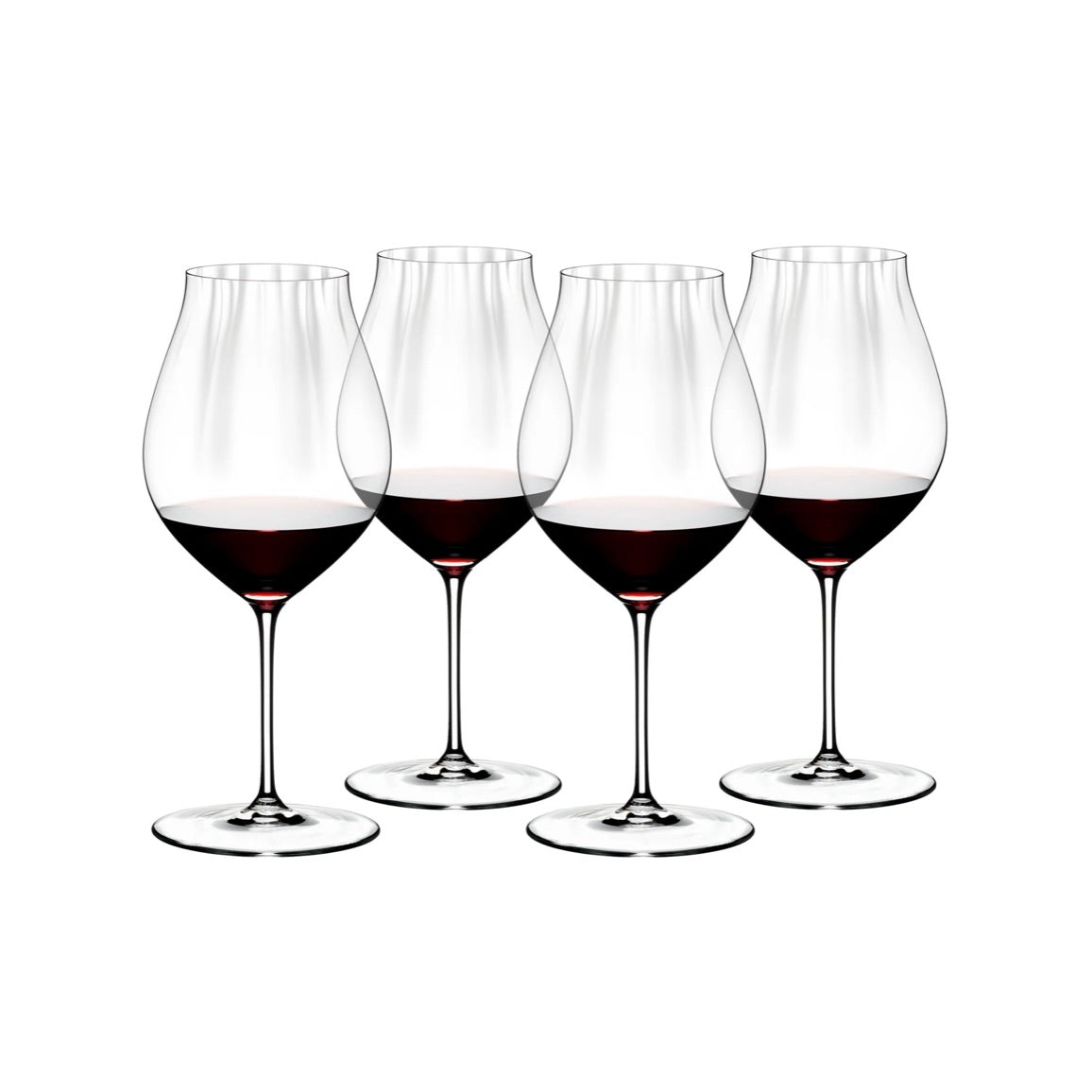
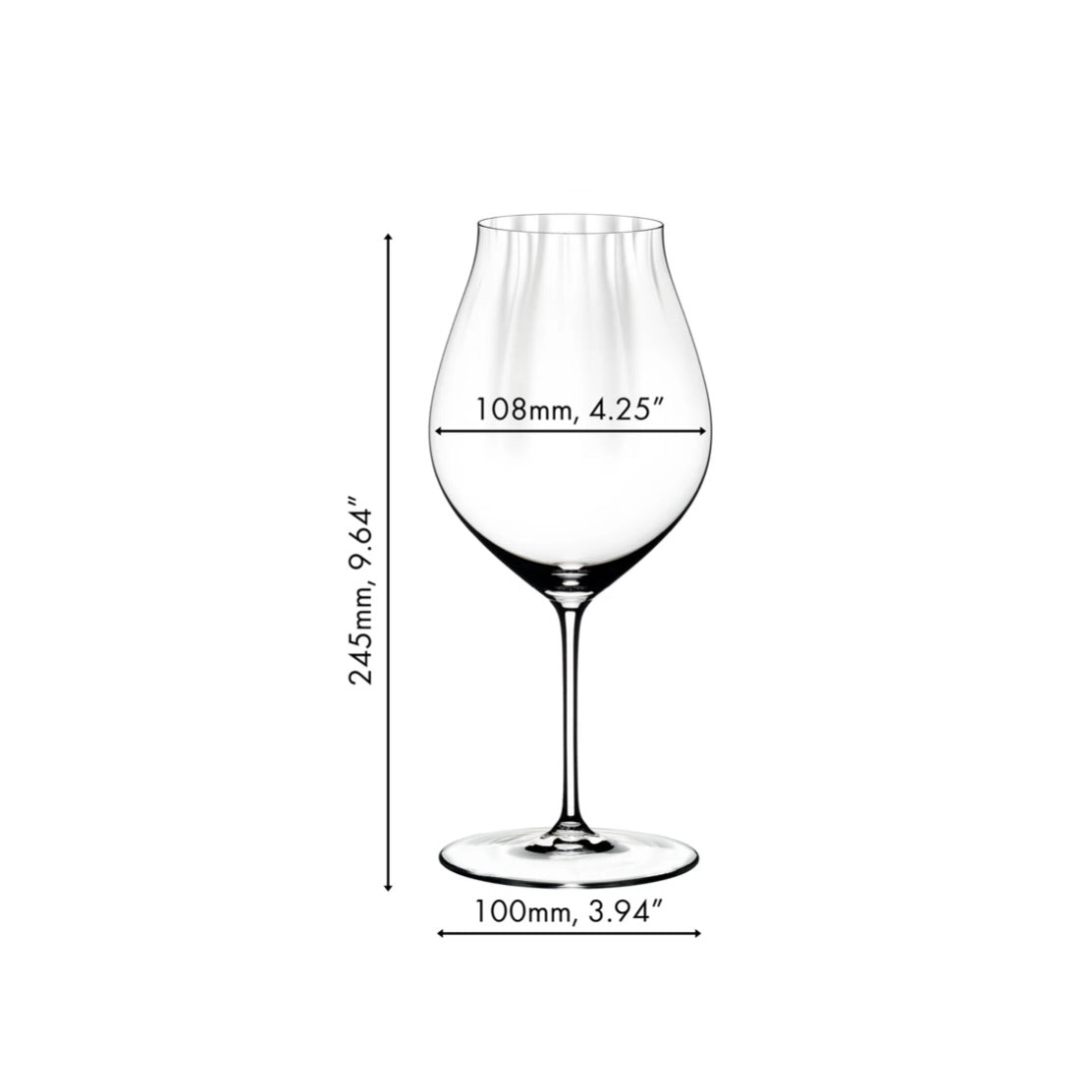
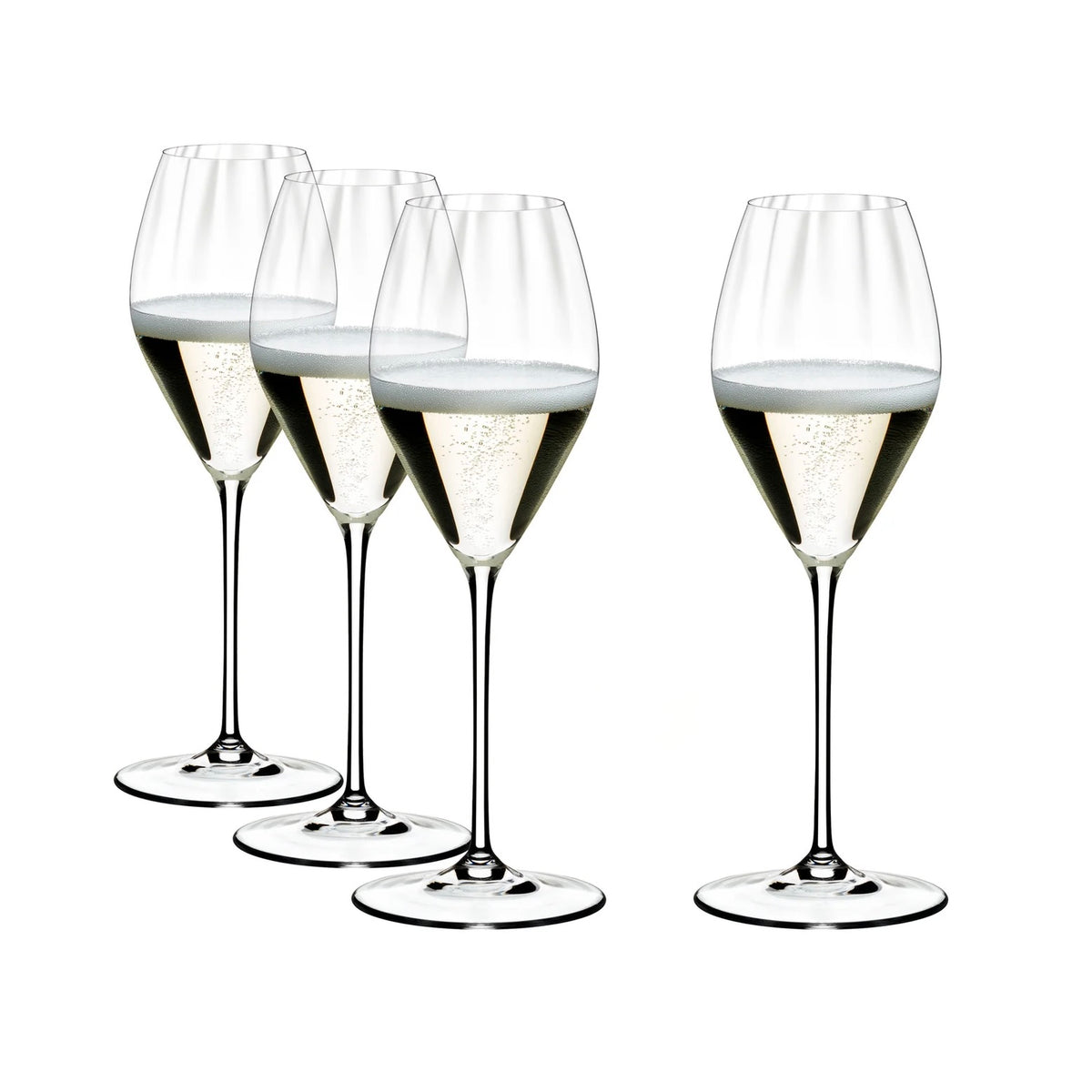
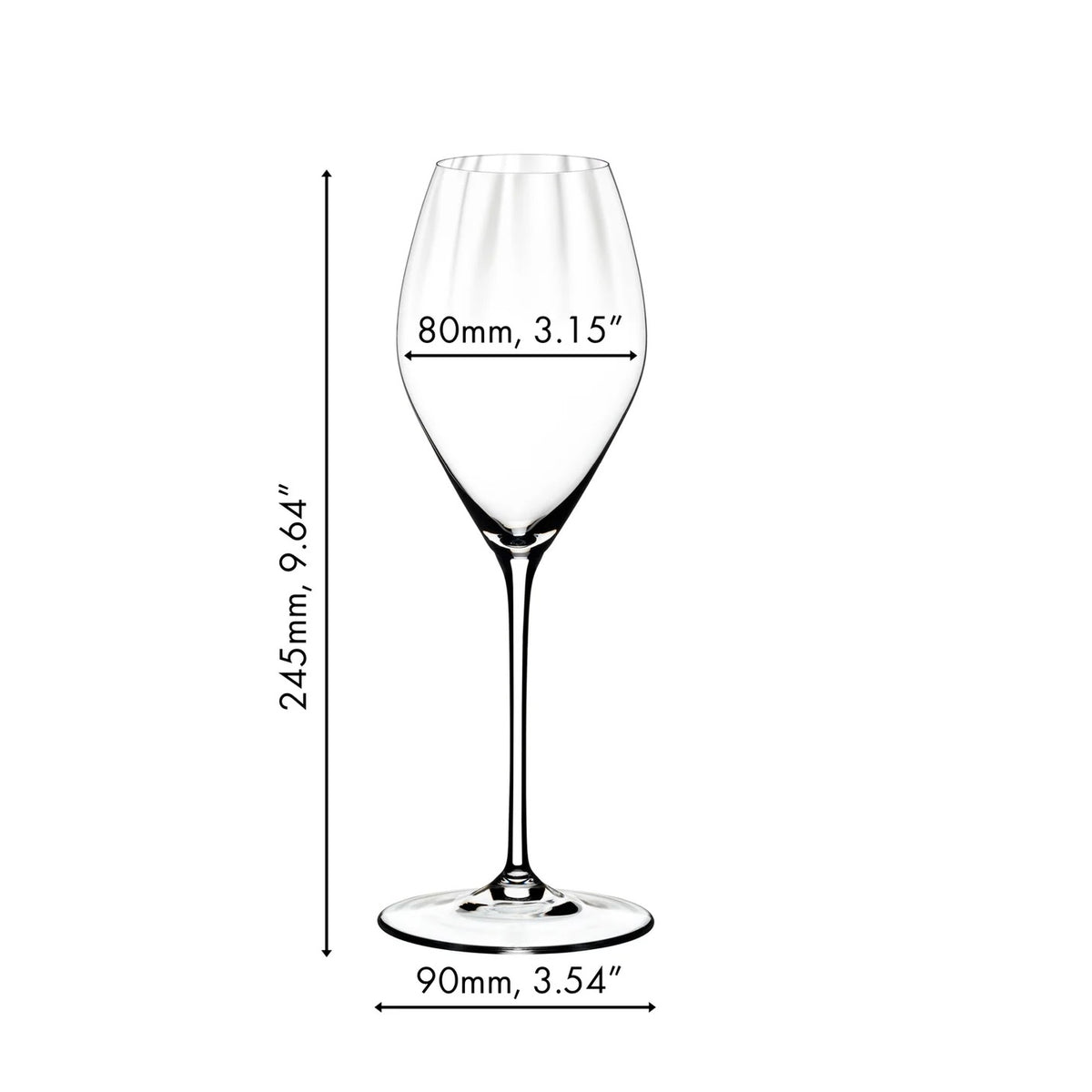
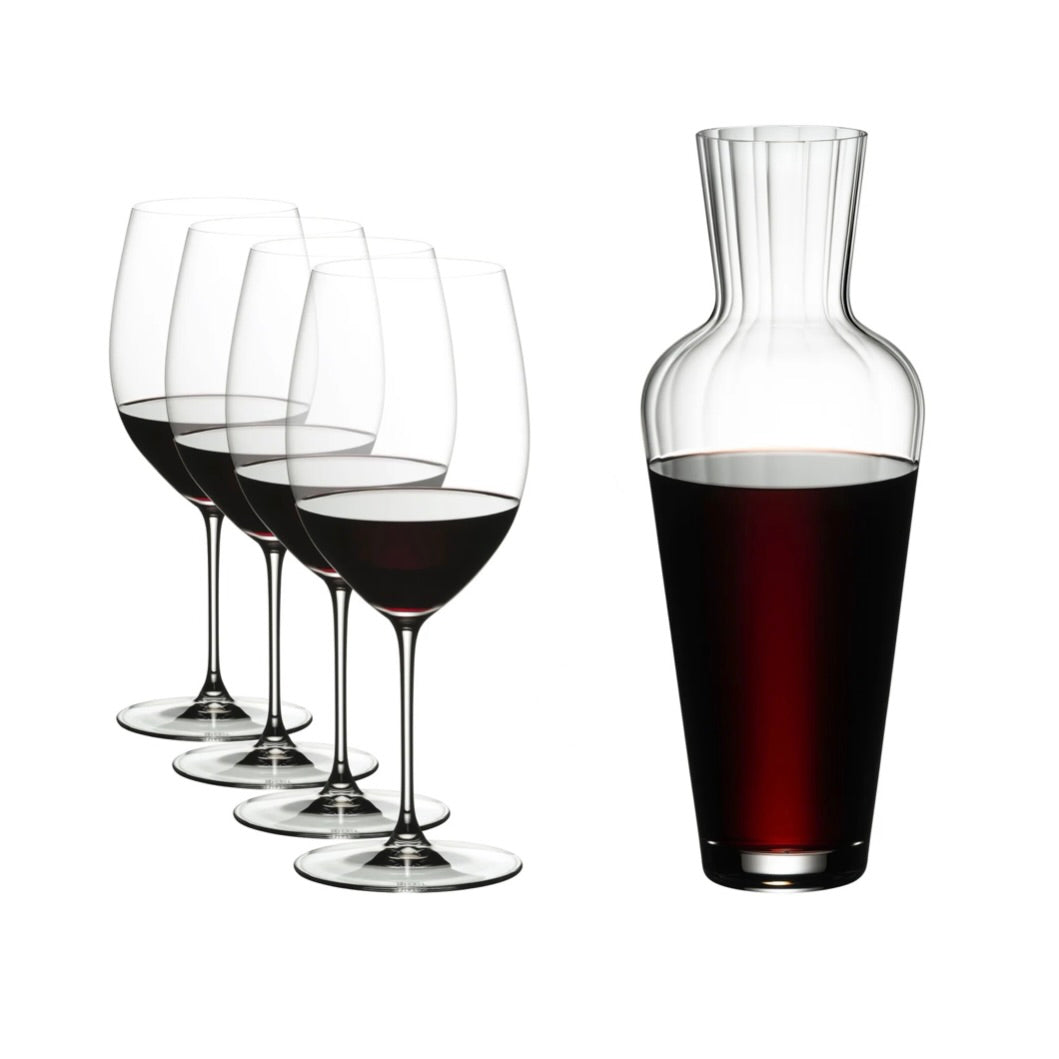
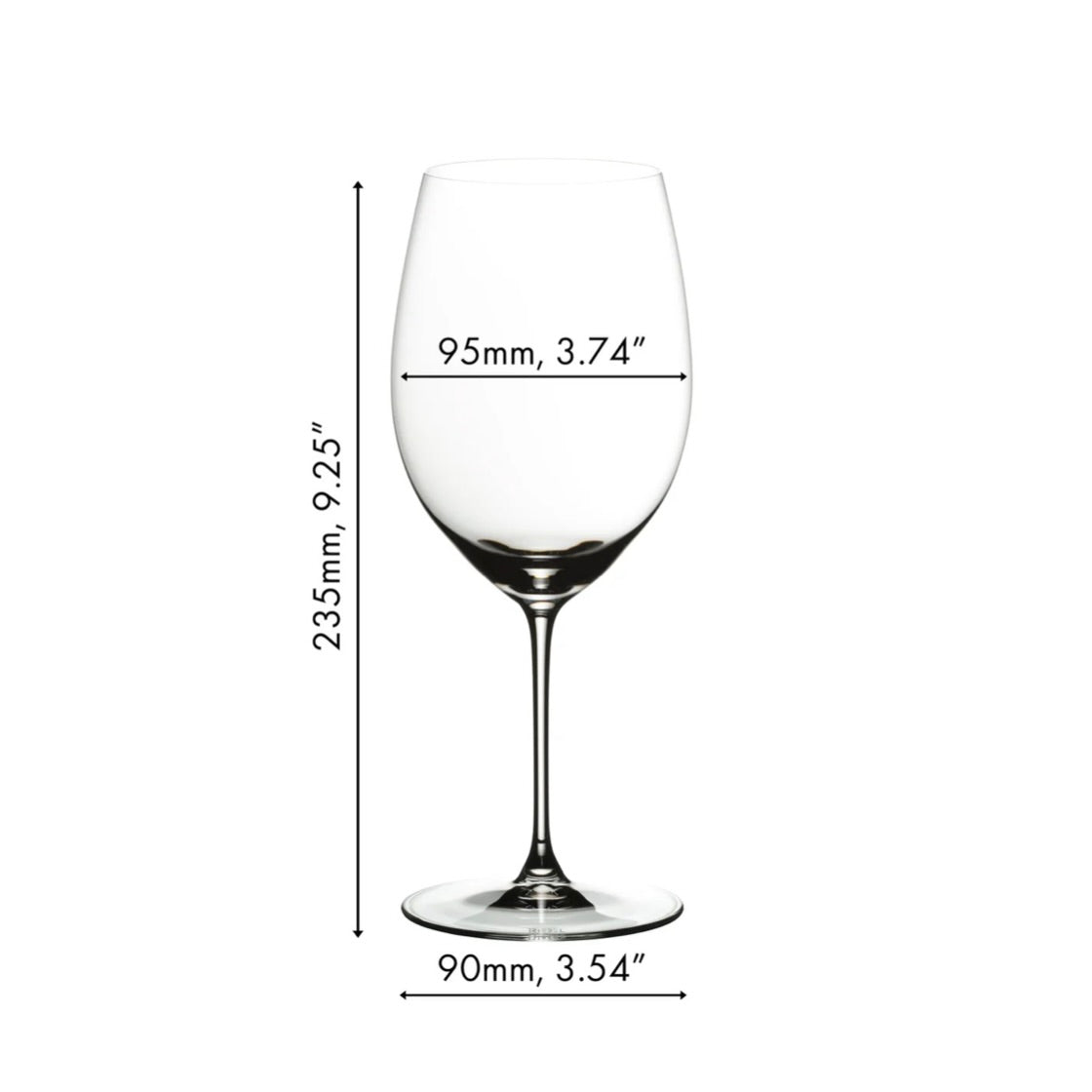
Eleven generations
The Riedels have been making glass since 1756, when the family founded a glassworks in Bohemia. They were dispossessed of the Bohemian factories after the Second World War and began again in Austria, buying a glassworks at Kufstein in 1956. Georg Riedel, the tenth generation, and his son Maximilian, the eleventh, run the company today.
The generation that changed the glass
Claus Riedel, the ninth generation, was the first to design a glass around what was going into it rather than around how it could be decorated. He reduced the form to bowl, stem and base and took out the cutting, engraving and colour that had defined fine stemware until then. His 1958 Exquisit stemware is held in the collection of the Museum of Modern Art in New York, and the Burgundy Grand Cru shape sits in the V&A.
In 1973 he launched Sommeliers, the first collection of glasses shaped for particular wines rather than for the table as a whole. Every shape in it is still mouth-blown. The idea has since been taken up by every serious glassmaker, which is a fair measure of how well it held up.
How they are made
Mouth-blown at Kufstein
Nine furnaces run at around 1,300°C. Each glass is made by a team working to a Meister: one glassmaker gathers molten glass on the pipe, the Meister blows and turns it into the mould, and the stem and base are then added from separate gathers and worked with tongs and wooden blocks before the rim is cut from the pipe and the glass is cooled. There is a window of about fifteen seconds at each stage and roughly a millimetre of tolerance. Qualifying as a Meister takes at least five years. The workshop makes between 1,500 and 2,000 pieces a day.
Machine-made at Weiden
The machine-made glasses come from the Riedel factory at Weiden in Germany, drawn from the same designs and held to tolerances no hand workshop can repeat all day. Machine production is what brought varietal-specific shapes within reach of ordinary drinking; before it, they were a sommelier's tool.
What the shape does
The bowl
Wine fills to the widest part of the bowl, where it meets the most air. Above that sits the headspace, and that is where aromatic compounds gather. Narrow the opening above a wide bowl and you concentrate them; open the rim out and you let them disperse. That is the whole mechanism, and it is why a Burgundy glass is a balloon and a Riesling glass is not.
The rim
A thin, cut rim puts nothing between the wine and the drinker. A thick rolled rim does, and you feel it. The rim also sets how far you tilt your head and how quickly the wine arrives across the palate, which changes the order in which you notice things.
A study at Tokyo Medical and Dental University in 2015 imaged ethanol vapour above different glasses and found that a stemmed wine glass gathers it into a ring at the rim, leaving the centre of the opening clearer. You get the aroma of the wine rather than the burn of the alcohol carrying it. A tumbler does not do this.
How much to pour
Fill to the widest point of the bowl and stop. In a large glass that is far less than it looks — often a third of the way up. Overfill it and you lose the headspace the shape exists to create.
What the evidence actually supports
The effect is real and it is modest. Sensory studies find measurable differences between glass shapes, but subtle ones, and researchers disagree about how much of it is the glass and how much the drinker. The older claim that a rim delivers wine to a particular part of the tongue does not hold; the tongue map was discredited long ago. What survives is simpler and sound: shape governs how much air the wine meets, how its aroma concentrates, and how it arrives. That is enough to be worth getting right.
The glass itself
Thin walls, no colour, no distortion. The glass is lead-free crystal, which is clearer and stronger than its weight suggests, and the rim is cut rather than rolled. Weight sits in the base, not in the bowl. None of this is decoration. A heavy, tinted or optically imperfect glass gets between you and the wine before you have tasted anything.
Looking after them
Most of the range is dishwasher safe, on a low temperature, spaced so nothing touches. Rinse in hot water and dry with a linen cloth if you would rather wash by hand; detergent leaves a film that flattens sparkling wine and dulls aroma. Store upright rather than on the rim, which is the thinnest part of the glass, and keep them out of the cupboard that holds anything strongly scented.
Delivery
Glassware is packed separately and by hand, and travels in its own purpose made box. Orders placed before 2pm are dispatched the same working day for next-day delivery or select your preffered delivery date at checkout