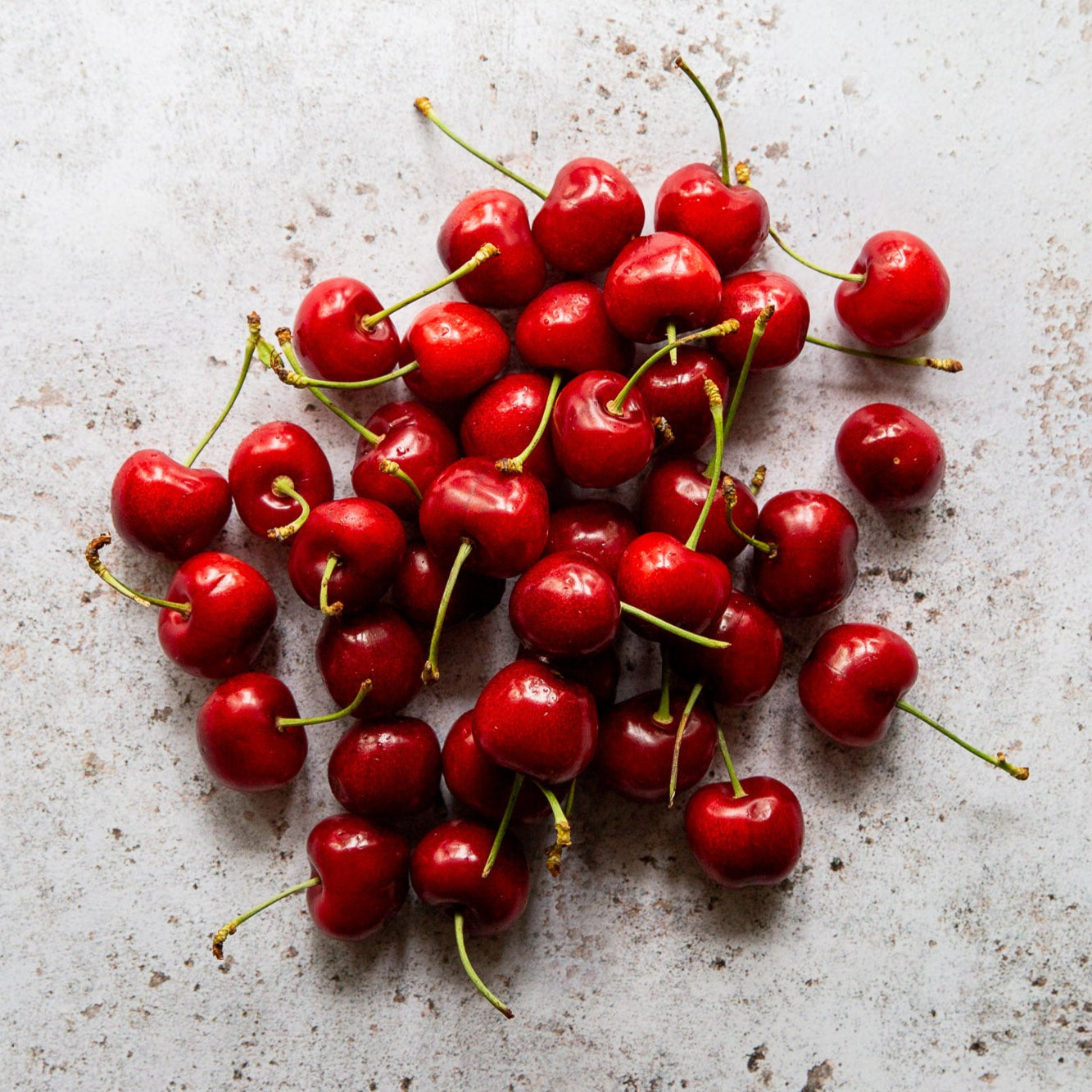
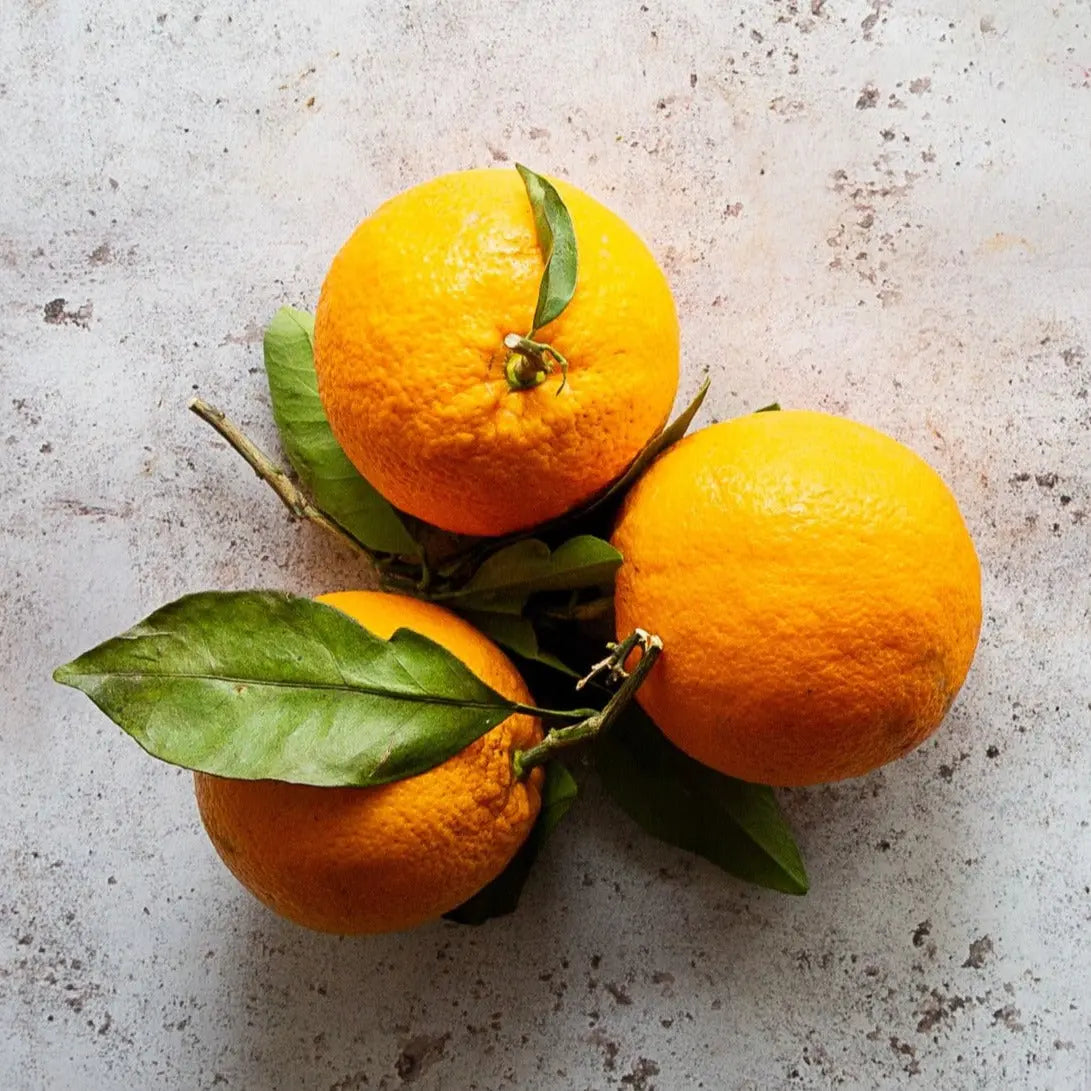
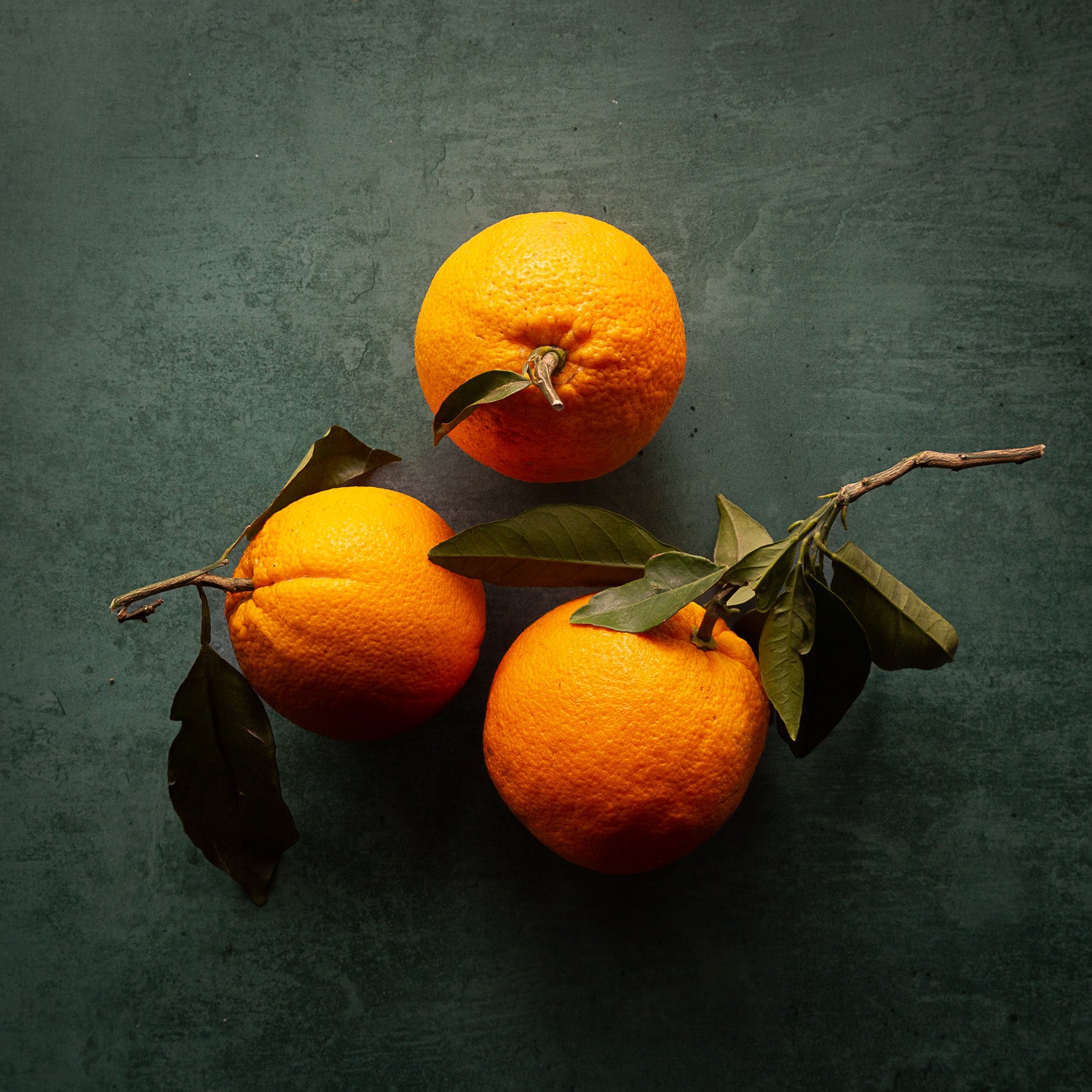
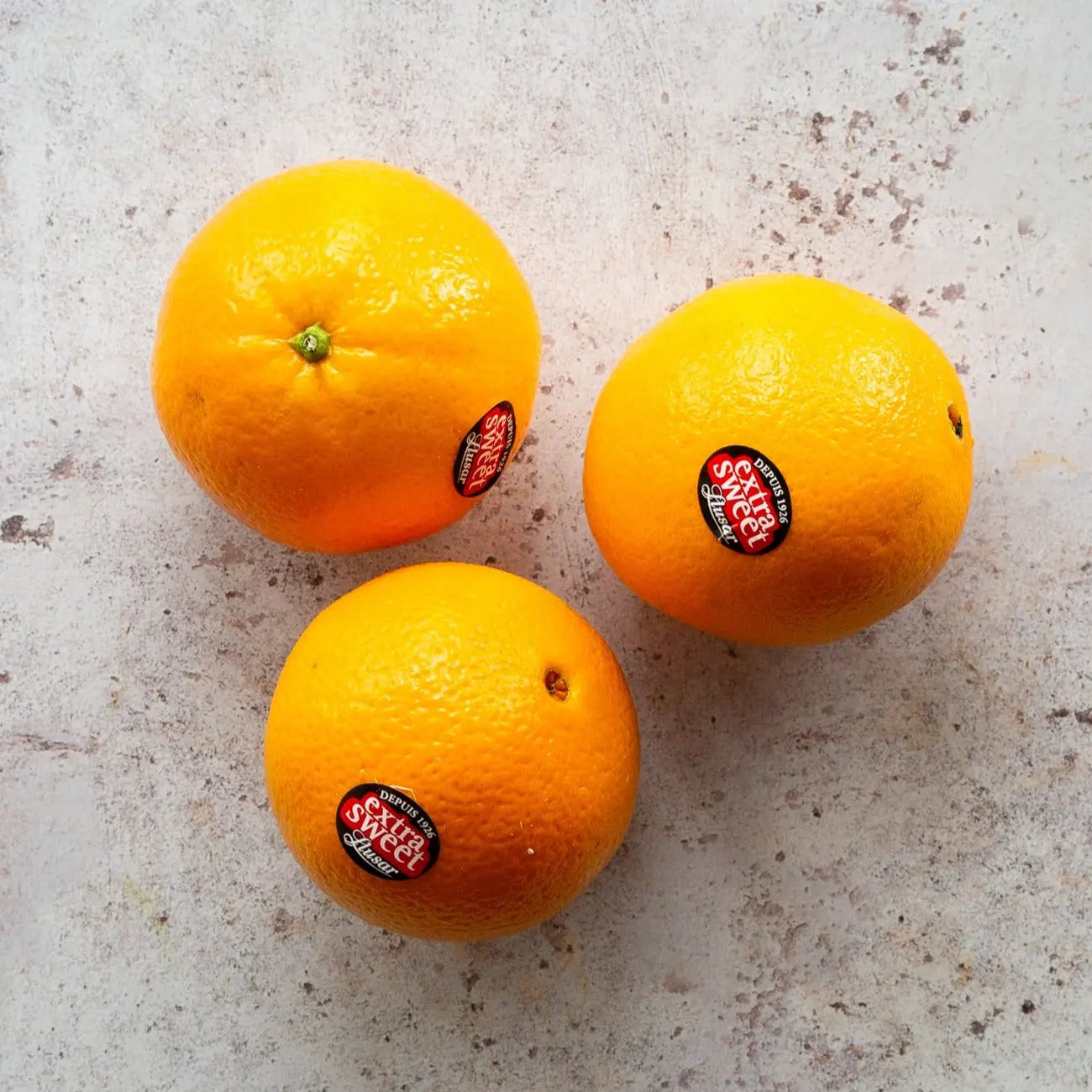
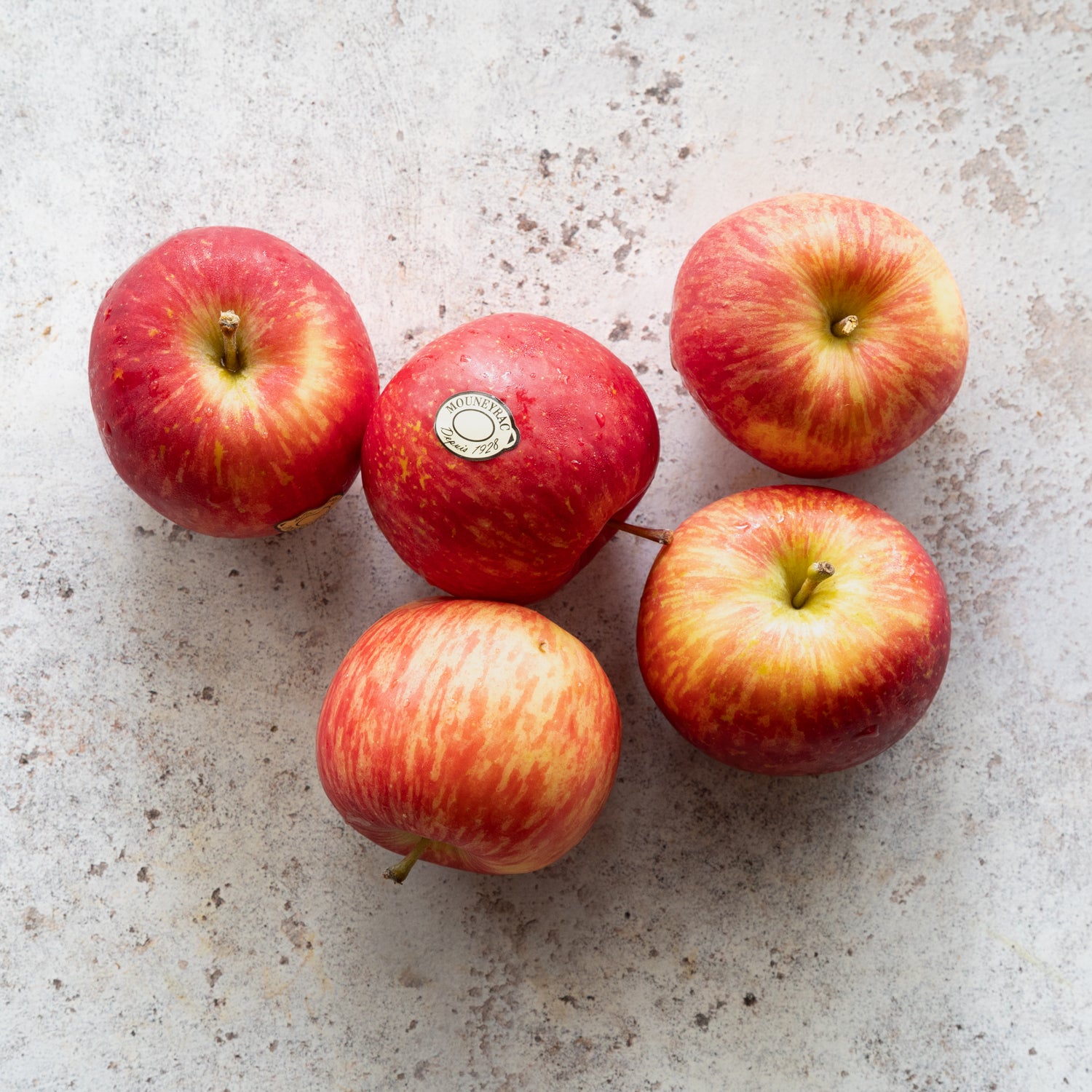
FINE & WILD sources seasonal fruit from Rungis Market in Paris and London's New Covent Garden Market — the same wholesale markets that supply the best restaurants, hotels and greengrocers in France and the UK.
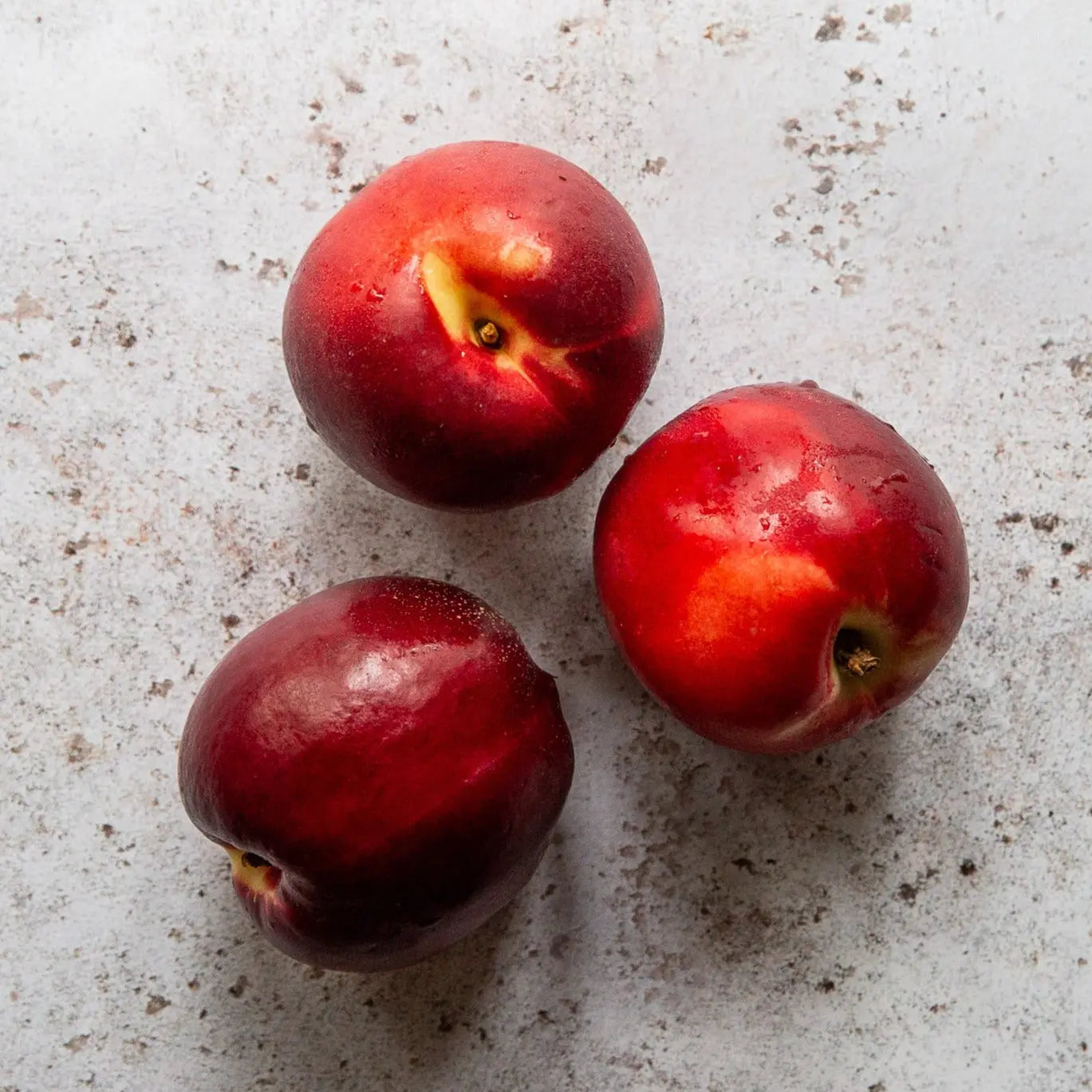
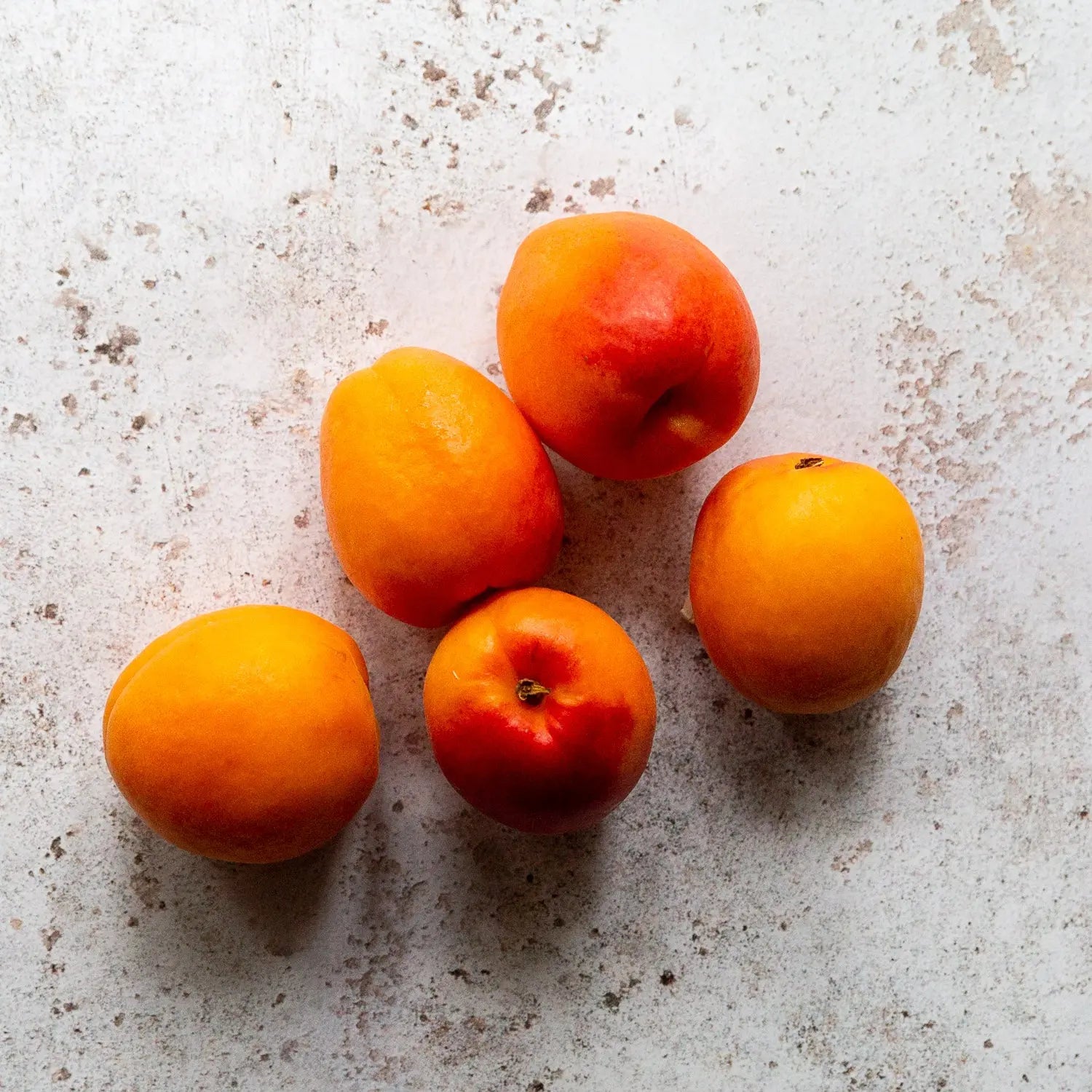
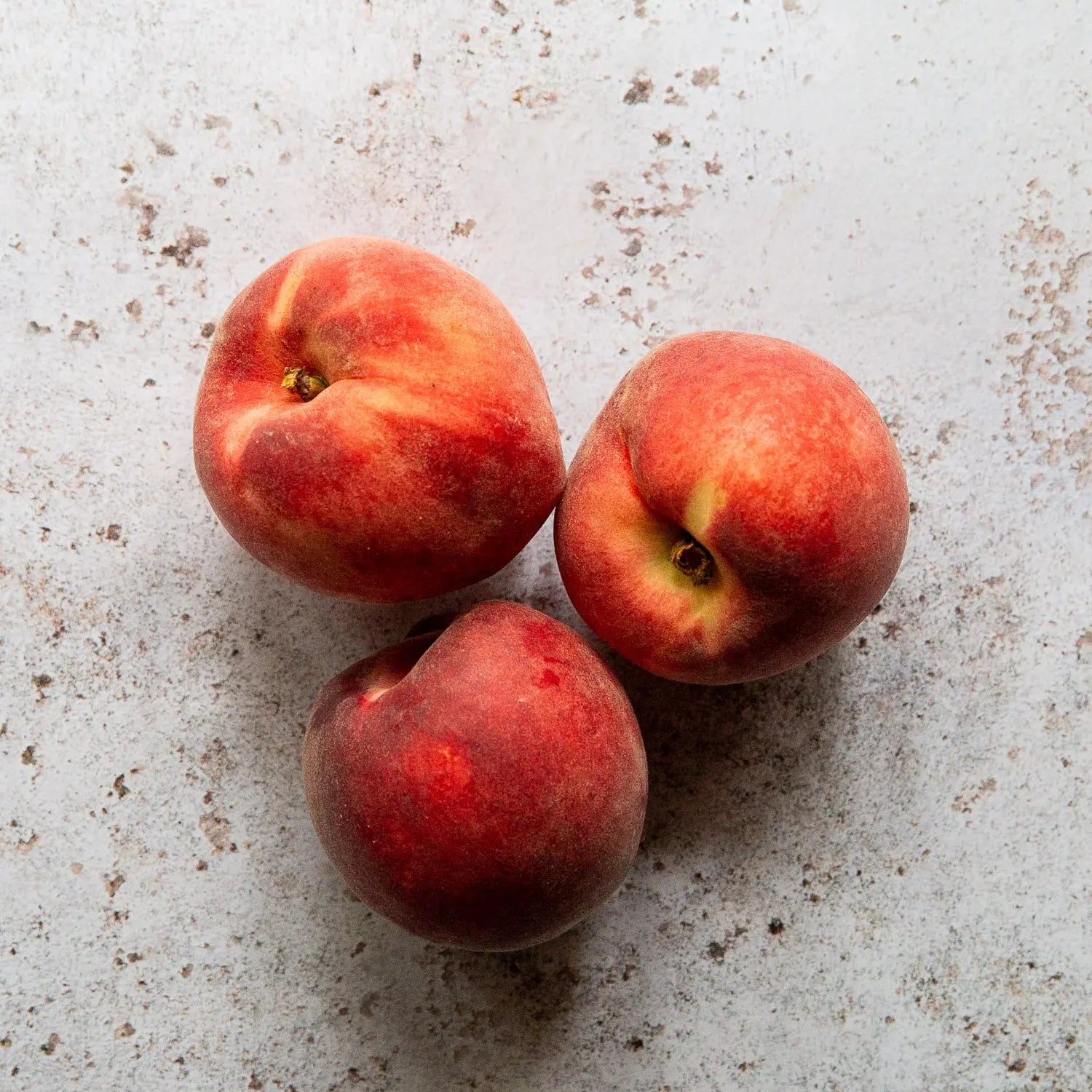
The fruit in this collection has been grown or selected with care: heritage varieties chosen for flavour rather than shelf life, estate-grown produce from named farms, and protected designation fruits with genuine provenance. This is fruit that tastes the way it should.
The range changes with the seasons. The collection above reflects what's available now.
Heritage Varieties & Protected Designations
Supermarket fruit is bred and selected for uniformity, durability and long shelf life. Picked early, shipped slowly, often stored for weeks before reaching you. The result is fruit that looks consistent but frequently lacks flavour, aroma and texture.
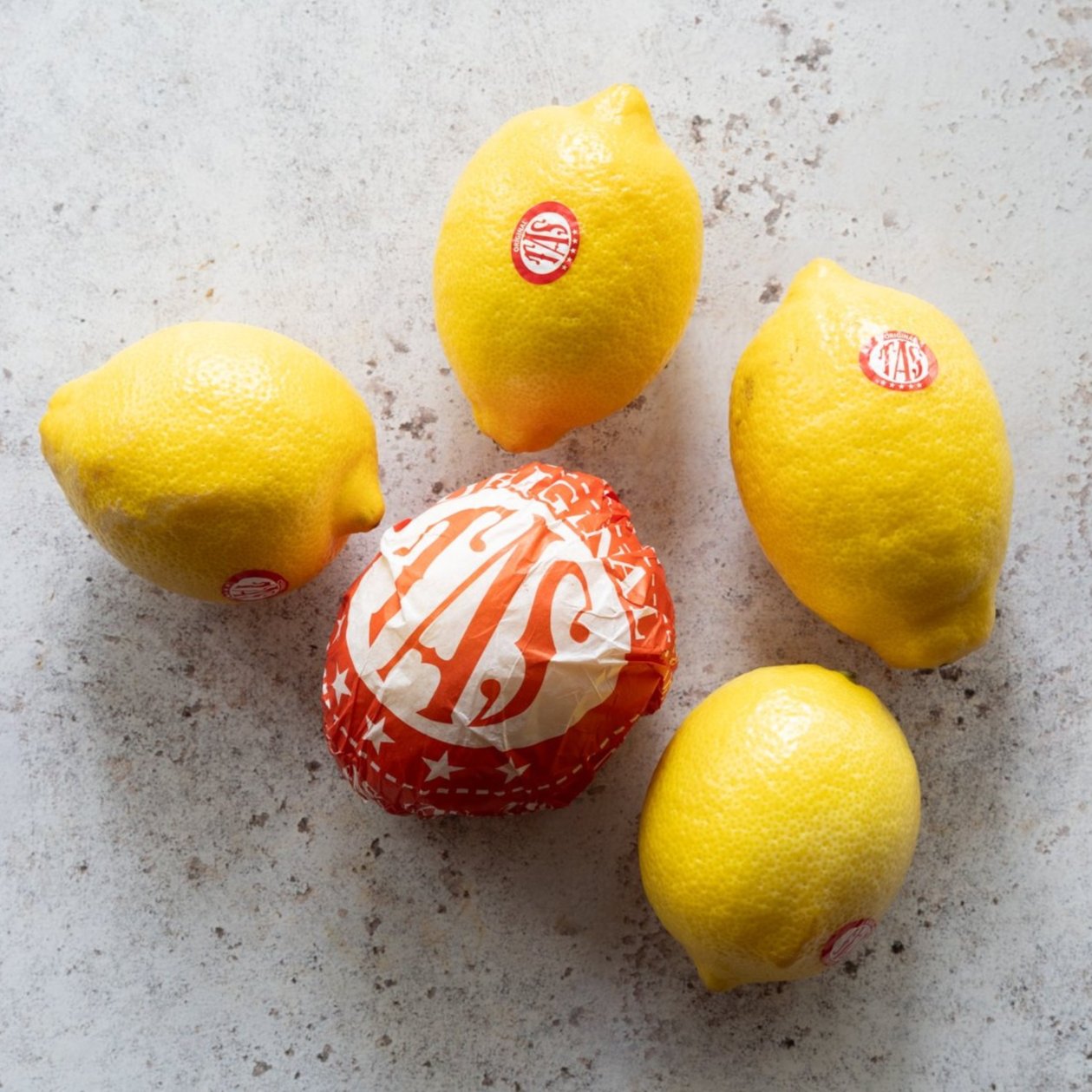
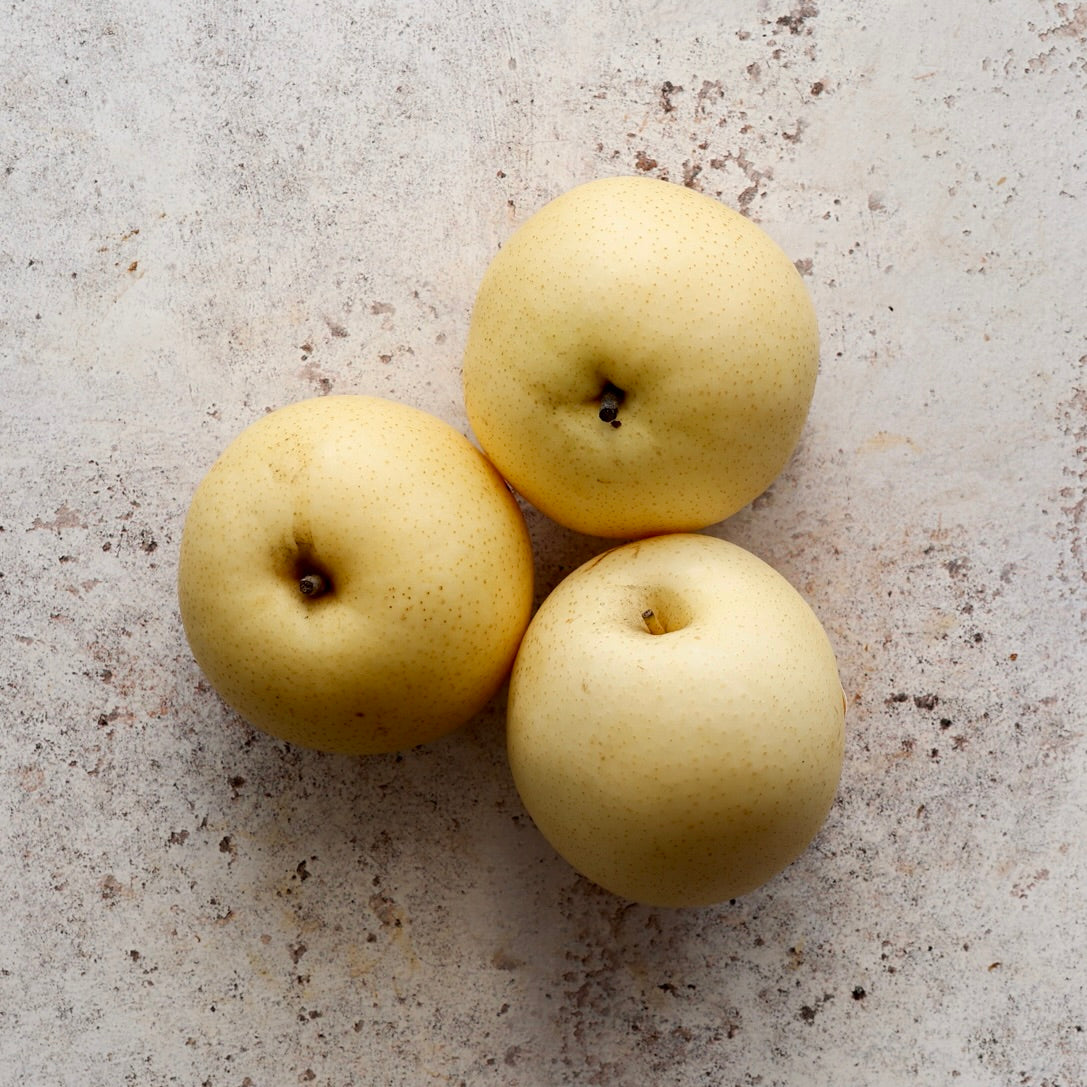
The fruit we carry is different at every stage. Varieties are chosen because they taste good — Tarocco blood oranges, Passe Crassane pears, Wolf's Paw apples — not because they stack neatly or survive three weeks in cold storage. Many come from small estates or specialist growers who prioritise quality over volume. Protected designation produce like Amalfi Lemons IGP and Yorkshire Forced Rhubarb carries certification that guarantees origin and production methods. When you eat a good blood orange or a properly ripe pear, the difference is obvious.
Air-Freighted Exotics
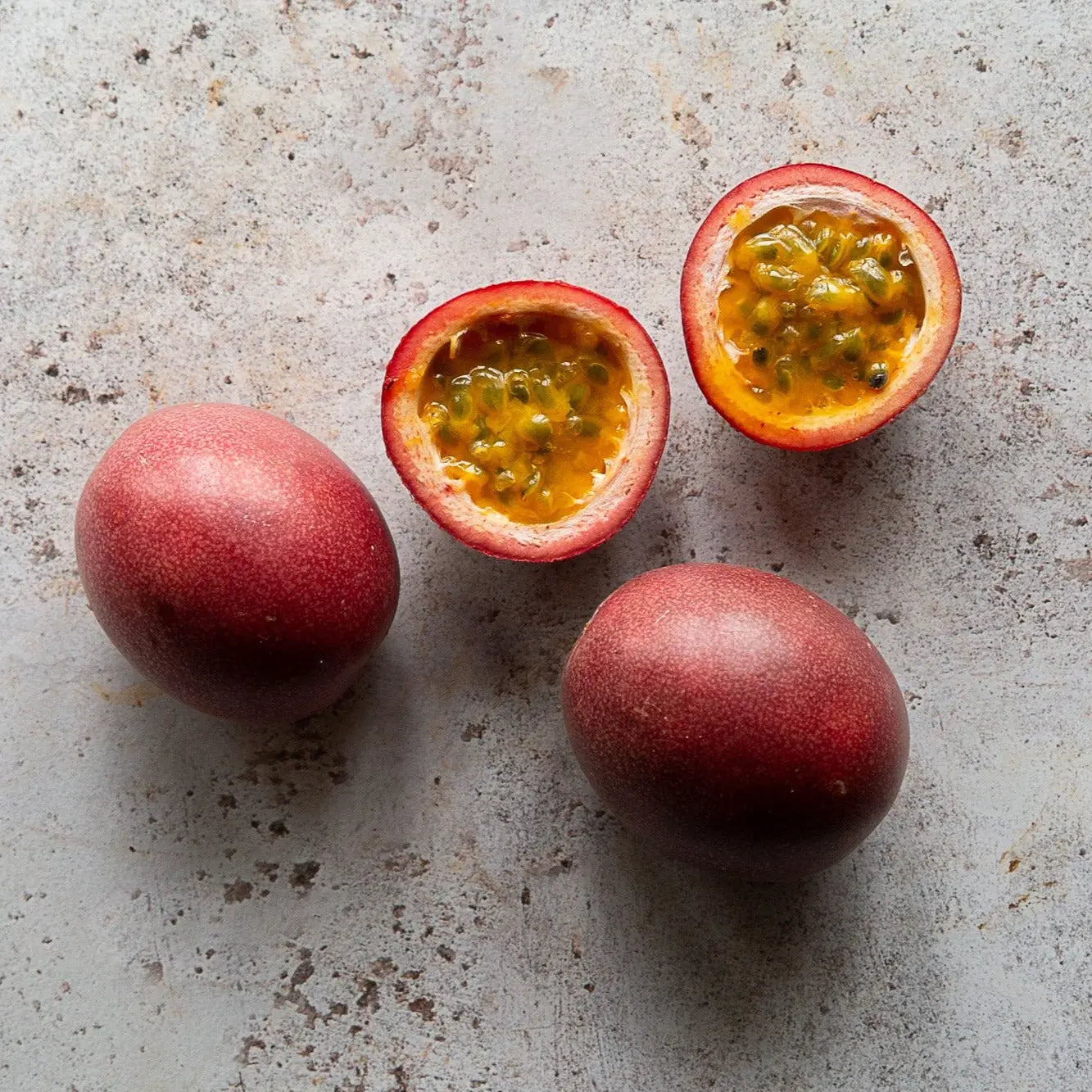
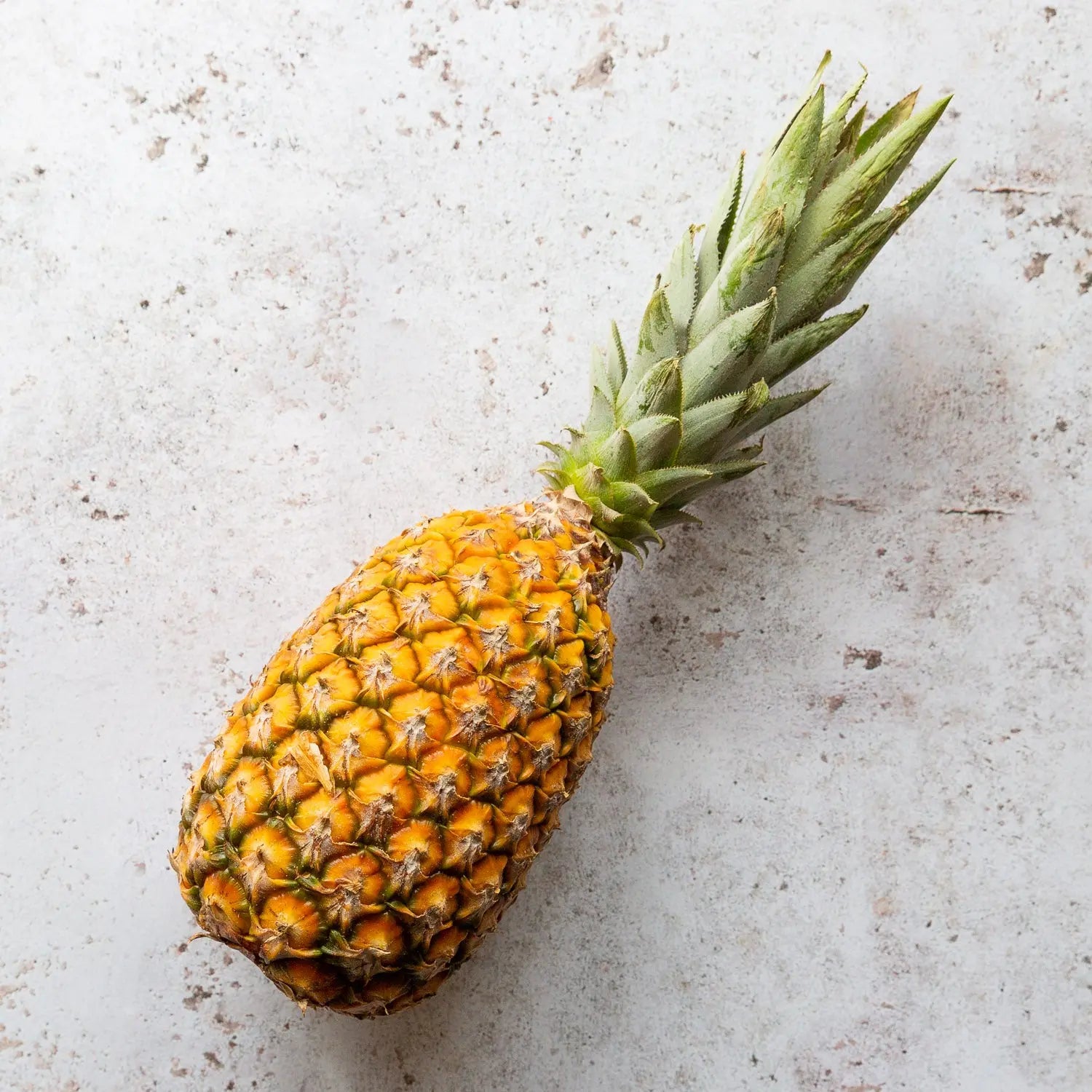
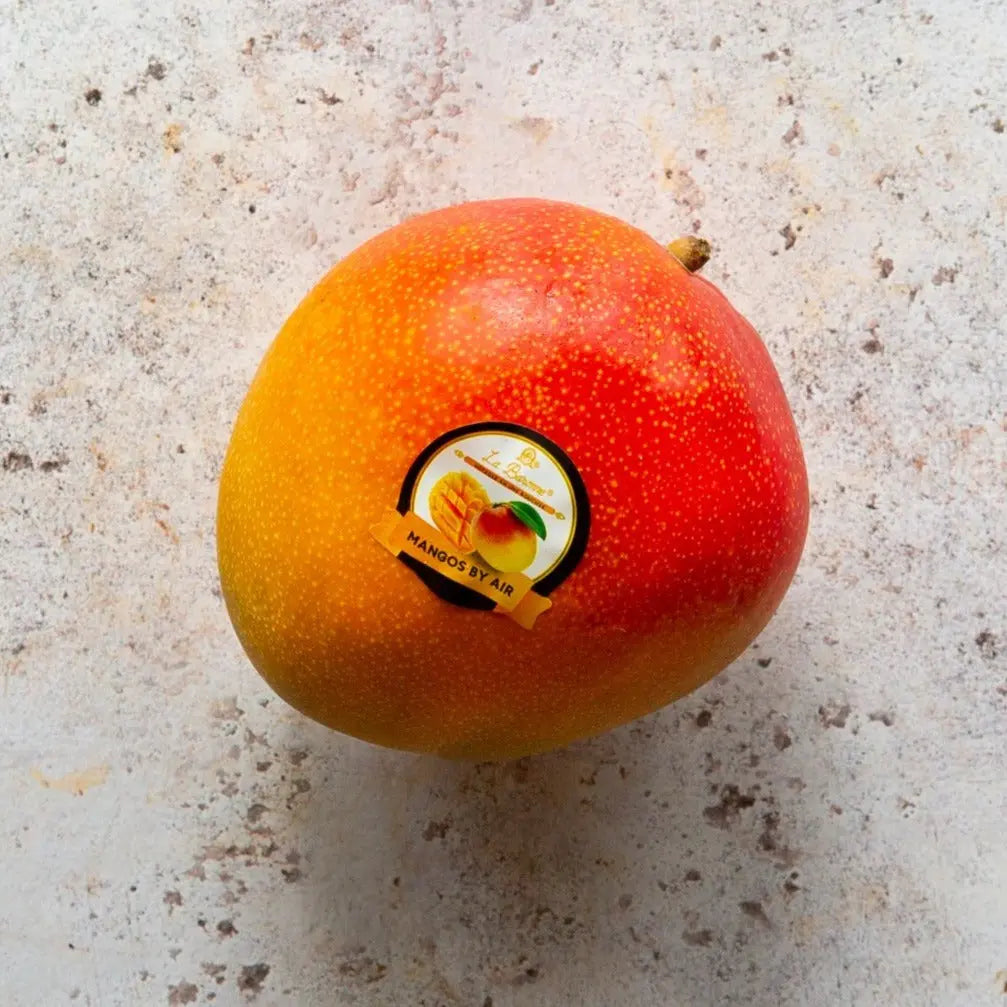
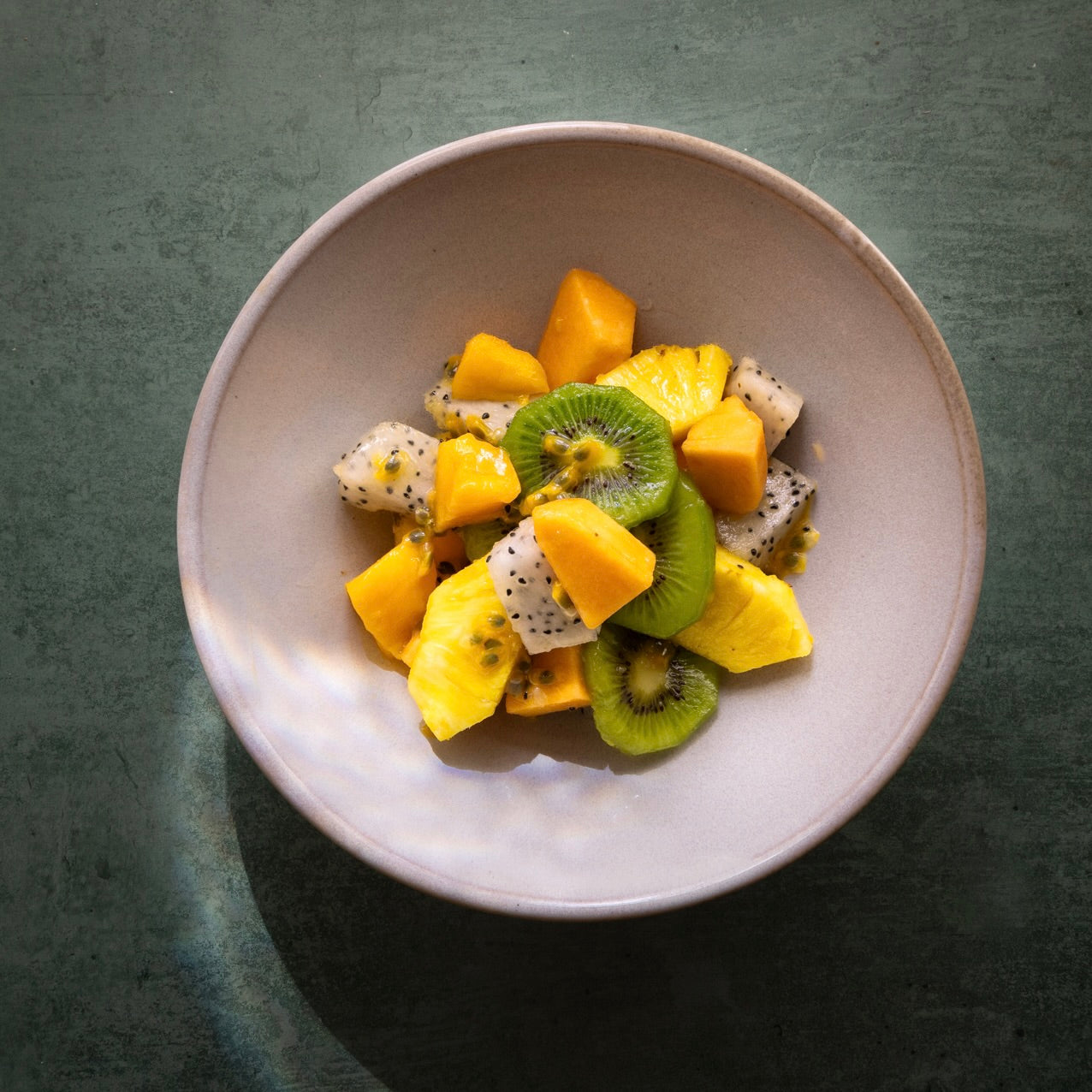
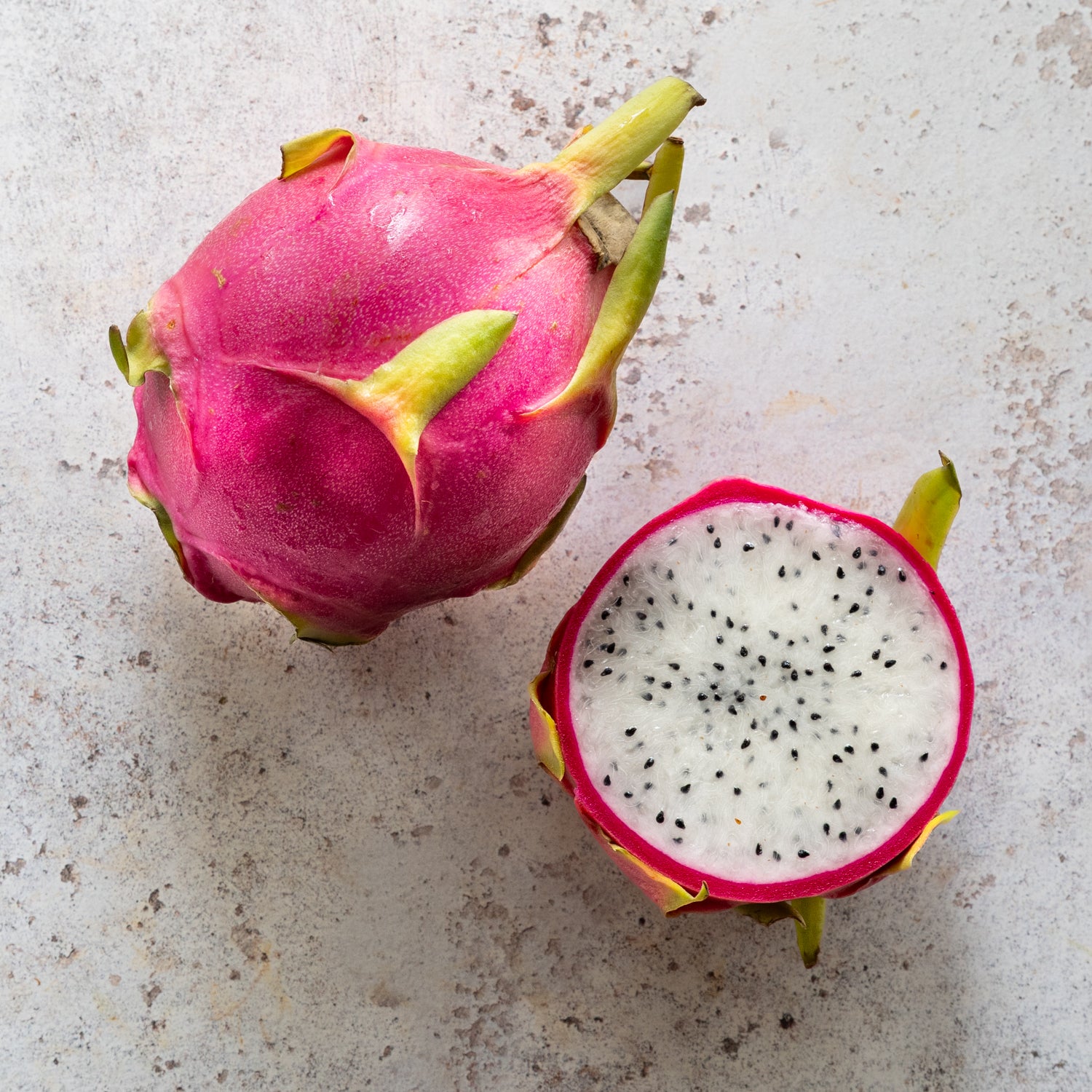
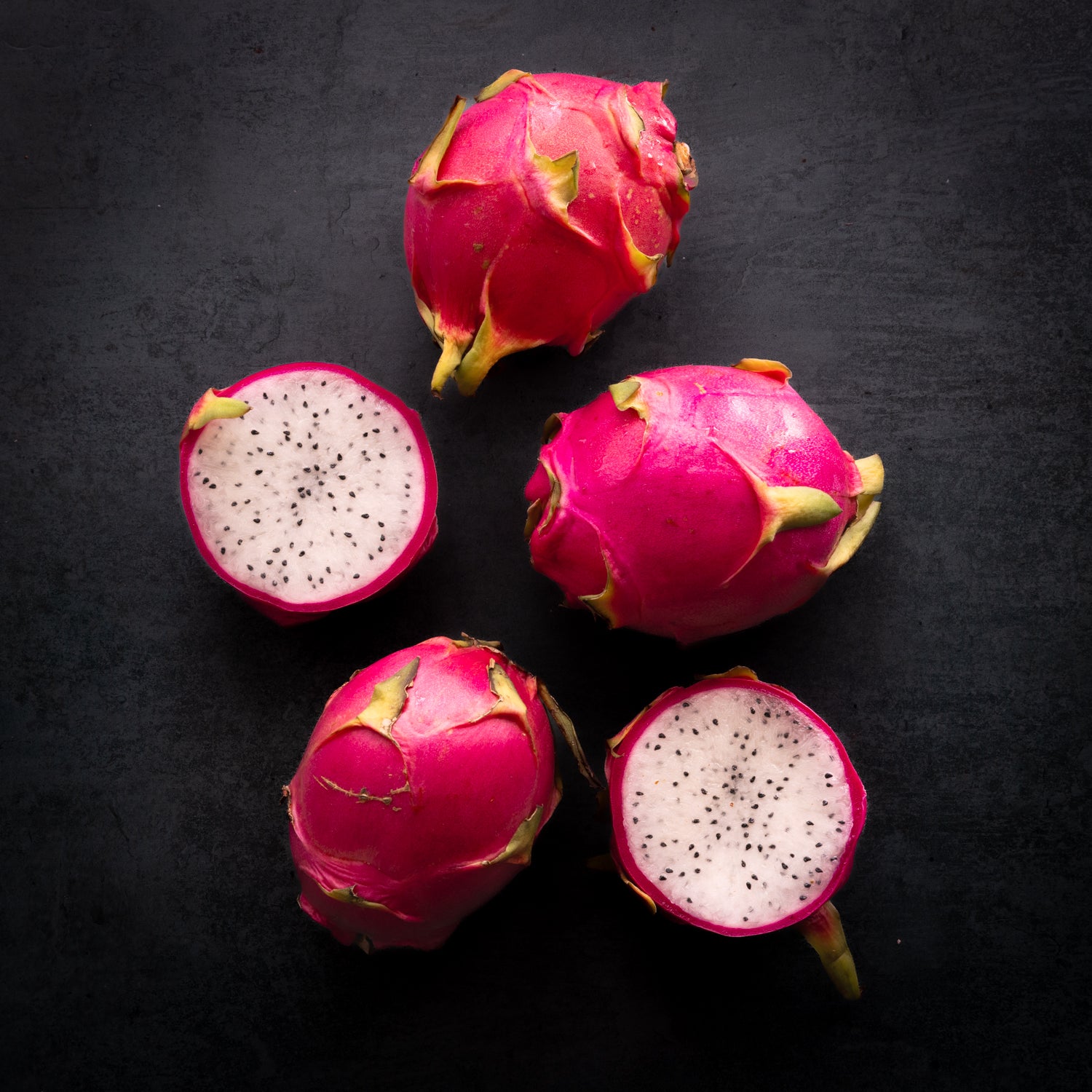
The collection also includes a selection of air-freighted tropical and exotic fruit — mangoes, passion fruit, pineapple, dragon fruit, and others depending on the season. The distinction here is ripeness.
Supermarket exotics are almost always sea-freighted, which means they're picked well before they're ripe to survive weeks of transit in a shipping container. They may soften on your kitchen counter, but they never develop the full sugar content, flavour complexity or aroma of fruit that has matured properly on the tree.
Air-freighted fruit stays on the tree for significantly longer. Picked closer to peak ripeness and reaching us within days rather than weeks. The difference in flavour is substantial — particularly with mangoes, pineapple and passion fruit, where the extra time on the tree transforms the eating experience.
Sourcing
Rungis Market in Paris is the largest wholesale food market in the world and the beating heart of French gastronomy — where the country's finest chefs, restaurateurs and food professionals source their produce daily. New Covent Garden Market serves the same function in London. Both markets operate on freshness, quality grading and direct relationships with growers — a world away from supermarket supply chains built around logistics and margin.
We select from both markets depending on what's in season and where the best quality is at any given time. European citrus, stone fruit and orchard fruit typically come via Rungis. British seasonal produce like forced rhubarb comes through New Covent Garden or directly from the producer. Air-freighted exotics are sourced through specialist importers at both markets.
Storage
Fresh fruit is perishable by nature — store appropriately on arrival and use within a few days for best eating quality. Most stone fruit, pears and exotics ripen best at room temperature, out of direct sunlight; once ripe, transfer to the fridge to hold. Citrus and berries refrigerate from the start.
Delivery
All fruit is delivered fresh via next-day express courier in protective packaging. Orders placed before 2pm are dispatched the same day — select your preferred delivery date at checkout. UK next-working-day delivery; complimentary weekday delivery on orders over £225.