Cheese
Every wheel, wedge and round in this collection comes from a cheesemaker who refuses shortcuts. These are the same fine cheeses you'd find in Michelin-starred kitchens — French, British and Italian, sourced direct, with verifiable provenance on every product page.
Our aged cheddars mature for 12 to 24 months, not the 3 to 6 months typical of commercial production. The difference isn't subtle.
UK next-day delivery, temperature-controlled. Orders placed before 2pm ship the following day.
Artisan vs. Gourmet
The terms get tangled. "Gourmet" often means nothing more than premium pricing. Artisan cheese demands proof — small-batch production, traditional rennet, natural ageing, and traceable milk sources.
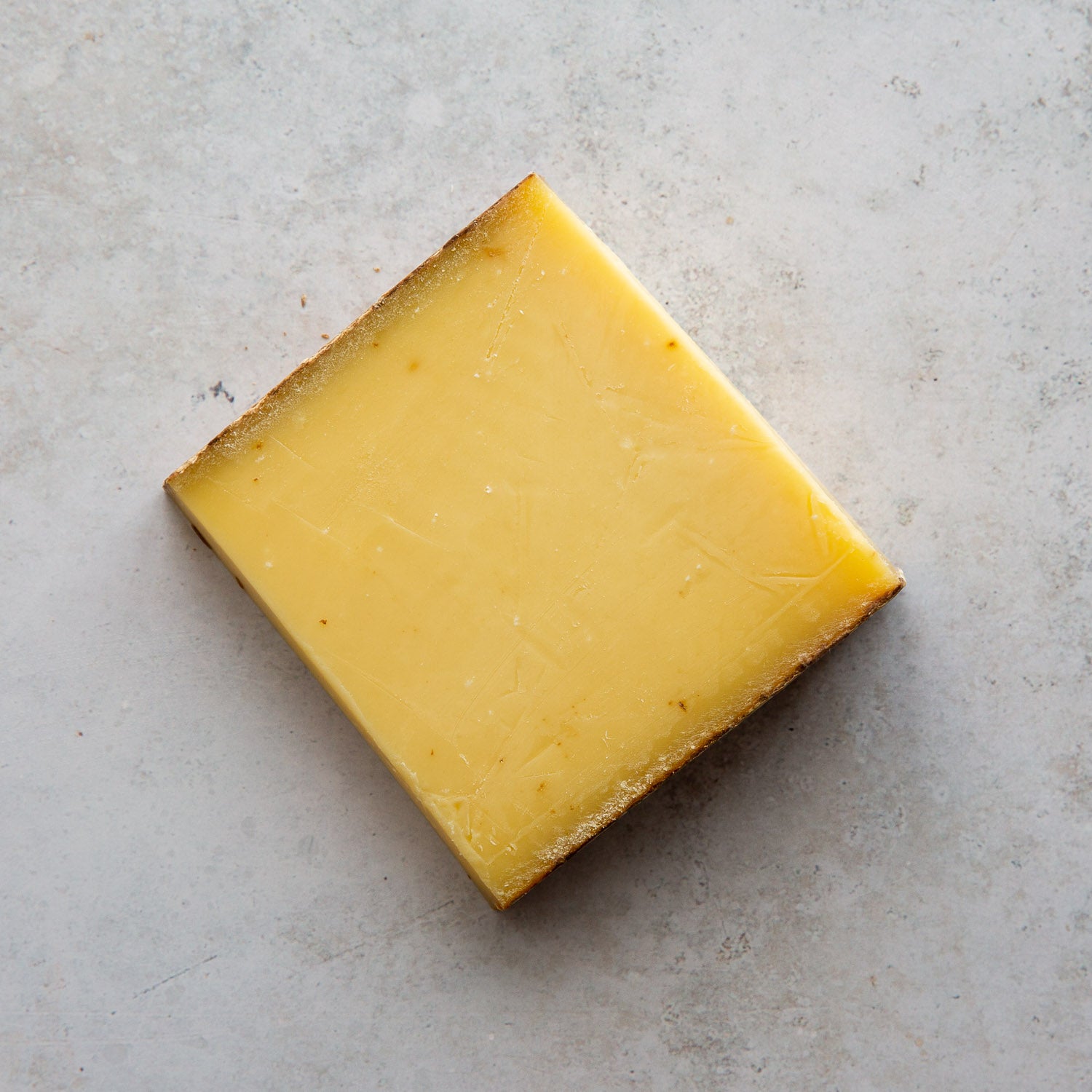
French cheeses made under AOC (Appellation d'Origine Contrôlée) carry legal protection: specific regions, specific milk types, specific ageing. A true Comté must come from Franche-Comté, use raw Montbéliarde or French Simmental milk, and age a minimum of 4 months in designated caves. "Gourmet Comté" without AOC means nothing.
Every cheese stocked here identifies its maker, region, and milk type. Provenance isn't optional — it's the point.
Our Selection
French Artisan Cheese
France built its culinary reputation on cheese, and we work with fromageries that still practise affinage — the art of ageing cheese to develop complex flavours. The collection covers soft-ripened AOC varieties like Brie de Meaux and Camembert de Normandie, alongside hard mountain cheeses such as Beaufort and Comté, aged 8 to 24 months in Alpine caves where temperature and humidity hold constant year-round.
Seasonal cheeses rotate with the milk. Summer brings Alpine varieties from high-altitude pastures; winter shifts toward aged reserves and washed rinds.
British Artisan Cheese
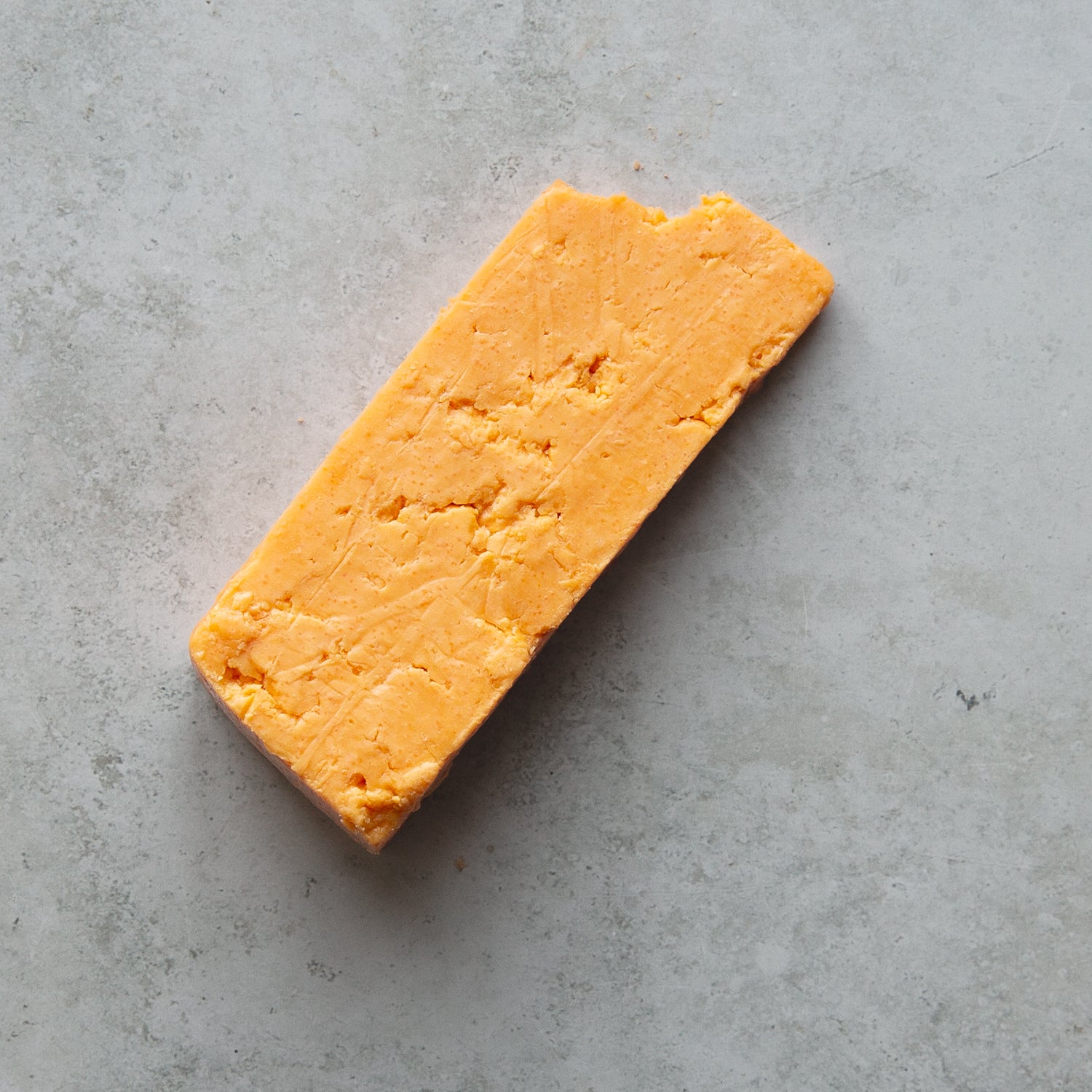
Montgomery's Cheddar stands apart from industrial versions — unpasteurised Somerset milk, 12 to 18 months in the cloth. Crystalline texture, sharp tang, depth impossible to replicate in younger cheeses. This is the cheddar served in three-Michelin-star restaurants.
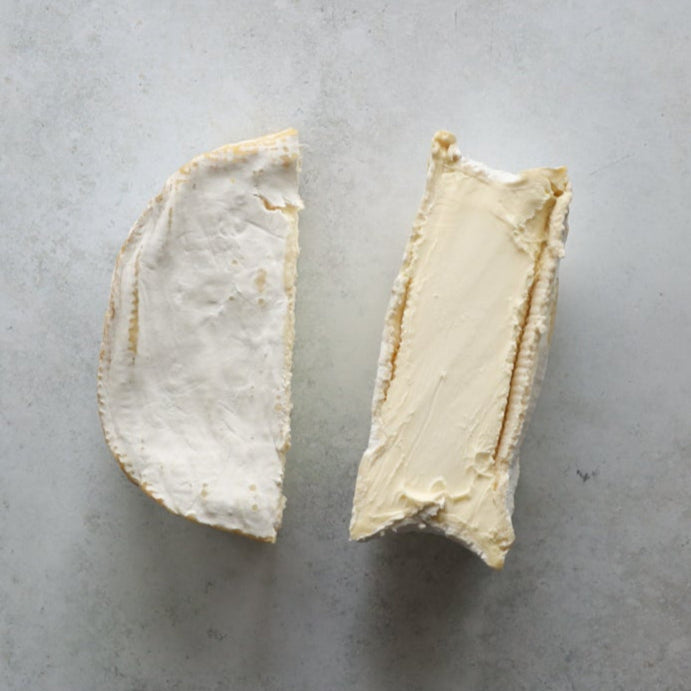
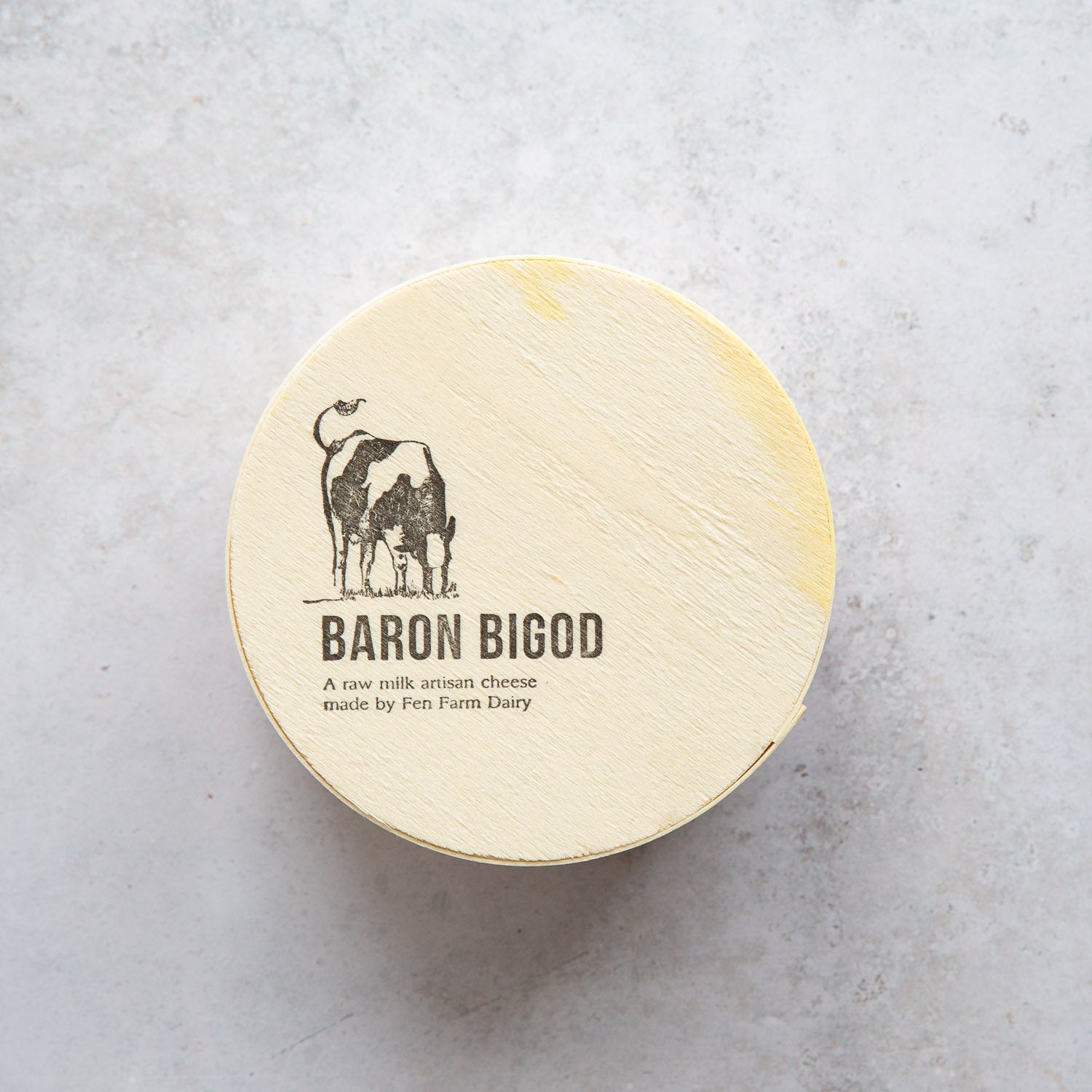
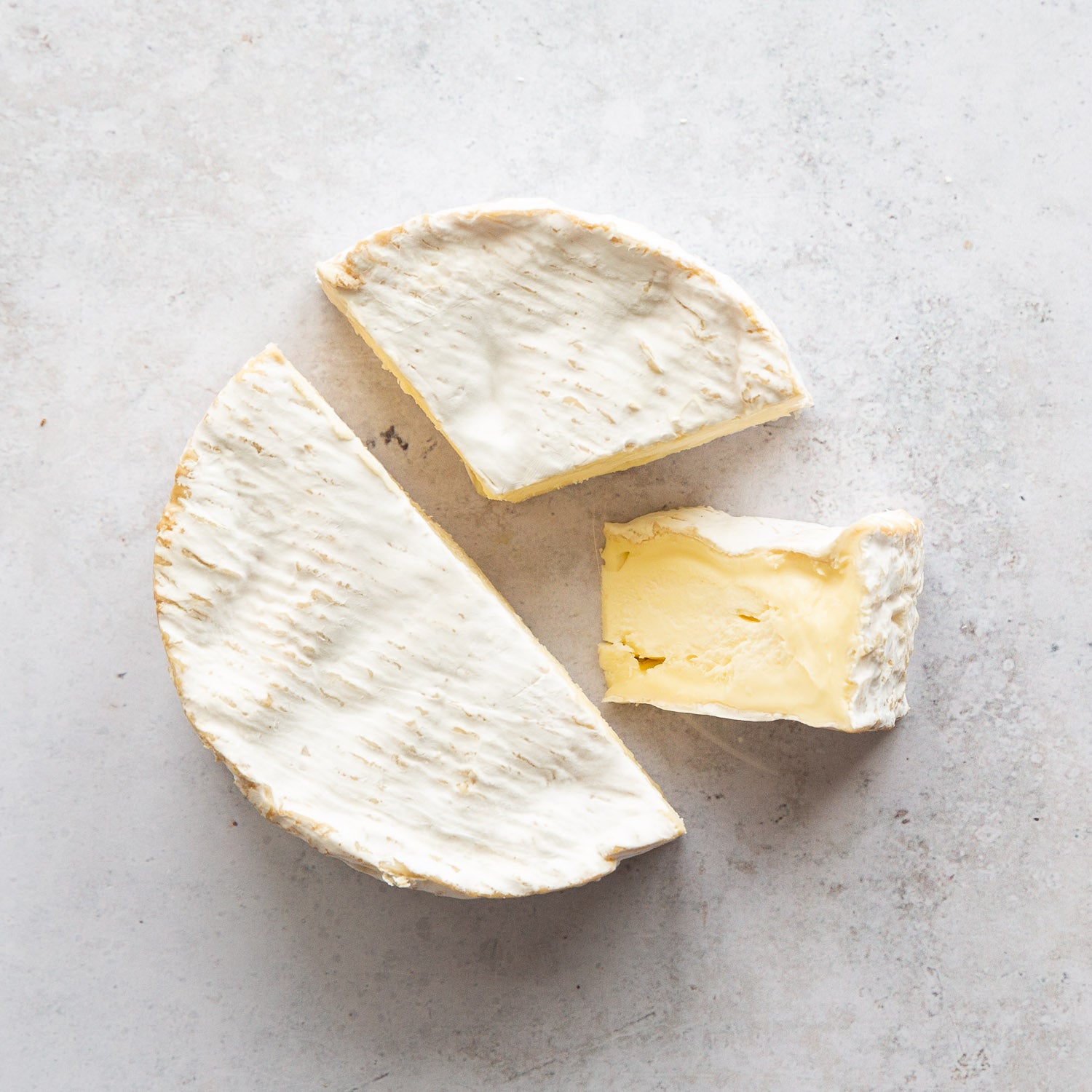
Baron Bigod represents British cheesemaking at its finest: a raw-milk brie-style cheese from a single Suffolk farm, where Montbéliarde cows graze coastal pastures. The milk changes with the seasons and the cheese reflects it — grassy and bright in spring, richer and almost buttery by autumn.
The range also includes Stilton, Cheshire, Lancashire and newer artisan varieties, many from farms practising regenerative agriculture.
Italian Artisan Cheese
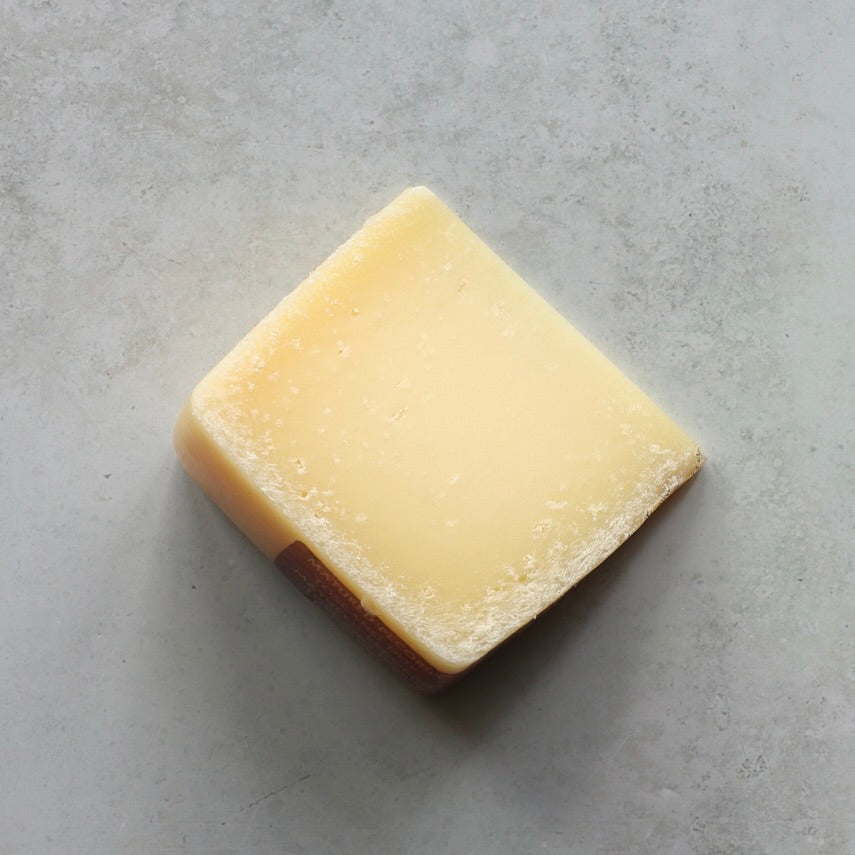
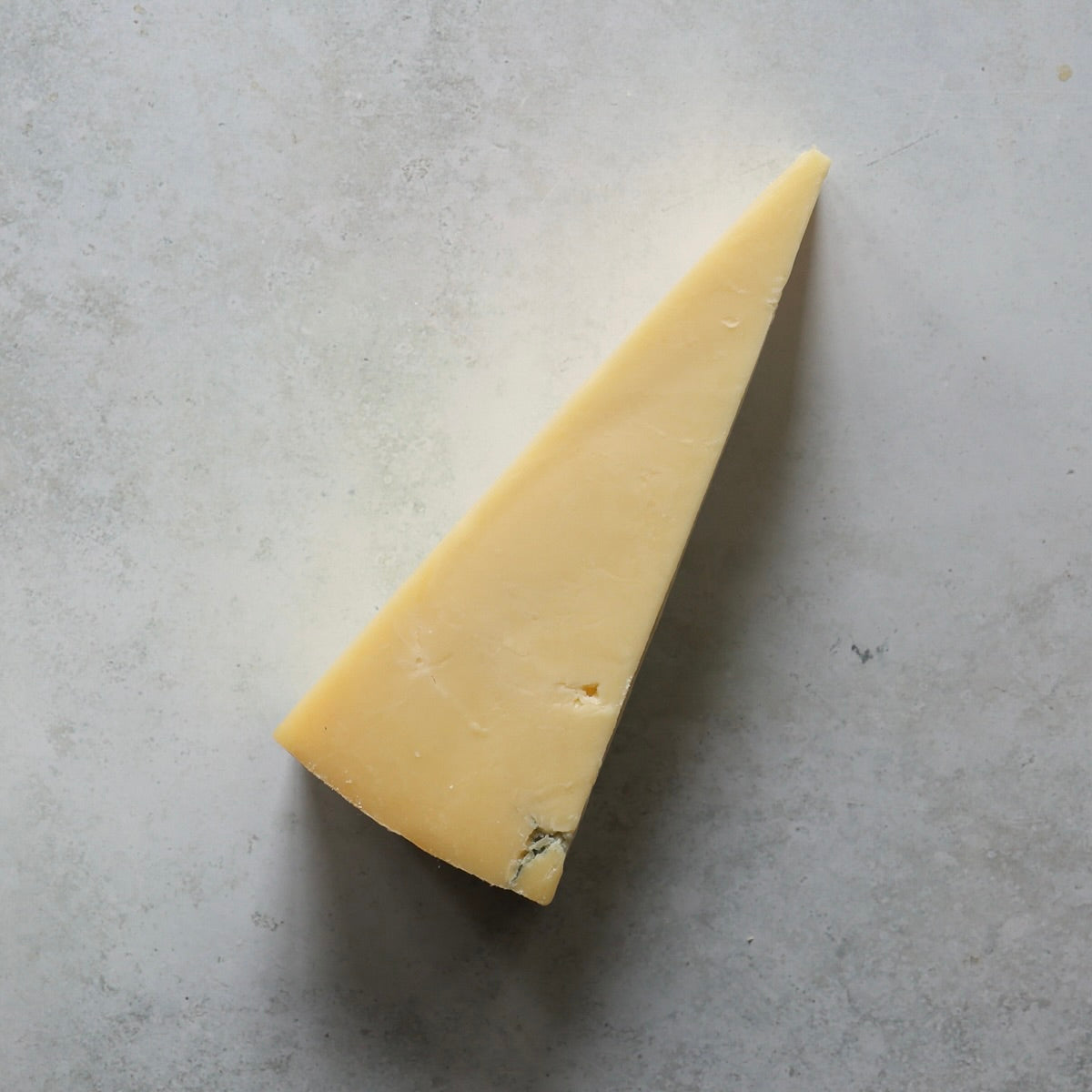
Parmigiano-Reggiano wheels age 24 to 36 months, sourced direct from small consortia in Emilia-Romagna where production methods have remained unchanged for 800 years. Each wheel weighs around 40kg and takes 550 litres of milk.
Italian soft cheeses — burrata, stracciatella, fresh mozzarella di bufala — arrive weekly. With these, freshness is everything, and our delivery timing ensures peak quality.
How To Choose
By Texture
Soft cheeses (Camembert, Baron Bigod) suit cheese boards and baking. Semi-soft varieties (Taleggio, Reblochon) balance spreadability with structure — ideal for fondues and gratins. Hard cheeses (aged cheddar, Comté, Parmigiano) grate, shave or eat in chunks, and keep for 4 to 6 weeks once cut.
By Milk
Cow's milk ranges from mild young Gouda to intensely sharp aged Cheddar. Sheep's milk (Manchego, Pecorino) gives nuttier, slightly sweet notes. Goat's milk tends tangy and grassy — exceptional with honey or fruit preserves.
For a Board
Aim for range. One soft (Brie), one semi-soft (Gruyère), one hard (aged Manchego). Add a blue if the table appreciates stronger flavours.
Why It Costs What It Does
Raw-milk cheese requires healthy, well-fed herds. Grass-based systems cost three to four times more than conventional silage and grain feeding. Milk quality improves; so does the expense.
Ageing demands infrastructure and patience. A proper cave holds 85–95% humidity and 10–14°C. Wheels are turned, brushed and monitored for months or years. A 40kg Parmigiano loses 8–10kg over 24 months of ageing — that loss is built into the price.
Small batches mean no economies of scale. A cheesemaker producing 500 wheels a year cannot compete on price with a factory making 50,000. What they offer instead is distinctiveness — cheese that tastes different batch to batch, reflecting the milk and the season.
Storing & Serving
Store cheese in the warmest part of the fridge — usually the vegetable drawer. Wrap each variety separately in wax or cheese paper, never plastic. Plastic traps moisture and breeds the wrong moulds. Keep cheese in its original paper where possible.
Take cheese out of the fridge 45 to 60 minutes before serving. Cold mutes flavour; room temperature (around 20°C) softens the fat and releases the aromatics. Hard cheeses need the full hour; soft varieties reach ideal texture faster.
Cut just before serving. Use separate knives for each cheese, especially when blues or washed rinds are on the board.
Shelf life by type: fresh cheeses 3–5 days; soft-ripened 7–10 days from cutting; hard cheeses 4–6 weeks if properly wrapped.
Pairing
Match Intensity
Delicate cheeses need subtle companions. Aged Gouda's caramel notes stand up to bourbon or dark beer. The principle holds across every pairing.
Balance Fat With Acid
Cheese is rich; acidic elements — wine, pickles, citrus — cut through and reset the palate. This is why Champagne and Brie work: bright acidity refreshing between bites of cream.
Complement or Contrast
Aged cheddar contains crystalline tyrosine that reads slightly sweet — Port's residual sugar mirrors it. Salty cheeses (Manchego, aged Pecorino) work the opposite way, paired with fig, honey or quince for contrast.
For a Board
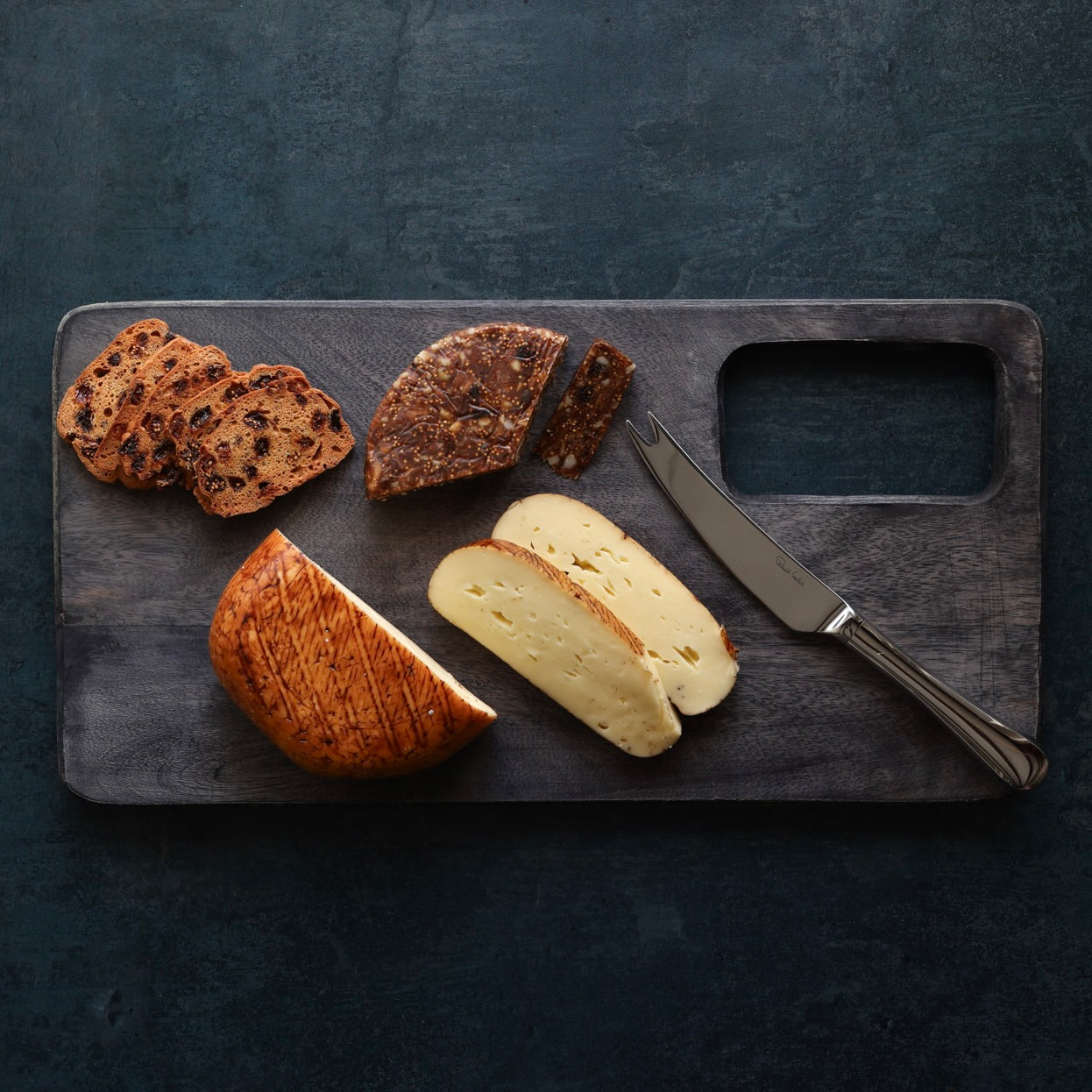
Cured meats with firm cheeses (prosciutto and Manchego). Fresh fruit with creamy cheeses (grapes and Brie). Nuts with hard, nutty cheeses (walnuts and Comté). Crusty bread underneath everything.
Food Safety
All cheese contains milk. Raw-milk varieties carry specific considerations: UK regulations permit production from tested, disease-free herds, but pregnant women, young children, elderly and immunocompromised individuals should choose pasteurised alternatives. Every product page indicates milk type.
Store below 8°C. Discard cheese with off-odours, slimy texture, or mould beyond the intended rind. On hard cheese, unwanted mould can be cut away with a 1cm margin; on soft cheese, discard entirely — moisture spreads contamination through the paste.
Delivery
All cheese ships in insulated packaging designed to hold 2–8°C in transit. UK next-working-day delivery across mainland addresses on orders placed before 2pm. Saturday delivery available.